Is a red fox a canine or feline?
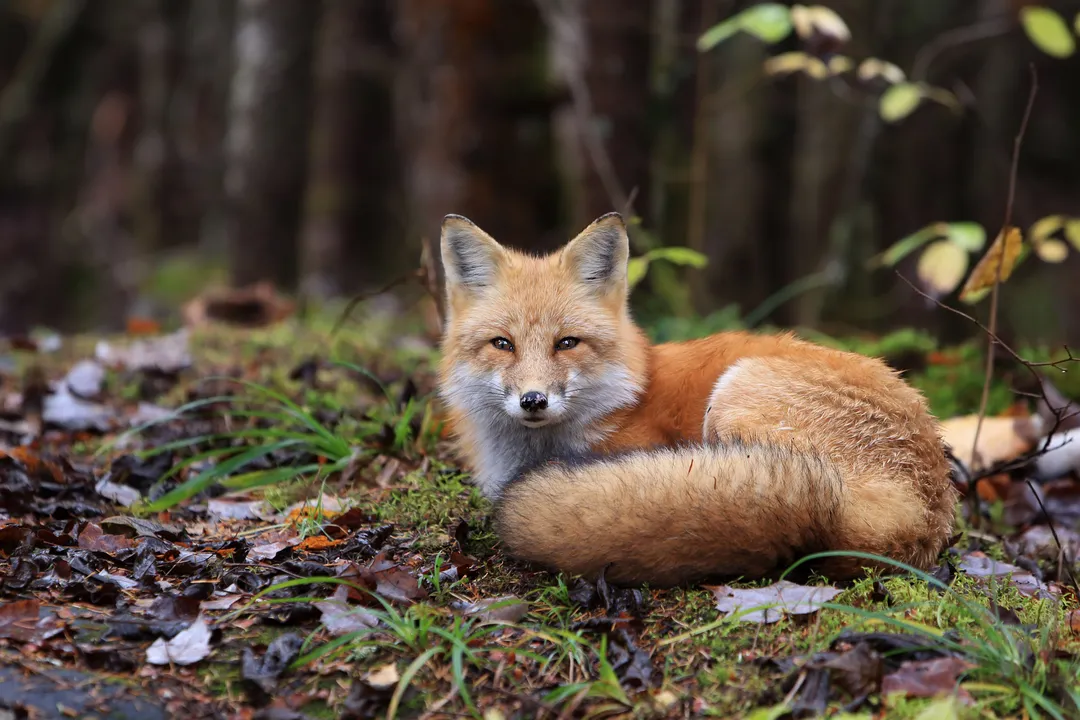
The persistent question of whether the red fox belongs to the canine or feline family stems from a compelling mix of scientific fact and striking visual mimicry. While many people notice the fox's slender build, pointed muzzle, and perhaps even its hunting style and wonder if it is some kind of cat hybrid, the truth firmly places this adaptable animal within the dog family. The red fox, Vulpes vulpes, is unequivocally a member of the Canidae family, grouping it with dogs, wolves, and jackals.
# Scientific Grouping
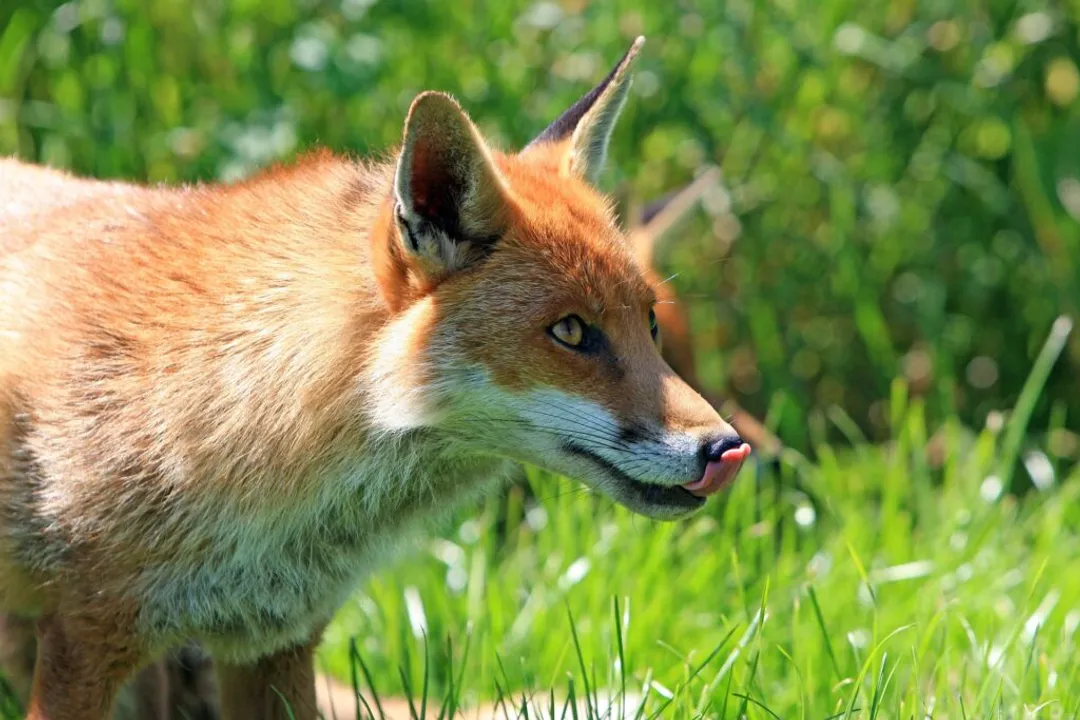
The classification of the red fox is clearly established within the taxonomic hierarchy. It belongs to the order Carnivora, the suborder Caniformia (dog-like carnivorans), and the family Canidae. Specifically, the red fox is the largest of the "true foxes," which belong to the genus Vulpes. This places it far from the Felidae family, which encompasses all true cats. When comparing the red fox's characteristics—such as its skull structure, dental formula, and evolutionary lineage—to those of domestic dogs (Canis familiaris) or wolves, the similarities clearly define it as a canid. They are not, as some might assume, an evolutionary cross between a feline and a canine.
# Feline Mimicry
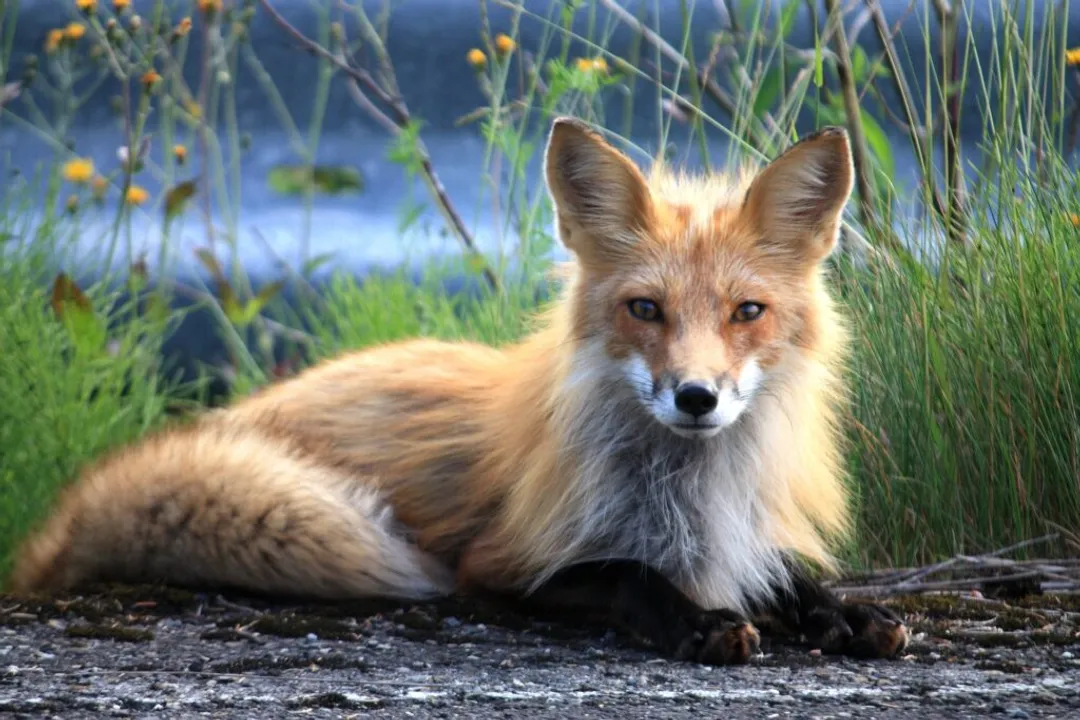
Despite its correct classification, the source of the common confusion is easy to understand when observing a fox up close or watching it hunt. Red foxes share several physical attributes with members of the cat family, leading to the perception that they might be related. These shared traits often involve adaptations for solitary hunting and agility. For instance, foxes are known for their relatively slender bodies, long legs, and pointed faces, which can look superficially more delicate than the broad-faced wolves or coyotes.
In evolutionary terms, some discussions point to the fact that foxes have evolved certain behaviors or physical traits that mirror those found in felines, even though their foundational anatomy is canine. While the sources don't confirm literal feline anatomical structures like fully retractable claws, the way a fox stalks and pounces on prey often resembles a cat’s hunting sequence more than a dog’s typical chase-and-catch method. This specialization in hunting behavior—relying on stealth and precision rather than pure pack power—creates a compelling visual overlap with felines.
It is fascinating to consider that two entirely separate evolutionary lines, Caniformia and Feliformia, can arrive at similar solutions for specialized terrestrial predation, resulting in the red fox occupying a niche somewhat between the classic wolf-like hunter and the solitary cat hunter.

# Canine Distinctions
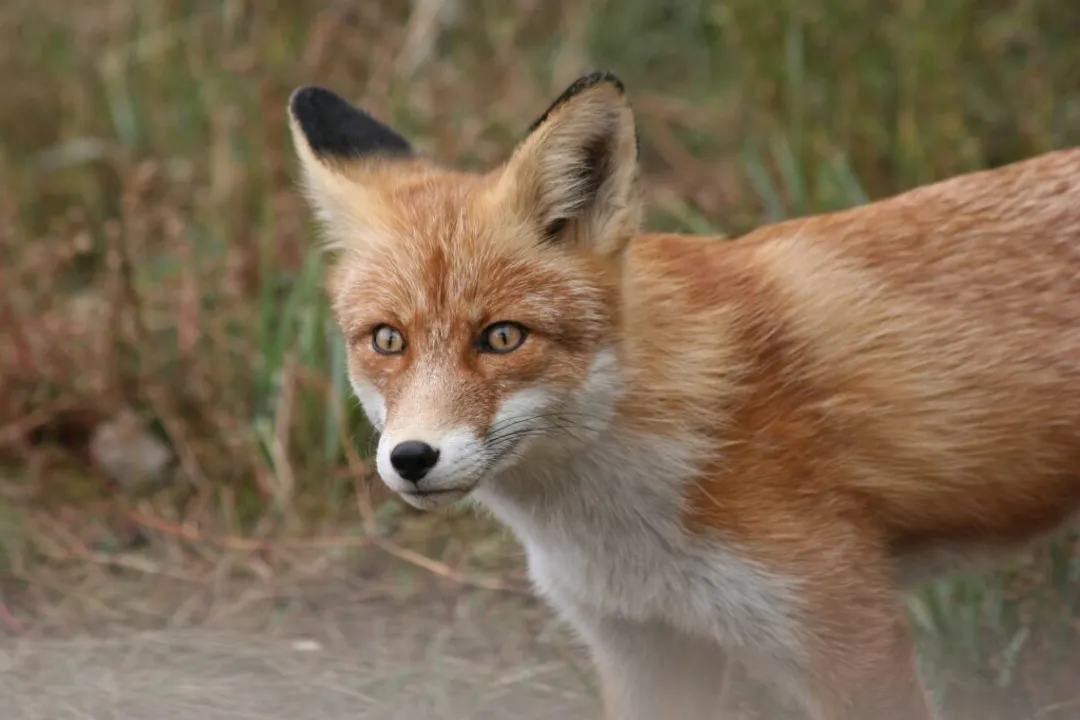
The characteristics that firmly anchor the red fox in the dog family revolve around its core biology and genetics, traits less apparent than its outward appearance. Canids typically have a longer muzzle and a different tooth structure adapted for crushing than felines do. Furthermore, while social structure can vary greatly, the foundational reproductive and skeletal systems align with Canidae. The red fox is known to exhibit a somewhat solitary lifestyle compared to wolves, but this variation exists within the canid group itself, distinguishing them from the more strictly solitary nature of many true cats. Their dentition, for example, reflects a generalized omnivorous diet typical of many canids, though they are highly successful predators.
For those living in areas where various wild canids overlap, being able to differentiate them is key. While an adult red fox generally weighs between 6 and 15 pounds, which is considerably smaller than a coyote, its gait and track pattern can be telling. An observer attempting to identify fox sign in a snowy field might look for tracks that are surprisingly neat and narrow, often showing less splay than a dog’s prints, which can contribute to the cat-like confusion. A helpful field tip is to look for the relative tightness of the track pattern; foxes often place their hind foot almost directly into the print of the front foot (direct registering), creating a neat, single-file line that is much more organized than the wide, messy tracks often left by an off-leash domestic dog or a larger coyote.
# Global Presence
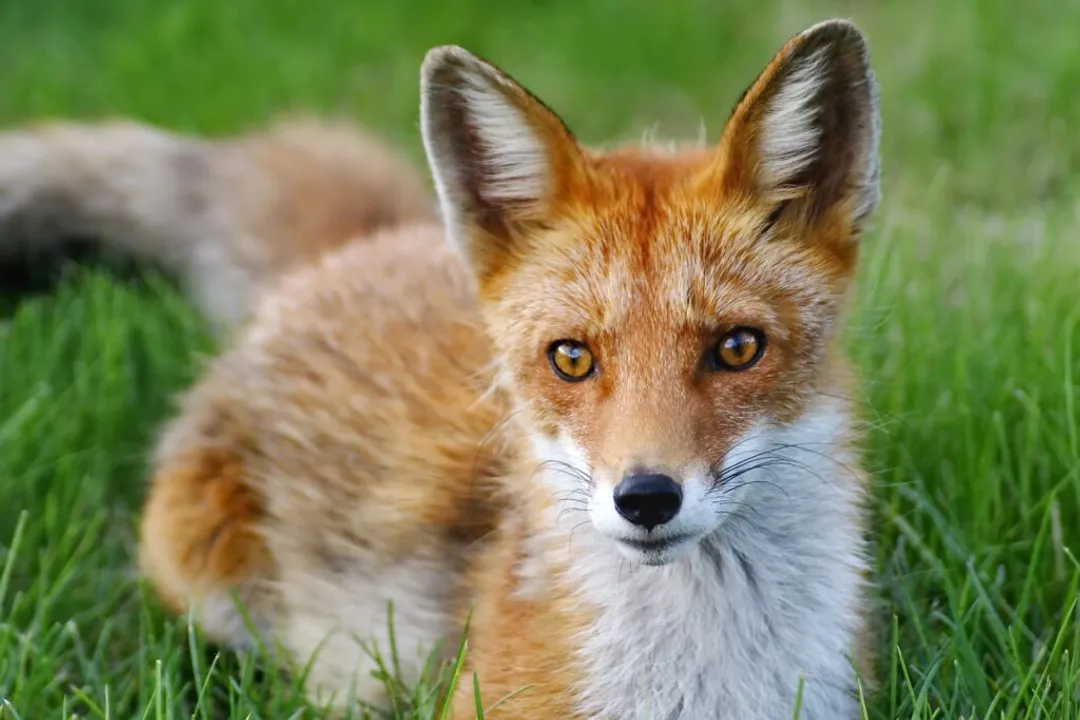
The red fox boasts one of the widest distributions of any wild terrestrial carnivore, succeeding across diverse environments from urban centers to remote wildernesses. In North America, for instance, while coyotes and wolves are present, the red fox has carved out its existence, sometimes even thriving near human development, much like raccoons or opossums. This adaptability, evident in its ability to utilize small pockets of food resources, contrasts with the sometimes more specialized habitat needs of larger canids.
This broad distribution, spanning North America, Europe, Asia, and parts of Africa, underscores its evolutionary success as a generalist. While the red fox is sometimes introduced to new areas, its natural range is extensive, leading to regional variations in size and coloration. For example, foxes found in colder, northern climes tend to be larger and have denser coats than their southern relatives.
| Feature | Red Fox (Vulpes vulpes) | Typical Feline (e.g., Domestic Cat) | Typical Canid (e.g., Wolf/Coyote) |
|---|---|---|---|
| Family | Canidae | Felidae | Canidae |
| Genus | Vulpes | Felis, Panthera, etc. | Canis |
| Muzzle Shape | Pointed, slender | Shorter, more rounded | Broader, more robust |
| Hunting Style | Often solitary, pouncing, omnivorous diet | Primarily solitary, stalking, hypercarnivorous | Often group-oriented, endurance chasing |
| Distribution | Holarctic (very wide) | Global (domesticated/introduced) | Varied |
| Track Pattern | Neat, narrow, direct registering | Rarely tracked in wild context | Wider, more splayed, less direct |
# Appearance and Perception
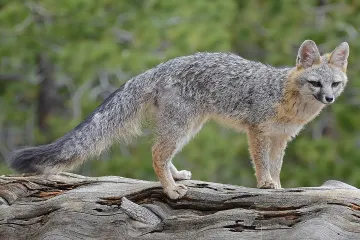
The aesthetic quality of the red fox certainly plays a part in its fame and the discussion surrounding its identity. They are generally recognized by their reddish-orange coats, bushy tails tipped with white, and distinctively black legs and ears. Their striking appearance, combined with their perceived intelligence and cunning nature in folklore, has endeared them to many people. In fact, their charming features have sometimes led people to incorrectly assume they might be suitable pets, though they remain wild animals requiring specialized care if kept by humans. This perception of being "cute" or appealing, often associated with domesticated animals or smaller, more approachable wildlife, can further cloud the purely scientific classification.
Ultimately, appreciating the red fox means recognizing it as a master of its own ecological niche—a highly successful canid that has independently developed traits allowing it to compete effectively, sometimes even borrowing behavioral tactics from its distant feline relatives. The fox is not a puzzle piece trying to fit between two families; it is a unique and successful member of the dog lineage that simply happens to look and hunt a bit like a cat.
Related Questions
#Citations
Red fox - Wikipedia
Is a Fox Part of the Canine or Feline Family? (The Truth Reveals)
The red fox is a member of the canid (dog) family, but also shares ...
Why did foxes evolve to be like cats even they are part of the dog ...
Are Foxes More Similar to Dogs or Cats? - The Spruce Pets
Are foxes essentially a cross between a feline and a canine? - Quora
Is a red fox a K9 or a feline? - Cat Questions - JustAnswer
Red Fox | Colorado Parks and Wildlife
Are Foxes Canines or Felines (Or Are They Something Else)?