What can mules not eat?
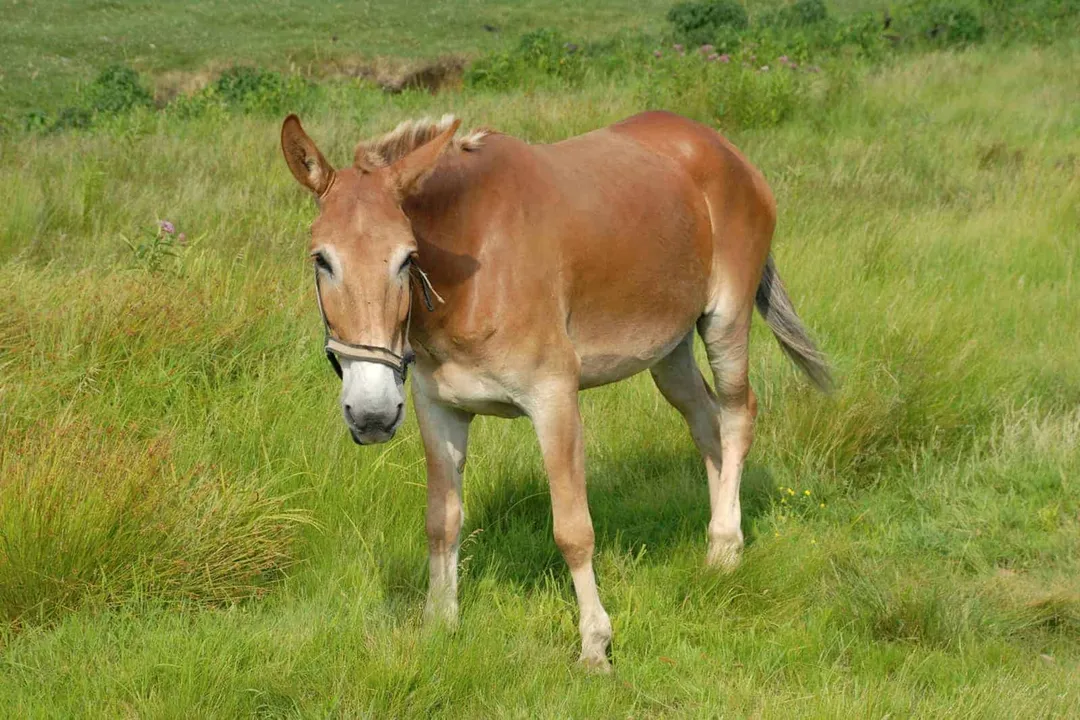
The digestive machinery of a mule is remarkably efficient, a trait inherited from their donkey ancestry that owners must respect, particularly when it comes to what they consume. [5][9] Unlike horses, which often require higher caloric intake to maintain weight, mules are famously "easy keepers". [5] This means that many standard equine feeds and lush pastures that seem perfectly fine for a horse can quickly lead a mule down the road toward obesity, insulin resistance, and the devastating condition known as laminitis. [1][3][9] Understanding what not to feed is often more critical for mule welfare than knowing what to add to the diet.
# Toxic Flora

The most immediate danger in a mule’s diet comes from poisonous plants growing in their pasture or brought in with hay. Exposure to these can cause acute illness or death, often regardless of the quantity consumed. [1][4] Mules, like other equids, sometimes browse on plants they shouldn't, especially when bored or when high-quality forage is scarce. [3]
A number of common landscape and pasture plants are highly toxic to mules:
- Reds and Maples: Red maple leaves are extremely dangerous, capable of causing severe toxicity. [4]
- Nightshades: Plants in the nightshade family should be strictly avoided. [1]
- Woody Shrubs: Boxwood, oleander, rhododendron, and azaleas are all known toxins. [1][3] Yew is particularly dangerous. [4]
- Field Toxins: Buttercups, bracken fern, and ragwort pose significant risks if ingested. [1][3] Locoweed, common in certain western areas, is another serious concern. [1]
- Nuts and Seeds: Oak trees present a dual threat; both the leaves and the acorns contain tannins that can cause colic and potential kidney failure in susceptible animals. [1][4] Furthermore, wood or shavings from black walnut trees should never be used for bedding, as contact can trigger life-threatening laminitis or founder. [1][4]
It is essential for owners to conduct a thorough inspection of any new pasture or hay source for these threats before introducing their mule to it. [3] If poisoning is suspected, immediate veterinary attention is necessary. [1]
# Rich Forages
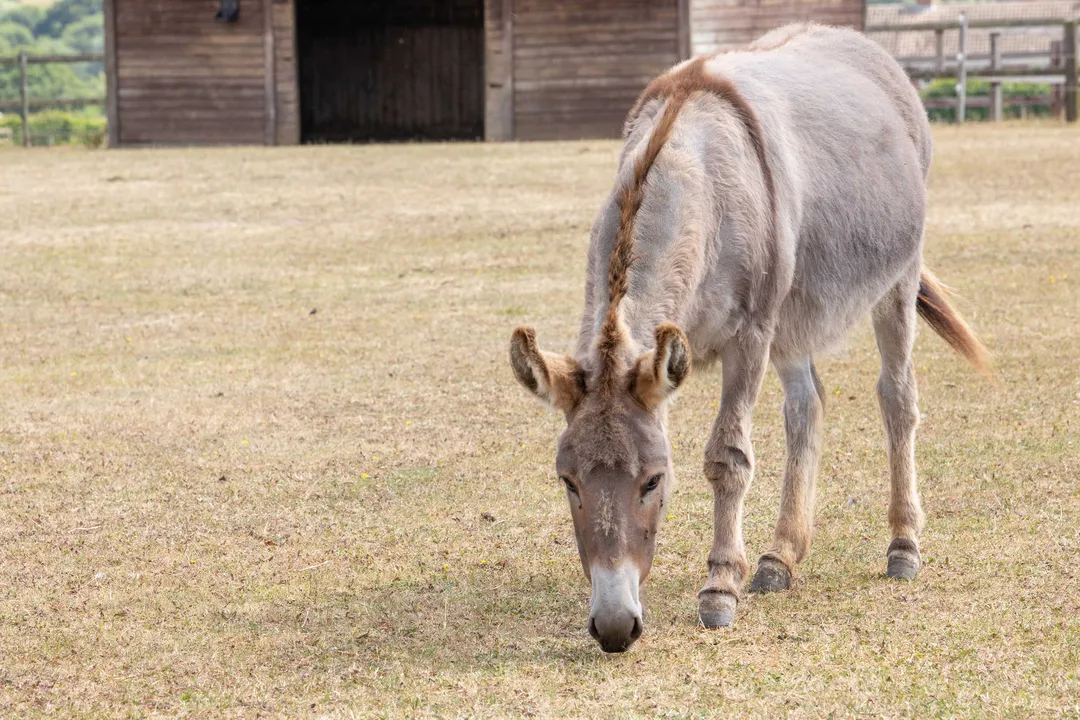
While forage—hay and grass—should make up the vast majority of a mule’s diet, the quality of that forage is paramount. The efficiency of the mule's digestive system means they extract maximum nutrition from low-quality sources, making rich feed dangerous. [5]
The greatest risk lies with overly lush, green pasture, especially in the spring when grass sugar and starch levels (Non-Structural Carbohydrates or NSCs) are very high. [1][9] While a horse might handle a few hours on this grass, a mule needs far stricter limitation to avoid metabolic upset. [5] If a mule must be turned out onto rich spring pasture, turnout time should be severely restricted, perhaps to just an hour or two initially, or they should be kept muzzled or dry-lotted until the grass matures and its NSC content drops. [1][9]
Forage analysis isn't always practical for the average owner, but a visual assessment can help. If the grass is deep, bright green, and growing rapidly, treat it as high-risk. [5] A good rule of thumb, particularly for mules prone to weight gain, is to aim for a total diet where the energy density allows for slow, steady weight management, rather than rapid growth or easy maintenance. [1] For comparison, while a horse might need hay testing in the 10-12% Crude Protein range for moderate work, a mule might thrive better on grass hay testing closer to 8-10% protein, depending on their workload and body condition. [1] If you are feeding hay that looks like it was grown for dairy cattle, it is almost certainly too rich for a mule receiving limited work. [5]
# Concentrate Excess
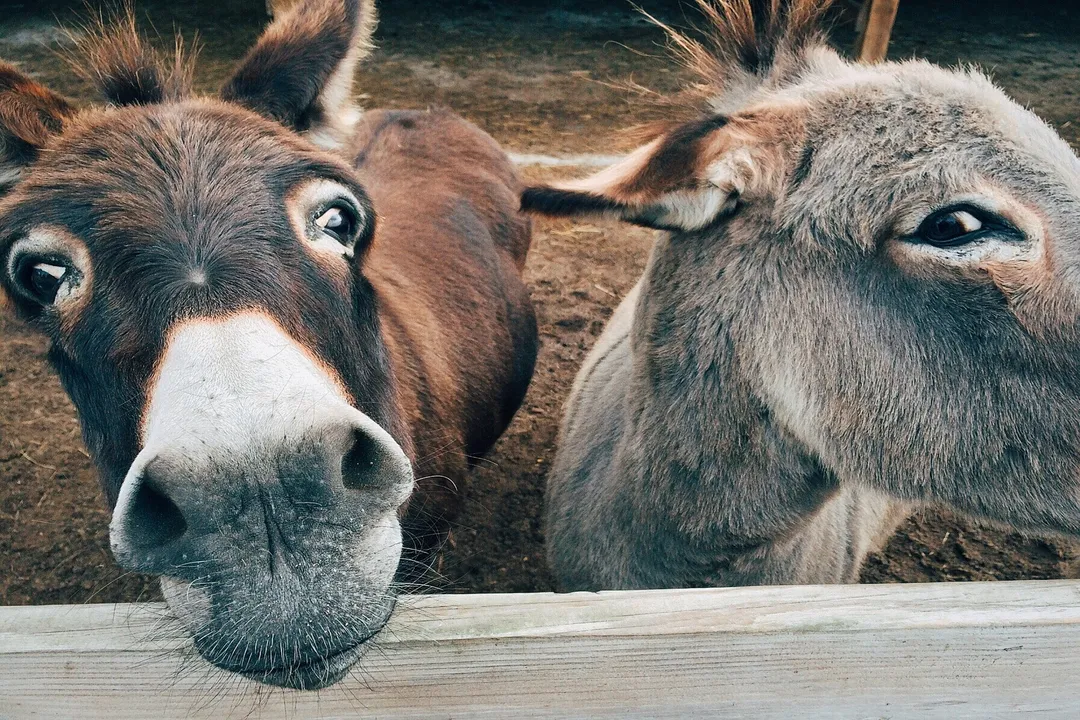
Grains—like oats, corn, and barley—are high in starches and are designed to provide quick, dense energy for high-intensity work or for animals struggling to maintain condition. [1][6] For the average leisure mule, which may only be ridden occasionally or used for light packing, these traditional grains are often unnecessary and actively harmful. [5]
Mules generally need very little, if any, added grain in their diet unless they are working hard, are underweight due to age or illness, or if their forage quality is exceptionally poor. [3][5] Feeding grain simply because it is traditional for horses can quickly lead to calorie surplus and metabolic issues in mules. [3]
If a specific nutritional gap must be filled—such as needing extra calories for an older animal—it is usually better to use a concentrate feed specifically formulated for mules or senior equids that is lower in starch and higher in digestible fiber and fats than standard performance horse feeds. [1] Even when a concentrate is necessary, it should be fed in very small, controlled amounts, often just enough to ensure vitamin and mineral intake is met, rather than to provide bulk calories. [1][6] Introducing any new concentrate should be done gradually over at least two weeks to prevent colic or digestive upset. [3]
# Problematic Additions
Beyond the main feed sources, several other items commonly offered to horses should be limited or avoided entirely for mules due to their high sugar content or low nutritional value for this species:
- Sugary Treats: While a small slice of carrot or apple is usually fine as a training reward, large quantities of sugary fruit can cause digestive upset. [5][6] Avoid processed human foods, candy, or commercial sweet treats, as these can spike blood sugar quickly. [6]
- Excessive Protein: While protein deficiency is a concern, overfeeding protein can place unnecessary strain on the kidneys and lead to excess nitrogen excretion, which can impact hoof health over time. [1]
- Molasses: Molasses is often added to feeds to improve palatability, but it is essentially concentrated sugar. If the base feed is already too rich, adding molasses only exacerbates the problem. [6]
# Contaminated Sources
The mule's hardiness should not be mistaken for an ability to tolerate spoiled food. Just like any equine, consuming moldy hay or feed can introduce toxins like mycotoxins, leading to colic, neurological signs, or general illness. [1][3]
Never feed your mule feed that smells musty, shows visible signs of mold, or has been stored in damp conditions. [3] If you are buying hay by the bale, inspect the interior of several bales, as spoilage can sometimes start internally where moisture accumulates. [3]
The issue of water quality also ties into the "cannot eat/drink" category. While obvious, ensuring a constant supply of fresh, clean water is non-negotiable, especially when feeding dry hay or high-fiber diets to support gut motility. [3]
# Metabolic Management Tip
When determining if a feed is appropriate for your mule, consider their job description before looking at the bag analysis. If your mule is a light trail companion, their caloric requirement is minimal. Think of their daily ration in terms of thirds: one-third work/calories, one-third vitamins/minerals, and one-third bulk filler (like beet pulp or low-sugar chaff), with the remaining energy coming primarily from low- NSC hay. [1] If you are adding a scoop of grain, ask yourself if that scoop is serving a nutritional purpose or merely filling the bucket. Often, it is the latter, and using a ration balancer pellet or a soaked, high-fiber feed like plain beet pulp (soaked to prevent choking) can provide the necessary vitamins without the starch load of grain. [3][5] This approach manages the mule's natural tendency to hoard calories while keeping the hindgut healthy and occupied. [9]
Related Questions
#Citations
Understanding Nutrition for Mules - The Horse
Donkey and mule nutrition essentials - World Horse Welfare
Mule Care & Management Guide: Characteristics, Health & Nutrition
Q&A: Proper Diet for a Mule - Kentucky Equine Research
Mule Feed and Nutrition Program | Queen Valey Mule Ranch
Feeding Donkeys & Mules - Poulin Grain
What do you feed your mule? : r/Equestrian - Reddit
Feeding donkeys | The Donkey Sanctuary
Ask Meredith – Nutrition & Diet - Lucky Three Ranch