Do zebras eat the same as horses?
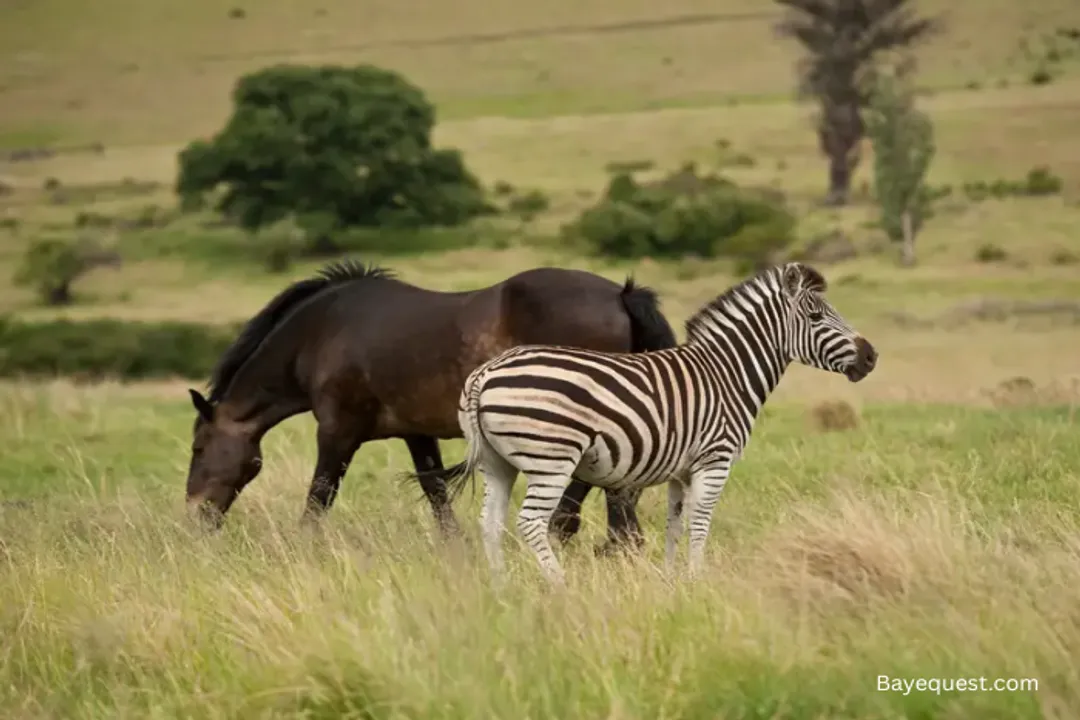
Even though zebras and horses share a family tree, the food that sustains them in the wild isn't always identical. While both animals are firmly categorized as herbivores, meaning their sustenance comes entirely from plants, the specifics of their diets reflect differences in habitat and evolutionary paths. [1][2][3] Comparing what a plains zebra munches on versus what a domestic horse consumes highlights fascinating distinctions in digestive strategy and foraging behavior.
# Shared Herbivory
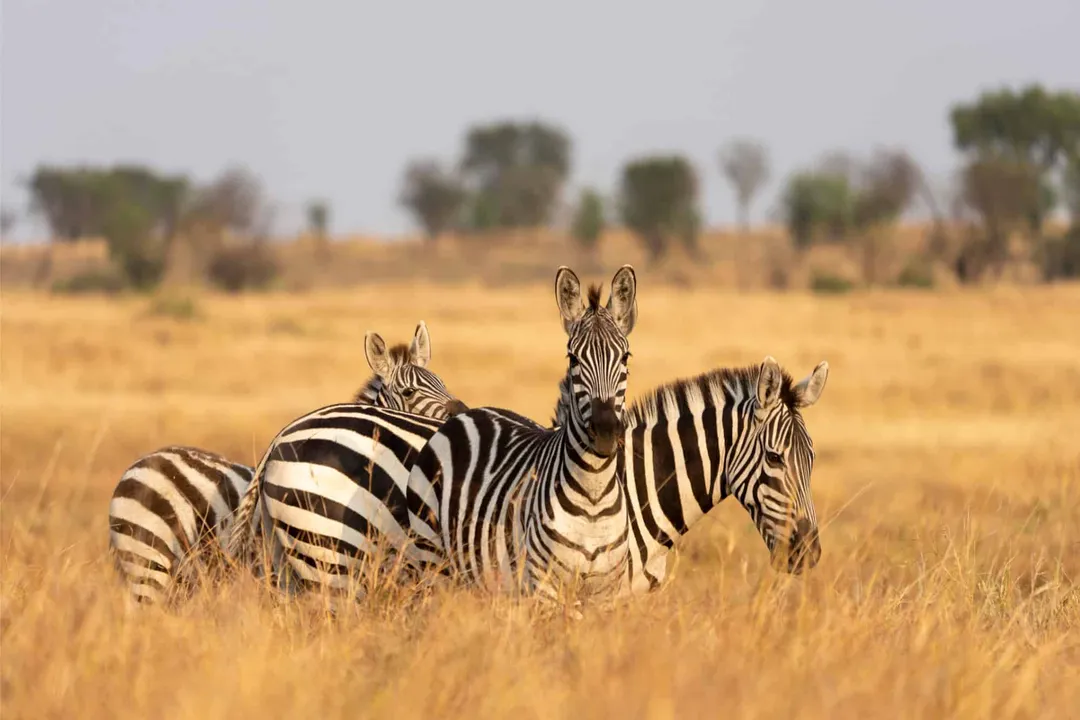
At the most fundamental level, the dietary connection between zebras and horses is their shared classification as herbivores. [1][3] This means their survival depends on processing plant matter, primarily grasses, for energy. [1][2] They are both biologically structured to thrive on a fibrous diet, a characteristic shared across the Equidae family.
# Horse Nutrition
For the horse, especially the domesticated variety kept by humans, the diet is often standardized and controlled. [3] A horse’s primary natural diet centers around grass and hay, with grains sometimes added depending on workload or nutritional needs. [3] Domestic environments mean that while their digestive systems are naturally equipped for high-fiber forage, they are often provided with a higher quality, lower-fiber input than their wild counterparts might encounter on a daily basis.
# Zebra Foraging
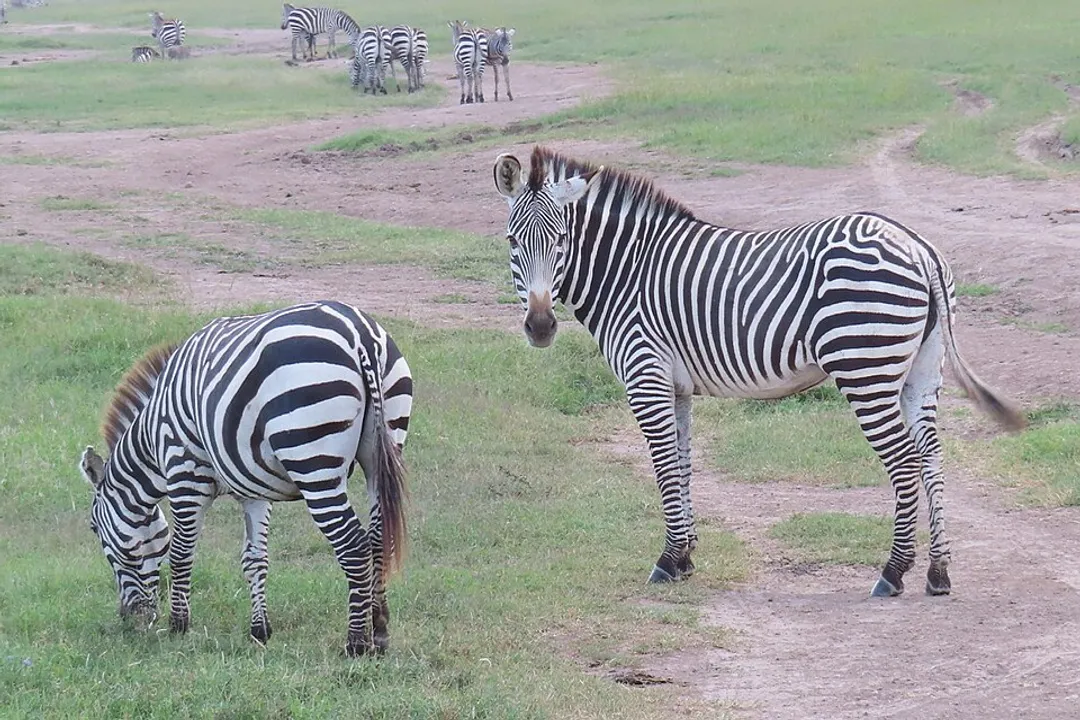
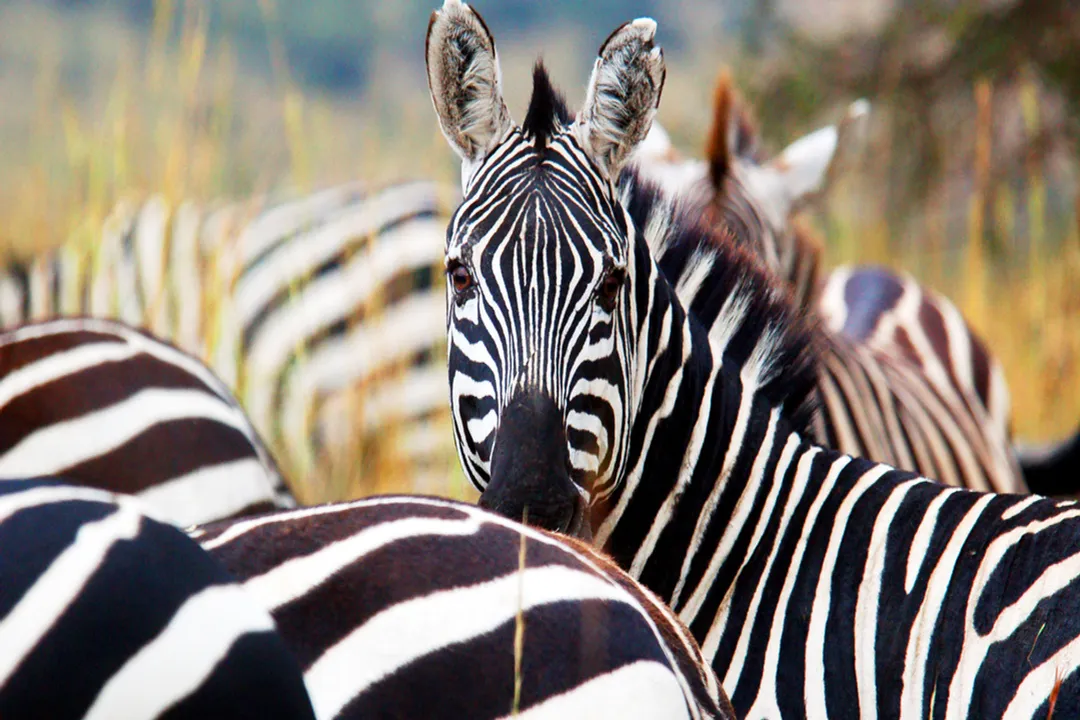
Zebras, conversely, tend to be hardier grazers adapted to the variable conditions of African savannas. [1][2] While grasses form the bulk of their food intake—just like horses—zebras demonstrate a greater capacity to survive on tougher, lower-quality forage when prime grazing areas are unavailable. [1] Their diet frequently extends beyond fresh grass to include stems, roots, and even bark. [2] Some sources suggest that zebras are less selective feeders than horses, which allows them to occupy ecological niches where food quality might fluctuate dramatically throughout the year. [2][3]
# Fiber Tolerance
The ability of zebras to thrive on coarser vegetation compared to horses points toward significant, subtle differences in their gastrointestinal tracts. [2] Think of it this way: if you compare a bale of high-quality, lush hay fed to a show jumper against the dry, tough stalks that remain after a dry season in the Serengeti, the zebra is far better equipped to extract nutrients from the latter material. [1] This enhanced tolerance for high-fiber, lower-nutrient density feed is a critical survival adaptation for a wild equid facing seasonal scarcity in Africa. [2] This tolerance suggests that, biologically, a zebra can handle a much higher effective fiber load than many modern domestic horses, which are often managed on diets optimized for easy digestion and high energy output. [1][3]
# Evolutionary Niche
The difference in diet relates directly to how long ago their evolutionary paths diverged millions of years ago. [4] While both are equids, occupying similar ecological roles (grazers), they have specialized in slightly different niches within those roles. [4] Horses in their ancestral environments likely coexisted with other grazers, perhaps favoring finer, more digestible grasses. Zebras, however, evolved alongside specialized browsers and needed the metabolic flexibility to consume the "leftovers"—the rough, woody, or dry material that other, more delicate herbivores might pass over. [2] This specialization means that while a horse might struggle if restricted only to very coarse, low-quality vegetation, the zebra views it as a necessary, standard component of its routine sustenance. [1][2]
# Managing Mixed Herds
If one were managing a mixed enclosure—perhaps a sanctuary setting where domestic horses and rescued zebras shared space—understanding this dietary divergence would be paramount. A common scenario is that the horse will quickly consume the most palatable, high-quality hay first, leaving the coarser remnants. In such a setup, the zebra might actually benefit from the scraps left behind by the horse, which the horse rejected as too poor quality, thus preventing the zebra from competing for the best food. [1][3] Conversely, if both animals are given only the highest quality hay available, the zebra might actually over-consume the easily digestible material, potentially leading to weight issues or digestive upset associated with a diet too rich for its wild-adapted system. A management plan should always account for the zebra's need for bulk, roughage, and adaptability over easily digestible sugars or starches that sometimes feature in high-performance horse feed. [3]
# Digestive Processing
The underlying mechanism supporting these different diets lies in the way their hindguts process cellulose. Both are hindgut fermenters, meaning much of the digestive breakdown happens after the small intestine, relying on microbial populations in the cecum and large intestine. [1] However, the efficiency and resilience of the microbial community within the zebra must be different to cope with the tougher, perhaps more toxin-laden, vegetation they consume in the wild. [2] This resilience allows them to process a higher proportion of poorly digestible fiber, turning what might be indigestible bulk for a horse into usable energy for the zebra.
# Feeding Behavior Comparison
While both animals graze, the visual difference in their eating patterns can sometimes be telling. A horse often grazes with a rhythmic, consistent sweep across a patch of good pasture. A zebra, particularly one feeding in marginal areas, might spend more time moving, picking through sparse tufts, or stripping leaves from low-hanging branches or bushes. [1][2] Their constant motion and varied intake pattern reflect a strategy of maximizing intake across various low-yield food sources rather than maximizing intake from a single, high-quality source.
# Conclusion
In summary, zebras and horses share the essential need for plant matter, but their specific diets diverge based on necessity and adaptation. [1][3] The horse diet leans toward easily digestible grasses and managed forage, whereas the zebra's diet is characterized by a significant component of coarse, tough vegetation that they are uniquely evolved to process. [2] They are related, yes, but their feeding habits show a clear evolutionary split reflecting the demands of their respective homelands. [4]
Related Questions
#Citations
Are Zebras Horses or Different Species? Facts Explained!
Zebra Facts: Habitat, Diet, & Conservation - IFAW
Horses and zebras | Research Starters - EBSCO
Is Zebra meat really the best game meat in terms of taste? My friend ...
Zebra vs. Horse - Softschools.com
Zebras are not domesticated like horses, they have wild instincts
Zebra - Wikipedia
What Do Zebras Eat? - A-Z Animals
Are Zebra's related to horses? If so, why do they look so different?