Why am I only finding dead roaches?
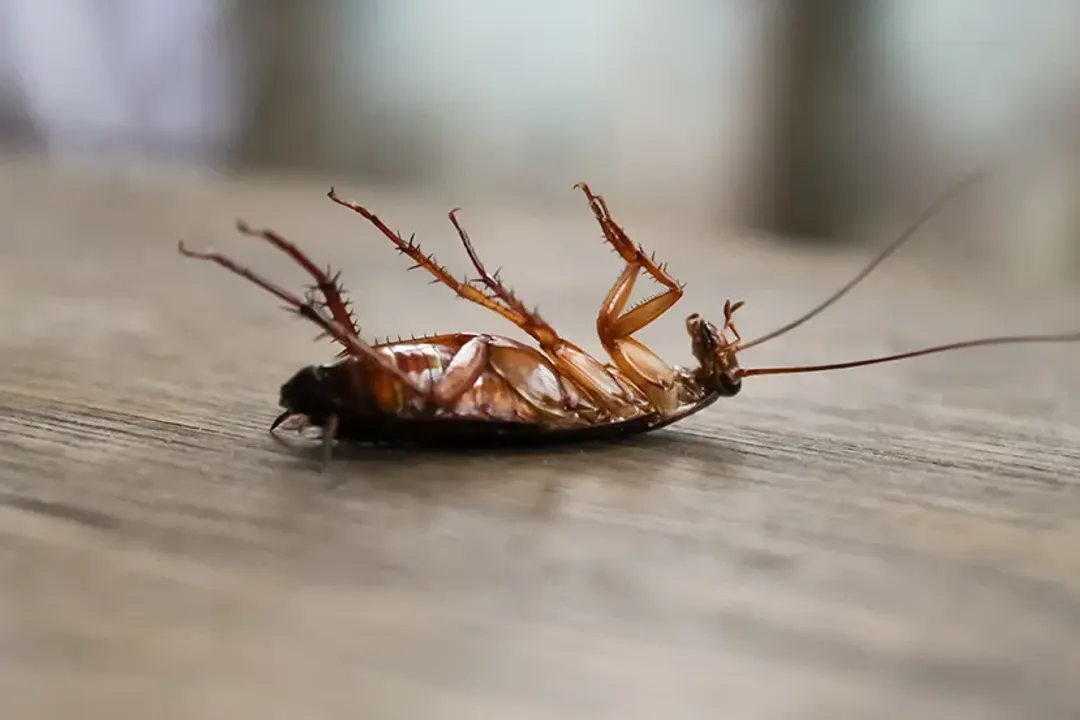
Finding dead cockroaches around your home often triggers an immediate sense of alarm, but in many instances, it is actually a positive sign that external factors or defensive measures are successfully neutralizing a threat. [3][4] If your living space is well-maintained and clean, spotting these carcasses can feel contradictory, leading to confusion about whether a larger population resides in the walls or if these are simply transient wanderers. [2] Understanding the biology and behavior of these insects, combined with how pest control treatments function, helps distinguish between a harmless straggler and a hidden infestation.
# Treatment success

If you have recently applied store-bought pesticides or hired a professional service, finding dead cockroaches is often the intended outcome. [5] Most modern professional treatments rely on residual sprays, gels, and baits designed to work over time. [3] These substances do not always kill instantly on contact; instead, they are formulated to be carried back to nests or to affect the insect after it crosses a treated surface. [10]
When a cockroach walks through a treated area, it picks up the pesticide on its legs and antennae. As they groom themselves, they ingest the chemical, which then disrupts their nervous system. [3][4] This process creates a delay, meaning the insect may wander for hours or even days after exposure before finally succumbing. [3] Seeing them dead in the open indicates that the barrier you established is working effectively and killing roaches as they attempt to enter your home or move between rooms. [5][8]
# Back position
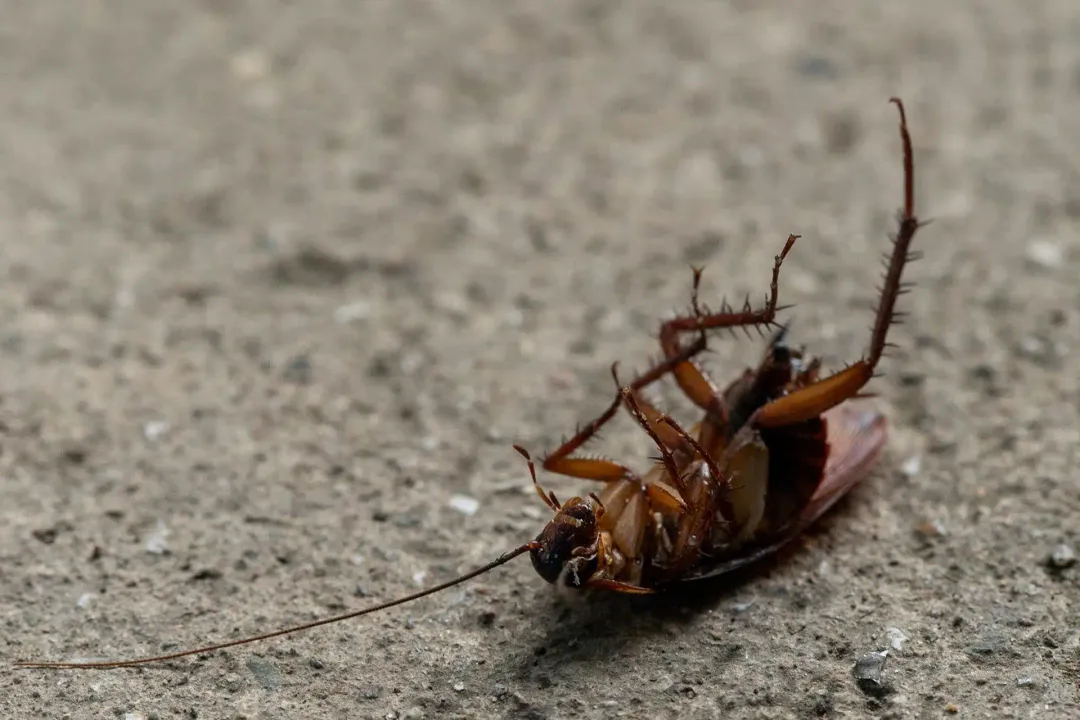
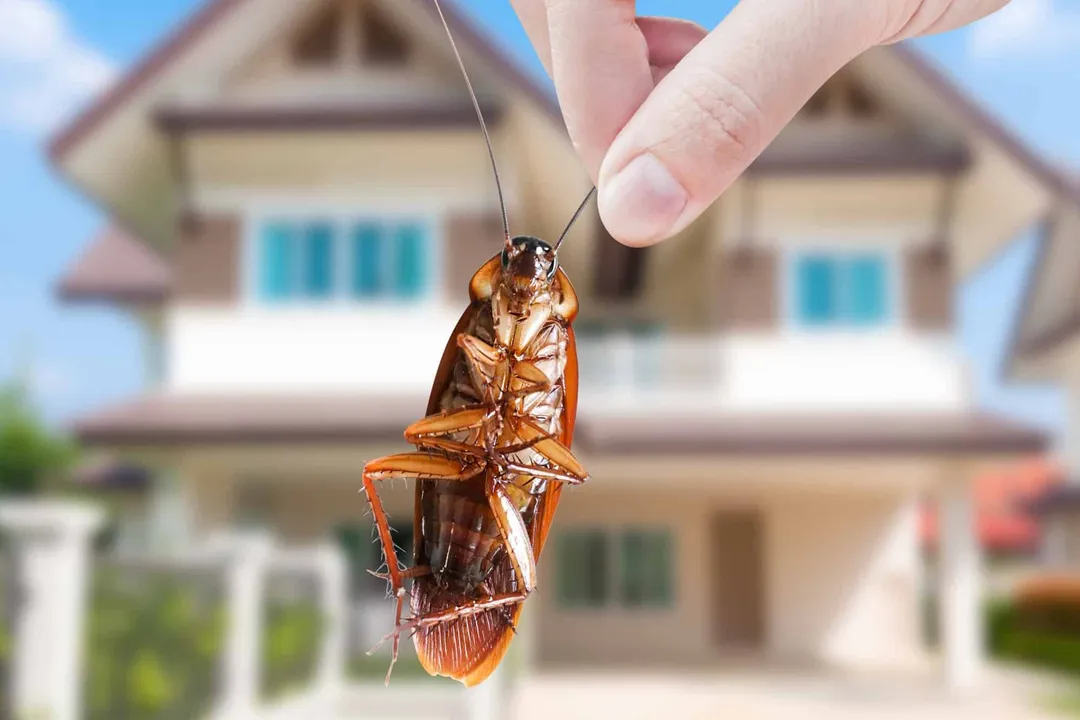
A common observation is that cockroaches are almost always found dead on their backs with their legs curled upward. [6] While this seems distinct, it is a natural result of their physiology when dying, especially when impacted by neurotoxic insecticides. [6] These chemicals interfere with the insect's muscle control, causing spasms and eventually a loss of balance. [6]
Because of their anatomy—specifically their top-heavy, rounded shell and relatively thin legs—once they lose motor control or become dehydrated, they are unable to flip themselves back over. [6] Gravity takes over, and the insect rolls onto its back. In environments where they are not dying from pesticides, dehydration can also lead to this posture. Cockroaches require consistent access to moisture, and when they fail to find it, they become weak and sluggish, eventually failing to maintain their footing. [4][6]
# Environmental stressors
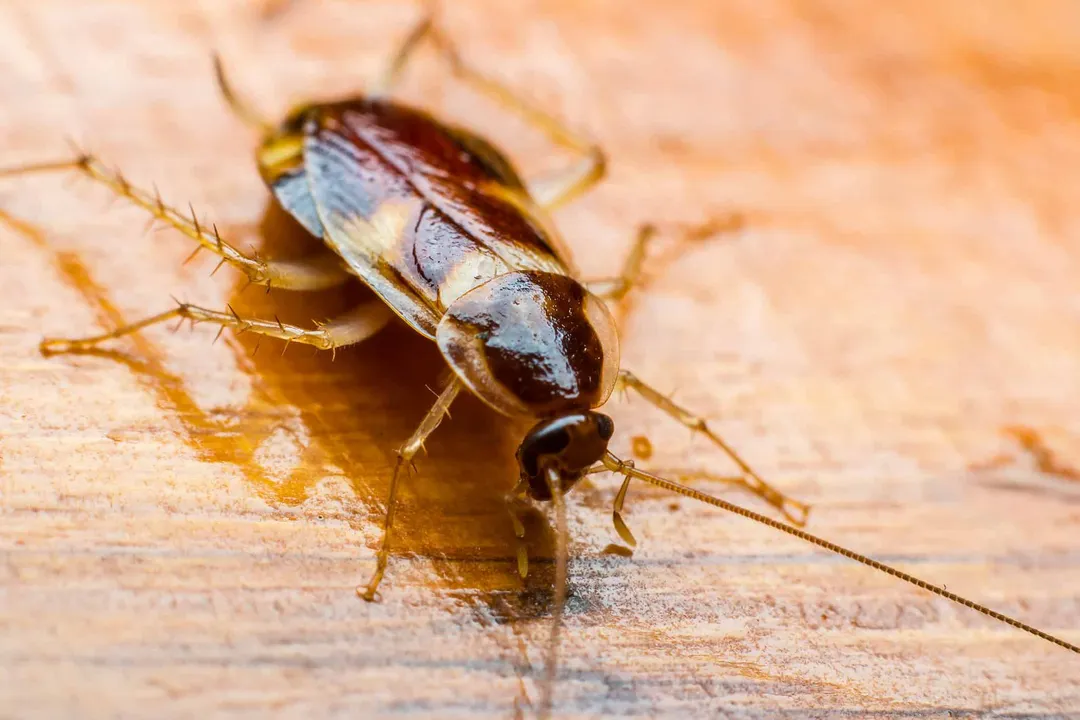
Not every dead roach is the result of chemical warfare. External environmental conditions often play a role in their mortality rate, particularly during seasonal shifts. [4] Cockroaches are highly sensitive to temperature and humidity. If a home environment is significantly drier than their preferred habitat, they may die from desiccation. [4][9]
Furthermore, extreme temperature fluctuations can push them out of their hiding spots. In cases where they are wandering into an area that is too hot or too cold, they may die simply because they cannot survive the ambient conditions. [4] If you live in an apartment or a connected housing structure, these insects might originate from a neighboring unit, wander into your space, and perish because they cannot find sufficient food or water to sustain themselves. [1][9]
# Infestation signs
While a single dead roach might be an isolated incident, frequent sightings require a closer look to rule out an active colony. If you are finding them consistently in the same locations, or if you notice other signs, the situation may require a more aggressive approach. [8] When evaluating whether you have a larger problem, keep an eye out for these indicators:
- Droppings: Look for small, dark specks that resemble black pepper or coffee grounds, often found in drawers or behind appliances. [9]
- Egg cases: These are small, capsule-like shapes known as oothecae that can contain multiple nymphs. [9]
- Musty odors: A significant colony often emits a faint, oily, or musty smell that becomes noticeable in closed spaces like cabinets or pantries. [9]
- Live sightings: Spotting even one live roach during the day, when they are typically nocturnal, is a strong indicator of a significant population that has been forced out of hiding by overcrowding. [10]

# Response strategy
To help you determine the severity of your situation, the following table breaks down common scenarios homeowners face when they find dead cockroaches and what those scenarios generally imply.
| Scenario | Interpretation | Recommended Action |
|---|---|---|
| Occasional, single dead roach | Likely a transient invader or pesticide effect | Inspect entry points and seal gaps. |
| Dead roaches after professional treatment | Treatment is working as intended | Monitor for 2-4 weeks; do not clean up immediately. |
| Dead roaches of varying sizes | Potential presence of an established colony | Use glue boards to identify high-activity areas. |
| Dead roaches near food storage | High risk; immediate contamination concern | Sanitize area; secure all food in airtight containers. |
# Prevention methods
If you have confirmed that you do not have an active infestation, your primary goal is to ensure that your home remains unwelcoming to wandering pests. [8] This involves focusing on the three pillars of pest prevention: exclusion, sanitation, and moisture reduction.
Exclusion requires a physical inspection of your home's exterior and interior. Use caulk or weather stripping to seal gaps around doors, windows, and pipes where utility lines enter the building. [8] Roaches can fit through incredibly tight crevices, often the width of a credit card, so even small cracks need attention. [9]
Sanitation involves removing the resources they seek. While it is impossible to eliminate every crumb, keeping kitchens clean, wiping down counters, and emptying trash regularly prevents them from establishing a food supply. [9] Pay special attention to grease buildup behind the stove, as this is a common attraction. [8]
Finally, moisture control is perhaps the most effective long-term deterrent. [4] Fix leaky faucets, ensure drains are clear, and use dehumidifiers in damp areas like basements or crawl spaces. [8] Without access to water, cockroaches will typically move on to find a more hospitable environment, regardless of how much food is available. [4]
# Monitoring techniques
To gain clarity on whether your home is truly free of an infestation, use passive monitoring tools. Glue traps are invaluable for this purpose. [2] Place them in dark, quiet areas—under sinks, behind the refrigerator, near floor drains, and inside pantry corners. [10]
Check these traps once a week. If the traps remain empty after a few weeks, it is highly probable that the dead roaches you found previously were isolated incidents rather than the sign of a larger, hidden colony. [1] If the traps capture consistent numbers, you have confirmed a problem area and can then concentrate your treatment efforts or contact a professional to address the specific source of the activity. This data-driven approach removes the guesswork and helps you avoid unnecessary chemical usage in areas where no pest activity exists.
Related Questions
#Citations
Dead Roaches Appearing Randomly, No Other Infestation Signs
My house is clean yet I find dead roaches in my house from time to ...
Dead Cockroach in Your House? What It Really Means
Why Do You Keep Finding Dead Cockroaches In Your House?
6 Reasons Why You See Dead Cockroaches in Your House?
Why Do Cockroaches End Up On Their Backs? - Terminix
Are dead roaches in a vacant house normal? - Facebook
Why Do I Keep Finding Dead Roaches in My Garage?
Why You Keep Finding Dead Roaches in Your House - A-Z Animals
What Do Dead Roaches in the House Mean? - AAI Pest Control