Where do you find the boobies?
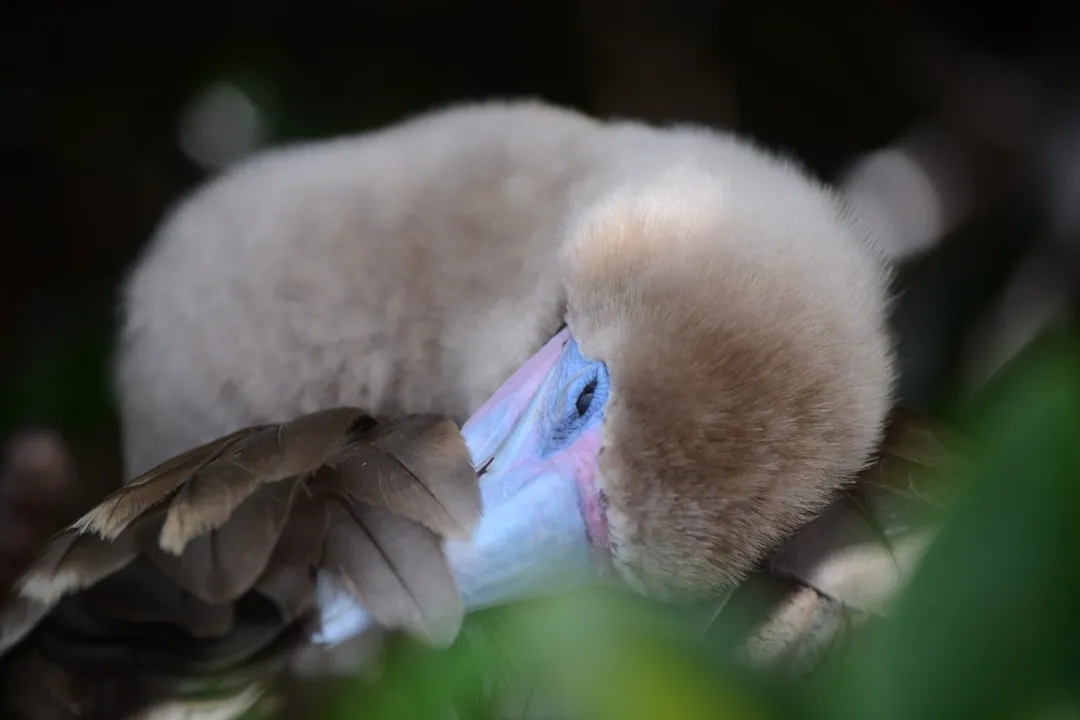
The sight of a large, striking seabird with unusually bright feet often sparks curiosity, leading many to wonder about the specific habitats of these fascinating creatures known as boobies. These birds, belonging to the order Suliformes, are commonly seen along coastlines and over tropical and subtropical seas across the globe. [2][3] While they are widely distributed, pinpointing exactly where you find them depends heavily on which of the several species you are looking for, as their ranges, while overlapping in certain hotspots, are distinct enough to be identified by seasoned birdwatchers. [1][3][6]
# Blue Feet
The Blue-footed Booby (Sula nebouxii) is perhaps the most recognizable of the group, largely due to its spectacular, sky-blue appendages. [1][5] This species generally keeps to the eastern Pacific coast, with its range stretching from the southern United States down toward Peru. [1] However, the sheer concentration and visibility of these birds make the Galapagos Islands their most famous stronghold. [1][5] It is here that their elaborate courtship rituals, which prominently feature the bright feet, are most frequently observed. [5][7] While they breed on various islands along the coast of Mexico, Central America, and Peru, if you are looking for the densest and most reliable viewing opportunities, the Galapagos environment is unmatched for the Sula nebouxii. [1] A visitor hoping to see the famous foot-flashing display should focus their time on the archipelago's well-known visitor sites. [7]
# Brown Seabirds
In contrast to the geographically specific Blue-footed Booby, the Brown Booby (Sula leucogaster) boasts a much wider distribution, inhabiting tropical and subtropical oceans across the world. [3] You can find this species breeding on islands throughout the Caribbean, the Pacific, and the Indian Oceans, as well as along the coastlines of places like Central and South America, Africa, and Australia. [3] Within the Galapagos, the Brown Booby is actually the most frequently encountered species, inhabiting both the sea and the land surrounding it. [3] This broader oceanic presence suggests a greater adaptability to various feeding grounds compared to its bluer-footed cousin, which seems more tied to the productive waters of the eastern Pacific shelf. [1][3]
# Red Extremities
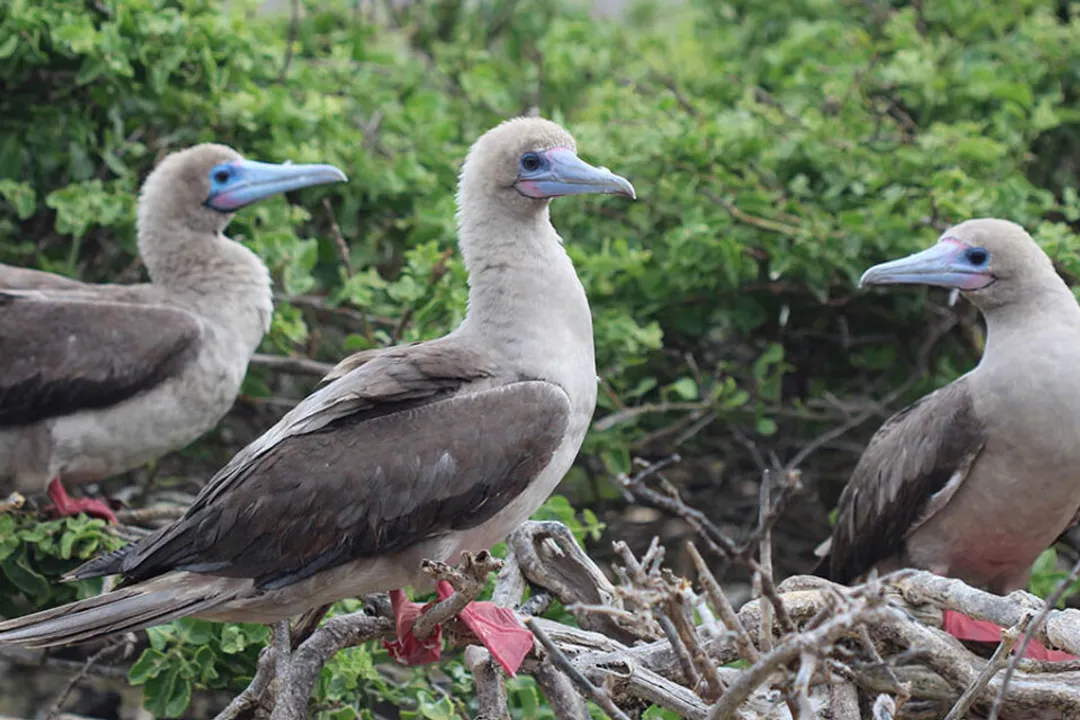
Another striking member of the family is the Red-footed Booby (Sula sula), easily identified by its vivid scarlet legs. [6] Like the Brown Booby, the Red-footed Booby has a global distribution in tropical waters, breeding on oceanic islands within the Pacific, Indian, and Caribbean regions. [6] While all three species can be found in the Galapagos, the Red-footed Booby tends to be the least numerous there. [6] They favor slightly more remote nesting sites within the archipelago, with significant populations noted on the northern islands, such as Genovesa and sometimes San Cristobal. [6] This preference for specific, often less-visited northern islands means that a traveler focused solely on the main, central Galapagos tourist circuits might miss the opportunity to see this species unless their itinerary specifically includes those more remote locations. [6]
# Galapagos Hotspot
The convergence of these three distinct species makes the Galapagos Islands a unique nexus for booby enthusiasts. [2][5][7] A traveler visiting this famous location has the genuine potential to see the Blue-footed, Brown, and Red-footed Boobies all within a short time frame, a rare occurrence elsewhere. [5][6][7] The islands provide safe breeding grounds, crucial for the life cycle of these sea birds. [5] While the Blue-footed birds are often the most charismatic ambassadors of the islands, sharing the coastal areas with the ever-present Brown Boobies, the successful observation of the Red-footed species often requires a slightly more focused expedition toward the archipelago’s northern reaches. [3][6] The unique volcanic geology and protected waters seem to create an ideal, stable environment that supports such a diverse population compared to single-species hotspots elsewhere.

# Beyond the Archipelago
While the Galapagos draw significant attention, it is important to remember that boobies are not exclusively endemic to those islands. [2] The Brown Booby, being the most widespread, can be sighted by cruise passengers or coastal watchers in many parts of the world's warmer oceans, sometimes far from major landmasses. [3] Similarly, the Red-footed Booby maintains breeding colonies across various Pacific and Indian Ocean islands far removed from the South American coast. [6] If your travels take you to the Caribbean, you might encounter Red-footed populations there as well. [6] For those exploring the western coasts of the Americas, the range of the Blue-footed Booby extends northward from Peru, meaning sightings are possible along the coasts of Ecuador, possibly touching parts of Central America, though the density drops off significantly outside the main breeding zones like the Galapagos. [1]
| Species | Key Identification | Primary Global Range Descriptor | Typical Galapagos Presence |
|---|---|---|---|
| Blue-footed | Bright Blue Feet | Eastern Pacific Coast | Very common; iconic species [1][5] |
| Brown | Dark plumage, yellow bill | Tropical/Subtropical Oceans Worldwide | Most common species overall [3] |
| Red-footed | Bright Red Feet | Tropical Oceanic Islands Worldwide | Less common; favors northern islands [6] |
Understanding these subtle differences in habitat preference—from the localized eastern Pacific focus of the Blue-foot to the truly global reach of the Brown Booby—allows for a more informed appreciation of their ecological niches. It highlights how a single family of birds can occupy vastly different environmental segments while still sharing the basic requirement of tropical or subtropical marine environments. [2][3][6] For bird enthusiasts, charting the locations of these three species offers a fascinating, if geographically challenging, mini-quest across the world’s warmer seas.
Related Questions
#Citations
Blue-footed booby
Best Places to See Boobies
Brown Booby
Galapagos islands home to three booby species
Blue-Footed Booby | Iconic Seabird of the Galapagos Island
The 3 Types of Boobies in the Galapagos: Interesting Facts
Facts About The Blue-Footed Booby
Red-footed booby