Why are Dubia roaches illegal?
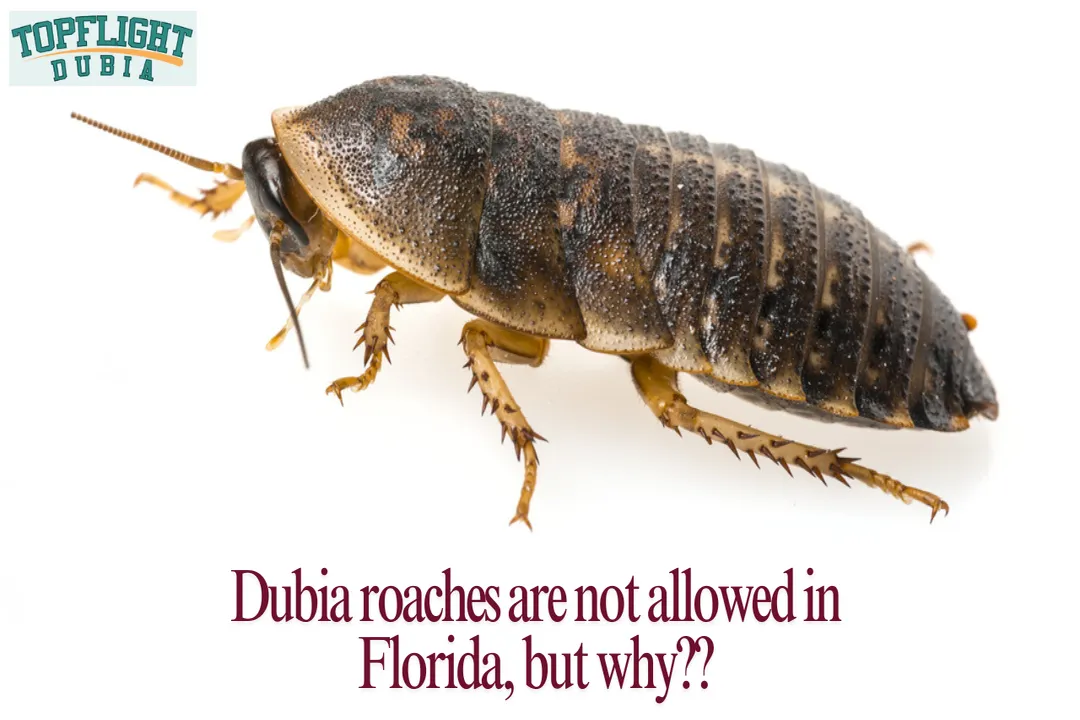
The confusion surrounding the legal status of Dubia roaches (Blaptica dubia) is a common topic among reptile and invertebrate keepers across the United States. Many hobbyists seeking reliable, nutritious feeder insects find themselves hitting a regulatory wall depending on where they live. The core reason these specific roaches are prohibited or restricted in certain areas is not related to human health risks, as is sometimes mistakenly assumed, but rather centers on their designation as a potential invasive species.
The legality of possessing or selling Dubia roaches is largely dictated at the state level, meaning there is no single, universal federal ruling that applies everywhere. For keepers residing in states where they are permitted, these roaches are highly valued for their nutritional profile, slow movement, and ease of care compared to other live feeds. However, if you move or purchase them from an online supplier, the destination state's agricultural or environmental department holds the ultimate authority on whether an import permit is required or if the species is banned outright.
# Invasive Status
The primary justification for prohibiting the importation and possession of Dubia roaches stems from the risk they pose to local ecosystems should they establish a breeding population outside of controlled environments. In the insect world, an invasive species is one introduced to an environment where it has no natural predators and can outcompete native species for resources.
Dubia roaches originate from Central and South America. While they require warm, humid conditions to thrive and cannot survive prolonged exposure to cold weather—a factor that naturally protects many northern US states from widespread infestation—the climate in certain southern states, particularly Florida, mirrors their native habitat closely enough to make establishment a genuine concern. If a large colony were to escape or be intentionally released into the wild in a climate that supports them, they could potentially disrupt local food webs or compete with native insects. This environmental protection measure is often the same standard applied to other non-native pests or exotic species that could cause ecological damage.
It is important to distinguish the concern here from issues like the German cockroach, which is a true household pest known for transmitting pathogens. Dubia roaches are generally not classified as pests in the same manner; the worry is not about sanitation inside a home but about environmental contamination. This underlying ecological fear drives the specific regulations put in place by state agencies.
# Florida Regulations
Florida is perhaps the most frequently cited state where Dubia roaches are illegal to sell or transport. The state takes a proactive stance on preventing the introduction of non-native species that could impact agriculture or the natural environment. Sellers who operate online businesses confirm that they must adhere strictly to these destination state laws, often refusing shipment to Florida entirely, regardless of whether the buyer claims they are only for pet consumption. This blanket refusal is a necessary precaution for businesses to avoid steep regulatory penalties associated with illegal importation.
The regulation in Florida often means that even possessing a small starter colony might technically be against the rules, depending on how the specific statute is written and enforced. For keepers in this region, finding local alternatives is often the only compliant route for sourcing feeder insects. Some hobbyists have noted the frustration that while other invasive species might be present or even common, the targeted regulation of Blaptica dubia remains strictly enforced due to past governmental focus on preventing exotic invertebrate invasions.
# Other States
While Florida garners the most attention regarding this prohibition, other states also maintain restrictions, although they may differ in severity or scope. California and Georgia, for example, are occasionally mentioned in discussions concerning bans or severe import restrictions on Dubia roaches. Understanding the precise rule is critical because, unlike a flat-out ban, some states may only require special permits for commercial importation or larger quantities, whereas others prohibit possession entirely.
For keepers outside of these heavily restricted zones, the purchasing process is generally simpler, though responsible online vendors will still verify shipping addresses to ensure compliance with all destination state laws before processing an order. If you live in a state without a ban, such as New York or Texas (which are often cited as generally legal areas), your primary concern shifts from legal compliance to ensuring the roaches are safely contained, which is a vastly different set of challenges.
# Keeper Responsibilities
When considering keeping Dubia roaches, the first and most crucial step, regardless of perceived general legality, is to verify the current statutes in your specific county and state. Regulations change, and ignorance of the law is rarely a successful defense when dealing with agricultural or environmental departments.
Understanding that the prohibition exists to manage ecological risk should guide how keepers manage their colonies. For those in legal areas, this translates into a heightened commitment to responsible husbandry. A failure to secure a container in a state where they are legal still poses an ecological threat, albeit one that state officials might not have the legal mandate to prosecute as severely as an illegal importation.
A useful internal process for any keeper managing non-native feeders is establishing a multi-layered containment checklist. This goes beyond just a snap-lock lid. It involves checking that the primary enclosure is both escape-proof for nymphs and adults, and secondary containment (like a tub within a tub) is used for transport or transfer. Furthermore, keepers should never release excess roaches or waste material into the natural environment, even if they believe the local climate is too cold for them to survive the winter; one warm spell or a series of favorable years could change that risk calculation.
The commercial aspect is equally regulated. A supplier's decision not to ship to a state like Florida is a direct response to their expertise in navigating these complex interstate agricultural import/export rules. They are essentially acting as a first line of defense for regulatory bodies, choosing to avoid the administrative burden and potential fines associated with non-compliance.

# Nuance in Status
The variations in legality—from outright ban to permit required to fully legal—highlight a fascinating administrative challenge in managing exotic pets and feeders. It is rarely an absolute prohibition against the insect itself for pet use, but rather against its potential for escape and proliferation within that specific geographical boundary.
If you compare the restrictions on Dubia roaches to those placed on certain reptiles or amphibians, you often find a similar logic applied: if the species presents a known, quantifiable threat to local biodiversity based on climate modeling and past invasion data, it gets restricted. This is why checking the specific agricultural or wildlife commission website for your state is more valuable than relying on generalized forum advice, as the specific wording of the administrative code is what ultimately matters for compliance.
For instance, one might find that roaches are legal to keep if purchased locally from a licensed breeder within the state, but illegal to import across state lines without a specific, often difficult-to-obtain, permit. This subtle difference shows that the regulation is often focused on movement rather than mere possession.
This complex regulatory landscape ultimately means that the question "Why are Dubia roaches illegal?" has a simple answer (ecological risk) but a highly localized execution (which state's rules apply to you). For keepers, this complexity mandates diligence: confirm local laws before you buy, and if you are in a restricted zone, commit to finding a locally sourced, legally compliant alternative feeder insect to support your pet's dietary needs.
#Videos
Jail time or fines - Why are Dubia Roaches ILLEGAL in Florida?
Related Questions
#Citations
Dubia Roaches banned in Florida : r/leopardgeckos - Reddit
Dubia Roach Legal Information • Federal Regulation & State Laws
Why are Dubia Roaches illegal in Florida? - The Critter Depot
Are Dubia roaches illegal to sell in America? - Chameleon Forums
Jail time or fines - Why are Dubia Roaches ILLEGAL in Florida?
Dubia Roaches in Florida: The Surprising Reason They're Banned
Are dubia roaches illegal in Florida? - Facebook
Why are they illegal in Florida ? (Medium (11 to 19mm) Dubia ...
Why We NEVER Ship Dubia Roaches to Florida - All About Feeders
Why Are Dubia Roaches Illegal in Florida?