Where did Dubia roaches come from?
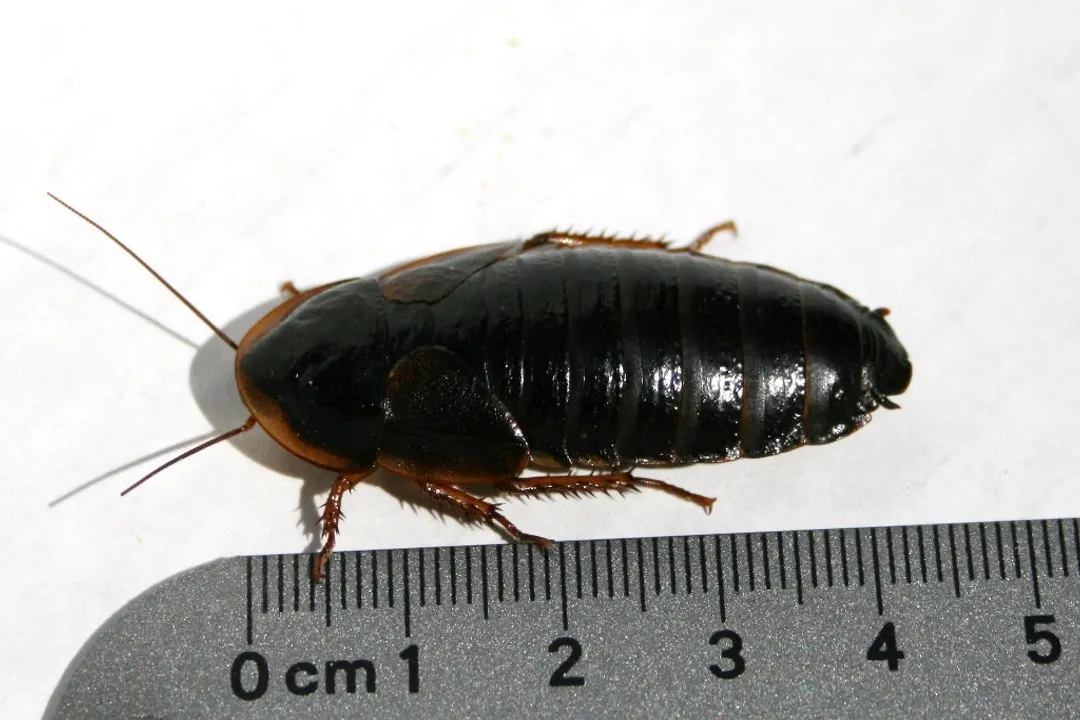
The insect known widely as the Dubia roach, scientifically classified as Blaptica dubia, occupies a unique space in the pet trade, primarily as a high-value feeder insect for reptiles and amphibians. [3][8] Understanding its presence in homes and specialized breeding facilities worldwide naturally leads one to question its point of origin, far from its current domestic setting. [1] This insect is not a native pest found scurrying in basements across North America or Europe; its roots trace back to a very specific tropical region. [6]
# Native Ground
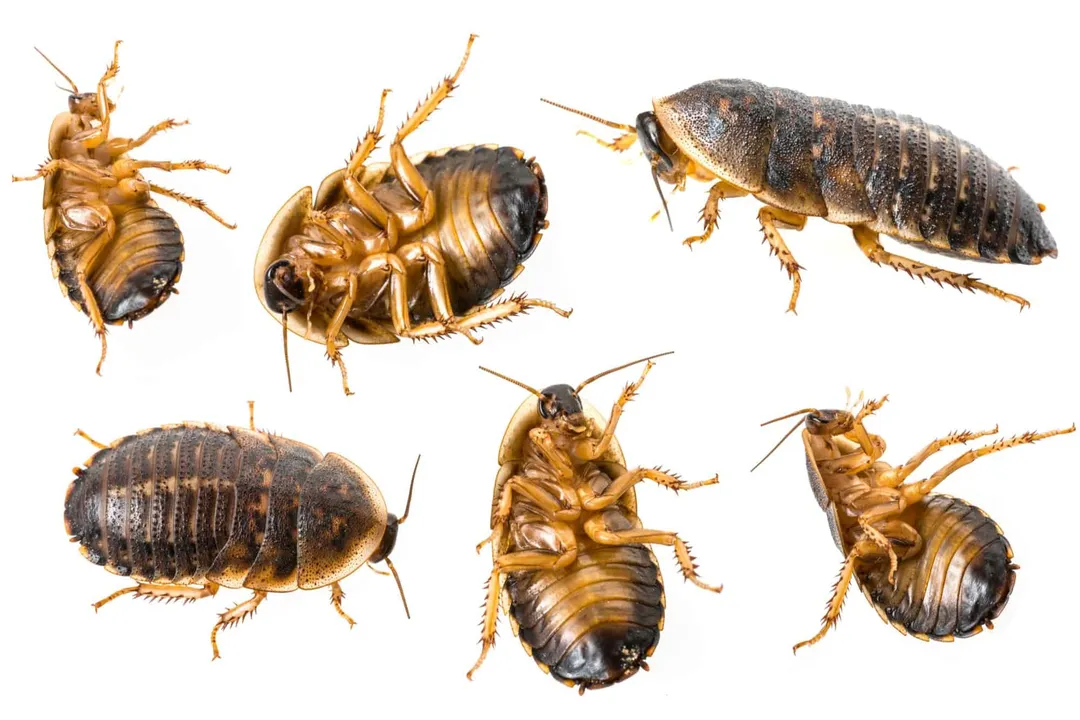
The natural habitat of Blaptica dubia is firmly situated in South America. [1][2] While common knowledge often points toward a general South American origin, specific data pinpoints their presence across several countries in Central and northern South America. [7] They thrive in warm, humid environments characteristic of these regions. [3] This native status is important because it directly informs why certain jurisdictions, such as the state of Florida in the United States, have placed strict bans or regulations on their importation and possession. [6] Such bans are typically enacted to prevent non-native species from establishing wild populations that could potentially compete with native insects or become agricultural pests, a risk assessed based on their established South American range. [6]
# Nomenclature Puzzle

The insect’s common name itself can cause confusion, not just regarding its origin, but its spelling. Many enthusiasts refer to them as Dubia roaches. [2] However, this name is frequently misspelled or misheard, leading people to search for "Dubai roaches," confusing the insect with the city in the United Arab Emirates. [5] The correct spelling, derived from the species name dubia, simply refers to the insect, not the location. [5]
Beyond the common Dubia moniker, this species carries several other names based on regional familiarity or perceived appearance. They are also known as Discoid roaches or Tiger roaches. [2][3] Another common association is the name Cuban cockroach, which suggests a broader geographical distribution throughout the Caribbean or nearby mainland regions than might be strictly accurate based on modern scientific sampling, although it highlights the general tropical affinity of the genus Blaptica. [3][2] Taxonomically, Blaptica dubia belongs to the family Blaberidae, which contains many of the larger, often slower-moving cockroach species, distinguishing them generally from faster, smaller pest species like the German cockroach. [1]
# Pet Trade Introduction
The widespread availability of B. dubia today is almost entirely due to its successful adoption by the reptile and amphibian feeding industry. [8][9] They were recognized relatively recently as an ideal feeder insect compared to alternatives like crickets or mealworms because they are relatively easy to keep and breed in captivity. [3][8] Unlike some pest species, they do not reproduce rapidly or infest homes easily, which is a massive advantage for commercial keepers. [9]
One key factor that separates B. dubia from nuisance pests is their reproductive strategy. While many pest cockroaches lay hundreds of eggs in oothecae (egg cases) that can hatch rapidly into massive numbers, Dubia roaches are ovoviviparous. [9] This means the female retains the eggs internally until they are fully developed, giving live birth to small nymphs. [9] This slower, live-bearing process means that even if a shipment escapes, the immediate population explosion risk is significantly lower than with species that drop numerous egg cases around a home. [9] This comparative reproductive speed is a core reason why breeders favor them; it allows for better inventory control in a captive environment. [3]
# Global Distribution Versus Origin
While the species originates in South America, its current global distribution is defined by human commerce. [7] The species has been deliberately introduced to countless countries worldwide specifically for use in the exotic pet trade. [8] This means that finding a colony in a specialized breeder’s shed in Canada or a pet store in Europe is not evidence of natural spread, but rather evidence of established, controlled captive colonies. [7]
It is interesting to note a distinction between established natural ranges and established captive ranges. While distribution databases confirm their presence in South America, the global presence in the pet trade represents an entirely artificial expansion. [7] For example, while the insect might originate in Brazil or surrounding areas, its presence in the United States is entirely as a captive insect, hence the state-level restrictions. [6]
When considering the environmental factors needed for a colony to survive outside of human care, the tropical requirements of B. dubia become a critical barrier to widespread, unmanaged establishment in temperate zones. The humidity and temperature tolerances required for successful nymph development are much higher than what most average homes or even temperate outdoor environments can naturally provide consistently throughout the year, offering a degree of inherent safety for responsible keepers. [3]
# Regulatory Landscape
The move from a South American native to a global commodity has inevitably led to regulatory action in certain regions, often based on the precautionary principle concerning invasive species. [6] The regulations surrounding Dubia roaches are a direct consequence of acknowledging their non-native status in places like the US. [6]
For instance, in Florida, they are explicitly banned under the classification of Restricted Amphibian & Reptile Food Items. [6] This highlights that regulatory bodies view them not merely as an unusual bug, but as a potential ecological threat if allowed to escape and breed successfully in a suitable climate. [6] This regulatory stance underscores the established scientific consensus on their geographic point of origin: they do not belong in the Florida ecosystem naturally. [6] A keeper moving across state lines or considering ordering online must always verify local ordinances, as the penalties for illegal possession can be significant, stemming directly from the insect's documented foreign origin. [6]
# Comparative Breeding Analysis
When comparing B. dubia to other commonly used feeder insects, such as the common house cricket (Acheta domesticus), their origin story plays into their practical application. Crickets are often difficult to maintain long-term due to their noise, smell, and tendency to escape and die quickly if conditions aren't perfect. [8] Dubia roaches, originating from a more stable, humid environment, are often hardier in captivity once proper conditions are met. [8]
A useful metric for comparing husbandry efficiency, derived from their slow reproductive rate mentioned earlier, is the Time to Market (TTM) for a nymph to reach reproductive maturity. While specific figures vary widely based on temperature and diet, a typical Dubia roach might take 6 to 10 months to mature sexually. [9] In contrast, some highly invasive, fast-breeding pest roaches can reach maturity in a matter of weeks. This slower TTM is why a feeder colony requires more upfront planning but results in a more predictable, less explosive inventory stream—a benefit prized by dedicated breeders who value stability over sheer volume speed. [3][9] This controlled growth pattern, which is an evolutionary trait adapted to their native environment, is what makes them so appealing to the pet supply chain in regions far from their South American home.
Related Questions
#Citations
Blaptica dubia - Wikipedia
Dubia Cockroach Insect Facts - Blaptica dubia - A-Z Animals
The Ultimate Guide to Dubia Roaches - The Bug Shed
Dubia Roaches - Exo-Morphs
It's DUBIA — Not DUBAI | Chameleon Forums
Dubia Roaches in Florida: The Surprising Reason They're Banned
Dubia Roaches - LLLReptile
Blaptica dubia Serville, 1838 - GBIF
Dubia Roach FAQs | DubiaRoaches.com
What is happening with my dubia roach, it is forming an ... - Facebook