Should I be concerned if I find a scorpion in my house?
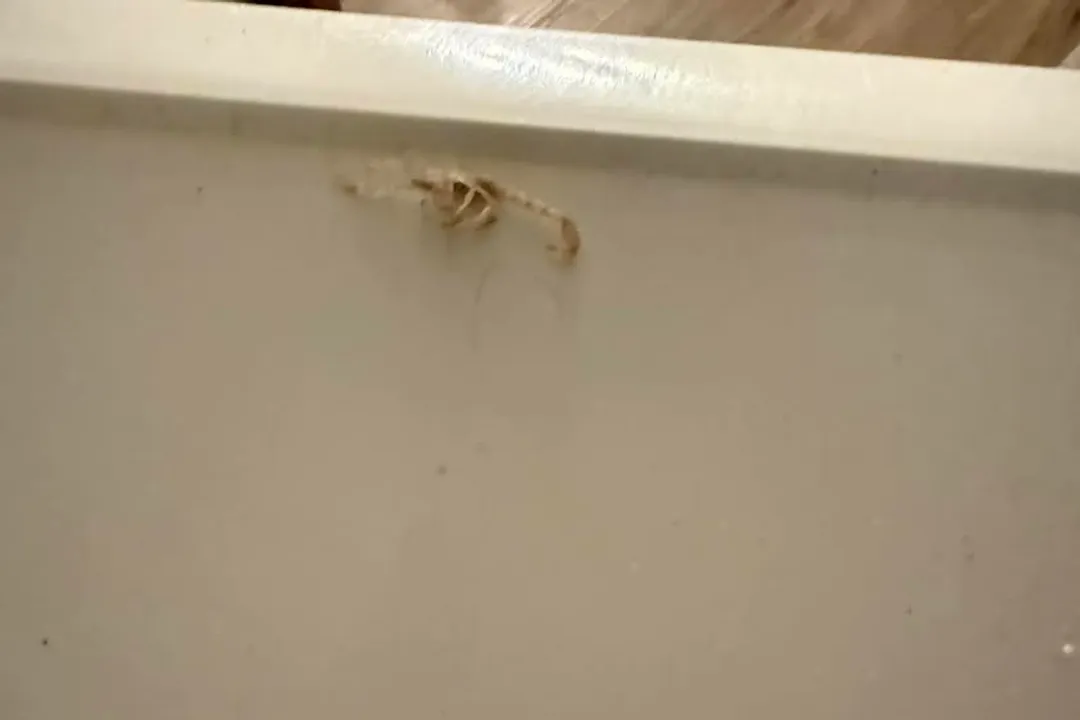
Seeing a scorpion scurry across the floor or finding one lurking in a shoe can trigger a genuine spike in adrenaline. It’s a primal reaction when faced with a creature known for its sting, and naturally leads to the question of whether this single encounter signals a larger, hidden problem within the walls of your home. [1][4][7] In many regions where scorpions thrive—especially arid and semi-arid climates like the Southwest United States—a solitary sighting is often an indication that your home may have become an attractive hiding spot for others. [2][6]
# Immediate Action
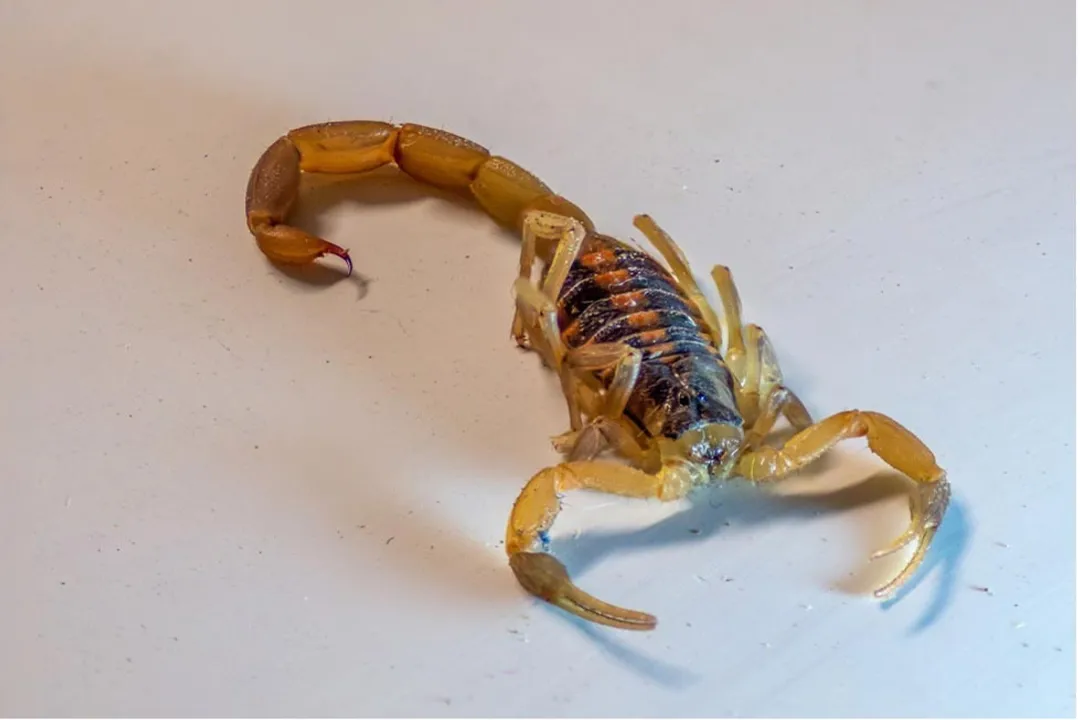
The very first thing to establish when you see a scorpion is a safe distance and a containment plan. [7] You want to confirm its identity and ensure it cannot escape, but you must do so without putting yourself or pets at risk. [1]
# Capture Method
Experts strongly advise against simply crushing the scorpion, especially if you are unsure of its species. [1][4] Crushing can make identification difficult later, and in areas where venomous species are present, it’s better to err on the side of caution for safety. [8] The recommended, non-confrontational approach involves using a clear glass jar or a similar container, along with a stiff piece of paper or cardboard. [1][4][7]
- Carefully place the jar over the scorpion, trapping it against the floor or wall. [4]
- Gently slide the stiff paper underneath the mouth of the jar, sealing the opening. [7]
- Once secured, you can flip the jar over, keeping the lid firmly on, and carry the specimen outside or to a secure disposal area. [1]
This method is especially important if you find a baby scorpion. [3] While the venom of juvenile scorpions is generally not stronger than that of adults of the same species, finding a small one is a significant clue that breeding activity is occurring nearby, suggesting a reproductive habitat within your structure. [3]
# Assessing The Danger
The level of concern should correlate directly with the potential hazard the scorpion poses. While all scorpions use venom, their medical significance varies widely depending on the species present in your geographic area. [8]
# Venomous Concerns
In places like Arizona, for example, the Arizona bark scorpion is a common concern, and its sting can be medically significant, particularly for children, the elderly, or those with compromised immune systems. [6][8] If you suspect the scorpion might be one of the more dangerous varieties, immediate medical attention following any sting is vital. [8] However, many species found inhabiting homes, particularly outside the highly venomous zones, deliver stings that are comparable to a bee sting, causing localized pain, swelling, and itching, but rarely leading to severe systemic reactions. [1][8]
A critical step, if possible, is taking a photo or safely retaining the specimen for identification by a pest control professional or local extension office. Knowing exactly what you are dealing with changes the necessary response strategy significantly. [1]
# Indoor Habitats
Scorpions are often more comfortable outside, usually hiding under rocks, debris, or woodpiles during the day, emerging at night to hunt insects. [9] When they enter a home, they are typically seeking shelter from extreme temperatures or looking for prey, like other insects. [1][9]
# Where They Hide
Understanding where they prefer to rest indoors helps you focus your inspection efforts. Scorpions are generally attracted to cool, dark, and damp locations, though this can shift based on local climate and the time of year. [1] Common indoor hiding spots include:
- Underneath stored boxes or clutter in attics, garages, or basements. [1]
- In closets, particularly near shoes or piles of clothing left on the floor. [3]
- Within plumbing voids or wall voids where moisture may accumulate. [9]
- In laundry piles, especially if clothes have been left undisturbed for a while. [3]
If you are in a particularly hot area, the discovery of a scorpion in an air-conditioned space might indicate that it is using your house as a cool retreat from excessive heat outside. [5] Conversely, in cooler months, they may seek warmth, sometimes entering through foundation cracks. [6]
This tendency to seek out dark, sheltered spaces means that any area of your house that mimics these natural hiding spots—like stacks of firewood brought indoors or seldom-used storage containers—becomes an immediate high-risk zone. [9]
# Signs of Trouble
Finding one scorpion warrants a thorough inspection, but finding several definitive signs suggests you likely have an established population that needs professional remediation. [6] This transition from a nuisance event to a potential infestation is what separates a minor scare from a serious home maintenance issue. [9]
# Infestation Indicators
Pest control experts look for specific clues that suggest scorpions are not just transient visitors but residents. [9]
- Frequent Sightings: If you see more than one scorpion in a short period, or if multiple family members report sightings across different rooms, the likelihood of a breeding population increases dramatically. [2][6]
- Presence of Young: As noted earlier, finding shed skins or very small, recently hatched scorpions is a near-guarantee that the source is within or immediately adjacent to the structure. [3]
- Prey Abundance: Scorpions need food. A high presence of their primary prey—other insects like spiders, crickets, and roaches—provides an ongoing buffet that supports a larger scorpion population. [9] If you have a simultaneous insect problem, you are unintentionally creating a scorpion hotel.
- Glow Under UV Light: Scorpions possess a unique substance in their cuticle that causes them to fluoresce a bright blue-green under a blacklight (UV light). [9] Conducting a nighttime search with a UV lamp in dark areas like basements or crawlspaces can reveal clusters you would otherwise miss. This is a powerful diagnostic tool for surveying the extent of the issue. [9]
If you begin noticing these secondary signs, treating the initial sighting as an isolated incident will likely lead to recurring encounters. Thinking geographically, if you live in an area known for scorpions, the chance that your neighbor has them too is high, increasing the pressure on your own home to be sealed off. [5]
# Exclusion Tactics
Once you've managed the immediate sighting, the long-term solution centers on exclusion and environmental modification. This involves making your home an uninviting target and removing the elements that attract them from the perimeter. [1]
# Sealing Entry Points
Scorpions are small, and many species can squeeze through surprisingly narrow openings. [6] A crucial element of prevention involves meticulous sealing of the exterior envelope of your house.
- Cracks and Gaps: Inspect the foundation, the sill plate where the house meets the ground, and areas where utility lines (pipes, wires, vents) enter the structure. Seal these with high-quality exterior caulk or expanding foam. [1][6]
- Door Sweeps: Ensure all exterior doors have tight-fitting sweeps. Gaps underneath doors are often large enough for a scorpion to pass through easily. [1]
- Window Screens: Repair or replace any damaged window or vent screens, as these are easy highways into the home. [9]
# Perimeter Maintenance
Your yard management strategy directly impacts scorpion pressure on your home. They seek harborage close to the foundation, so clearing this buffer zone is essential. [1]
- Remove Debris: Eliminate piles of wood, bricks, roof tiles, trash, and yard debris from within at least a 20-foot radius around the foundation. [9] Every piece of flat, sheltered material near the house is an potential scorpion condominium.
- Vegetation Control: Keep shrubs and dense ground cover trimmed back away from the foundation walls to increase light and reduce hiding spots near the entry points. [1]
- Moisture Management: Fix any leaky outdoor faucets or irrigation issues that create consistently damp soil next to the foundation, as moisture attracts the insects scorpions feed on. [9]
It can be helpful to think about the exterior in layers: the ground level debris (Layer 1), the vegetation buffer (Layer 2), and the foundation sealing (Layer 3). If any layer is compromised, the risk increases. For instance, leaving a stack of firewood pressed against the siding in a desert climate is like placing a welcome mat out for prey and predator alike. [1]
# Control and Treatment
While sealing entry points addresses how they get in, an ongoing treatment plan addresses the ones already inside or those trying to gain access immediately after sealing. [1]
# Chemical Strategies
Pest control professionals often apply residual insecticides to the exterior perimeter of the home. [6] These treatments create a treated band—often 5 to 10 feet wide—that kills or repels scorpions moving across it toward the structure. [1] For interior treatments, targeted application of dusts or liquid sprays into cracks, crevices, and known harborages can be effective against the existing population. [9]
It is worth noting that the effectiveness of DIY treatments can sometimes be short-lived, especially in extreme heat where scorpions may be more active or attempting to enter more frequently. [5] Professionals have access to more restricted-use pesticides designed for long-term residual control against these specific pests. [6]
If you opt for a professional service, ask specifically about their treatment methods for scorpions—do they focus only on surface sprays, or do they include void treatments, which are critical for eliminating scorpions hiding deep within walls or under patios?. [6]
# Indoor Cleanup
Beyond the sealing and spraying, reducing the overall insect population inside is paramount. If you eliminate the crickets and spiders, the scorpions will either leave or starve. [9] Regular vacuuming with a HEPA filter vacuum, especially along baseboards and in corners, can remove small scorpions, eggs, and the insects they prey upon. [3]
For areas like children's rooms or play areas, taking extra time to inspect shoes before they are worn and shaking out clothing that has been left on the floor is a small, actionable habit that provides a layer of personal protection that no insecticide can guarantee. [3] This daily, low-tech vigilance is the human factor that complements any professional treatment plan.

# When to Call Experts
If you have executed a thorough cleanup, sealed obvious entry points, and are still finding scorpions—especially multiple sightings over a few weeks—it is time to consult a licensed pest control operator. [6][9] A recurring problem suggests the infestation source is likely deep within the structure (like a crawlspace or unsealed utility chase) or that the exterior harborage area is too extensive to manage safely on your own. [6] Professionals can deploy specialized equipment, like moisture meters or infrared cameras, to locate hidden nesting sites that are inaccessible to the average homeowner. [9] While a single scorpion might just be bad luck, persistence strongly suggests a need for expert intervention to restore peace of mind and safety. [2]
#Videos
How to protect your home during scorpion season
Related Questions
#Citations
6 Reasons a Scorpion in Your Home Should Concern You
Found a scorpion in my house, is there more???
5 Steps When You Find a Baby Scorpion in Your House
What should you do if you spot a scorpion in your home?
Scorpion prevention recommendations needed
I found a scorpion in my Arizona home. Are there more?
I Just Saw a Scorpion Crawling Through My House
Scorpions Exterminator - How To Identify & Get Rid Of ...
Common Signs You May Have Scorpions in Your Home
How to protect your home during scorpion season