Where is the best place to find scorpions?
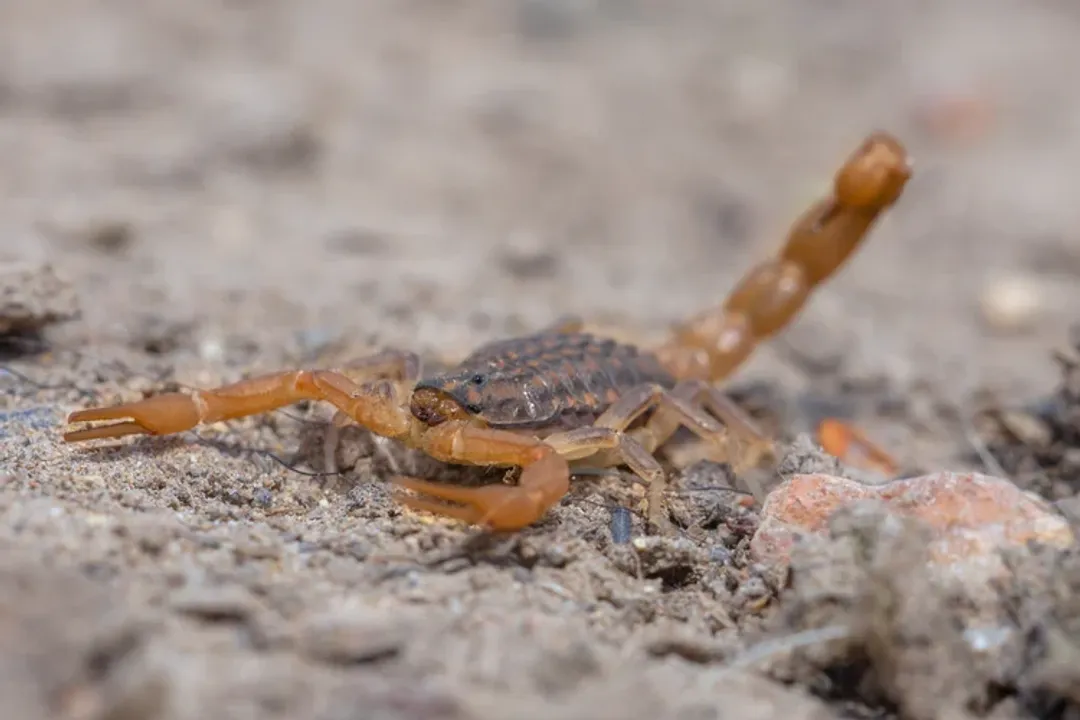
Scorpions, those ancient arachnids equipped with grasping pincers and a distinctive stinging tail, capture the imagination, often inducing a healthy dose of fear. They are far more geographically widespread than many people assume, a testament to their remarkable evolutionary adaptability. [3][7] While the iconic image of a scorpion is often tied to the arid Southwest of the United States, these creatures can truly be found across the planet, thriving in conditions ranging from tropical heat to surprisingly cold climates. [2][3] Understanding where to find them requires looking beyond just the desert floor and considering their immediate needs: darkness, shelter from temperature extremes, and proximity to prey. [2][7]
# Global Range
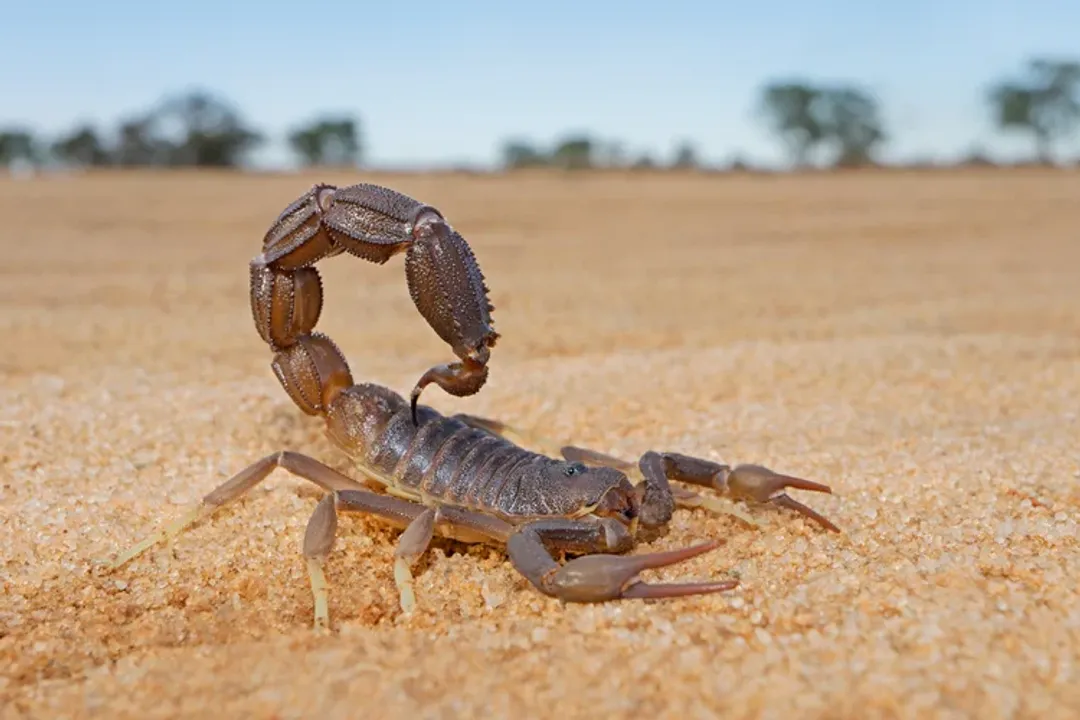
The distribution of scorpions is vast, underscoring their success as survivors. Globally, they occupy every continent with the exception of Antarctica. [2][3] In the United States, scorpions are heavily concentrated in the South and Southwest, areas characterized by desert and high temperatures, such as California, Nevada, New Mexico, Texas, and especially Arizona. [3][7] However, the footprint extends much further; experts note that nearly one-third of all U.S. states harbor some species of scorpion. [3] Confirmed, though perhaps less frequent, sightings have been recorded in places as varied as Washington, Illinois, Kansas, Tennessee, and even North Dakota. [3] This dispersion is often attributed to their ability to "hitchhike" in cargo over long distances, allowing them to establish populations far from their original desert strongholds. [2]
# Natural Shelters
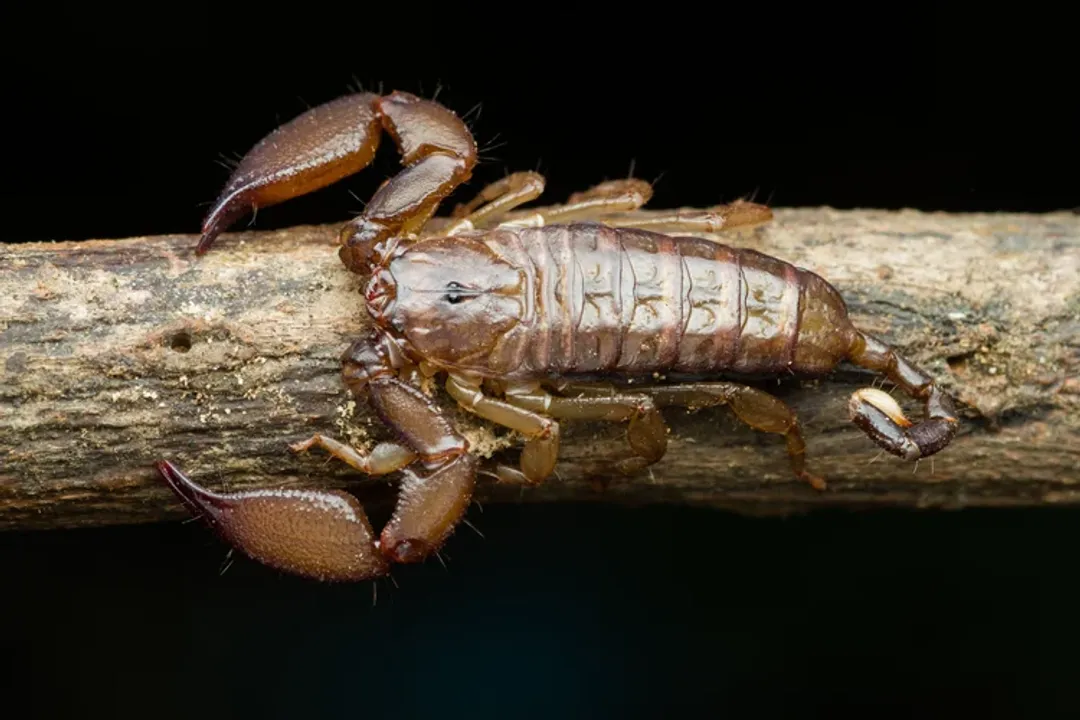
During the daylight hours, scorpions prioritize protection. They are highly sensitive to light, compelling them to seek out deeply shaded environments to rest and wait for nightfall when they become active predators. [2][3] Their preferred natural retreats are generally microhabitats offering stable temperatures and darkness. [2]
In desert settings, this translates to seeking refuge under the ground or surface materials:
- Rocks and Stones: Piles of rocks or large individual stones are prime real estate, as they offer insulation from both daytime heat and nighttime cold. [2][7]
- Wood and Debris: Stacks of firewood, fallen logs, or general yard debris create ideal, dark crevices. [2][4] Interestingly, certain types of mulch, like redwood bark, are actively avoided by some homeowners precisely because scorpions love hiding within them. [4]
- Vegetation: Heavy vegetation and dense ground cover provide excellent, moist shade. [2][7] Some species, like the Striped Bark Scorpion, also inhabit grasslands and forests, seeking shelter in bushes or even nesting in the bark of trees. [2][3]
For those researching specific species, habitat details can vary significantly. For instance, the cold-tolerant Northern Scorpion tends to favor high-elevation areas, often making its home near sandstone formations and rocky cliffs. [3] Conversely, species like the Southern Unstriped Scorpion prefer slightly more humid environments, making leaf piles a common haunt. [3] If you are out looking for scorpions in their natural environment, especially in regions like Arizona, heading out after sunset with a portable light source is the key, as this is when they emerge to hunt. [3][7]
# Home Invasion
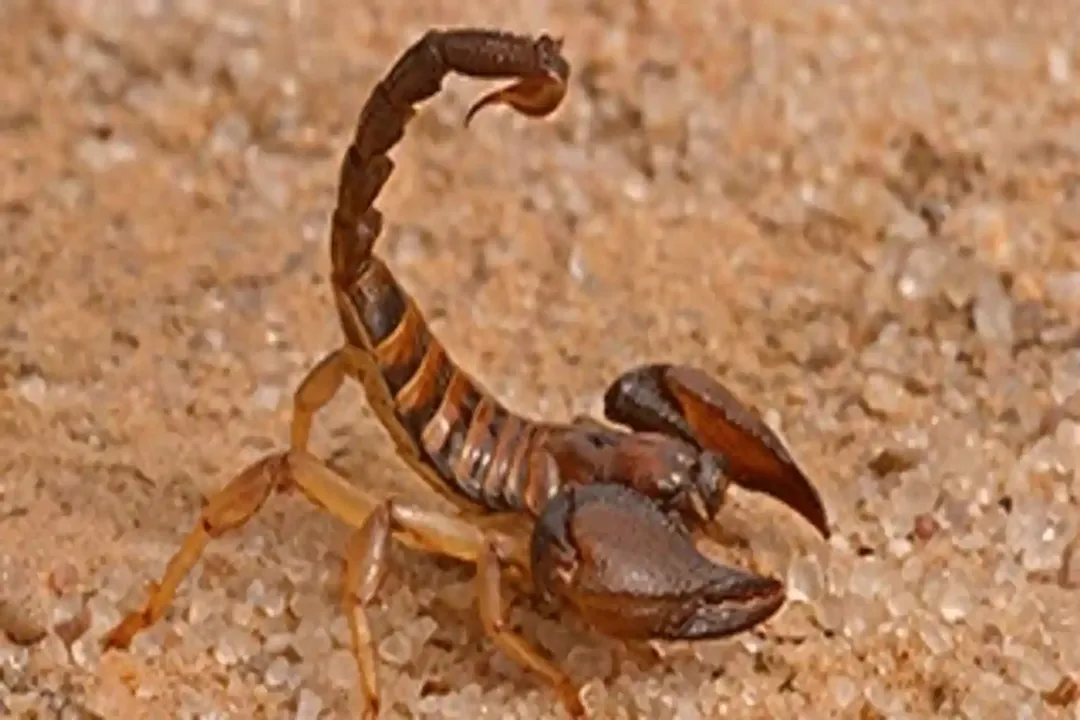
Scorpions do not intentionally seek out human company, but they frequently enter structures seeking the same resources they find outside: shelter from the elements and a readily available food source (insects). [7] Once inside, they can survive for extended periods—sometimes months—without food or water, settling into quiet, dark areas. [4]
For homeowners hoping to avoid surprise encounters, knowing the common indoor entry points and hiding spots is essential. The creatures do not need much space to enter; gaps around utility pipes, cracks in the foundation, and worn weather stripping around doors and windows are all viable access routes. [4]
Once they have successfully breached the perimeter, the absolute best places to find them inside a home are locations that mimic their preferred outdoor darkness and seclusion:
- Shoes and Clothing: Any footwear or clothing items left on the floor, particularly damp towels or outdoor clothes, are magnets for scorpions looking for a dark place to settle in before being disturbed. [3][4]
- Sub-Sink Areas: The spaces under kitchen and bathroom sinks are high-risk zones because they are naturally dark, often slightly damp, and usually hidden from routine cleaning.
- Laundry Spaces: Piles of dirty or damp laundry offer the perfect combination of darkness and moisture retention, making closets and laundry rooms high-probability areas for discovery.
- Unused Storage: Quiet, undisturbed areas such as seldom-used drawers, shelves, or storage boxes provide excellent long-term hiding spots for scorpions that have taken up residence.
- Water Adjacent Areas: Indoors, bathtubs and showers appeal to scorpions for the same reason pools do outside—they are drawn to water and cooler, damp surfaces.
It is worth noting that in developed areas like the Phoenix suburbs, the constructed landscape often mirrors natural scorpion habitats. Block walls, concrete debris, and the foundations of new homes—especially those bordering undeveloped desert land—provide an abundance of artificial rock piles and shaded crevices, explaining why large populations can appear almost overnight in new housing tracts. [1]
# Finding Scorpions
The most reliable technique for locating scorpions, whether outdoors in the yard or indoors during a nighttime survey, relies on a fascinating biological trait: fluorescence. [4][7] Scorpions possess a substance in their exoskeletons that causes them to glow a bright, often eerie, blue-green when exposed to ultraviolet (UV) light. [7]
To conduct an effective search, you must wait until after sunset when scorpions are most active, then systematically sweep a UV or blacklight across the target areas. [4] This method makes detection significantly easier than searching with standard white light. [4] For those interested in the hobby of scorpion hunting, or simply needing to survey their property, this UV light scan is non-negotiable. In parts of Arizona, park rangers sometimes even lead organized "Critters of The Night" hikes, utilizing this exact method to point out local nocturnal wildlife, including scorpions, in parks like White Tank Regional or McDowell Mountain. [1]
As an actionable tip for homeowners dealing with a suspected infestation, a prioritized search sequence can save time and reduce risk. Start by checking the immediate personal hazard areas: always shake out shoes and clothing before putting them on, as these are where scorpions often hide when seeking warmth or shelter indoors. Next, target the known indoor congregation zones: check under sinks and in laundry piles. If the search remains inconclusive, expand to the structure's exterior perimeter, focusing on concrete cracks, block walls, and areas where debris has accumulated, using the blacklight on horizontal surfaces like patios or woodpiles. [4] Remember, seeing one almost always indicates the presence of more, as they tend to hide in localized, favorable spots.
# Research Search
For those looking to find scorpions not just for removal but for study or collection—a niche interest among hobbyists—the focus shifts to areas where specific species are known to congregate, often prioritizing locations where they are abundant but not necessarily the most dangerous ones. [1] While some enthusiasts keep their prime collecting spots secret, general advice points toward block walls at night, or areas adjacent to new housing developments near the edge of the desert. [1] Researchers looking for less common finds might focus on specific ecological niches, such as high-elevation cliffs for Northern Scorpions, or heavily wooded, damp areas for species that prefer humidity. [3] If collecting, utmost caution is necessary; even if a specimen appears dead, some sources warn that the stinging muscles can still fire under certain conditions, necessitating the use of tongs or a dustpan rather than bare hands. [1] The relationship between pincer size and venom potency is a key piece of field knowledge: generally, larger pincers imply a less dangerous stinger, with the exception being the small-framed but highly venomous Arizona Bark Scorpion, which has relatively thin claws. [1] This contrast in morphology dictates a different search and handling approach depending on the expected species in any given location. [1][3]
#Videos
Let me show you 2 ways to find Scorpions around your home
Related Questions
#Citations
Where do Scorpions Live? (Hint: It's Not Just Arizona!)
Exploring Where Scorpions Live in Your Home - Terminix
Where Do Scorpions Nest & How to Find Them?
r/phoenix - Chasing scorpions, where is the best place to go look at ...
Let me show you 2 ways to find Scorpions around your home
How to Identify & Control Scorpions | ScottsMiracle-Gro US
8 Spots Scorpions Love to Hide in Your Home | Fischer's Pest Control