Where can you find an echidna?
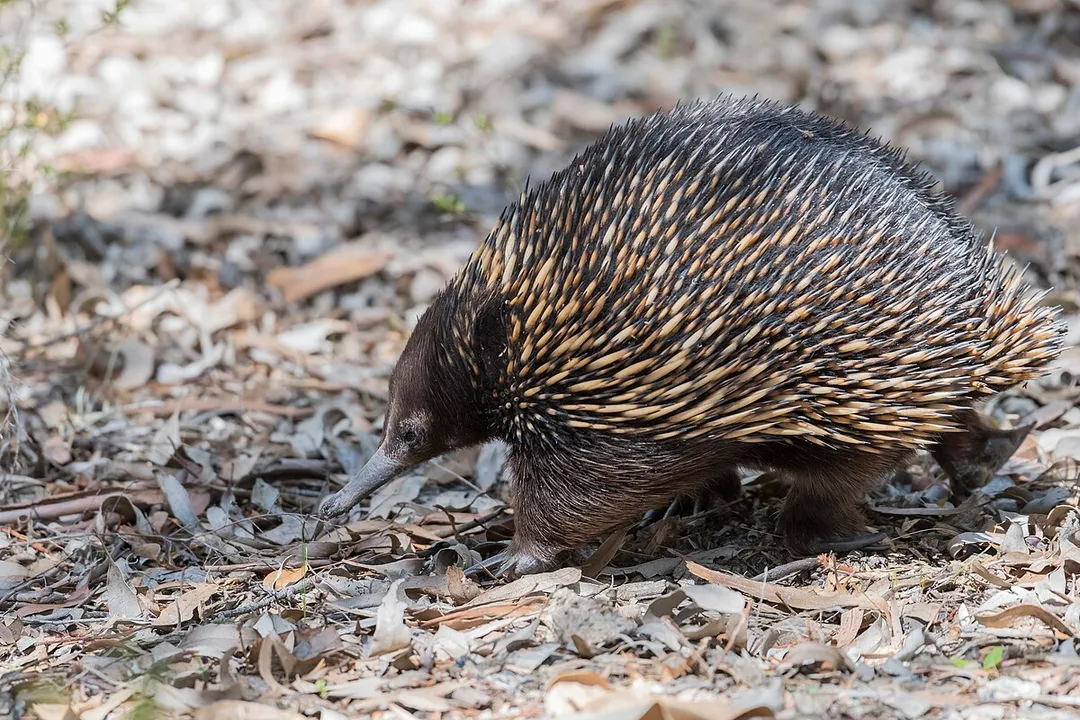
The echidna, one of the world's most peculiar mammals, occupies surprising pockets across the globe, though its primary domain remains anchored to the Australasian region. When asking where you can find one of these fascinating monotremes, the answer splits neatly between the wild and accredited captive environments. [1][5] These spiny creatures are not confined to a single type of landscape; rather, they display an astonishing capacity for adaptation across diverse terrains. [5][10]
# Continents Found
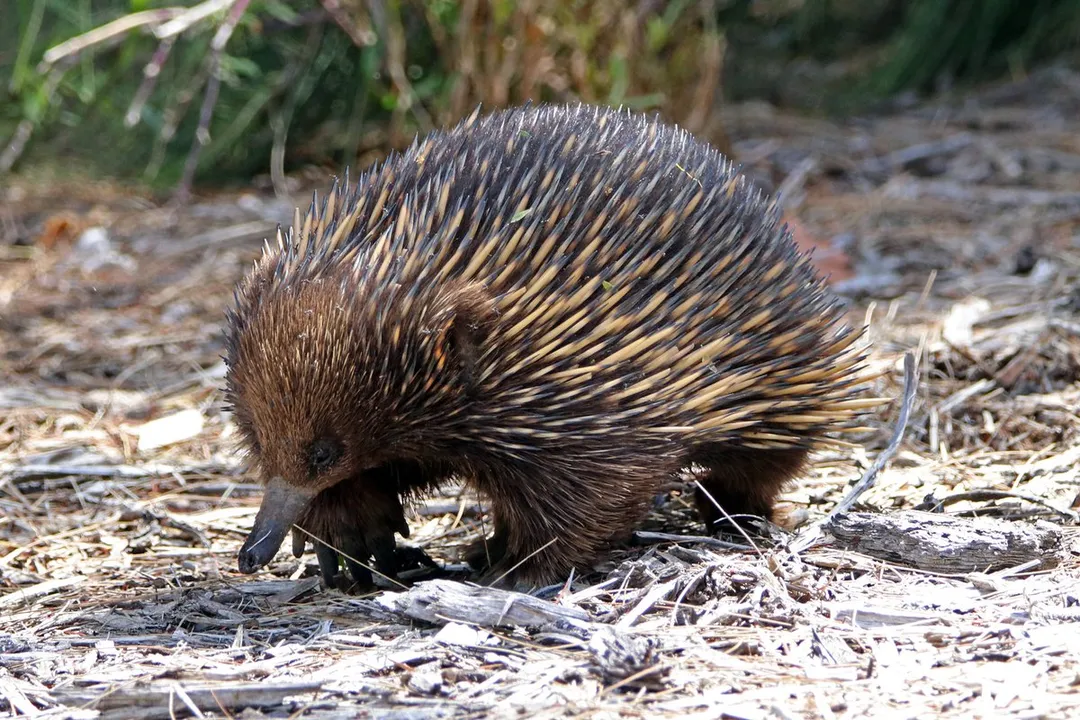
The most widespread species, the short-beaked echidna (Tachyglossus aculeatus), boasts an impressive range covering mainland Australia, Tasmania, and New Guinea. [1][6][10] This single species manages to be one of the most widely distributed mammals on the continent, an achievement made more remarkable by its solitary nature. [6] It is important to note that while the short-beaked variety spreads across these large landmasses, the four species of long-beaked echidnas (Zaglossus) are restricted solely to the rainforests and mountain regions of New Guinea. [1] Therefore, a search for any echidna begins in these two major geographic areas. [2][5]
# Diverse Environments
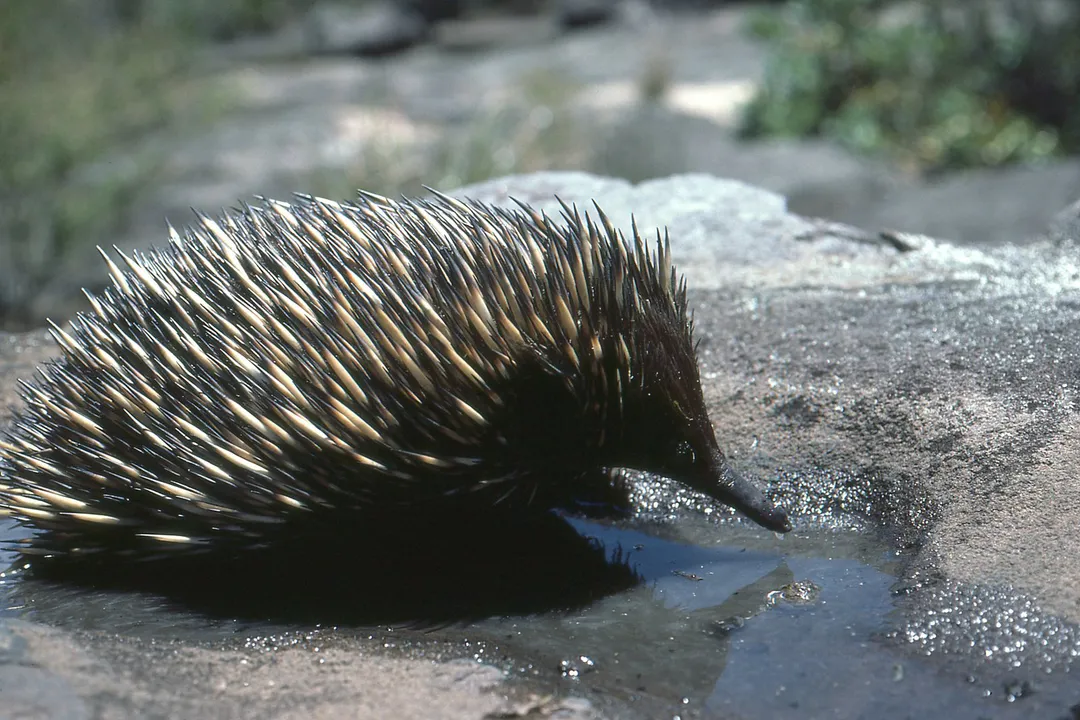
What truly sets the echidna apart from many other specialized mammals is the sheer variety of places it calls home. [5] The short-beaked echidna’s habitat preferences are incredibly broad, allowing it to thrive where other animals might fail. [6] Sources confirm they can be successfully located in environments ranging from alpine areas covered in snow to arid deserts. [1][10] Specifically within Australia, their preferred spots often include grasslands, woodlands, and areas of dense scrub. [2][6] If you are exploring coastal regions, forests, or even high-altitude subalpine zones in Victoria or Tasmania, you might be in prime echidna territory. [8]
An analysis of this range reveals something unique about the species’ survival strategy. To coexist across such extremes—from areas experiencing freezing temperatures to the scorching heat of the interior—suggests a highly efficient physiological makeup, likely involving extremely low resting metabolic rates or superb control over body temperature, allowing them to persist where specialized feeders might starve. [10] This generalist nature is what underpins their continued success across the continent. [6] Even as human development expands, the echidna adapts; reports indicate they are often found near the fringes of urban areas, proving their resilience even near populated centers. [2][5] For instance, someone near Geelong in Victoria might report seeing one in their local area, illustrating this proximity to civilization. [7]
However, this wide distribution isn't entirely without exceptions. For example, it is noted that the short-beaked echidna is absent from Kangaroo Island off the coast of South Australia. [8]
# Habitat Indicators
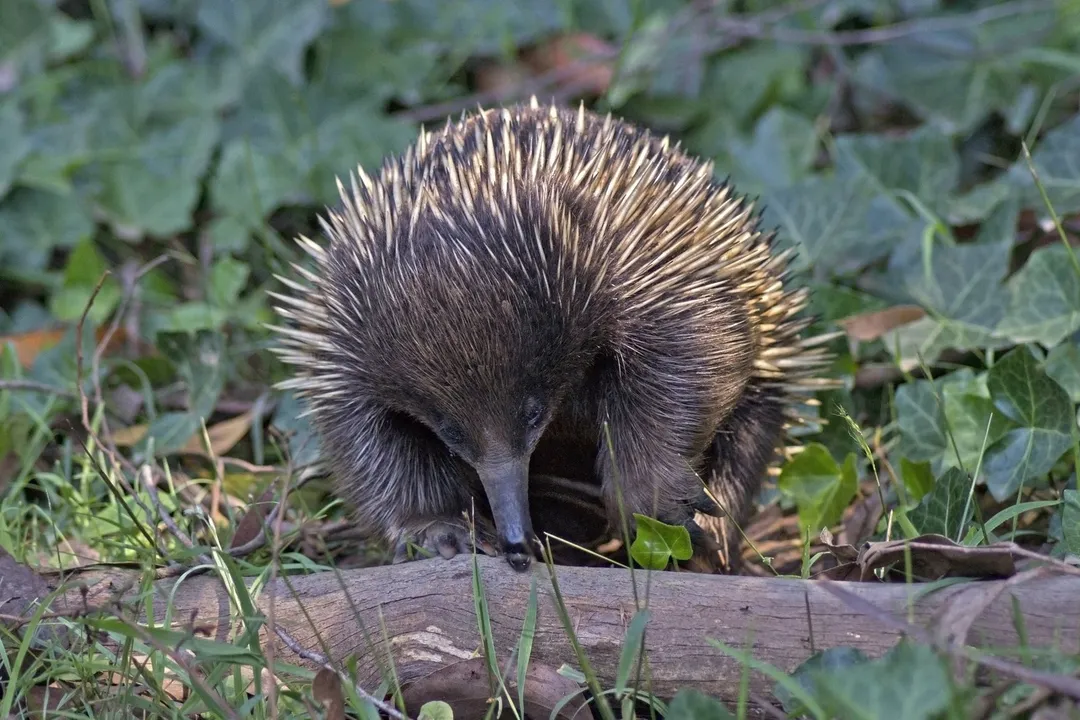
When actively seeking an echidna in the wild, understanding its daily routine can help narrow the search, although they are generally solitary and active at various times depending on conditions. [6] They require areas with sufficient food sources—primarily ants, termites, and other invertebrates—and safe places to shelter. [6]
If you are exploring in Australia and want to try and spot one, remember that they often seek out logs, rock crevices, or dense vegetation for midday rest or to escape extreme weather. [6] An interesting, practical observation for those living near known habitats is that during cooler periods, structures that retain heat or offer immediate cover, such as discarded piles of timber or overgrown, undisturbed garden features, can sometimes attract them for temporary shelter. [6] Finding one depends heavily on patience and knowing the right environmental niche for that specific region, whether it’s a snowy highland or a dry woodland. [8][10]
# Zoo Encounters

For those outside Australia or New Guinea, or for those seeking a guaranteed viewing, several accredited zoological facilities house these unique monotremes. [3][4][9] Seeing one in a controlled setting offers an excellent opportunity to observe their behavior up close, something rarely afforded in the wild. [5]
Locations where you might find echidnas on exhibit include:
- The Los Angeles Zoo: Home to the short-nosed echidna. [3]
- Brookfield Zoo: Also features the short-beaked echidna. [4]
- Busch Gardens Tampa Bay: This location has publicly shared stories about their individual echidnas, such as Sydney. [9]
While the focus of finding an echidna often revolves around its native lands, these specialized facilities provide educational access to this ancient lineage of mammals outside of their natural homes. [1]
# Species Differentiation
It is helpful to distinguish between the primary groups when discussing location, as the search criteria change significantly. [1] The vast majority of encounters people have, whether in Australia or in zoos, will be with the short-beaked echidna (Tachyglossus). [4][6][10] Its wide distribution—from snowy peaks to sandy deserts—is what makes it so well-known. [10] In contrast, finding one of the four long-beaked echidna species requires being specifically in the rugged terrain of New Guinea, where they inhabit the forests and mountains. [1] This distinction is critical because their habitat requirements differ, with the long-beaked species often being more specialized and less frequently sighted overall. [1]
Related Questions
#Citations
Echidna - Wikipedia
Echidna - San Diego Zoo Wildlife Explorers
Short-Nosed Echidna - Los Angeles Zoo and Botanical Gardens
Short-Beaked Echidna - Brookfield Zoo
Echidna | San Diego Zoo Animals & Plants
Short-beaked Echidna | Bush Heritage Australia
Places to see an echidna? : r/Geelong - Reddit
[PDF] Our Wildlife Fact Sheet
Meet Sydney: an Echidna Puggle | Busch Gardens Tampa Bay
Short-beaked Echidna - The Australian Museum