Where can I find leaf-tailed geckos?
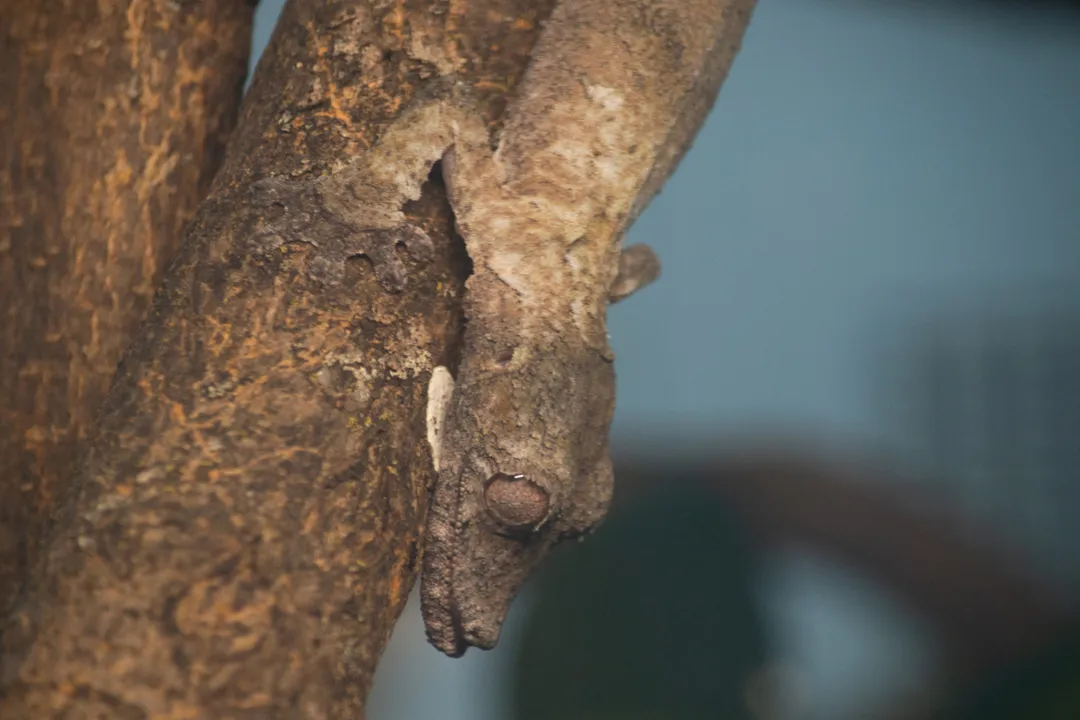
The search for leaf-tailed geckos often begins with their breathtaking camouflage, which makes them masters of disguise in their native environments, leading many enthusiasts to wonder precisely where these creatures can be obtained, whether through reputable breeders, established dealers, or even community swaps. These lizards, belonging to the genus Uroplatus, are distinct for their incredible adaptations, such as dermal flaps, leaf-like tails, and incredible color variation, features that drive high demand within the exotic pet trade. [8][9] Locating them requires looking in two main spheres: their natural habitat, which dictates the species available, and the captive trade network that brings them to enthusiasts worldwide. [8]
# Native Zones
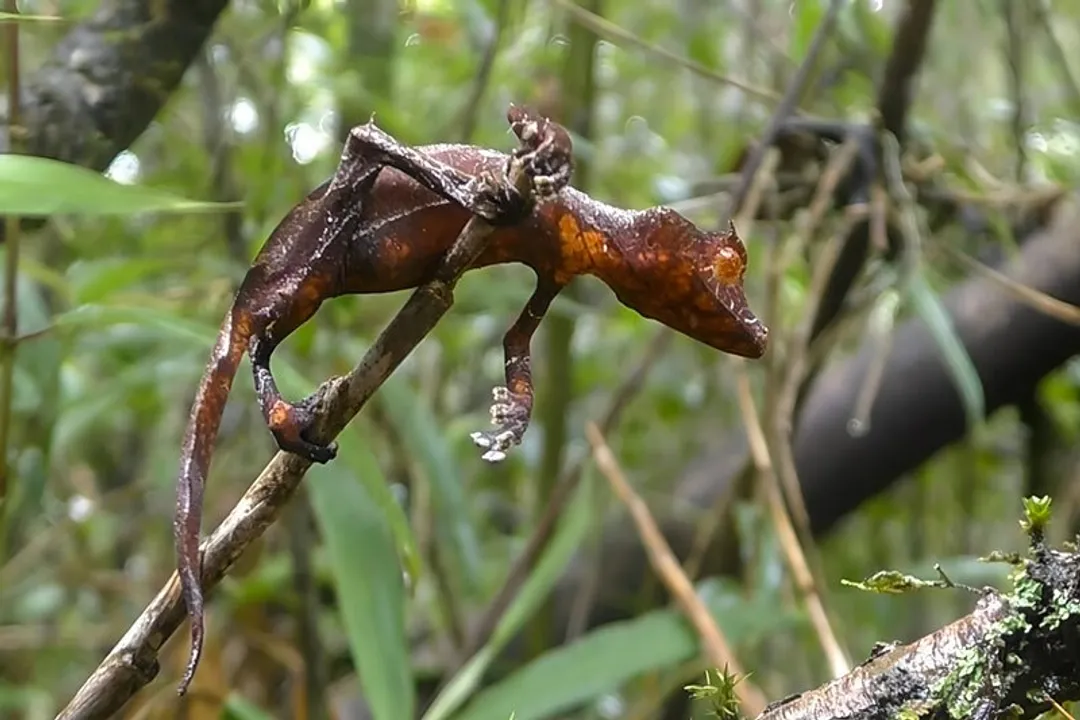
The natural distribution of leaf-tailed geckos is remarkably concentrated, which is a key factor influencing their availability outside of their home range. Generally, the species within the Uroplatus genus are endemic to the island of Madagascar. [8] This geographic isolation is what has driven their extreme evolutionary specialization in crypsis. [9] For instance, the Phantastic Leaf-Tailed Gecko (Uroplatus phantasticus) is specifically known from the rainforests of Madagascar, where its morphology mimics dead or decaying foliage remarkably well. [9] Similarly, the Henkel's Leaf-Tailed Gecko (Uroplatus henkeli) is also native to Madagascar, inhabiting areas such as the dry deciduous forests and rainforests of the island. [7]
When an enthusiast is looking for a wild-caught specimen, the locality data derived from these natural ranges—Madagascar—is paramount, though the legality and ethics of sourcing directly from the wild are heavily regulated for most of these species due to conservation status. [7][8] Knowing the specific microhabitat, such as the difference between the dry deciduous habitat of U. henkeli and the wetter rainforest environments favored by others, speaks to the specialized care they will require once acquired. [7]
# Commercial Sources

The current market for leaf-tailed geckos relies almost entirely on captive-bred individuals, which are found across various specialized and general reptile vendors online. Reputable online marketplaces dedicated to herpetoculture are primary destinations. Platforms like MorphMarket serve as hubs where numerous breeders list available geckos, often allowing users to filter by specific Uroplatus species. [1] This type of platform tends to host smaller, specialized breeders who focus on specific color morphs or bloodlines, offering high transparency regarding the animal's origins if the breeder is established. [1]
In contrast to the marketplace model, dedicated reptile retailers maintain inventory and sell directly to the customer. Several well-known vendors stock these geckos, grouping them sometimes under general categories like "Other Geckos" or having dedicated sections. [2][3][6] Backwater Reptiles, for example, lists leaf-tailed geckos for sale, indicating their availability through established, high-volume dealers. [2] Similarly, Underground Reptiles includes them in their selection of "Other Geckos," suggesting these are consistently available inventory items rather than rare, intermittent listings. [3] Imperial Reptiles also maintains a collection of "Other Gecko for Sale" that often features Uroplatus species. [6] Another specialized dealer, Nealon Reptiles, focuses on providing these sought-after geckos, often implying a higher level of expertise in their husbandry and sourcing. [4]
It is interesting to observe the difference in the purchasing experience between a dedicated marketplace like MorphMarket and a retail site like Backwater Reptiles or Underground Reptiles. The marketplace often presents many small breeders simultaneously, sometimes resulting in better pricing due to direct competition, whereas the large retailer offers the perceived security of a single, established company handling the transaction, though prices might reflect that overhead. [1][2][3] For a buyer seeking, say, a Uroplatus phantasticus, the choice comes down to whether they prioritize the lowest price from a smaller breeder or the assurance of a large retailer’s guarantee. [9]
# Community Groups

Beyond traditional vendor sites, reptile enthusiasts often connect directly through social media platforms. Large, active communities on sites like Facebook—such as the specific group referenced—serve as informal trading posts and information exchanges. [5] These groups often feature both private sales between hobbyists and announcements from smaller breeders testing the market.
Finding a gecko here can sometimes yield a better deal or a connection with someone who has personal experience breeding the exact line of gecko you are interested in. [5] However, participation in these community groups requires greater due diligence from the buyer regarding seller reputation, shipping methods, and payment security compared to using established e-commerce platforms. [5]
# Species Availability Context

The specific species you are seeking directly impacts where you are most likely to find them. While the genus Uroplatus contains many species, only a select few are commonly found in the pet trade due to successful captive breeding programs. [7][8]
For example, resources like the Smithsonian National Zoo feature the Phantastic Leaf-Tailed Gecko (U. phantasticus), [9] and the Utica Zoo profile highlights the Henkel's Leaf-Tailed Gecko (U. henkeli). [7] The fact that established zoological institutions maintain breeding programs for these specific species is a strong indicator that they are among the more consistently available geckos within the commercial sphere. When a species is represented in accredited zoo collections, it usually means the husbandry requirements are well-understood, and a stable captive population exists, making them easier to locate from breeders listed on the various commercial sites. [7][9] If you were looking for a less commonly displayed species, your search might need to be narrowed down to the most specialized breeders on forums or dedicated marketplace listings. [1]
A practical checklist for determining if a gecko listing is likely legitimate involves cross-referencing the listed species against known captive breeding success. If a seller claims to have a species well-represented in zoo conservation efforts, there is a higher probability that the animal is captive-bred and not a recent, potentially illegal, wild import, which is always a preferred outcome for ethical collection. [7][9]

# Navigating the Search
When starting your search across these various sources, understanding the typical presentation of available geckos can streamline the process. Many listings will specify the species name, for example, Uroplatus phantasticus or Uroplatus henkeli. [7][9] You may also see common names used interchangeably. [2][4]
Here is a comparison of typical locations for acquisition:
| Source Type | Primary Advantage | Typical User Base | Potential Caveat |
|---|---|---|---|
| Dedicated Marketplace [1] | Highest variety of individual breeders | Hobbyists, Specialists | Varies widely in seller reputation |
| Large Retailer Sites [2][3][6] | Established business presence, guarantees | General reptile keepers | Potentially higher base pricing |
| Social Media Groups [5] | Direct connection to sellers, community knowledge | Dedicated enthusiasts | Requires high personal scrutiny of transaction |
A useful tactic when evaluating online listings is to check the seller's history on marketplace platforms. A seller who has been active on a platform like MorphMarket for several years, with positive feedback scores, typically suggests a degree of expertise and reliability worth trusting over a brand-new listing from an unknown source. [1] Furthermore, paying close attention to the provided locality data—even if it's just "captive-bred"—paired with the species information from zoo sites helps build a picture of what a healthy, well-documented animal should look like when it arrives. [7][9] Ultimately, finding the right leaf-tailed gecko involves assessing not just where they are listed, but the reputation and specialization of the entity doing the listing.
Related Questions
#Citations
100+ Leaf-Tailed Geckos For Sale
Mossy Leaf Tailed Gecko for Sale
Other Geckos For Sale
Leaf-Tailed Geckos | Breeding Uroplatus ...
Uroplatus/ Leaf-tail geckos owners and breeders
Geckos For Sale
Henkel's Leaf-Tailed Gecko
Madagascar Leaf-tailed Geckos (Genus Uroplatus)
Phantastic leaf-tailed gecko