Whooping Crane Locations
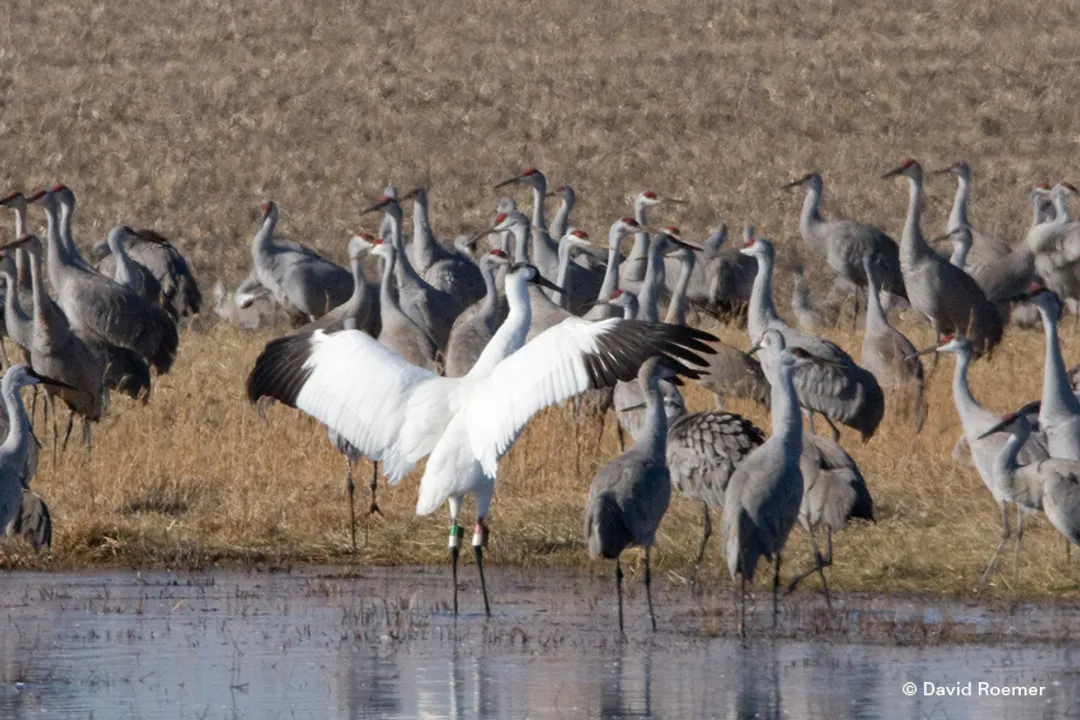
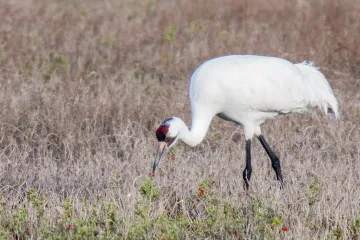
The reappearance of the Whooping Crane (Grus americana) across North America is one of conservation’s most compelling success stories, yet tracking this magnificent bird requires knowledge of specific, widely separated habitats. These cranes, the tallest birds in North America, are recognized by their striking white plumage, black wingtips visible in flight, and a distinctive red patch on their heads. Because of their reliance on precise wetland conditions for breeding, migration stopovers, and wintering, their current locations reveal critical geographies in their recovery narrative. While historically they spanned much of the continent, today their presence is concentrated along several defined migratory corridors and in discrete non-migratory flocks. Understanding where to find them means understanding the concept of distinct population segments, as their movements are not uniform across the species.
# Main Migration
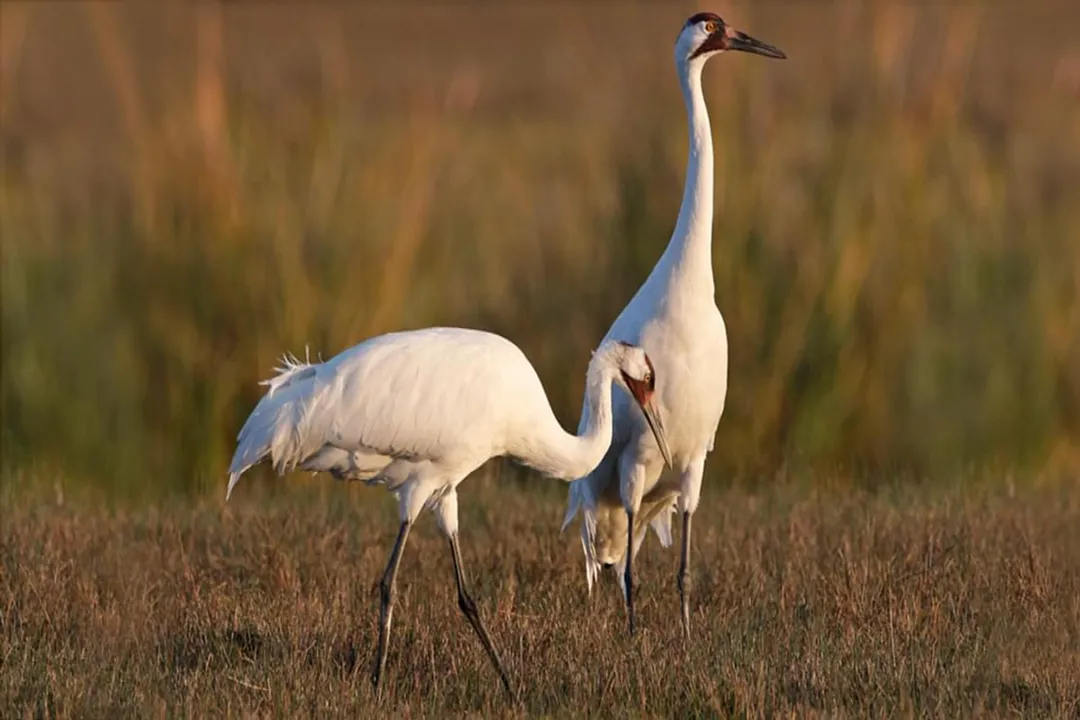
The most recognized group is the Aransas-Wood Buffalo Population (AWBP), often referred to as the migratory flock. This population undertakes one of the longest annual migrations of any bird in North America, traveling thousands of miles between their nesting grounds and their sole wintering area.
# Northern Grounds
The breeding sites for the AWBP are primarily concentrated in the remote wetlands of Wood Buffalo National Park in northeastern British Columbia and the Northwest Territories of Canada. This protected area offers the vast, isolated, and shallow wetland environments the cranes require for successful nesting and raising young during the warmer months. Access to this breeding habitat is extremely limited, making direct observation during the summer months nearly impossible for the general public, but their presence there is vital for the continuation of this wild, self-sustaining population.
# The Route South
Following the breeding season, usually starting around late September or October, the cranes begin their southbound journey. The migration route itself is a narrow corridor, forcing the birds to rely on specific stopover sites to rest and refuel along the way. This corridor stretches roughly from Wood Buffalo National Park down through the central United States towards the Texas coast.
Knowing the general route helps environmental managers protect crucial staging areas. For instance, observers in states like Montana, Wyoming, Colorado, South Dakota, and Nebraska may catch glimpses of them passing through high plains marshes or agricultural fields that temporarily provide suitable foraging habitat during their multi-week transit. It is fascinating to consider that a single individual might navigate the same series of waterways and fields their ancestors used for millennia, adapting to modern land use as they go.
# Winter Home
The single destination for the entire AWBP flock each winter is the Aransas National Wildlife Refuge (NWR) on the Texas Gulf Coast, particularly around the tidal flats of San Antonio Bay and Hynes Bay. This location has been their reliable winter haven for decades, offering the specialized saline and brackish water estuaries necessary for survival during the colder months. The health of the Ruppia maritima seagrass beds, which serves as a primary food source, directly influences the winter survival rate of the flock. This concentration at one site, while historically a successful strategy, also represents a single point of catastrophic risk; any major environmental disaster or disease outbreak impacting the Aransas area could severely impact the entire migratory population. As of recent counts, the AWBP population generally hovers in the low hundreds, underscoring the vulnerability of relying on this single coastal zone.
# Reintroduced Flocks
Beyond the massive migratory group, significant conservation efforts have focused on establishing non-migratory or shorter-distance migratory populations elsewhere, mainly in the eastern United States, to provide demographic security. These groups represent crucial management units distinct from the AWBP.
# Florida’s Residents
One of the more established non-migratory populations resides in Florida, largely managed by the Florida Fish and Wildlife Conservation Commission (FWC). These birds utilize various wetlands throughout the state, often centered around the Chassahowitzka Wildlife Management Area (WMA), where they were initially released. Unlike their migratory cousins, the Florida cranes do not travel north to Canada; they remain within pen facilities or managed wild areas within Florida year-round. Observing these cranes often involves locating known release sites or following research updates from FWC biologists tracking banded individuals. This approach creates a genetically distinct, resident population, providing a buffer against events affecting the main migratory route.
# Louisiana Projects
Louisiana has also been a focus for reintroduction efforts, particularly with the goal of establishing a flock that might utilize coastal marshes similar to those in Texas, but without the long northern migration. The Louisiana Wildlife and Fisheries (WLF) agency is involved in these conservation projects. Cranes released in Louisiana often utilize coastal prairies and marsh systems, potentially developing shorter migratory patterns or becoming entirely resident, depending on local winter severity and management goals. It's important for the public to understand that if they spot a Whooping Crane in Louisiana, it is likely part of this managed, reintroduced group rather than a stray from the main Canadian-to-Texas line.
# Eastern Initiatives
Further north, in areas like Kentucky, reintroduction programs have aimed to connect breeding grounds in the north with suitable southern staging or wintering areas, often utilizing a different migratory path than the traditional AWBP. These birds may fly to areas in the southeastern US, sometimes wintering in coastal Alabama or even back toward the Florida region, though the precise wintering locations for these newer flocks can shift based on environmental factors and management support. The success of these non-migratory or short-distance migratory groups is often measured by their ability to successfully breed and survive independently of intensive human intervention over several years.
# Georgia Sightings
While not a primary breeding or wintering ground for the major established flocks, Georgia occasionally registers sightings of Whooping Cranes, which are almost certainly related to the eastern reintroduction efforts or represent transient individuals. These sightings are noteworthy because they indicate that the species' potential historical range or the current experimental dispersal zones are broader than just the core AWBP route. Any confirmed observation in Georgia requires immediate reporting to state wildlife officials, as it could represent a rare sighting of a migratory individual or the successful establishment of a new, peripheral satellite flock.
When comparing the established migratory AWBP to these newer eastern flocks, one realizes the geographic diversity of their management. The AWBP hinges on two precise locations—a vast northern wilderness and a specific Texas bay—while the eastern flocks are distributed across a series of established release sites in the Midwest and South, designed to use smaller, more dispersed wintering habitats across multiple states.
# Range Context
Historically, the Whooping Crane’s range was significantly broader than what is currently occupied by conservation flocks. Before European settlement, they bred across the northern Great Plains and parts of the upper Midwest, wintering along the Gulf Coast of the United States, reaching as far east as Florida and as far south as central Mexico. The primary driver for their decline was heavy hunting pressure combined with habitat loss, particularly the draining of prairies and wetlands. The modern-day Aransas wintering ground, for example, was essential because it provided the specific estuarine conditions that remained intact long enough for the population to be saved from extinction.
Examining old range maps against current locations reveals an astonishing contraction. For instance, the historical breeding range covered areas of what is now North Dakota and Minnesota, regions far removed from the current Wood Buffalo breeding site. The nearly 100-year reliance on the Aransas area by the AWBP highlights how few truly suitable coastal wintering sites remain along the entire Gulf Coast for a species requiring such specialized conditions.
# Locating and Viewing
For birders and wildlife enthusiasts looking to see Whooping Cranes, knowing which flock is present in an area is essential for accurate reporting and ethical viewing.
- Texas Coast (Winter): This is the most reliable spot for seeing the migratory birds between November and March. The Aransas National Wildlife Refuge is the primary location, though binoculars or spotting scopes are necessary, as they can be quite distant from viewing platforms.
- Wood Buffalo National Park (Summer): Observation is essentially impossible due to remoteness and the sheer size of the park; this is strictly a management zone.
- Eastern States (Year-Round/Migration): Check state wildlife agency websites (like FWC in Florida or WLF in Louisiana) for the general location of reintroduced, non-migratory flocks. If traveling through the central U.S. states in spring or fall, maintain vigilance in large wetland complexes, as you might witness a rare transient from the AWBP.
It is paramount to remember that all Whooping Cranes are federally protected under the Endangered Species Act, and viewing them requires great caution.
A helpful way to gauge population health when monitoring locations is to observe the ratio of juveniles to adults in the migratory flock upon their arrival in Texas. A healthy influx of young birds in the fall signals a successful breeding season up north, a figure biologists track closely to ensure the remote Wood Buffalo nesting grounds are producing enough new recruits to offset any losses during the long journey or winter stay. Furthermore, while the Aransas population is famous, the successful establishment of any second, self-sustaining wild population—even a small one in Florida or Kentucky—is a management success because it diversifies the risk profile for the species recovery. If you are near known reintroduction sites, always maintain significant distance, as habituated cranes that become too comfortable around people can suffer from undue stress or increased predation risk.
The current locations occupied by Whooping Cranes are a direct map of successful, intensive international conservation strategy. From the frigid, isolated northern Canadian breeding grounds to the warm, specialized Texas estuaries, and across the managed wetlands of the Southeast, these cranes occupy very specific niches that conservationists must continuously secure and restore. The distribution today is a curated selection of safe havens, a small fraction of their historical home, yet a beacon of hope for an entire species brought back from the brink.
Related Questions
#Citations
Whooping Crane Range Map - All About Birds
Whooping Crane - International Crane Foundation
Species Profile for Whooping crane(Grus americana) - ECOS
Grus americana - Georgia Biodiversity Portal
Whooping crane - Wikipedia
Whooping Crane | Louisiana Department of Wildlife and Fisheries
[PDF] Whooping Crane - Grus americana - Texas Parks and Wildlife
Whooping Crane FAQ - FWC
Whooping Cranes
Endangered Whooping Cranes on the Texas Coast - Earthwatch