Whooping Crane Diet
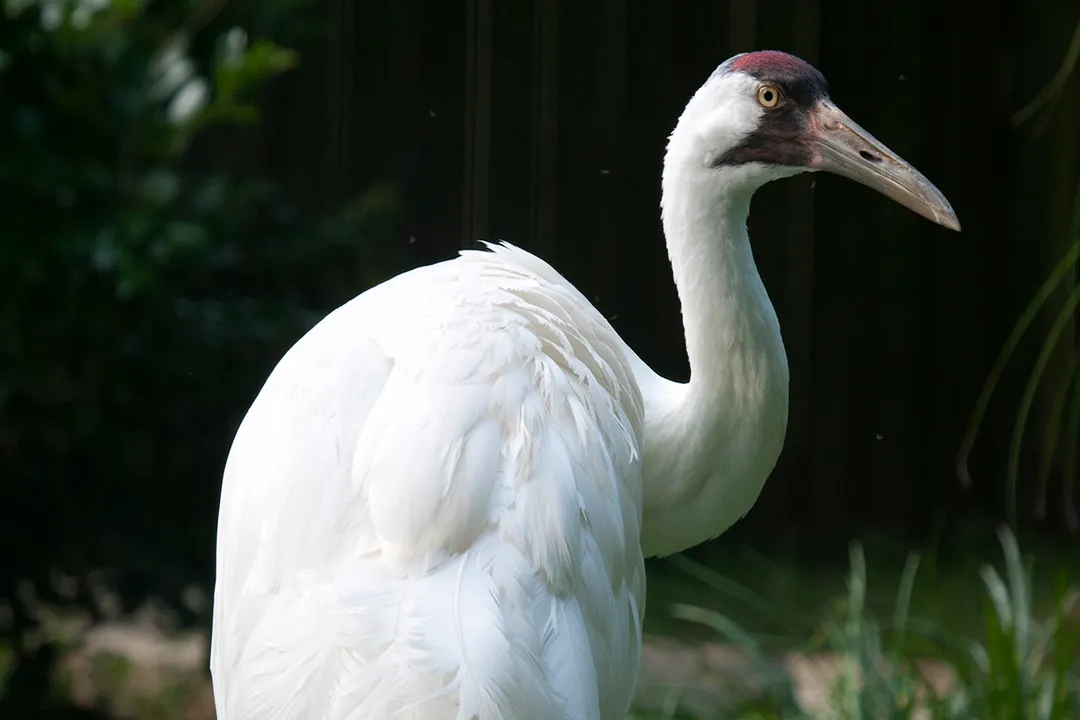
The feeding habits of the Whooping Crane reveal a bird capable of remarkable dietary flexibility, essential for sustaining its long, demanding migrations across North America. These magnificent birds are classified as omnivores, meaning their diet encompasses a wide array of animal matter and plant resources. [3][5] What a specific crane eats depends heavily on where it is at any given time—whether resting in coastal marshes or stopping over on inland agricultural fields. [2][7]
# Omnivore Scope
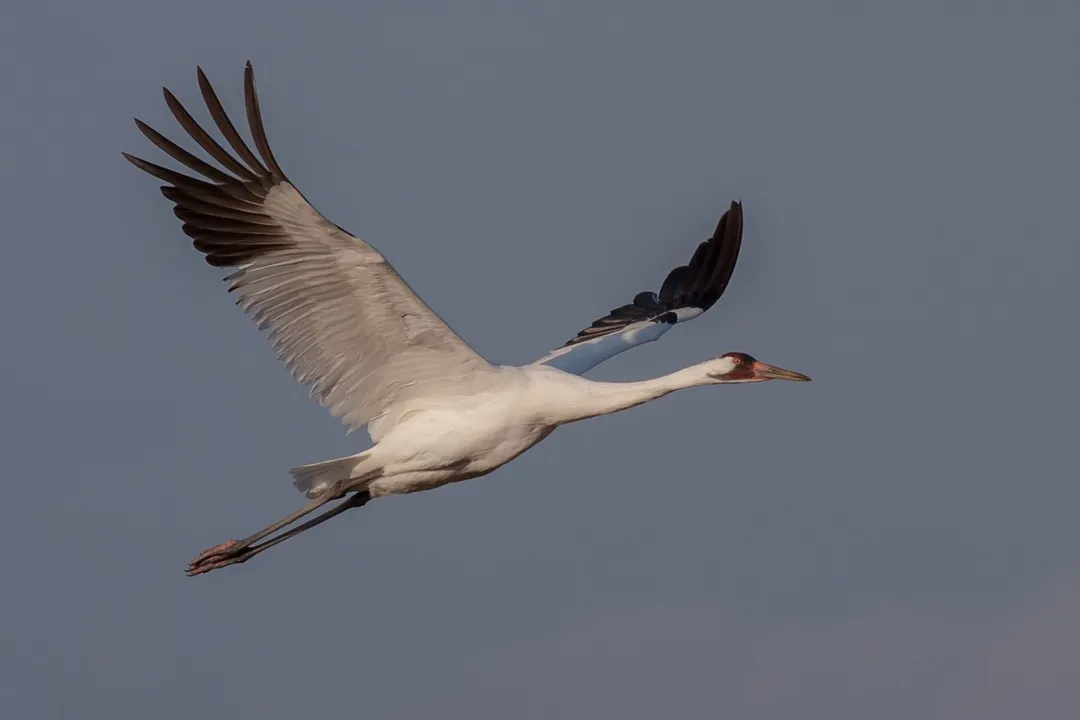
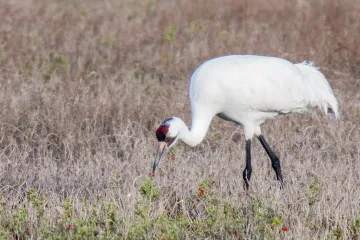
The sheer variety in the Whooping Crane's menu is striking, covering everything from tiny aquatic invertebrates to waste grain left behind by farm machinery. [2][6] Generally, their diet can be categorized into animal prey, plant matter, and agricultural products, with the emphasis shifting based on seasonal availability and geography. [4][7] For instance, while a bird wintering near the Gulf Coast of Texas will rely heavily on saltwater creatures, a crane using a stopover site in Kansas may focus almost exclusively on spilled wheat or harvested root vegetables. [7] Their feeding behavior involves walking methodically through mudflats or shallow water, probing the substrate with their long bills to locate buried food items. [1]
# Wetland Prey
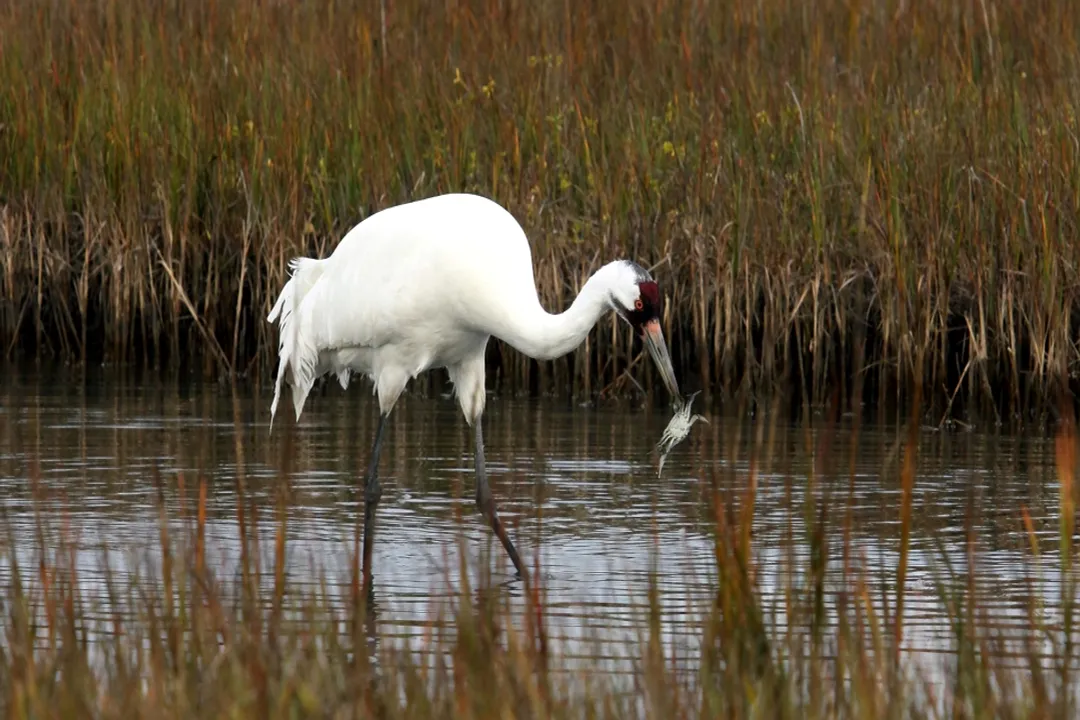
In their primary wintering grounds and many crucial stopover habitats, crustaceans, mollusks, and insects form the cornerstone of the animal protein in their diet. [4][8] The procurement of these items requires the crane to forage directly in wet environments, wading in shallow water or digging into soft mud. [1]
Key components sourced from wetland and aquatic environments include:
- Crustaceans: Crabs, crayfish, and shrimp are highly favored prey when accessible. [2][3][8]
- Mollusks: This group includes various snails and clams found buried in the substrate. [3][5][8]
- Insects: Cranes consume aquatic insects and their larvae, often picking them from the surface or just beneath it. [1][4]
The abundance of these high-energy animal foods in coastal areas is a major reason these locations are vital for the cranes' survival during the non-breeding season. [7] A comparison across various reports shows near-universal agreement on the importance of crabs and crayfish, suggesting that if a wintering site lacks these particular shelled items, the crane must quickly adapt or move on to find adequate sustenance. [1][3][4][8]

# Vertebrate Intake
Beyond invertebrates, Whooping Cranes readily consume small vertebrates when the opportunity arises. [4][6] This protein source adds significant caloric value to their diet and is typically acquired opportunistically rather than being the main focus, though it remains a significant dietary component overall. [5]
Small vertebrates commonly included in their diet are:
- Fish: Small fish encountered in shallow waters are easy targets. [1][5]
- Amphibians and Reptiles: Frogs and small snakes or lizards make up part of their intake. [1][4][9]
- Mammals: Occasionally, they will consume small rodents encountered while foraging inland or near field edges. [4][5]
For a species that needs to build up substantial fat reserves for multi-thousand-mile flights, securing these higher-calorie animal items, even occasionally, is a valuable dietary strategy. [7]
# Agricultural Intake
One of the most significant adaptations for the modern Whooping Crane population involves their reliance on agricultural lands during migration and wintering. [7] As the species' historical range overlapped with developing farmlands, the birds learned to exploit predictable, easily accessible food resources left behind by farming operations. [2] This reliance highlights how the fate of the crane is intertwined with agricultural practices across the central flyway. [7]
The primary agricultural foods are:
- Waste Grain: This includes spilled corn, wheat, and rice found in harvested fields. [3][7][8] This food source is often exceptionally easy to find and consume compared to actively digging for buried clams or crayfish. [2]
- Tubers and Root Crops: Cranes actively forage for root vegetables, such as potatoes and carrots, either left in the ground after a mechanical harvest or incidentally damaged during the process. [7][8]
It is interesting to note that the energy density of waste grain can sometimes be higher and require less physical exertion to acquire than natural wetland prey. When migration routes take cranes across vast stretches of drier, agricultural landscapes, this shift toward starchy grains becomes an ecological necessity, allowing them to rest and refuel without needing access to open water or marshland for extended periods. [2][7]
# Plant Matter
While the animal proteins and agricultural grains often get more attention, plant material forms a steady, foundational part of the Whooping Crane's overall nutrition, especially when other food sources are scarce or during specific times of the year. [1][4]
This vegetation component consists largely of:
- Aquatic Plants: Various parts of aquatic vegetation, including tubers and seeds, are consumed while the cranes are foraging in shallow water habitats. [3][9]
- Seeds and Berries: Depending on the exact stopover location, seeds from various marsh or field plants, and sometimes berries, are taken. [1][2]
Considering the sheer volume of foraging time a crane dedicates daily, even if one food item only provides a small percentage of the total calories, its consistent presence contributes substantially over the course of a day or a week. [4]
# Habitat Switching
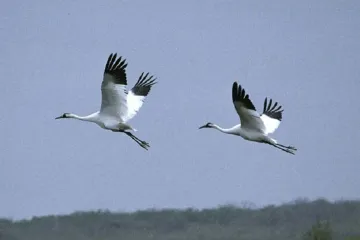
The most telling aspect of the Whooping Crane diet is its profound connection to habitat and location—a dynamic shift that dictates survival. [7][8] A crane’s diet is rarely static from one month to the next; it is a finely tuned response to the immediate environment. [2]
For instance, the diet in the coastal bays of Texas might be 60% crabs and marsh grass roots in January. [8] By April, as they begin migrating north, they might stop in a rice-growing area in Louisiana or Arkansas, where the balance shifts suddenly to favor residual rice grains and aquatic plants found along temporary water bodies. [7] Upon reaching breeding grounds in Wood Buffalo National Park, the diet becomes heavily weighted toward seeds, insects, and sedge tubers found inland. [4]
From a management perspective, this means that protecting the Whooping Crane requires a network approach, not just focusing on the wintering area. Habitat managers along the entire flyway need to be aware that their local agricultural or wetland practices directly influence the energy available to these birds during critical migratory rest stops. [7] A successful management strategy, therefore, involves encouraging habitat diversity—maintaining areas that support both high-quality invertebrate populations and providing access to specific cover crops or managing harvest schedules to leave usable waste grain in rotation. This redundancy in food sources acts as an insurance policy against localized food failures during their tightly scheduled migrations. [2][7]
# Foraging Effort
The energy expenditure required to obtain food is as important as the calories gained. Whooping Cranes, weighing around 10 to 15 pounds, require substantial fuel. [5] Their foraging strategy often involves a slow, steady gait, systematically inspecting the ground or water surface. [1] When probing soft substrates, they use the length of their bill like a lever or probe. The trade-off they manage constantly is the depth of their search: digging deeper for a large crayfish might cost more energy than rapidly pecking at many surface seeds. The diet, therefore, is a continuously calculated risk versus reward based on immediate energy needs and the physical effort required to extract the meal. [2] Their ability to switch between surface picking (grains, berries) and deep probing (clams, tubers) demonstrates a behavioral plasticity that is key to their success as long-distance migrants across varied terrain. [1][4]
Related Questions
#Citations
Whooping Crane | Audubon Field Guide
Diet
Whooping Crane
Diet and Foraging - Whooping Crane - Grus americana
Whooping Crane (Grus americana)
Whooping crane
From Wetlands to Agricultural lands – How do Whooping ...
Whooping Cranes
Whooping Crane