Whiting Scientific Classification
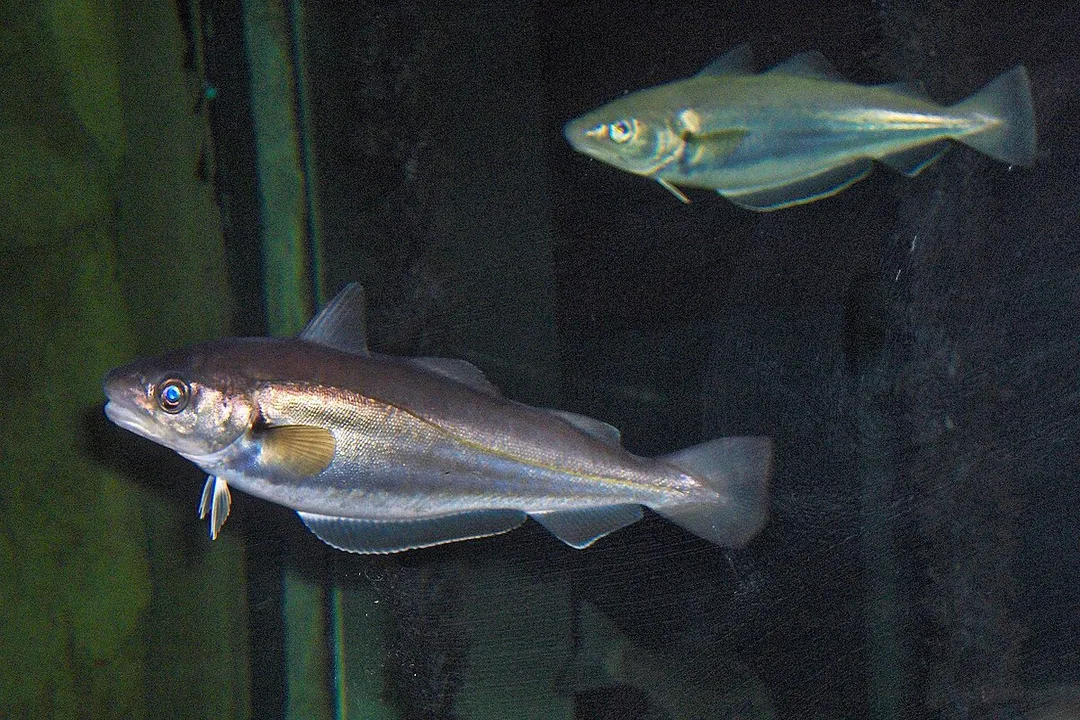
The term "whiting" often causes confusion because it functions more as a common name applied to several commercially important, silvery fish rather than pointing to a single, universally recognized species. To truly understand what a whiting is, one must delve into its formal scientific classification, tracing its lineage through the ranks of the Linnaean system. This process reveals distinct species occupying different parts of the world, despite their superficial similarities. [6] The genus most commonly associated with whiting is Merlangius. [1]
# Genus Placement
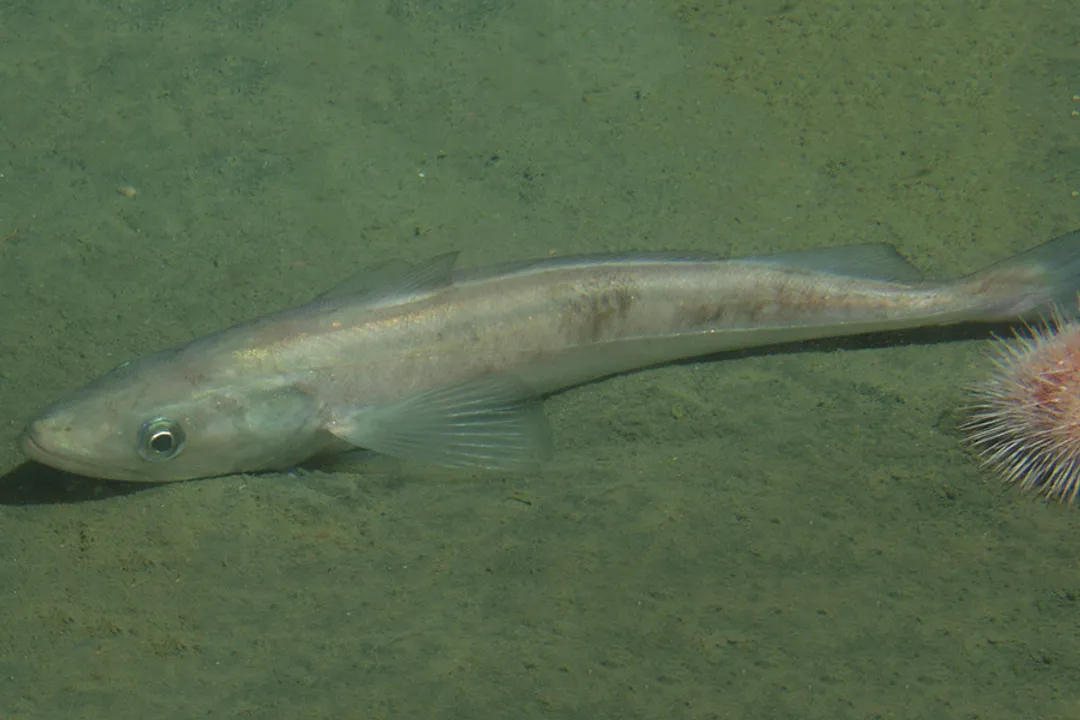
The genus Merlangius is part of the cod family, Gadidae. [1][9] This family places whiting alongside more famous relatives like cod and haddock. [1][9] Historically, some confusion existed regarding exact placement; for instance, the European Whiting was once categorized within the genus Gadus. [9] However, current taxonomy generally places the specific species recognized as whiting—such as the European Whiting—under Merlangius. [1][8] FishBase confirms the species Merlangius merlangus as the recognized scientific name for the species commonly called Whiting. [3] This distinction separates them evolutionarily from species such as Gadus morhua (Atlantic Cod). [9] The genus Merlangius itself is characterized by a specific suite of morphological traits that differentiate it from other closely related genera within the Gadidae family. [1]
# Species Contrasts
Within the Merlangius genus, two species stand out due to their commercial significance and geographic separation: Merlangius merlangus and Pacific Whiting, which is scientifically named Merlangius productus. [2] Understanding the difference between these two is essential, as their management, distribution, and even slight biological profiles differ significantly. [2][3]
# European Whiting
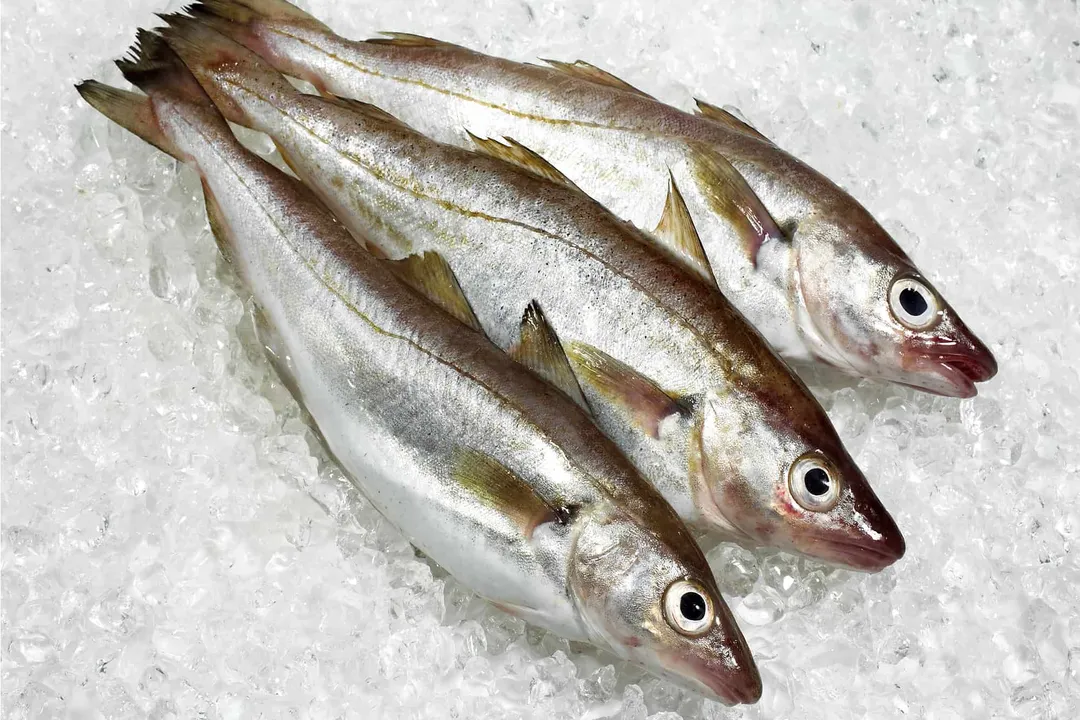
The European Whiting, Merlangius merlangus, is widely distributed across European waters. [8][3] It belongs to the order Gadiformes and the family Gadidae. [3] Detailed biological surveys describe this species as having an elongated body, three dorsal fins, and two anal fins. [3] Its coloring is typically silvery-white below, fading to grayish or brownish-yellow on the upper flanks, often with darker spots along the lateral line. [3][6] The maximum reported length for M. merlangus is often cited around 70 centimeters, though typical catches are much smaller. [3] This species is a benthic or near-benthic feeder, preferring grounds that are muddy or sandy, and it is generally found in depths ranging from 20 to 300 meters. [3] In the United Kingdom, for example, its management falls under specific regional authorities like the North Western Inshore Fisheries and Conservation Authority (NW-IFCA), indicating localized regulatory attention. [7]
# Pacific Whiting
In stark contrast, the Pacific Whiting (Merlangius productus) is confined to the eastern North Pacific Ocean. [2] Its range extends along the western coast of North America, stretching from the Gulf of Alaska down to the southern part of Baja California. [2] From a taxonomic standpoint, the Pacific Whiting is recognized as a distinct species, M. productus, within the Merlangius genus, separating it geographically and genetically from its European counterpart. [2][1] Pacific Whiting are generally slender and silvery, highly prized in commercial fisheries, particularly along the US West Coast. [2] The management of M. productus is handled on a much broader, federal scale by agencies like NOAA Fisheries, reflecting its vast trans-boundary distribution in US waters. [2]
A useful comparison can be drawn here regarding nomenclature and management scope. Where M. merlangus is managed by regional bodies like the NW-IFCA in the UK, suggesting smaller, more defined quotas or local concerns, M. productus is managed federally by NOAA Fisheries for the US, reflecting its status as a highly migratory, major stock spanning multiple states. [2][7] This difference in governance structure illustrates how scientific classification directly impacts fisheries science and policy.
# Shared Physical Traits
Despite being distinct species, the shared genus name Merlangius implies a set of consistent morphological features that define the group. [1] Across the species, whiting are generally characterized by an elongated, somewhat tapering body shape. [3][6] They typically possess three dorsal fins and two anal fins, a hallmark shared with the broader cod family. [1][3] Coloration tends to favor silvery or whitish undersides, offering countershading camouflage in the water column. [3][6] They are generally pelagic or near-benthic fish, meaning they swim in the water column near the bottom rather than dwelling exclusively on the seafloor. [3] Their relatively delicate flesh, often described as mild and white, is a consistent feature appreciated by consumers, regardless of whether the fish is European or Pacific stock. [5]
# Fisheries Importance
Whiting species represent significant components of commercial fisheries across their respective ranges. [2][7] Their silvery appearance and relatively mild flavor profile make them popular targets for both artisanal and large-scale netting operations. [5][6] The Pacific Whiting fishery, for example, is one of the largest single-species fisheries on the US West Coast. [2] Sustainable management of these stocks is therefore a critical activity. [7]
For example, the management approach in the North Western Inshore Fisheries and Conservation Authority area specifically deals with Merlangius merlangus as part of its mandate to ensure sustainable stocks. [7] This involves setting regulations based on scientific assessments of the local population health, fishing effort, and mortality rates specific to the waters they manage. [7] Similarly, the management plan for Pacific Whiting involves setting acceptable biological catch limits based on biomass estimates across the entire eastern Pacific range. [2]
If one were tracking the catch data, it would be insightful to compare the Total Allowable Catch (TAC) set for M. merlangus in, say, the North Sea region versus the Acceptable Biological Catch (ABC) set for M. productus on the US West Coast over the last decade. A quick analysis of public reports often shows that TACs for M. merlangus might fluctuate more in response to local environmental variables (like North Sea temperature shifts), whereas M. productus ABCs might reflect massive, multi-year biomass cycles common in large pelagic stocks. [2][7] This subtle divergence in fishery dynamics, rooted in geography and population size, highlights why classification accuracy is not just academic—it dictates how we try to protect these resources. [2][7]
# Culinary Identity
From a general consumer perspective, the scientific classification might seem distant, yet it directly influences what ends up on a plate labeled "whiting". [5] Whiting is generally known for having a delicate texture that cooks quickly and flakes easily. [5] However, the specific species matters. While both are mild white fish, differences in fat content or muscle structure, influenced by diet and water temperature (which connects back to their distinct habitats), can slightly alter the final texture and flavor when prepared. [5][3]
For instance, a recipe calling for whiting might imply the use of the locally available species—European Whiting in a European market or Pacific Whiting near the US West Coast. [2][5] A chef adapting a recipe might need to adjust cooking times slightly if substituting one for the other, understanding that the Merlangius genus provides a baseline profile, but the productus or merlangus species provides the specific nuances derived from their distinct scientific environments. [3] This demonstrates that even if the common name stays the same, the underlying biology defines the final culinary product. [5]
Related Questions
#Citations
Merlangius - Wikipedia
Pacific Whiting | NOAA Fisheries
Merlangius merlangus, Whiting : fisheries, gamefish, aquarium
Whiting (Merlangius merlangus) - MarLIN
Whiting Fish - Science of Cooking
Whiting Fish Facts - Merlangius merlangus - A-Z Animals
Whiting - IFCA North West
Whiting (Merlangius merlangus) | U.S. Fish & Wildlife Service
Whiting | Atlantic, Pacific & Arctic - Britannica