White Sturgeon Locations
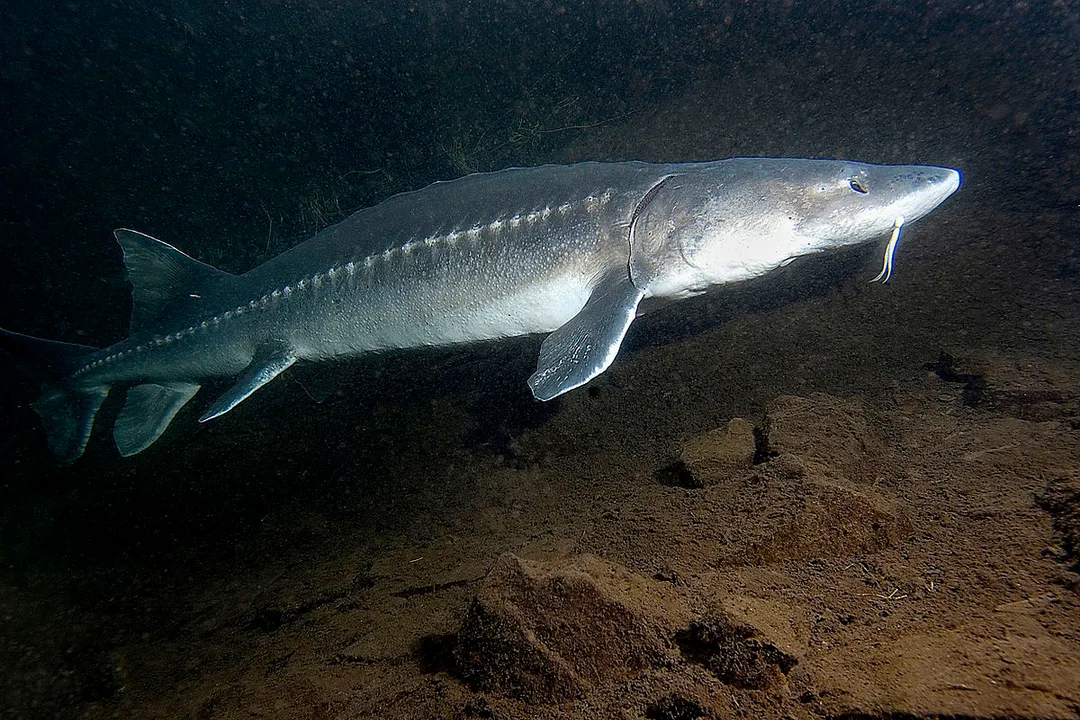
The White Sturgeon, Acipenser transmontanus, represents a living link to the past, being one of the most ancient bony fish inhabiting North American waters today. [7] As the largest freshwater fish found on the continent, these majestic creatures can attain immense sizes, with historical records suggesting individuals approaching twenty feet in length and weighing nearly a ton. [7] Their distribution is intrinsically tied to the major river systems and estuaries of the eastern Pacific slope, making the identification of their locations a matter of tracking historical waterways and current ecological health. [3][4]
# Native Range Extent
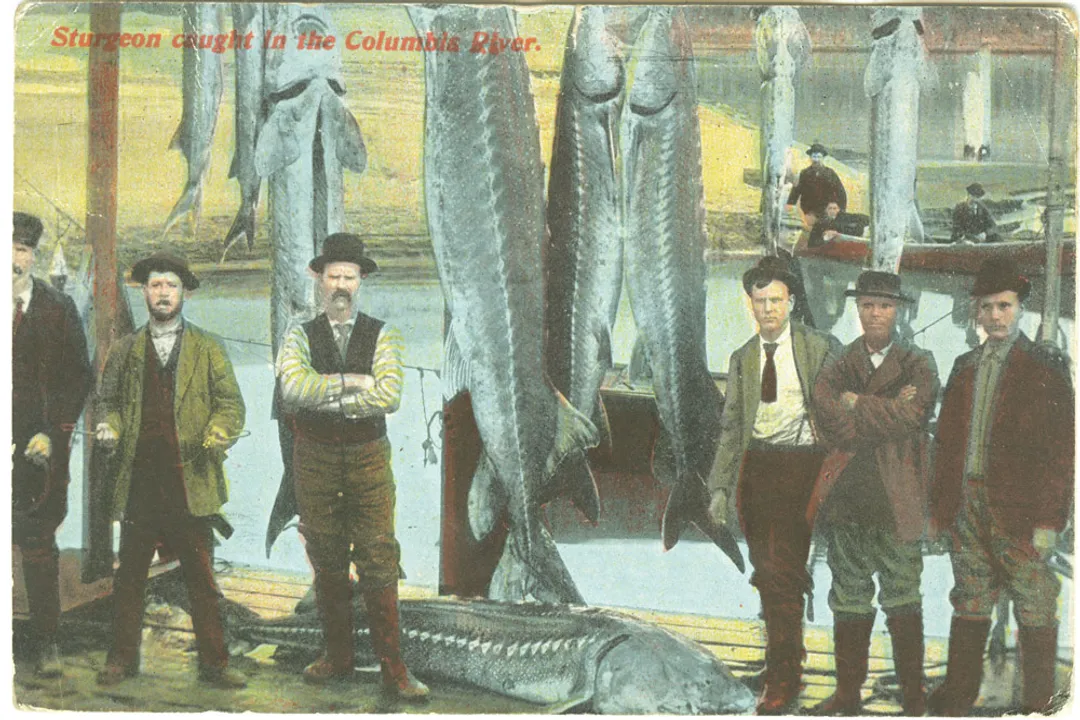
The historical and current native range of the White Sturgeon stretches along the Pacific Coast, encompassing waters from the Gulf of Alaska down to at least Monterey, California. [4][7] Within this vast territory, the species exhibits an anadromous life history, meaning they spend the majority of their lives in brackish or marine environments, typically within large estuaries, but migrate into freshwater rivers to reproduce. [1][7] This migratory habit dictates where large populations can be found, as river connectivity is essential for their survival. [6] The species is recognized as vulnerable in Canada, and while they are widespread, the integrity of these specific freshwater spawning grounds determines population viability. [4][7]
# Pacific Strongholds
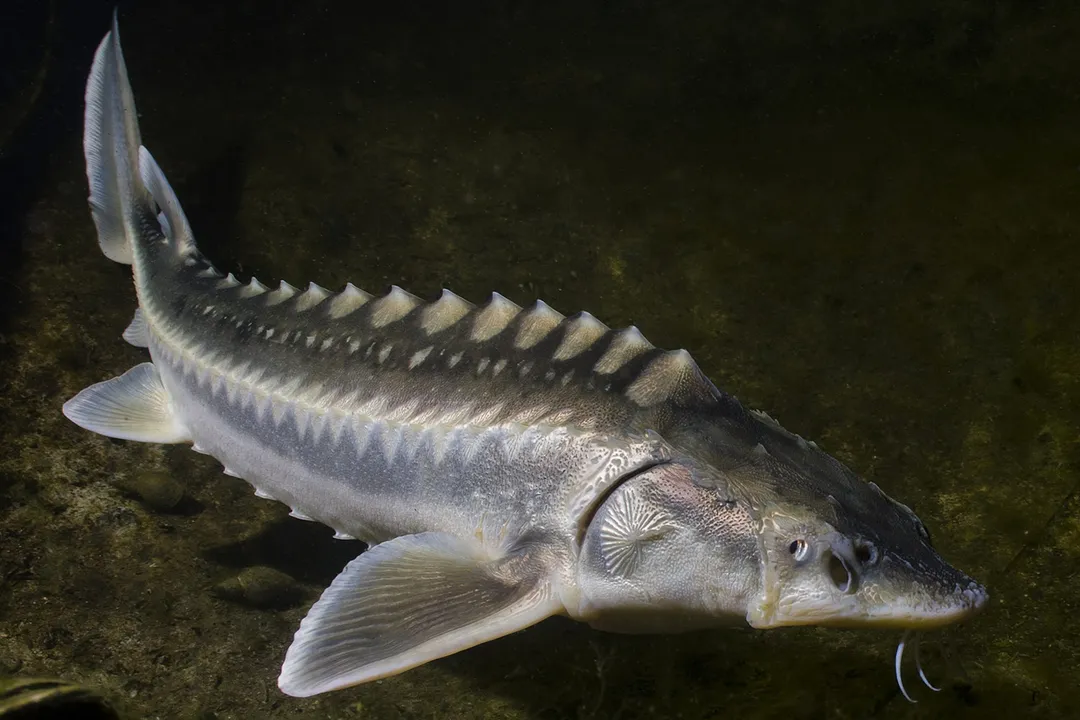
Beyond the general Pacific range, White Sturgeon are characteristically associated with several key river basins that serve as major population centers and historical anchors for the species. [3] The Columbia River and its network of tributaries in Washington, Oregon, and Idaho host significant populations. [3][7] Similarly, the Fraser River in British Columbia, Canada, is another primary stronghold where movements and abundance have been closely studied. [7]
It is important to note that in certain river systems, populations have become landlocked, meaning they are restricted to freshwater environments due to physical barriers like dams. [4][7] The Columbia River Basin is a large area where hydroelectric dams have largely blocked upstream movement, though downstream passage via turbines has been documented. [7] Landlocked populations are also noted in Montana, and potentially in Lake Shasta in California. [4][7]
# California Habitats
California hosts what is considered the southernmost spawning population of the species within the Sacramento-San Joaquin system. [3] This estuary complex, which includes the San Francisco Bay, is where adult and subadult white sturgeon spend most of their time when not actively spawning. [6]
Within this system, the primary focus for reproduction is a specific reach of the middle Sacramento River. [3] While successful spawning was historically centered here, documentation now confirms that reproduction also occurs in the San Joaquin River itself. [3] Further upstream or within tributaries, successful recruitment is less certain but suspected; potential spawning rivers include the Feather River, Yuba River, and Bear Rivers. [3] For those seeking these fish in the lower system, recent catch data indicates active locations like the Carquinez Strait and the Sacramento River Deep Water Ship Channel are frequently reported areas for anglers. Historically, smaller runs may have been present in North Coast rivers such as the Russian, Klamath, Trinity, and Eel rivers, but confirmation of successful reproduction in those systems remains elusive. [3]
# Life Stage Locations
The distribution of White Sturgeon within an estuary is highly dependent on their age and tolerance for salinity. [1] This creates a distinct spatial segregation within the larger water bodies they inhabit. Larval sturgeon, newly hatched in the streams, are swept downstream while suspended by a yolk sac, eventually settling in the freshwater region of the estuary once they begin feeding freely. [1][3] As the juvenile fish develop, they populate the upstream or freshwater end of the estuary system. [1] Conversely, older, adapted fish move toward the ocean side, utilizing the brackish water zones for feeding and growth. [1][6]
The difference in salinity preference between age classes is a critical factor in understanding habitat vulnerability. Because the youngest cohort must settle in freshwater areas to survive their initial transition to external feeding, any degradation or alteration to those specific upper-river or freshwater estuarine zones has an outsized impact on annual recruitment, even if the adult population in the deeper bay remains stable. [6] This means that assessing the health of the White Sturgeon population requires looking beyond just the larger fish caught closer to the coast and ensuring the upstream freshwater nursery areas remain pristine and well-connected to the main river channels used for spawning. [1][3]
# Introduced Waters Failures
While the native range is clearly defined along the Pacific, there have been multiple documented attempts to introduce White Sturgeon outside of this natural area, often associated with aquaculture or stocking programs. [4][5] These introductions have generally not resulted in established, self-sustaining populations. For example, stockings occurred in the Colorado River, including Lake Havasu (Arizona/California border) starting around 1967, but the population status remains unknown, with no evidence of reproduction detected. [4][5] In California, stockings occurred in Irvine Lake and the Santa Ana River lakes in 1987, with some later captures, but these were not sustained populations. [5]
Efforts to introduce the species further east have also proven unsuccessful. Reports exist of fish being released in the Coosa River drainage in Georgia, but subsequent searches failed to find any sturgeon downstream, suggesting the introduction ultimately failed. [4][5] Similarly, introductions into Upper Klamath Lake in Oregon and above Shoshone Falls in Idaho—where the species is native below the falls—have not established viable reproducing groups. [5] Globally, records suggest introductions in places like Chile, Germany, Italy, and Israel, though impacts in Chile are assumed to involve predation and competition, while many introductions have simply failed to persist. [4][5] The overall conclusion from these stocking efforts is that the specific environmental conditions—water temperature, flow, and substrate—found in the native Western rivers are crucial for successful reproduction. [7]
# Angler Access and Regulations
For those interested in observing or fishing for White Sturgeon, understanding the current regulatory framework, particularly in California, is paramount, as the species status has shifted dramatically. [3] Since the White Sturgeon in California became a candidate for listing under the California Endangered Species Act (CESA) in 2024, management has tightened considerably. [3]
Current regulations have been structured to reduce stress on the fish, especially during warmer periods and during migration/spawning periods. [3] Anglers targeting this species must be aware of seasonal opening dates and spatial restrictions. The general open season runs from October 1 through June 30 for the main area spanning ocean waters and the San Francisco Bay area up to specific confluence points on the Sacramento and San Joaquin rivers. [3] However, for the upstream river sections—specifically above the Feather River confluence on the Sacramento and above the I-5 bridge on the San Joaquin—the season is often more restricted, sometimes closing entirely by December 31st. [3]
A vital piece of information for any angler wishing to participate in the sport fishery, even on a catch-and-release basis, is the requirement to possess a Sturgeon Fishing Report Card. [3] This card, which anglers must return even if no fish were kept, is essential for ongoing population monitoring, as the data collected provides critical spatial and temporal fishing pressure metrics. [3] Furthermore, to minimize physical harm, any sturgeon over 60 inches fork length cannot be removed from the water and must be released immediately, acknowledging the physical stress gravity places on these large, heavy, cartilaginous fish. [3] These rules demonstrate an active, science-based approach to managing a historically overfished species whose long life cycle can mask poor recruitment years. [6]
To maximize your chances while adhering to these strict guidelines, keep in mind that White Sturgeon are bottom feeders utilizing sensitive barbels to detect prey. [6][7] Success in the main estuary areas like the Carquinez Strait often involves presenting baits—such as natural options like meat, shellfish, or shad—directly on the bottom in deep channels. When playing a fish, always use heavy gear and strive for a quick release to prevent exhaustion, supporting the fish horizontally and keeping it submerged whenever possible to protect its slime coat and internal structure. [3] The adaptation of the fishery to a catch-and-release seasonal model reflects a consensus that non-lethal angling does not compromise the long-term survival of the population, provided the spawning migration corridors remain protected from harvest pressure. [3]
Related Questions
#Citations
White Sturgeon - California Department of Fish and Wildlife
White Sturgeon (Acipenser transmontanus) - Species Profile
White sturgeon - Wikipedia
White sturgeon - Fish Species by Location - California Fish Website
[PDF] ERSS - White Sturgeon (Acipenser transmontanus)
White Sturgeon - CalFish
White Sturgeon - National Maritime Historical Society
Fishing for White sturgeon near you - Fishbrain