White Tiger Diet
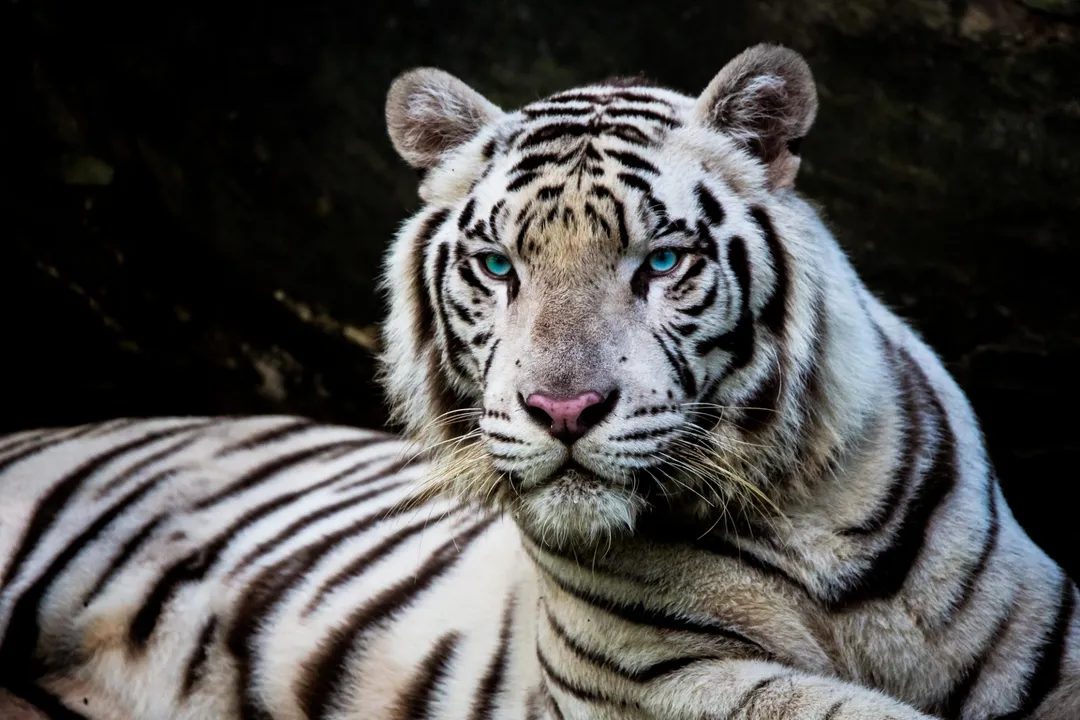
The feeding requirements of a white tiger are, fundamentally, identical to those of their orange-striped counterparts. Both color morphs are apex predators whose bodies are engineered for a purely carnivorous lifestyle. [6] The striking white coat, a result of a specific recessive gene, does not alter the essential protein and fat requirements necessary to sustain such a large, powerful animal. [7] Understanding what they eat requires looking at two distinct environments: the wild, where they are hunters, and captivity, where their diet is managed by humans. [9]
# Wild Hunting
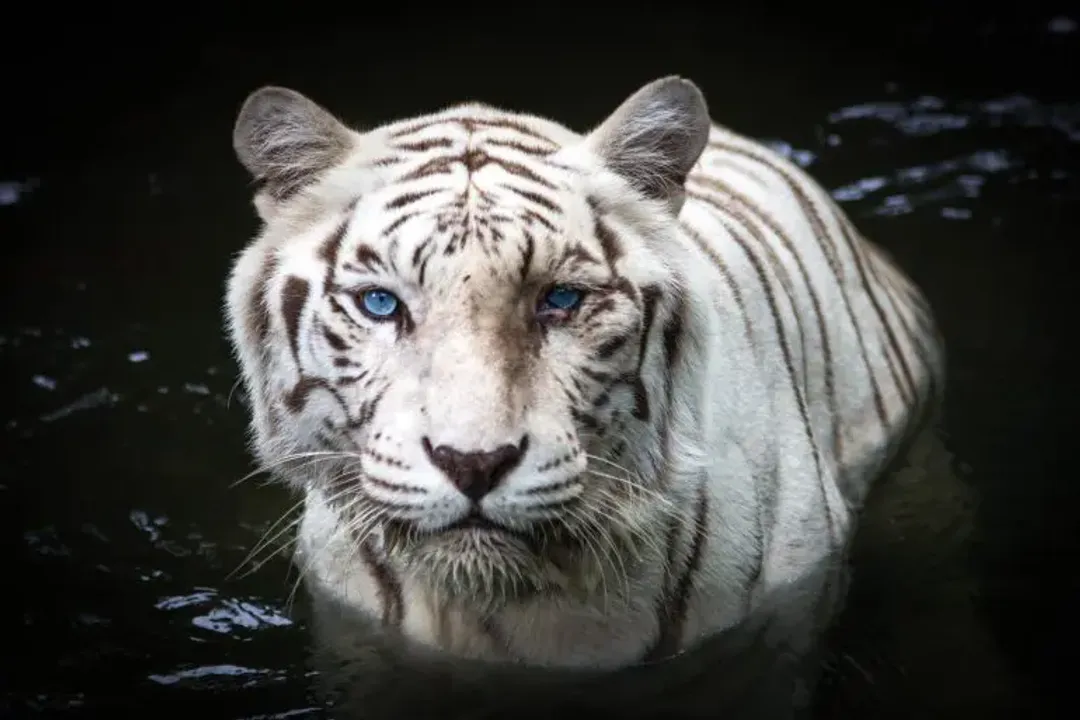
In their natural habitats, which historically included parts of India, tigers of all colorations primarily target large prey animals. [1] These animals are known as ungulates, meaning hoofed mammals, which provide the dense caloric and nutritional content needed for a predator of this size. [6] Specific prey items vary based on geography, but common staples include sambar deer, chital (spotted deer), wild boar, and occasionally water buffalo. [4][5][6]
The sheer size of a tiger necessitates consuming substantial amounts of meat per feeding session. A healthy adult tiger in the wild does not eat every day; rather, they gorge when they succeed in a hunt. [6] It is commonly reported that an individual tiger might consume anywhere from 40 to 100 pounds (about 18 to 45 kilograms) of meat in a single feeding. [4][9] This massive intake is crucial because a successful hunt might only occur once every several days, meaning the subsequent meal must sustain them through the lean period. [6]
Tigers are solitary hunters, relying on stealth and immense power to ambush their prey. [8] They typically target the neck or throat to quickly subdue large animals, ensuring the kill is efficient and minimizes risk to the tiger itself. [8] This predatory behavior is deeply ingrained, regardless of whether the tiger possesses the white coat gene. [7]
# Captive Feeding

When white tigers are housed in zoos or sanctuaries, the element of the hunt is entirely removed, and their diet shifts to a scheduled, controlled routine. [9] Because hunting large, live prey is impractical and often prohibited for safety and ethical reasons, captive tigers are fed commercially prepared meats or raw meat portions. [9]
A typical captive diet for a large carnivore like a tiger often consists of raw meat, such as beef, horse, or chicken, supplemented with essential vitamins and minerals. [9] While the primary food is meat, zoos must ensure the diet mimics the nutritional balance they would receive in the wild, which includes more than just muscle tissue. [9] Wild prey provides bone, organ meat, and skin, which supply necessary calcium, iron, and other micronutrients. [9]
In a well-managed facility, these deficits are addressed through targeted supplementation. For instance, zoo veterinarians often ensure that the meat provided is balanced with supplements like calcium and specific vitamin pre-mixes. [9] Without these additions, a captive tiger fed only muscle meat could develop serious skeletal or metabolic issues over time. A common feeding schedule might involve feeding an adult tiger raw meat, often supplemented, approximately three to five times per week. [9] This frequency differs significantly from the irregular, opportunistic feeding pattern of their wild counterparts.
If one were to compare the energy expenditure, a wild tiger expends significant calories during the chase and struggle of a hunt, followed by a massive caloric load post-meal. Conversely, a captive tiger expends very little energy, requiring a slightly lower overall caloric volume daily, though the quality of the nutrient profile must remain rigorously high to prevent obesity or deficiency. [9] The difference in required intake can be subtle but crucial when managing the health of a sedentary animal versus an active hunter.
# Nutritional Components
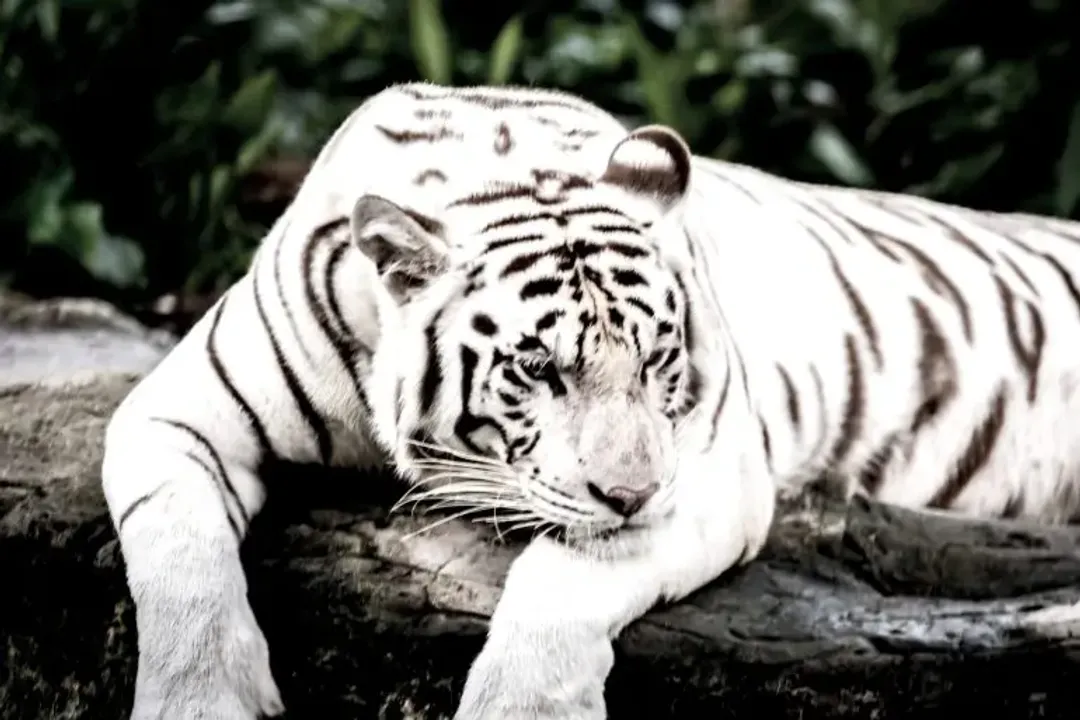
The white tiger’s biological machinery demands a diet rich in animal protein. They are obligate carnivores, meaning their digestive systems cannot efficiently process plant matter, and they require nutrients found almost exclusively in animal flesh. [6]
The breakdown of a tiger's necessary intake centers on:
- Protein: Essential for muscle maintenance and repair, derived directly from meat. [6]
- Fat: A dense energy source required to maintain body temperature and store reserves. [6]
- Minerals and Vitamins: These are often sourced from the less desirable parts of their prey in the wild, such as organs and bone marrow. [9]
It is interesting to note that the mechanism that turns a tiger white—a lack of pheomelanin pigment—is entirely independent of the genes controlling metabolism or digestion. Therefore, the biological imperative to consume large, fatty carcasses remains constant across the color spectrum. [7] A white tiger suffering from a protein deficiency would exhibit the same lethargy and poor coat condition as an orange tiger facing the same nutritional hardship. [1]
# Managing the Difference
The management of a white tiger’s diet in a controlled setting must account for its natural instincts, even when those instincts are not being acted upon through hunting. While the base food provides the necessary building blocks, modern zoological care often incorporates enrichment feeding strategies. [2]
This practice involves presenting the food in a way that requires problem-solving or physical exertion, mimicking aspects of the hunt, even if the prey is stationary and pre-killed. [2] For example, instead of placing a large slab of meat directly in a bowl, keepers might secure it high up or require the tiger to manipulate an object to release it. This behavioral stimulation is vital for the psychological well-being of these animals, offering a small concession to their innate predatory nature that simply providing the correct mass of meat cannot satisfy. [2]
For anyone observing or involved in the care of these animals, recognizing that diet is a complex blend of biology, nutrition science, and behavioral support is key. The tiger needs the right chemical composition to live, but it also needs the experience of obtaining that food to thrive mentally. [2] This holistic approach ensures that whether the tiger is white or orange, its needs as a top-tier carnivore are being met completely.
Related Questions
#Citations
White Tiger Facts, Habitat and Diet - Discovery UK
Future Creatures Challenge :: Gallery :: White Tiger - NASA TechRise
White Tigers: Facts, Threats, & Conservation | IFAW
What do white tigers eat? - Quora
White Tiger Diet and Prey - Steemit
What Do Tigers Eat? - Cat Tales Wildlife Center
White Tiger Facts | Teaching Wiki | Twinkl USA
Tigers & White Tigers for Animal Interactions - Safari Adventures
All About Tigers - Diet & Eating Habits | United Parks & Resorts
What is a tiger's daily diet? - Facebook