White-Faced Capuchin Diet
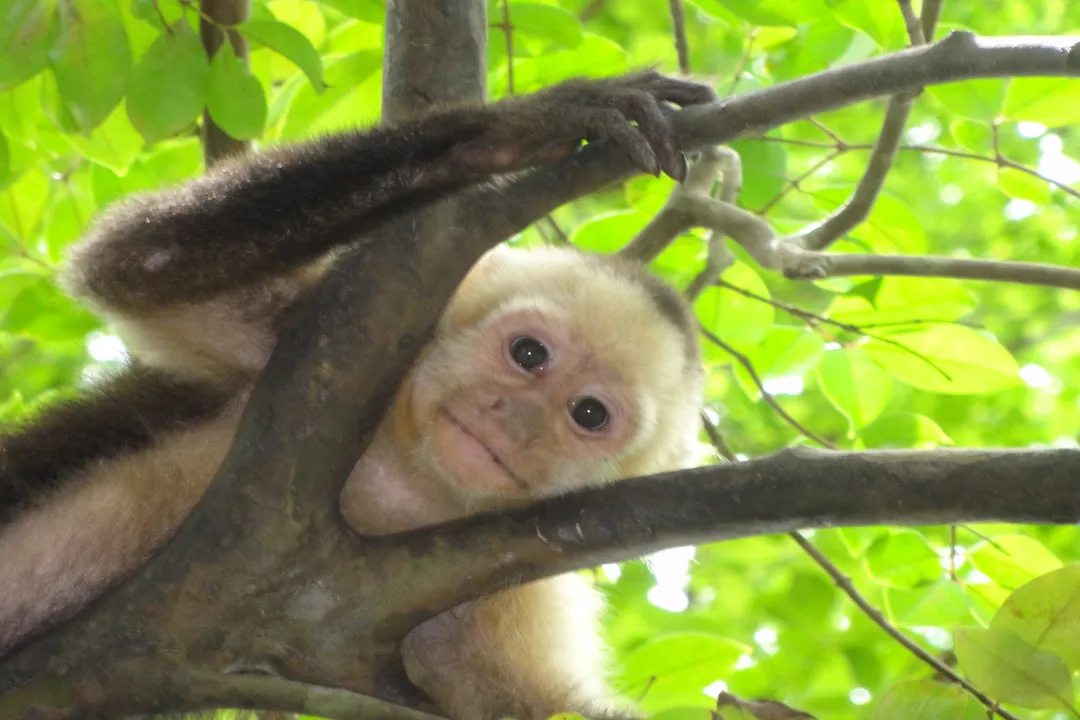
The white-faced capuchin, a highly intelligent New World monkey, maintains a diet that perfectly reflects its adaptability across the diverse forests of Central and South America. These primates are classified as omnivores, meaning their nutritional intake is far from restricted to just one category of food. While they are sometimes generalized, the reality of their consumption habits is complex, varying significantly based on the specific habitat, time of year, and even local group traditions. Their ability to adjust their menu is fundamental to their survival in environments ranging from dry deciduous forests to humid tropical rainforests.
# Fruit Preference

The cornerstone of the white-faced capuchin's diet is fruit, which often constitutes the bulk of their caloric intake. For Cebus capucinus, fruit can make up between 50 to 80% of their food sources. They are discerning consumers, showing a clear preference for ripe fruit. To ascertain quality, they employ several senses, known to smell, prod, and taste the fruit before committing to eating it. In regions like the lowlands of Costa Rica, favored fruits include mangoes and figs. Studies have shown that they consume a remarkable variety, with one study noting consumption from nearly 100 different plant species.
When consuming these items, capuchins are typically interested only in the sweet pulp and juice, often spitting out the seeds and fibrous material. This behavior is ecologically significant, as this discarded material aids in the dispersal of seeds throughout their range, contributing to forest regeneration. Interestingly, the white-fronted capuchin (Cebus albifrons) shows similar preferences, with the Moraceae family being the most important plant food family consumed in one study area, representing nearly a quarter of all plant species eaten.
# Protein Acquisition

To balance the sugars from fruit, white-faced capuchins actively seek out animal matter, which can account for 20 to 30% of their total intake. This protein component is largely composed of invertebrates, but their menu extends to surprisingly varied vertebrate prey.
Insect hunting is a critical skill. They skillfully use their dexterous fingers to capture prey such as grasshoppers, termites, and caterpillars, including butterfly and moth larvae. When fruit becomes scarce, such as during a dry season, white-fronted capuchins will increase their search for invertebrates, sometimes spending more than half their day on the ground capturing small prey like ants and beetles.
Beyond insects, they diversify their animal protein by consuming:
- Mollusks and Crustaceans: Clams, mussels, crabs, and oysters.
- Vertebrates: Small mammals (like mice, rats, bats, and coati pups), lizards, frogs, and birds, including bird fledglings and eggs.
The consumption of amphibians, such as frogs, has been noted as potentially being a cultural phenomenon within certain groups of C. albifrons, suggesting learned hunting techniques passed down through observation rather than instinct alone.
One fascinating observation regarding their foraging strategy, which aids in both plant and animal food access, is their pronounced tool use. They are adept at manipulating their environment, digging through debris, stripping bark, and using stones as anvils to break open hard-shelled items like nuts or clams. This level of object manipulation is a key indicator of the high intelligence for which this genus is known.
# Seasonal Reliance
The white-faced capuchin's reliance on different food groups shifts dramatically with the seasons, demonstrating a high degree of dietary flexibility essential for thriving in environments with distinct wet and dry periods. When fruits are less abundant during the dry season, the diet shifts significantly toward alternative resources.
Leaves become a much more important part of the diet, offering necessary dietary fiber and essential minerals to maintain digestive health. In times of drought or fruit scarcity, C. albifrons populations have been observed turning to nectar and the rich meat inside palm nuts as reliable fallback foods. Palms, in general, appear to be a crucial resource across different populations, often representing a key species when other preferred items are unavailable. This ability to pivot ensures that even when their favorite food is out of season, their nutritional needs are largely met, allowing them to survive periods that might devastate a less flexible species.
# Foraging Techniques and Hydration
Capuchins spend substantial time foraging, and their methods are as varied as their diet. They are active throughout the day, often resting only briefly between foraging bouts. Their foraging covers all vertical levels of the forest, from the canopy down to the forest floor.
In addition to digging and using tools to access hidden insects, they have specialized methods for hydration. In dry periods, securing water is paramount. They are known to descend to the ground to find water seeps or springs when surface water dries up. A particularly ingenious adaptation involves utilizing specific plant structures: some white-faced capuchins have been observed using bromeliads as natural reservoirs to drink trapped water. In a different, tool-using context, the white-fronted subspecies has even been seen modifying leaves to use as cups to drink water collected in tree cavities.
Considering the energy expenditure versus the caloric return across a mixed diet presents an interesting analysis. For example, while fruit is favored, a detailed time study in Peru showed one group dedicating 39% of their feeding time specifically to insects, compared to only 22% for general plant material, with the rest of the feeding time allocated to other items. This suggests that acquiring high-value protein items like insects demands a higher time commitment than simply browsing on plentiful, though less nutritionally dense, leaves or consuming easily accessible fruits—a direct trade-off made in the pursuit of energy and maintenance nutrients.
# Supplemental Items and Chemical Cues
Besides the primary categories, the diet includes other plant parts like flowers, and certain legumes and seeds. It is noteworthy that capuchins possess large premolars and square-shaped molars with thick enamel, physical adaptations that support their ability to process tougher food items like nuts.
Capuchins also engage in behaviors related to chemical intake or signaling, which, while not strictly dietary in terms of calories, is linked to their daily activities. Some populations have been observed engaging in self-anointing, rubbing certain plants over their fur. While the exact purpose is sometimes debated, it is thought to relate to medicinal uses, perhaps against parasites or for relief from inflammation. Furthermore, in a chemical communication context, they have a practice of urinating on their hands and feet, which may serve as an olfactory signal trail for group members to follow.
The versatility in diet, which includes everything from larvae to fruit pulp to water trapped in leaves, underpins the capuchin's wide distribution and success in various forest types. This adaptability means that understanding what one group eats in Panama might only give partial insight into what a group in Ecuador or Colombia consumes, highlighting the importance of regional ecological context when studying their feeding habits. For those interested in conservation, appreciating this dietary flexibility is key, as it suggests these species may persist in degraded areas longer than specialists, though habitat loss remains their greatest threat.
Related Questions
#Citations
Discover the Ultimate White-Faced Monkey Diet: Top 10 ...
Cebus capucinus (white-faced capuchin) | INFORMATION
Panamanian White-Faced Capuchin - Facts, Diet, Habitat & ...
Monkeys: White-faced Capuchins
Colombian White-Throated Capuchin, Cebus capucinus
Capuchin overview - Capuchin Monkeys
White-fronted capuchin
Capuchin Monkey