Whippet Facts
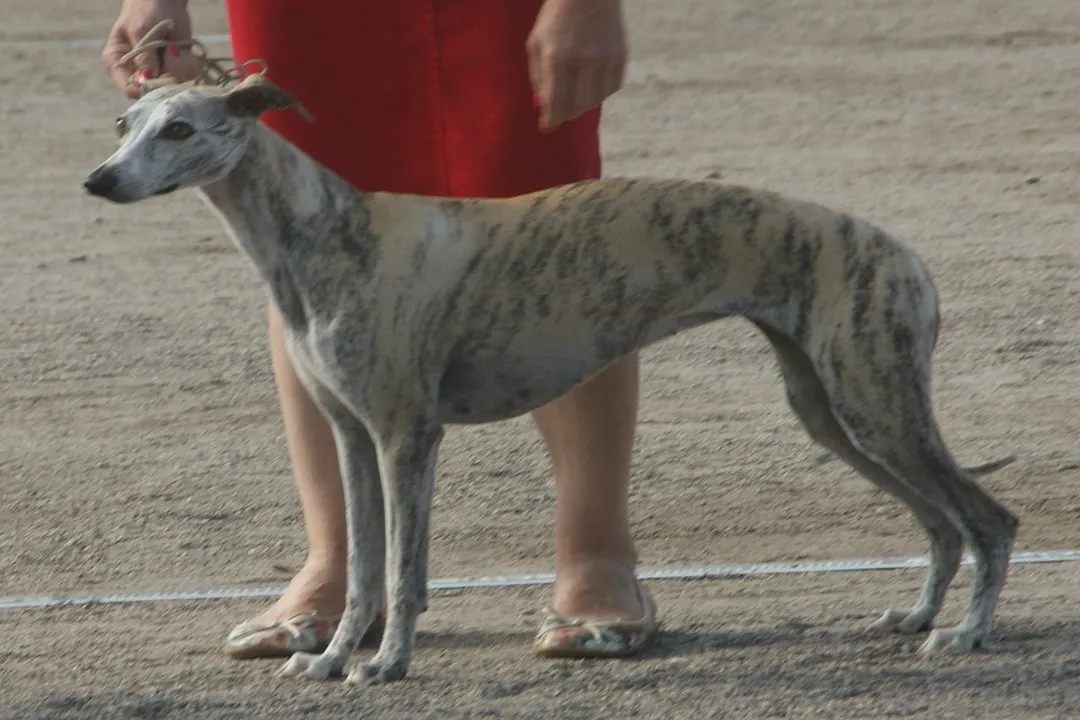
Whippets are often instantly recognizable by their elegant, streamlined profiles, often earning them comparisons to miniature Greyhounds. These dogs possess a unique duality: built for incredible bursts of speed yet possessing a gentle, home-loving nature that makes them highly adaptable companions. [1][2][4] Originating in England, the Whippet developed from a mix of older sighthounds and smaller terrier types, making them perfectly suited for a specific niche: fast rabbit coursing and small game hunting among the working classes. [2][3] This history as the "poor man's racehorse" is key to understanding why they possess such an intense, yet easily satisfied, need for speed. [3][6]
# Ancestry Matters
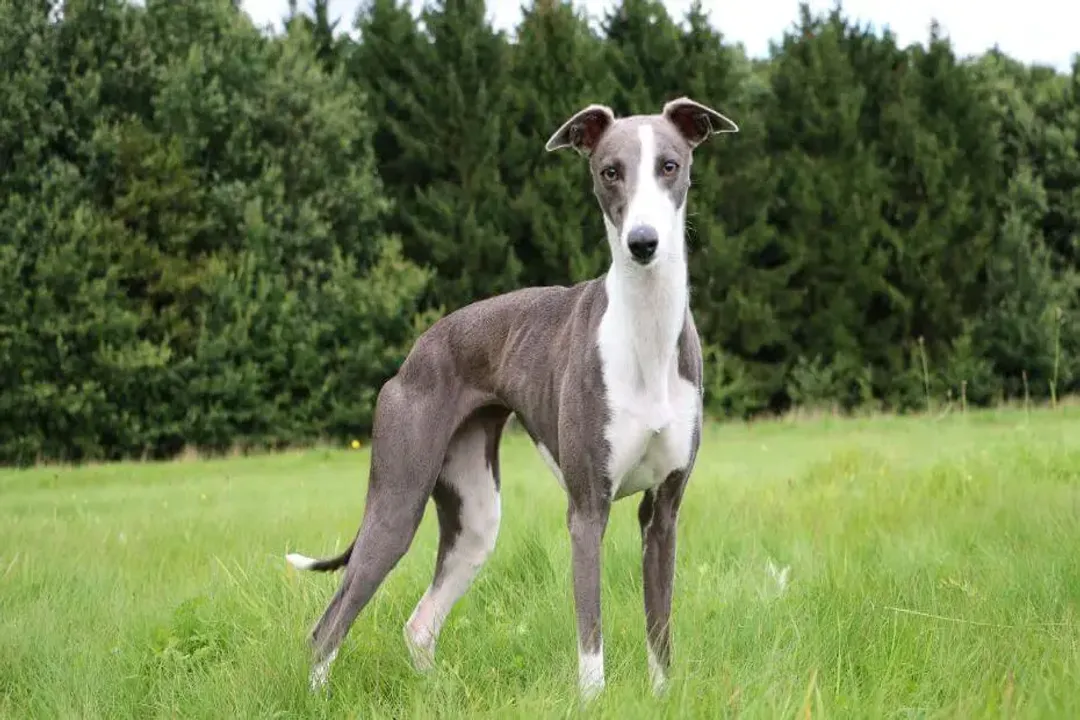
The development of the Whippet is closely tied to the industrial north of England. Breeders focused on combining the speed of the Greyhound with the hardiness and slightly smaller size of other available breeds, perhaps including the smaller Italian Greyhound or various terriers, to create a dog that could run down small game quickly and economically. [2][3] They were purpose-bred for sports where speed was paramount, an activity that required them to be fast but also manageable within a typical household setting. [2] Their official recognition came later, with the American Kennel Club (AKC) accepting the breed into the Hound Group in 1888. [1] The American Whippet Club, established later, further standardized the look and temperament we see today. [4] Despite their racing heritage, they are less common in mainstream dog sports today compared to their historical role, often leading new owners to underestimate the raw athletic capability hidden beneath their calm demeanor. [6]
# Defining Appearance
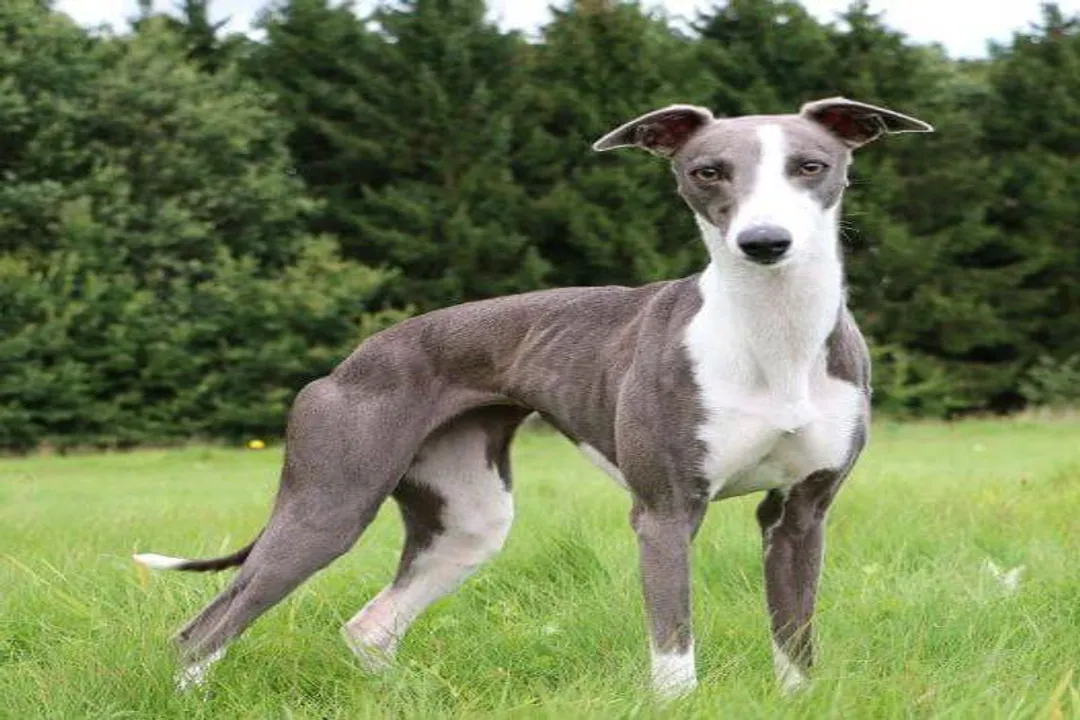
Physically, the Whippet is a study in efficient engineering. They are medium-sized dogs, generally standing between 18 to 22 inches at the shoulder, with weights typically ranging from 25 to 40 pounds. [1][5] Their bodies are finely chiseled: a long, lean head, powerful hindquarters built for propulsion, a deep chest housing large lungs, and a markedly tucked-up abdomen. [2][4] The coat is short, fine, and smooth, lying close to the skin. [1] This sleek exterior means they don't shed excessively, but it also leaves them highly susceptible to temperature changes. [6]
Color is incredibly varied, which adds to their visual appeal. The breed standard accepts almost every color and combination, including solids like black, blue, or fawn, as well as brindle patterns, piebald spots, and combinations with white markings. [1][4] It is interesting to note that while the physical specifications are quite rigid for conformation shows—particularly regarding the smooth arch of the loin and the set of the tail—the palette of acceptable colors is exceptionally broad, perhaps reflecting a historical focus on utility over strict aesthetic uniformity. [4]

# Indoor Manners
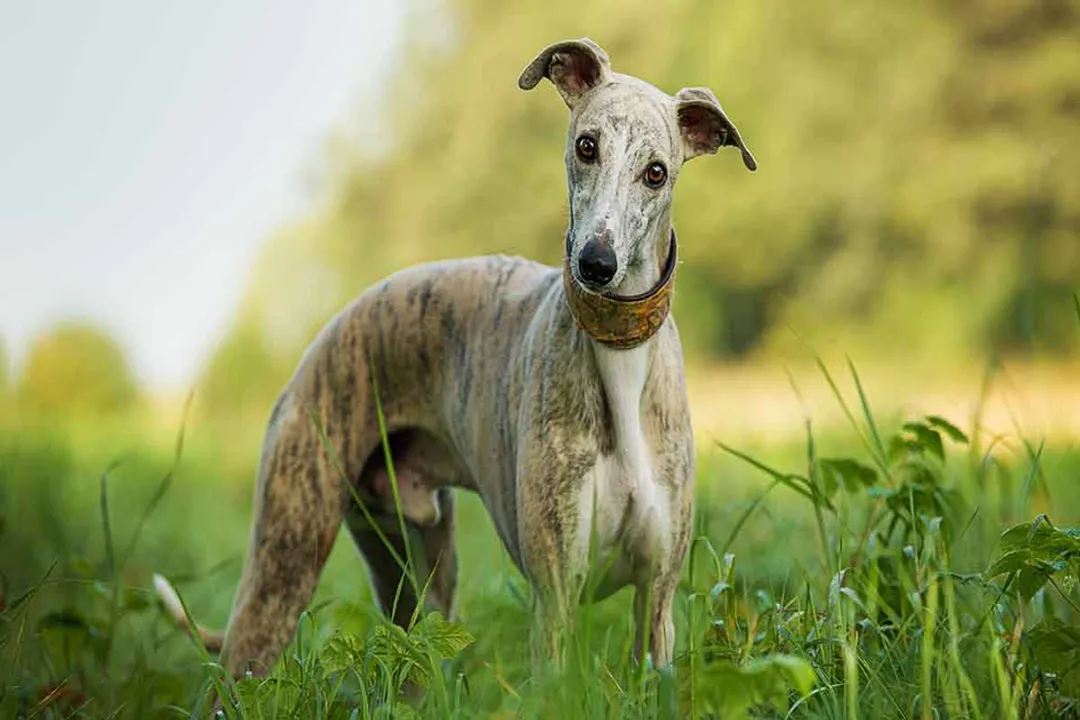
If you are seeking a dog that is high-energy from dawn till dusk, the Whippet is likely not the breed for you. [2] In stark contrast to their high-speed potential, Whippets are famously quiet and placid indoors, frequently earning the nickname "45-mph couch potatoes". [2][6] They are deeply affectionate and thrive on physical closeness with their families, often preferring to sleep touching a person or another pet. [4][5] Many owners report their Whippets are exceptionally sensitive to harsh tones or emotional shifts in the household, making them quite attuned to their owners' moods. [5] They are generally not prone to excessive barking, making them suitable apartment residents, provided their exercise needs are met. [2] While they are often good with familiar children and other pets, their deep-seated prey drive means introductions to smaller, non-canine pets like cats or rabbits must be handled with extreme caution, especially if the dog has not been carefully socialized from a young age. [1][6]
# Running Needs
The core requirement for a happy Whippet is the opportunity to run full-out, which they require several times a week, not just long walks. [2][6] They are sprinters, not marathon runners; they need a fenced area where they can achieve top speed in short, intense bursts, often lasting less than a minute. [2][6] Once they have had their sprint—a true, chin-to-the-ground dash—they are usually content to nap for the next several hours. [6]
One practical consideration many first-time sighthound owners overlook is the immediacy of this transition. A Whippet might go from a flat-out, seemingly unstoppable blur to absolutely motionless, deeply asleep, within minutes of returning indoors. [5] This rapid shift means that creating a soft, warm, and secure resting spot is crucial for their comfort and well-being; they seem almost incapable of settling on a hard, cold floor after exertion, preferring layered blankets and soft human furniture. Think of their running time as mandatory refueling, after which they require peak comfort to recharge for the next bout of speed. [5] Their dedication to speed also means that any training must be positive; they respond poorly to harsh corrections, often shutting down completely rather than complying. [4]

# Canine Health
Whippets are generally hardy dogs, averaging a lifespan of 12 to 15 years. [1] However, like all purebreds, they have specific predispositions to watch for. Common concerns include various eye conditions, such as progressive retinal atrophy (PRA) and cataracts. [1][6] Heart conditions, specifically cardiomyopathy, are also noted concerns within the breed. [6] Responsible breeders screen rigorously for these inherited issues. [4]
Due to their lean, tightly muscled frames and the incredible forces generated during their high-speed sprints, it is worth paying close attention to their orthopedic health, particularly as they age or if they participate frequently in high-intensity play. [2] While they are built for speed, their structure involves delicate joints supporting significant power. If a Whippet overexerts itself, or perhaps lands awkwardly from a misjudged jump off furniture (a common behavior despite their grace), orthopedic issues can arise. Owners should be vigilant about any signs of stiffness or reluctance to move after vigorous activity, and high-quality, joint-supportive nutrition, especially as they enter senior years, is often a sound preventative measure to support those hard-working muscles and tendons. [2]
# Maintenance Needs
Grooming is perhaps the easiest aspect of Whippet ownership. Their short, smooth coats require very little attention—usually just a quick weekly wipe-down with a damp cloth or a brief brushing to remove loose hair. [1][4] They are relatively clean dogs and generally do not carry a strong "doggy odor". [2]
The main grooming concern is cold. Because they have very little body fat and thin skin, Whippets are extremely sensitive to low temperatures. [4][6] They often shiver when the mercury drops. [2] In most climates outside of the warmest months, providing a coat or sweater for outdoor excursions is not just a fashion statement; it is a necessity for comfort and health. [6] Furthermore, because their nails are dark, owners must be careful when trimming to avoid cutting into the quick, a process that requires good lighting and slow, careful cuts. [4]
# Temperament Comparison
When comparing the Whippet to its larger relative, the Greyhound, the differences in daily living become clear, even though the ancestry is shared. [3] While Greyhounds often have a higher endurance for medium-paced activity, the Whippet excels at explosive, short-duration speed, followed by immediate rest. [3] In terms of general household compatibility, both are known for being gentle giants indoors, but the Whippet is sometimes described as having a slightly more sensitive or clingy personality, bonding intensely with a very small number of people. [5][4] This need for closeness means that while they can tolerate being left alone occasionally, they do not generally fare well as dogs who spend the majority of their time isolated in a kennel or backyard. They thrive when they are fully integrated into the family environment, often seeking out the warmest, softest spot near their people. [2][5]
#Videos
WHIPPET Dog Breed | Characteristics, Care and Health - YouTube
Related Questions
#Citations
Whippet Dog Breed Information - American Kennel Club
11 Whippet Facts: Enter the Wondrous Whippet World
Whippet - Wikipedia
About Whippets
What is your experience with Whippets, are they cuddly? - Reddit
Whippet Dog Breed Information | Purina UK
Whippet - PDSA
WHIPPET Dog Breed | Characteristics, Care and Health - YouTube
Whippet Dog Breed - Hill's Pet Nutrition