Which state has the most king cobras?
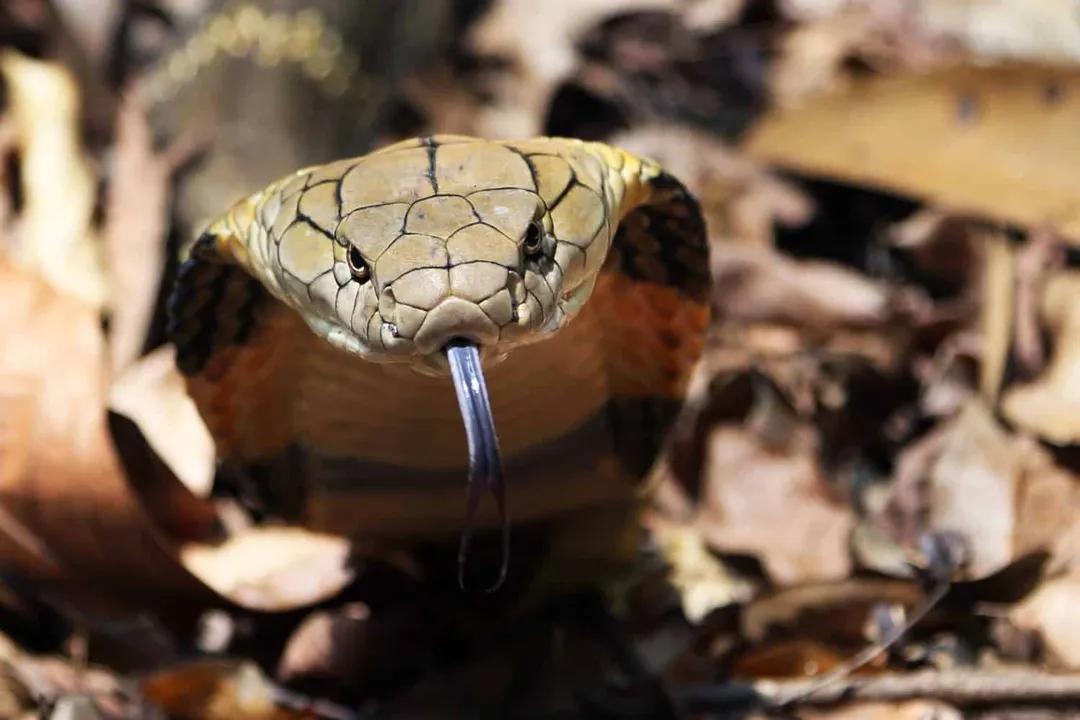
The question of where the highest concentration of King Cobras resides immediately directs us away from the continental United States and toward the dense, humid forests of Asia. The Ophiophagus hannah, the world's longest venomous snake, is fundamentally a creature of the Eastern and Southern Asian tropics. [1][4] Its native range sweeps across countries like India, Southern China, and much of Southeast Asia, including Malaysia, Indonesia, and the Philippines. [1][4] In these regions, where suitable habitat persists, their population density is dictated by forest health and local prey availability, though precise state-by-state counts comparable to domestic wildlife surveys simply do not exist for such a secretive species across their vast, often politically complex native range. [4]
# Native Range Dynamics
The King Cobra's natural distribution spans a significant portion of the Asian continent, reflecting a historical adaptation to diverse tropical and subtropical environments. [1] They thrive in evergreen forests, scrublands, mangrove swamps, and even cultivated areas, provided there is sufficient cover and a steady supply of prey, primarily other snakes. [1] In their native territories, spotting one is a rare and often dangerous event. Their behavior generally involves avoiding human contact, though habitat encroachment increases the likelihood of encounters. [4]
When considering which Asian state or province might hold the highest number, the data becomes speculative, leaning on habitat suitability rather than concrete census figures. Areas within India's Western Ghats or the deep jungles of Borneo and Sumatra might statistically support higher densities due to extensive, relatively undisturbed primary forest cover. [4] However, this remains an ecological estimation based on preferred biome rather than documented population monitoring.
# King Cobras in the United States
When the conversation shifts to American states, the answer becomes definitive: no state naturally has a wild, established population of King Cobras. [8] They are not indigenous to North America. [1] Therefore, any King Cobra found within the fifty states exists in captivity, which breaks down into two main categories: accredited zoological facilities and private collections. [8]
If one were to interpret the question as "Which US state houses the most King Cobras in zoos or registered collections?", the answer becomes dependent on fluctuating animal inventories and varying state legislation. Major zoological institutions, like the Smithsonian's National Zoo, often house these impressive reptiles for conservation, education, and research purposes. [6] States with large, established zoo networks or lenient exotic animal laws might theoretically have a higher captive count. [8]
It is fascinating to consider the regulatory environment across the US regarding such potent animals. While a state like Florida is known for high reptile diversity, its strict regulations often govern what can be kept privately, whereas states with fewer regulations might see a higher, though often undocumented, number in private hands. [8] This situation contrasts sharply with the management of native snake populations, where data might be gathered on species like rattlesnakes across state lines, as referenced in general state-by-state snake population rankings. [9] King Cobras exist in a legal and ecological vacuum within the US, entirely divorced from the natural dynamics that influence native snake counts. [9]
# Defining the Apex Predator
Understanding why finding a "state with the most" is difficult also requires appreciating what the King Cobra is. It is an ophiophagous species, meaning it specializes in eating other snakes—a behavior that sets it apart from many other large venomous snakes. [1] This dietary specialization dictates where they live: areas with sufficient snake diversity and density to sustain them.
# Size and Venom Load
The sheer scale of the King Cobra contributes to its notoriety. They are the longest cobras in the world. [2] While the average length for a wild individual might be around 10 to 13 feet, exceptional specimens have been recorded at over 18 feet. [2] The sheer volume of venom they can deliver is also significant. A single bite can inject enough neurotoxic venom to kill an elephant or multiple humans, making them one of the most medically significant snakes globally. [7]
This potent combination of size and venom load is a key factor in how they are managed, even in captivity. Facilities housing them must adhere to extremely high standards for enclosure security and staff training, going far beyond the requirements for less dangerous local reptiles. [6]
| Characteristic | Measurement/Fact | Source |
|---|---|---|
| Maximum Recorded Length | Over 18 feet (5.5 meters) | [2] |
| Primary Diet | Ophiophagous (Other Snakes) | [1] |
| Key Toxin Effect | Neurotoxic | [7] |
| Native Distribution | South and Southeast Asia | [4] |
# Captive Considerations and Legal Variation
The focus on captive populations in the US suggests an interesting secondary analysis. The total number of King Cobras in the US is almost certainly low compared to the populations in their native range, yet the impact of an escaped individual in an American suburb is arguably far greater than in a dense Asian jungle where other predators and a wider ecosystem buffer exist. This is because an escaped King Cobra in a state with mild winters (perhaps Florida or Texas) could potentially establish a small, temporary feral population if released near a suitable food source and adequate cover before being captured or succumbing to an unusual cold snap.
For instance, a state like California, which has very strict exotic pet laws, likely houses fewer King Cobras in private hands than a state with less stringent oversight, even if both states possess comparable accredited zoos. Therefore, tracking the "most" requires separate, often proprietary, data from state wildlife agencies regarding exotic pet permits versus public zoo inventories.
This leads to an original consideration: the distribution of potential risk. A state with a few hundred thousand native, non-lethal snakes (like some in the Midwest where populations are high [9]) presents a low public health risk regarding lethal venom, whereas a state with just three King Cobras housed in unregulated private collections near a major metropolitan area might represent a higher acute, catastrophic risk profile, even if the raw population number is minuscule. The answer to "which state" may need to be reframed by risk assessment rather than raw numbers.
# Misconceptions and Native Cobras
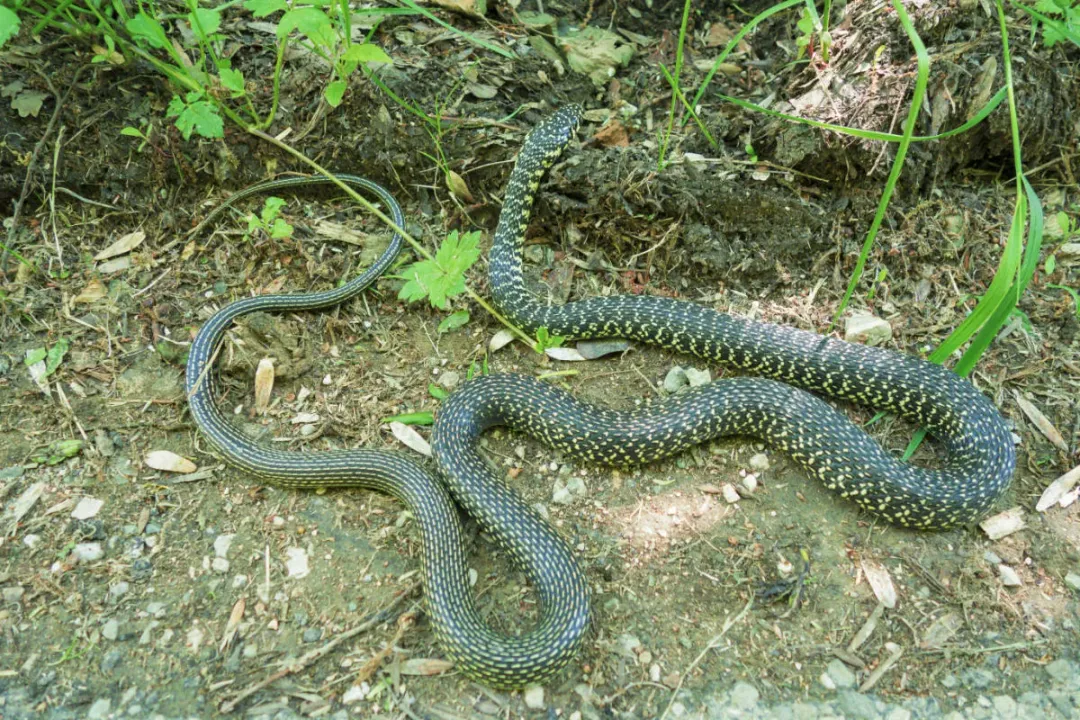
It is essential to separate the King Cobra (Ophiophagus hannah) from other snakes often referred to simply as "cobras" or from the native venomous snakes found within the US. People often conflate the term, especially when looking for information on snakes found domestically. [8] The true cobras, characterized by their neck hood, belong to the family Elapidae. [1]
In the US, the most dangerous native snakes are pit vipers, such as rattlesnakes, copperheads, and cottonmouths, which are structurally and venom-wise very different from the King Cobra. [7] General surveys of snake populations by state, which catalog native species, will never include the King Cobra. [9] If an average reader in the US sees a "cobra," it is overwhelmingly likely to be a native species mistaken for a true cobra or, in the context of a captive animal, perhaps an escaped, non-native species like a King Cobra or spectacle cobra. [8]
# Maintenance in Captivity
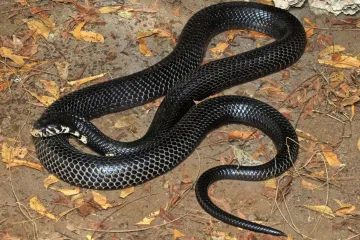
The high requirements for maintaining King Cobras explain why their numbers are limited outside Asia. They require large enclosures—far larger than those needed for smaller venomous snakes—to accommodate their length and encourage natural behaviors. [6] They also need highly specific thermal and humidity gradients, mimicking their native tropical habitat. [6]
For zoos, the commitment extends beyond space and climate control; it involves highly specialized anti-venom protocols and staff training. An incident involving a King Cobra, even a minor one, requires immediate and expert medical intervention due to the massive venom yield. [7] This specialized infrastructure naturally concentrates these snakes in facilities that can afford and maintain such rigorous safety standards. For example, a facility might need to maintain a dedicated stock of appropriate anti-venom, which is often not commercially available for non-native, highly specialized species like the King Cobra, relying instead on protocols involving cross-reactive venoms or specialized orders. [6] This operational complexity acts as a self-limiting factor, keeping the US population small and centered in well-equipped zoos.
We can draw another original point here regarding international movement. Given the snake's status and the potential for illegal trade, any state with a major international shipping hub or lax border enforcement might theoretically see more transient or illegally imported specimens, even if they don't remain long-term. This "traffic point" metric, distinct from permanent residency, offers a different way to analyze potential presence, though concrete data on smuggling seizures is rarely public on a state-by-state level.
# Global Distribution Summary
Ultimately, the King Cobra's distribution is a story of two worlds: the wild, dense jungles of Asia where they thrive in complex ecosystems, and the controlled, highly regulated environments of the Western world where they exist purely as subjects of human interest or study. [1][4] Whether you are reading an old post discussing encounters in an Indian village [3] or looking at a modern zoo's animal profile, [6] the context shifts dramatically. The state with the most King Cobras is determined by which Asian nation retains the most intact rainforests capable of supporting their secretive existence, a figure that remains largely unquantifiable but is certainly far greater than the total count in any single US state. [4]
Related Questions
#Citations
King cobra - Wikipedia
The Largest King Cobra in the World Was Longer Than an SUV!
Which state has the largest amount of poisonous snakes? - Facebook
Where Do King Cobras Live? - World Atlas
New species of king cobra discovered in India, photos show
King cobra | Smithsonian's National Zoo and Conservation Biology ...
The King Cobra is an extremely venomous snake that is ... - Reddit
Where are you most likely to see a cobra in the US? - Quora
Snake Population by State 2025 - World Population Review