Do speckled king snakes shake their tails?
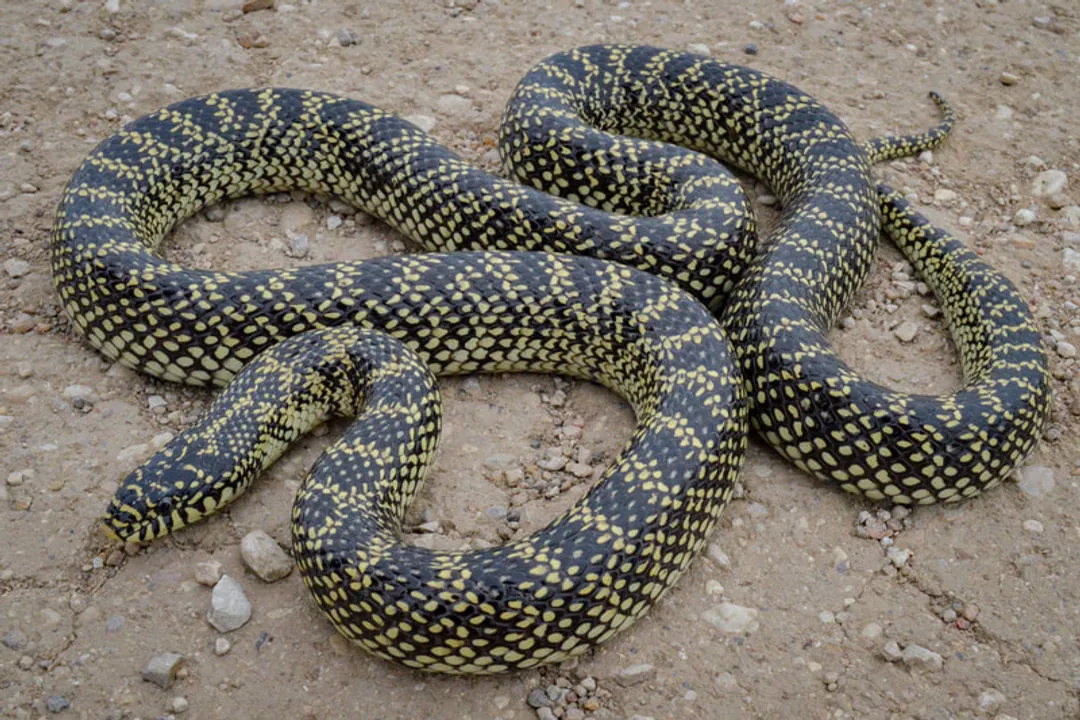
The characteristic movement of vibrating the tail in certain snakes often prompts immediate concern, especially among those unfamiliar with the specific behaviors of non-venomous species like the Speckled Kingsnake (Lampropeltis holbrooki). This behavior, which involves rapid rattling or buzzing, is frequently mistaken for the warning signal of a true rattlesnake. While this kingsnake species does not possess a keratinous rattle, it has developed a distinct way to mimic the sound and threat display of its venomous neighbors. Understanding when and why a Speckled Kingsnake engages in tail shaking is central to appreciating its natural defense mechanisms and managing it safely, whether in the wild or in captivity.
# Defensive Action
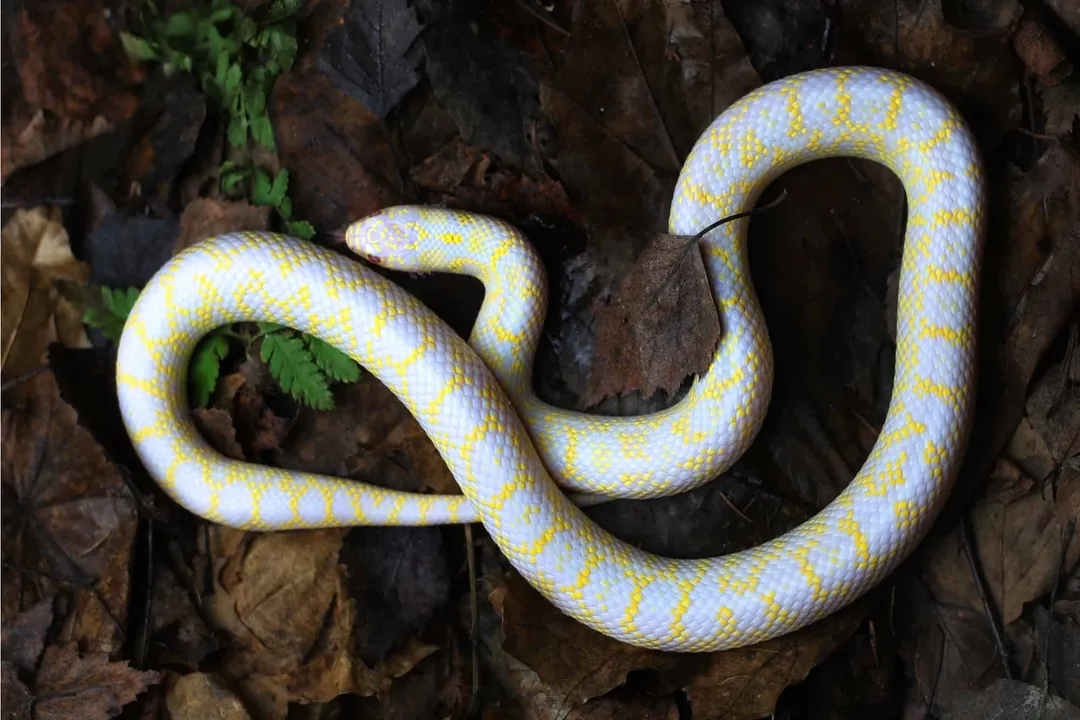
When a Speckled Kingsnake feels threatened, cornered, or highly annoyed, its instinct is to escalate its defensive posture, and tail vibration is a key component of this threat display. This action is rarely initiated unless the snake perceives a genuine danger that requires an intense warning signal. Observers have noted this behavior across various regions where the species resides, including areas like Missouri and Arizona, indicating it is a widespread defense mechanism for L. holbrooki.
The physical action involves the snake rapidly vibrating the end of its tail, which produces a buzzing sound that can startle a potential predator or perceived threat. This defense is designed to make the non-venomous snake appear more dangerous than it actually is, often leveraging mimicry to deter an attack.
# Rattler Likeness
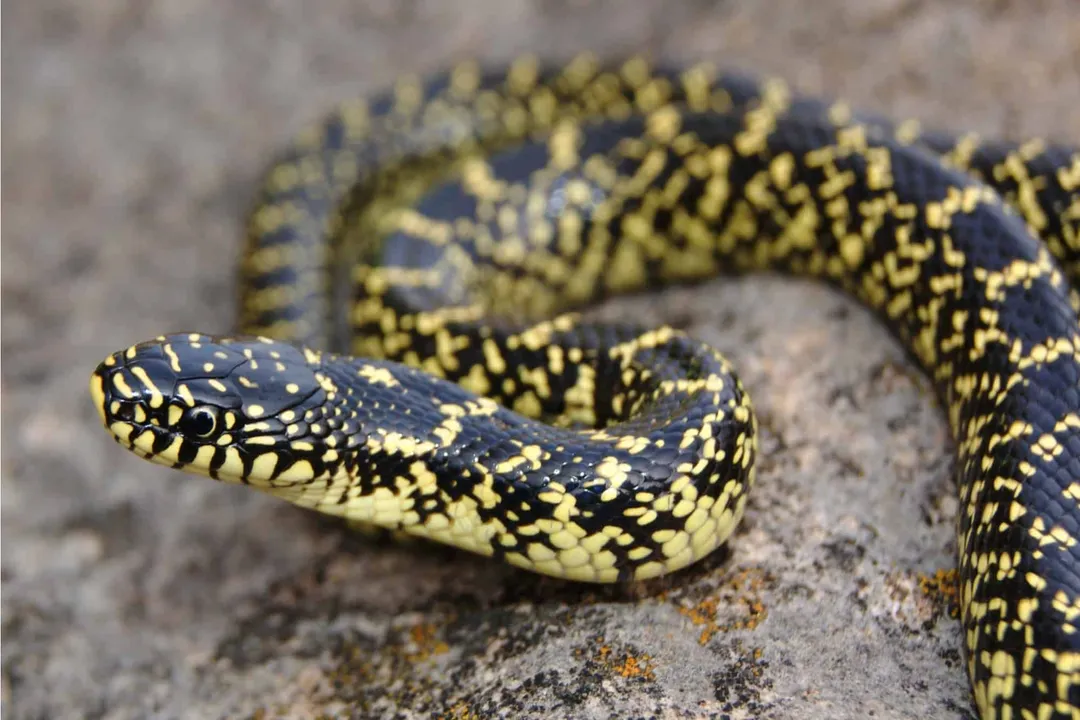
The effectiveness of the tail shake is intrinsically linked to the Speckled Kingsnake’s appearance. Its dark body speckled with lighter spots often provides excellent camouflage, but when combined with the tail vibration, it creates a dual-threat illusion. This mimicry is highly specific; the buzzing sound is an attempt to sound like the tell-tale rattle of a pit viper.
A fascinating aspect of this mimicry is its dependence on the environment. In its native habitat, the snake can enhance the sound by pressing its rapidly vibrating tail against dry leaves, twigs, or other coarse substrates found on the forest floor. Imagine a snake in a brushy area; the sound created when the tail scrapes against leaf litter can be remarkably convincing, serving as an auditory illusion against snakes that truly possess rattles.
This reliance on substrate is a crucial differentiator when comparing the king snake’s defense to that of a true rattlesnake. For instance, if a Speckled Kingsnake is placed on a smooth, non-resonant surface like a glass terrarium floor or a hard tile, the sound produced will be significantly muted or nonexistent. This highlights an evolutionary adaptation that relies on environmental context to maximize deterrence effectiveness, a less direct adaptation than the inherent rattle of a viper, but still a successful bluff.
# Habitat Role
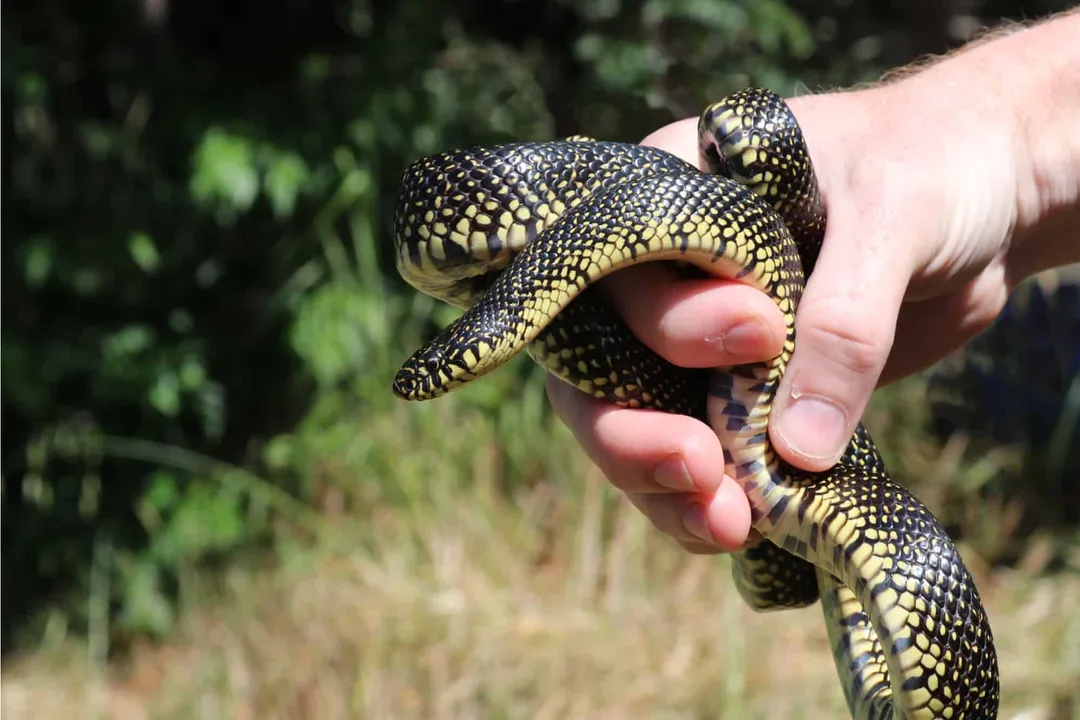
The Speckled Kingsnake is indigenous to areas including Missouri, where it is documented as part of the local fauna. These reptiles are adaptable, occupying diverse habitats ranging from woodlands and prairies to rocky hillsides. Their general disposition is that of a predator, famous for consuming rodents, birds, and, significantly, other snakes, including venomous species like rattlesnakes.
Their diet naturally positions them in direct competition or conflict with venomous species, making the ability to deter an attack, rather than always engaging in combat, advantageous for survival. While their primary defense against a predator might be flight or hiding, the tail shake serves as a last-resort alarm signal against anything large enough to pose a threat to an adult or juvenile snake.
# Keeper Context
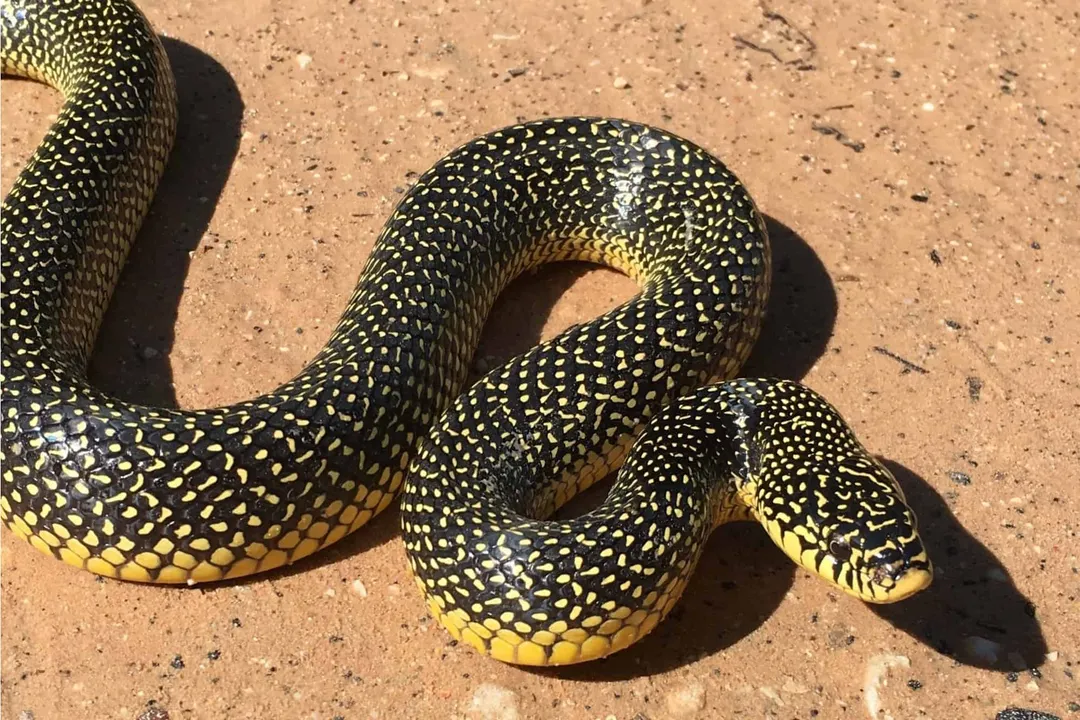
Observations of this tail-shaking behavior are not limited to the field; they frequently occur when these snakes are kept as pets. In a captive setting, the stimuli that trigger the display are often related to handling, enclosure changes, or the mere presence of a perceived giant—the keeper. A situation where a snake has recently been rehomed, for example, can place a high level of stress on the animal as it adjusts to a new environment, new smells, and new routines.
When a keeper observes tail shaking in a captive Speckled Kingsnake, it is a clear, undeniable signal that the snake is experiencing elevated stress or fear. It is not merely a casual movement; it is a high-stakes warning indicating the snake feels its safety is compromised. For those caring for these animals, recognizing this specific behavior—the buzz—is essential for responsible husbandry.
# Boundary Signaling
The difference between a kingsnake vibrating its tail and a rattlesnake shaking its rattle lies in the underlying mechanism and the final outcome for the defender. The kingsnake is putting on a show to avoid being harmed, whereas the rattlesnake is armed with potent venom to back up its warning.
From a management perspective, tail shaking should always be treated as a definitive stop sign. If you are handling a Speckled Kingsnake and it begins to vibrate its tail, the most immediate and appropriate action is to gently cease whatever activity is causing the agitation, such as handling or unwanted prodding, and return the snake to a secure location in its enclosure or leave it undisturbed. Continuing to interact after the buzzing starts is likely to escalate the situation, as the snake’s perceived threat level remains high. This offers a consistent protocol for interaction: a calm snake is safe to observe, but a shaking tail demands immediate deference to the animal's need for space and security. This simple rule helps maintain a relationship built on trust, even with a naturally defensive species.
Related Questions
#Citations
Tail shaking in rehomed California kingsnake : r/snakes - Reddit
Speckled Kingsnake - Missouri Department of Conservation
Kingsnakes rattle tails to intimidate predators - Facebook
Speckled Kingsnake - coparc
Speckled Kingsnake Animal Facts - Lampropeltis holbrooki
Speckled Kingsnake - Facts, Diet, Habitat & Pictures on Animalia.bio
A Comprehensive Guide to the Speckled Kingsnake - Owlcation