What do snouted cobras eat?
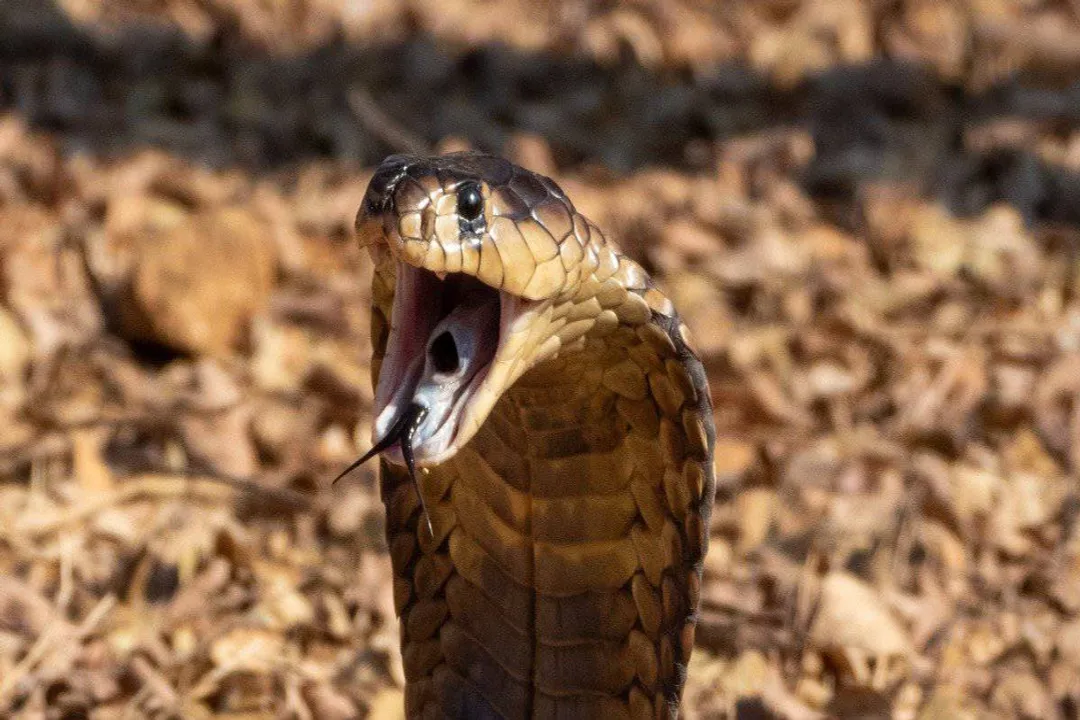
The Snouted Cobra, Naja annulifera, maintains a flexible and opportunistic diet across its Southern African range, which includes dry and moist savannas, bushveld, and Lowveld habitats. As a carnivore, its feeding strategy is dictated by what is available during its nocturnal foraging periods, though it may also be active during the day in cooler weather.
# Primary Prey
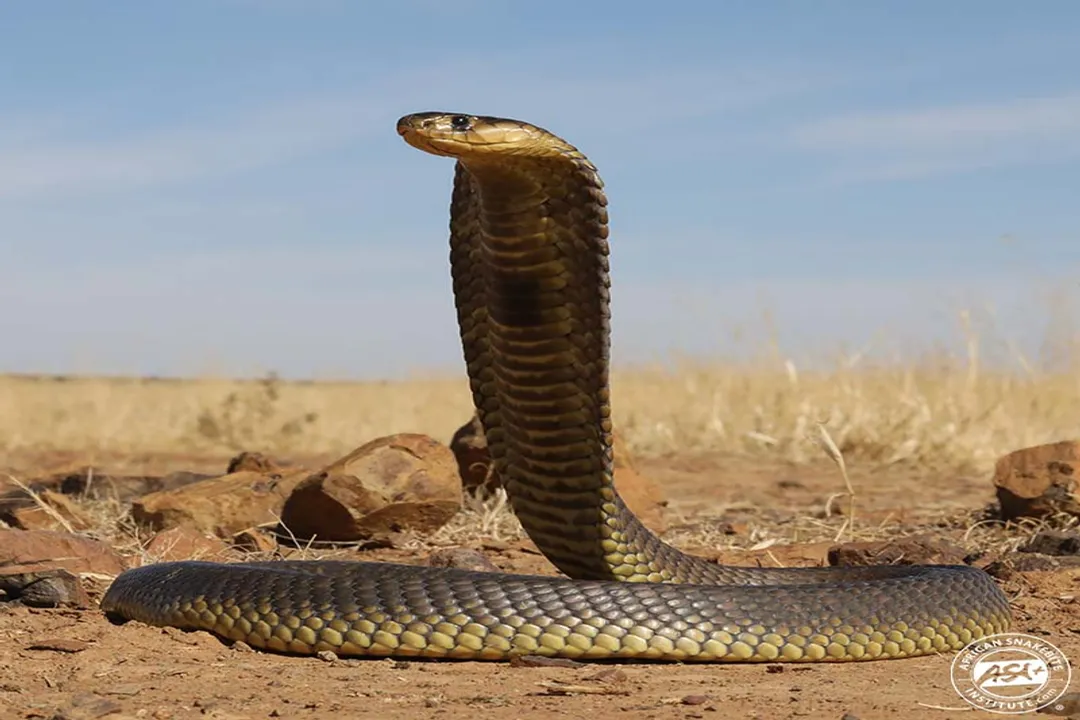
The foundation of the Snouted Cobra's diet generally consists of small, readily available vertebrates. Rodents, such as mice and rats, form a significant component of the menu, making them important regulators of local small mammal populations. Alongside these mammals, birds and their eggs are also targeted prey items.
The next prominent group in their consumption habits involves amphibians and reptiles. Toads are specifically noted as being particularly favored by some individuals. Lizards also feature regularly in their dietary intake. While most sources agree on these general groups, a subtle variation exists in how often certain items are mentioned; for instance, toads are highlighted multiple times as a key component in some descriptions, suggesting they might be a crucial seasonal or regional food source.
When considering the energetic cost of hunting, the reliance on warm-blooded prey like rodents and birds is noteworthy. These endothermic meals provide a high, concentrated source of energy, which is essential for sustaining the relatively large body of a Snouted Cobra, which can exceed 2.5 meters in length. However, the consumption of ectotherms like toads and lizards provides a steadier, albeit lower-yield, source of nourishment, illustrating a balanced, risk-adjusted foraging strategy across changing environmental conditions.
# Specialized Meals
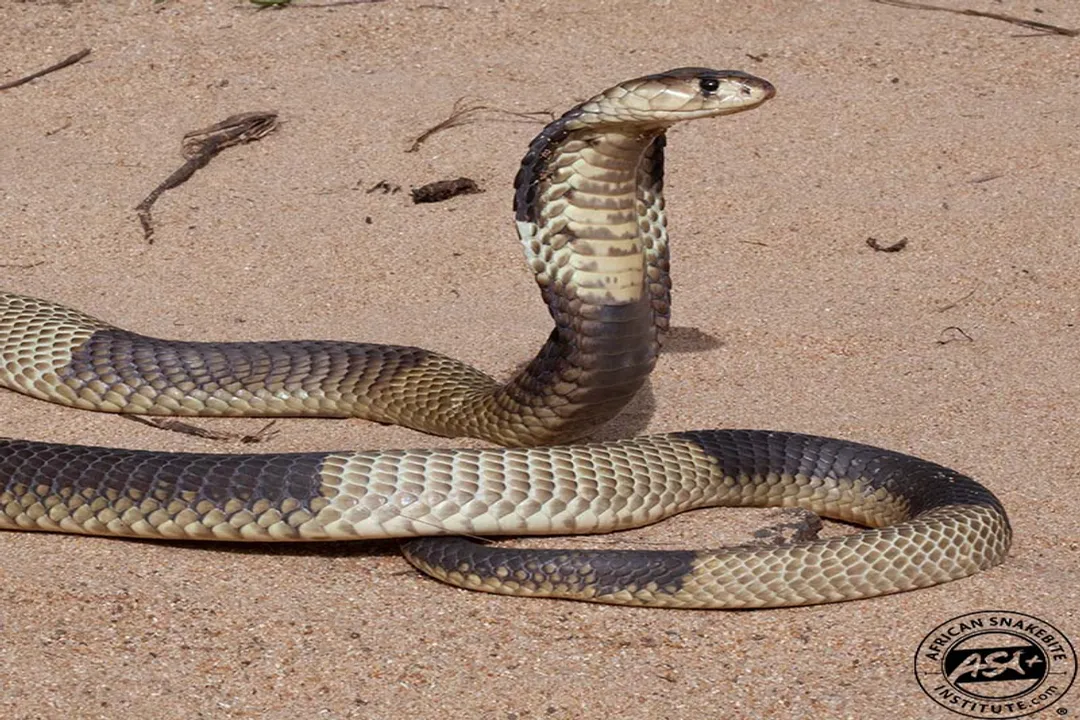
What sets the Snouted Cobra’s diet apart is its willingness and ability to consume other snakes, a behavior known as ophiophagy. They are known to consume other snake species, including other venomous ones, with the Puff Adder being specifically mentioned as prey. This level of predation on other dangerous reptiles is significant, suggesting the cobra is either immune to, or highly adept at avoiding, the toxins of its peers. For those living in areas where Snouted Cobras and other venomous species coexist, this predatory behavior acts as a natural, albeit risky, form of biological control within the reptile community. Young cobras, conversely, are restricted to smaller meals, typically consuming prey items they can manage to swallow whole in a single attempt.
# Hunting Techniques
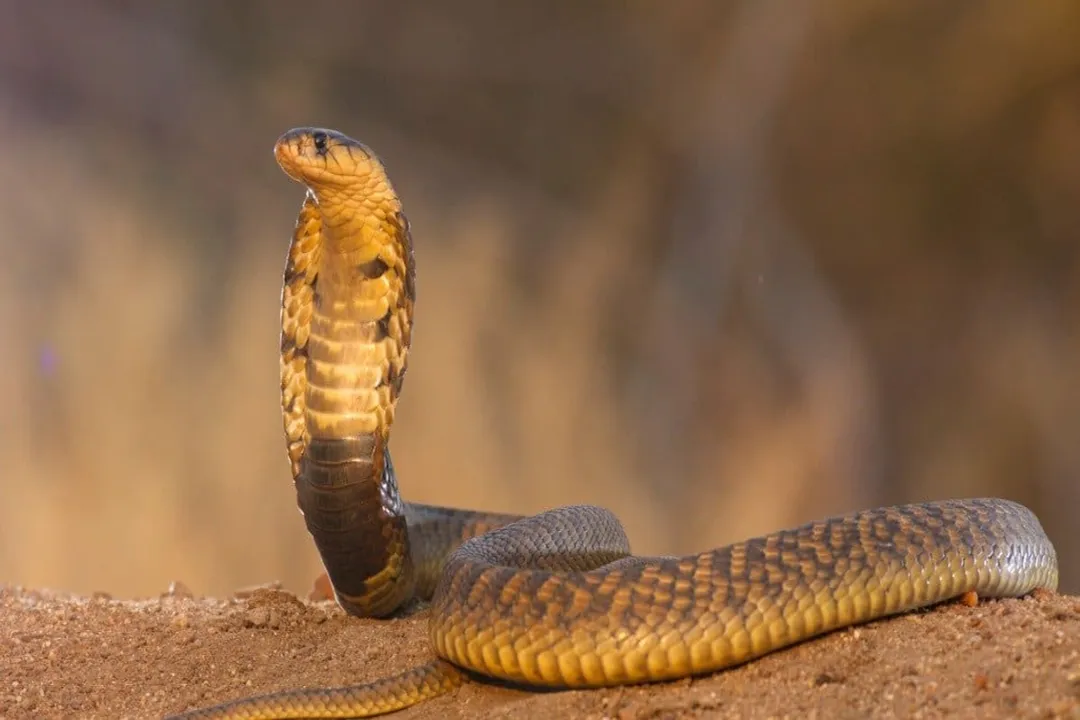
The Snouted Cobra is described as an active hunter, using its keen senses to track down meals. They employ excellent night vision to navigate and locate prey after dusk. Once a suitable meal is detected, the strike is rapid, injecting venom via their sharp fangs to immobilize the target. A crucial detail observed in their feeding routine is that they do not always immediately release their prey after biting. Instead, the snake will often hold onto the victim until the venom has fully taken effect, ensuring the prey is subdued before being swallowed whole. This persistence is a key characteristic of how they secure larger or more active meals like birds or small mammals.
# Dietary Comparison
The general diet of the Snouted Cobra aligns broadly with other larger African elapids, focusing on rodents, birds, and amphibians. However, the consistent mention of them consuming other snakes, particularly the heavy-bodied Puff Adder, distinguishes this species somewhat in the literature available. While other cobras might occasionally prey on small lizards or frogs, the Snouted Cobra’s reported proficiency in taking down other snakes suggests a specialized niche or perhaps a reflection of the high density of snakes within their preferred savanna/bushveld environment. If the local environment has an overabundance of one prey type, such as toads during a rainy season, the cobra's diet will shift heavily toward that resource until it becomes less available or until the snake moves on to establish a residence near more abundant resources, often an abandoned termite mound. This adaptability is vital for survival in the variable climate zones they inhabit.
The general list of prey items is summarized below:
| Prey Group | Specific Examples Mentioned | Source Confirmation |
|---|---|---|
| Mammals | Rodents, mice, rats | ,,,,, |
| Birds | Birds, chickens (near farms) | ,,,,, |
| Amphibians | Toads | ,,, |
| Reptiles | Lizards, other snakes (e.g., Puff Adder) | ,,,,, |
| Other | Bird eggs, insects | ,, |
Understanding this varied menu is helpful when trying to manage property where these animals are present. Since they frequent areas with rodents, their presence near human settlements is often a direct consequence of the availability of those small mammal populations, not necessarily an aggressive pursuit of livestock, although raiding farms for poultry does occur.
#Videos
Snouted Cobra (Naja annulifera) - YouTube
Related Questions
#Citations
Snouted Cobra - Facts, Diet, Habitat & Pictures on Animalia.bio
Snouted Cobra - African Snakebite Institute
Snouted Cobra - Naja annulifera - A-Z Animals
Snouted Cobra - Reptilia Zoo
Snouted Cobra - Reptiles - South Africa Online
Snouted Cobra (Naja annulifera) - YouTube