Are snouted cobras aggressive?
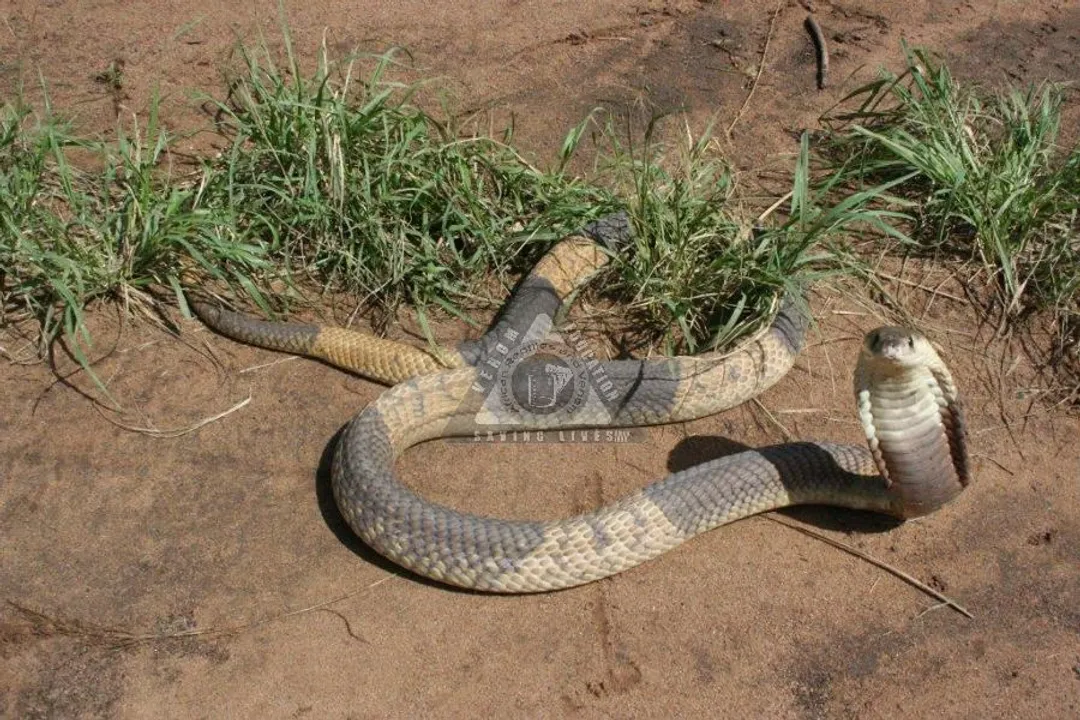
The Snouted Cobra, scientifically known as Naja annulifera, is a species whose reputation often precedes it, largely due to its potent venom. When assessing whether this snake is inherently aggressive, the consensus among herpetological sources leans toward a defensive posture rather than an actively predatory or aggressive one toward humans. [7][8] They are generally described as shy snakes that prefer to avoid conflict whenever possible. [6]
# Venom Potency
Before discussing behavior, it is essential to frame any potential interaction by understanding the danger posed. The venom of the Snouted Cobra is uniformly described as highly toxic. [2][3][7] Medically, the venom contains a mixture of neurotoxins and cytotoxic elements. [6][8] This means that a bite can lead to effects ranging from paralysis and respiratory failure due to neurotoxins to severe local tissue damage caused by the cytotoxic components. [2][8] Given this significant hazard, even a defensive reaction requires utmost respect and distance. [1]
# Temperament Assessment
A key distinction in herpetology is between aggression (the act of initiating a fight) and defensiveness (reacting to a perceived threat). The Snouted Cobra falls firmly into the latter category. [4][7] They do not typically seek out encounters with larger animals or humans. [6] If an individual spots a person, its primary instinct is usually to retreat or remain hidden. [6][8]
This tendency toward avoidance means that defensive reactions—the behaviors often misinterpreted as aggression—only manifest when the snake feels trapped, cornered, or physically harassed. [4][7] When they are simply moving through their environment, they are often described as quite docile. [6]
# Habitat Context
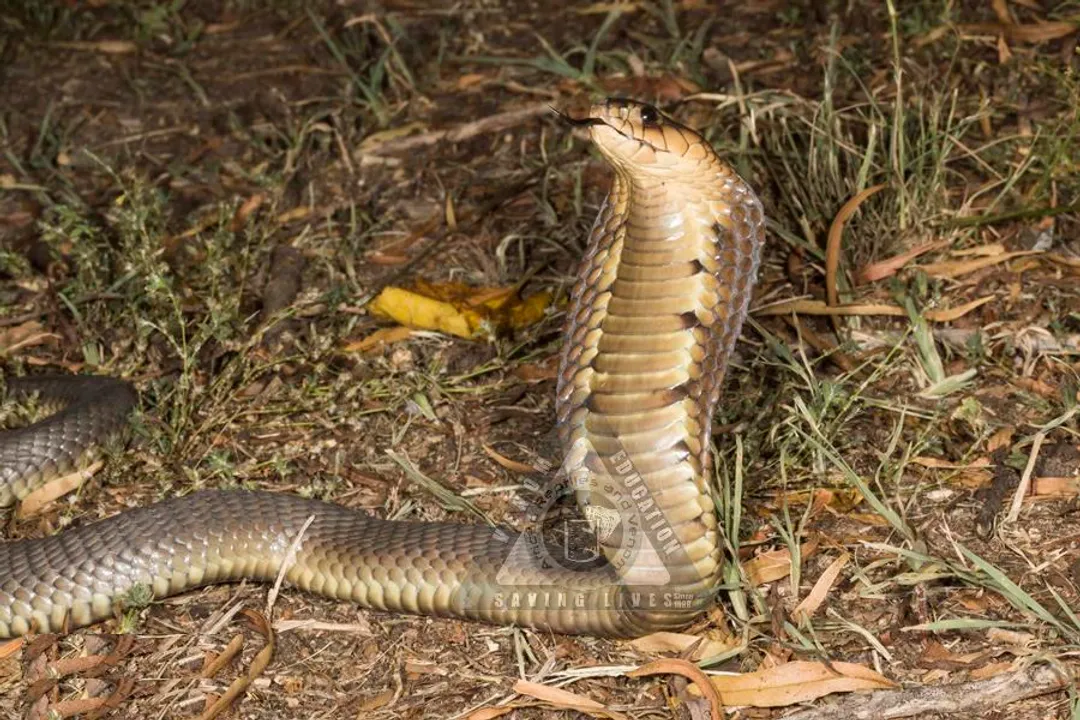
Understanding where the Snouted Cobra lives also informs encounter probability. These snakes are native to Southern and Eastern Africa, including regions like Limpopo. [2][4][6][7] Their behavior is also tied to their activity cycles. They are largely nocturnal, [2][3] meaning they do their main foraging and movement under the cover of darkness. [3] During the daylight hours, they typically remain hidden away, suggesting fewer accidental daytime disturbances. [2]
Because they spend the day concealed, their territory might overlap with human habitation without incident, provided their hiding spots are not disturbed. [2] For those living or working in these regions, understanding that the snake is most active when visibility is lowest can influence safety precautions. [3] For instance, exercising caution when clearing woodpiles or entering storage sheds during the night or early morning offers an extra layer of passive protection. [2]
# Defensive Display
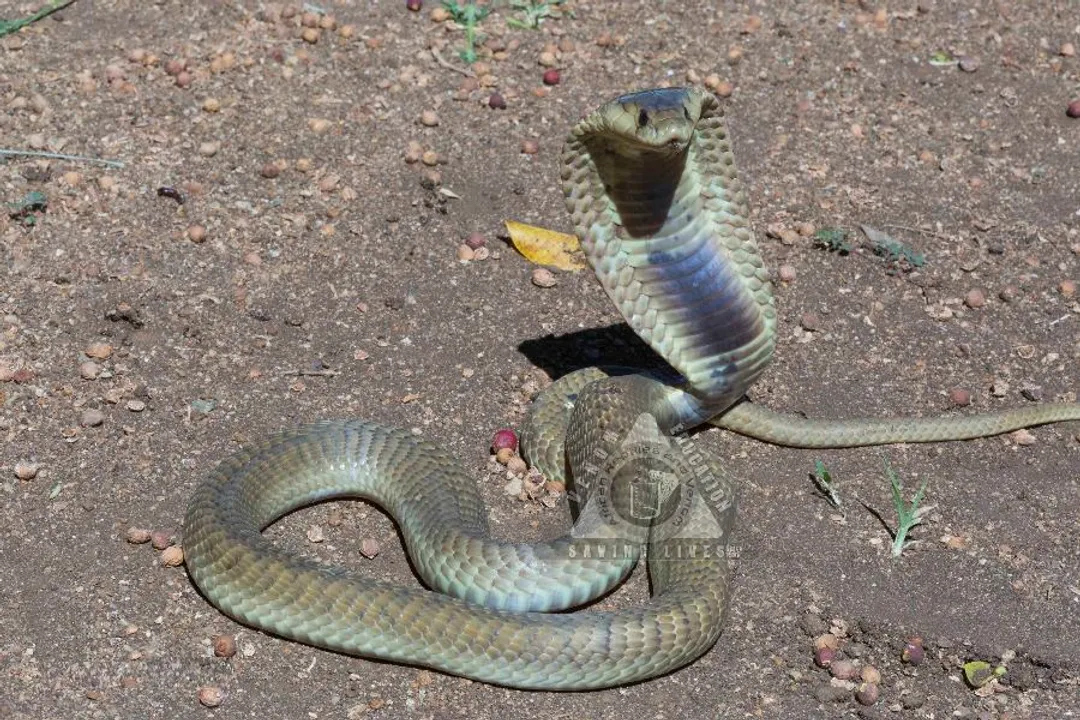
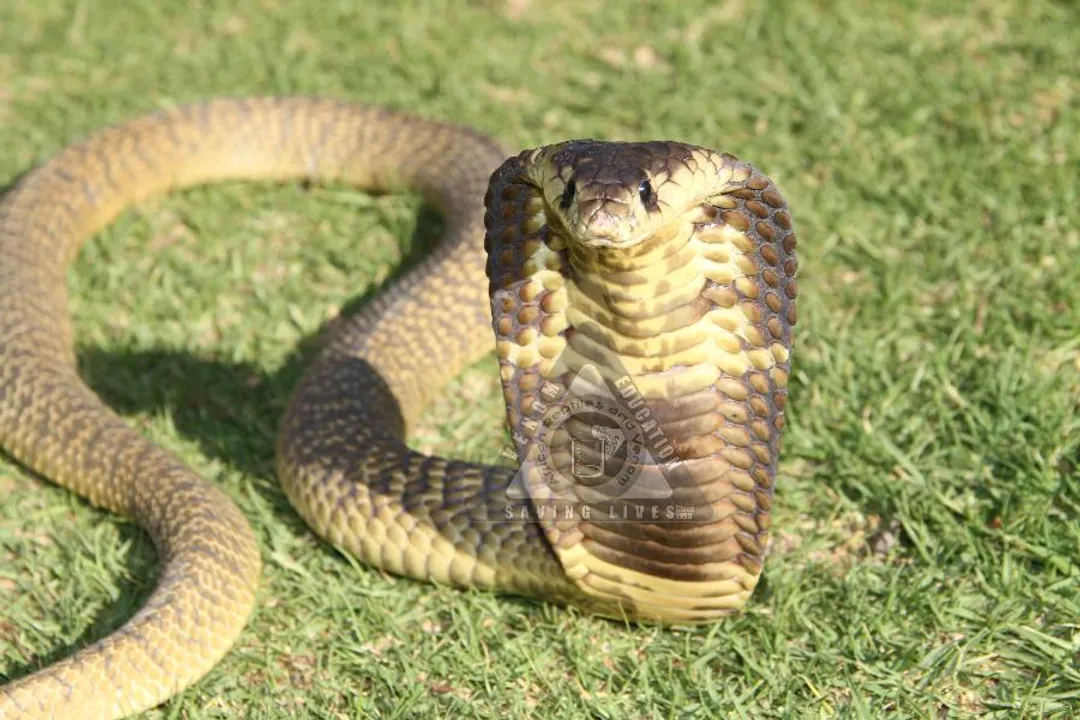
When avoidance fails or the snake is suddenly surprised, it engages in a clear, dramatic warning sequence before resorting to biting. [4][8] This display is critical for observers to recognize. The initial steps usually involve flattening and spreading the neck ribs to form the characteristic hood. [4][9] Simultaneously, they often emit loud, sustained hissing sounds. [4][6]
Crucially, the display often includes what are known as bluff strikes or mock charges. [1][4] In a bluff strike, the snake will lunge forward aggressively, often striking with its mouth closed, or making contact without injecting venom. This is a final, serious warning designed to frighten the perceived threat away. The severity of the defensive posture—a full hood combined with intense hissing and rapid forward movements—is a direct indicator of how threatened the snake feels. [4] The snake is essentially communicating: I am dangerous, and you are too close. [1]
# Encounter Management
If a confrontation is unavoidable and the cobra is displaying defensively, the key is to never attempt to handle, corner, or harm the animal. [7] Since their strike is the last resort, affording them space is the most effective strategy to prevent envenomation. [6]
One practical way to view this is through the lens of risk assessment. A snake that is calmly retreating presents minimal danger, but one that is fully hooded and hissing has already decided its safety boundary has been crossed. [4] If you observe this display, the best response is immediate, slow withdrawal without turning your back directly on the animal until a safe distance is established. [8]
It is interesting to note that while the venom is dangerous, the will to deliver it is often mitigated by their biological programming to conserve venom for actual predation or life-or-death defense. [2] A single bluff strike conserves a significant dose for a true emergency. [1]
# Subtleties in Behavior
While the general characterization is defensive, the specific intensity can vary. In areas where they are frequently disturbed by human activity, a snake might become habituated to the presence of people but remain wary, requiring a shorter distance before initiating a warning display. [6] Conversely, in very remote areas, they might appear more startlingly defensive because they have less experience with human proximity. [7]
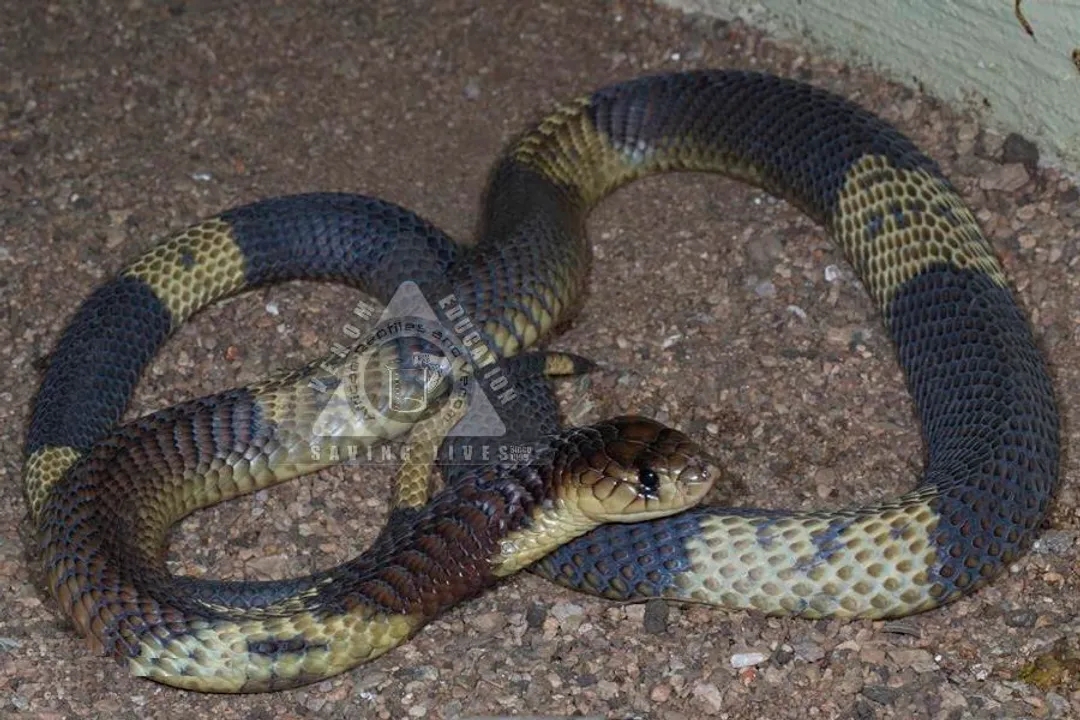
The physical presentation also varies. While the hood is characteristic, the actual appearance of Naja annulifera can change depending on locality, sometimes being uniformly dark or banded, which affects how visible their display is against their background. [4] This subtle camouflage means that an observer might inadvertently get closer than intended before the snake decides to reveal itself. [8]
Understanding that the Snouted Cobra’s primary motivation when confronting a human is self-preservation, not malice, allows for a more rational approach to managing encounters in their native habitat. [6][7] They are highly venomous inhabitants of Southern Africa whose aggression is almost entirely situational and driven by fear or defense of territory or self. [2][8]
#Videos
Johan Marais telling us a bit about Snouted Cobras - YouTube
Related Questions
#Citations
Snouted Cobra (Naja annulifera), dangerously venomous : r/snakes
Snouted cobra - Wikipedia
Snouted Cobra: Predator-Prey Interactions, Fights, and Aggressive ...
Snouted Cobra (Naja annulifera) from the Waterberg, Limpopo ...
Johan Marais telling us a bit about Snouted Cobras - YouTube
Snouted Cobra - African Reptiles & Venom
Snouted Cobra - African Snakebite Institute
Snout-Nosed Cobra (Naja annulifera) | Presto-X Pest Control