Which bird is only found in Japan?
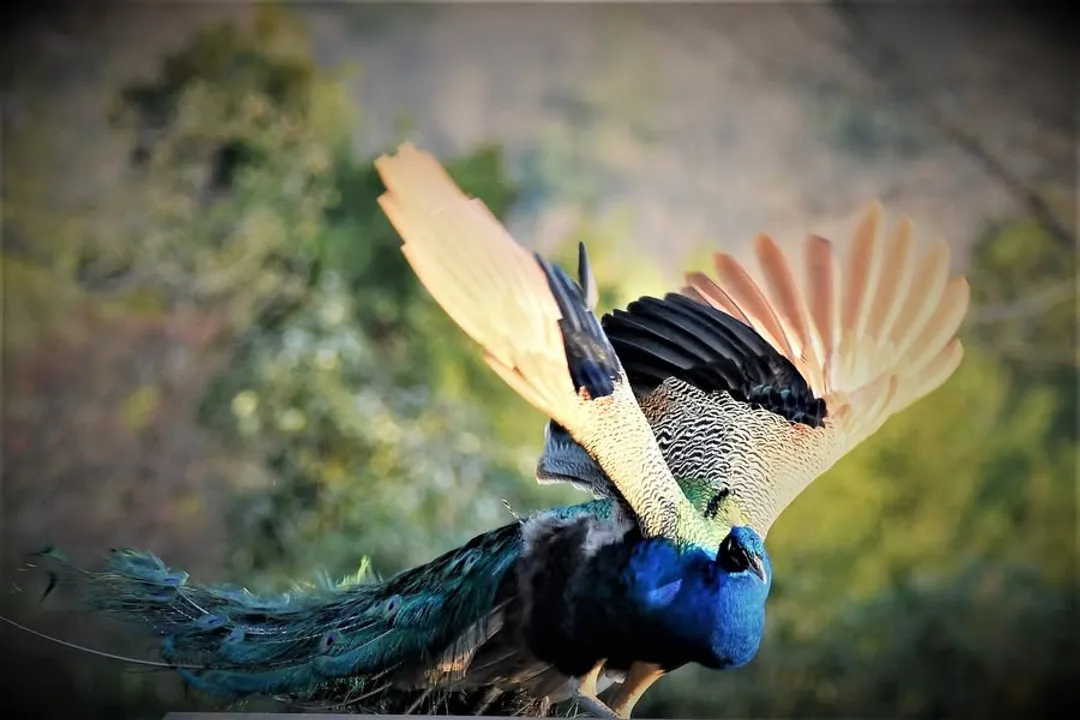
Japan is an archipelago nation, a fact that deeply shapes its biological uniqueness, leading to a fascinating array of species found nowhere else on Earth. When we look specifically at the avian population, the islands have served as isolated laboratories for evolution, resulting in several birds that are entirely restricted to this territory. [1][6] Understanding which birds hold this special designation requires looking beyond the commonly known symbols to the islands' more remote corners and deep forests.
# Island Evolution
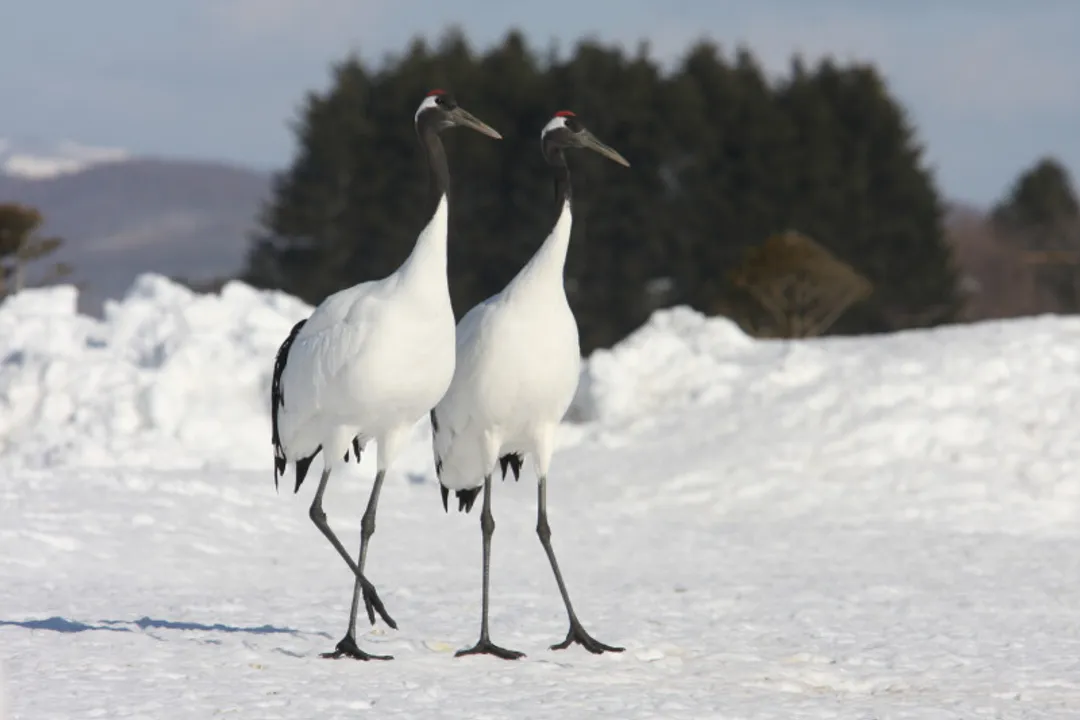
The high degree of avian endemism in Japan is intrinsically linked to its geography. As an island nation positioned in a region known for its rich biodiversity, Japan has naturally fostered speciation events. [6] The various islands, separated by stretches of sea, allowed populations to evolve in isolation. This phenomenon is particularly pronounced in the more southerly island chains, such as the Ryukyu Islands, where environmental pressures and lack of gene flow have resulted in species that are strictly confined to those specific landmasses. [1][3]
A key factor in understanding endemic birds is recognizing that "Japan" covers a vast range of climates and habitats, from the temperate forests of Honshu to the subtropical environments of the southern islands. This diversity is why the list of restricted-range birds is varied, encompassing everything from ground-dwelling rails to canopy-dwelling woodpeckers. [1]
# National Bird
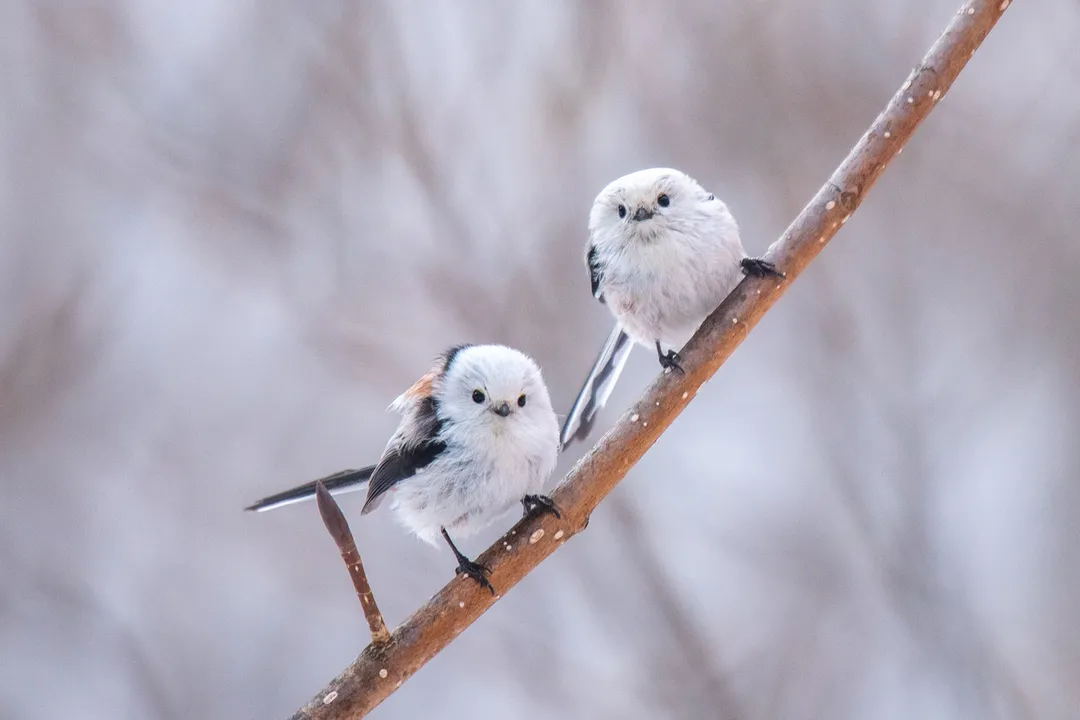
The official avian symbol of the country is the Green Pheasant (Phasianus versicolor). [8] This bird is emblematic of Japan, known for the striking iridescent green plumage of the male, contrasting sharply with the more muted coloration of the female. [8] It is entirely endemic to the main islands of Japan, inhabiting forests and open fields across the country. [1] The choice of the Green Pheasant as the national bird in 1947 highlights a desire to claim a beautiful, recognizable species that belongs wholly to the nation. [8] Historically, other birds, such as the Toki (Crested Ibis), were also considered for this prestigious title, indicating a deep cultural appreciation for native avifauna. [8]

# Flightless Rarity
Perhaps one of the most compelling examples of Japanese avian endemism is the Okinawa Rail (Gallirallus okinawae). [3] This species holds the distinction of being Japan's only flightless bird. [3] Found only on Okinawa Island in the far south, its inability to fly is a classic example of island evolution where ground-dwelling birds, facing few native predators, lose the evolutionary pressure to maintain flight capabilities. [3][1]
The Okinawa Rail is often described as shy and elusive, making direct sightings a rare event for casual observers. [3] Its conservation status is a major concern, reflecting the vulnerability of species confined to a single, relatively small island. The challenges faced by the Okinawa Rail—habitat loss and pressure from introduced predators—are frequently the defining narrative for many island-endemic species globally.
# Species Spotlight
The list of birds strictly limited to Japanese territory is considerable, covering many ecological niches. [1] Beyond the national symbol and the famous rail, several other species illustrate the breadth of this endemic avifauna.
# Woodpeckers and Robins
The Japanese Green Woodpecker (Picus noriuchii) is another resident species whose range is confined entirely to Japan. [1] Woodpeckers, in general, are fascinating studies in habitat specialization, and this species is tied closely to Japan’s specific forest structures.
Another bird found only within the Japanese borders is the Ryukyu Robin (Larvivivara komadori). [1] The Ryukyu Islands, stretching southwest from the main islands, are a hotbed for endemic subspecies and full species. The vibrant colors of the male Ryukyu Robin make it a highly sought-after sight for birdwatchers who travel to these southern islands, representing a specialized evolutionary lineage adapted to the subtropical environments there. [1]
# Sea Birds
Endemism is not restricted to forest interiors; seabirds also show unique distributions. The Japanese Murrelet (Synthliboramphus wintonii) is a striking example. [1] As a member of the auk family, it spends much of its life at sea, coming ashore only to breed, primarily on the coasts of Japan. [1] Studying the breeding colonies of such birds often provides crucial data on the health of the surrounding marine ecosystem, as their success is tied to local fish populations.

# Habitat Specialization and Conservation
The concentration of unique species in Japan underscores why the nation is recognized as a global biodiversity hotspot. [6] However, this concentration brings inherent risks. When a species is confined to one geographic area, any major environmental change—be it from severe weather events, deforestation, or the introduction of invasive species—puts the entire global population in jeopardy. [6]
If we consider the distribution map of endemic species, a clear pattern emerges: the highest density of strict endemics tends to be found on the smaller, more isolated islands away from the main island of Honshu, as these areas have historically offered the greatest isolation for speciation to occur. [1] For instance, the presence of the flightless Okinawa Rail on a single island serves as a perfect illustration of this principle, as its limited range offers no backup population should disaster strike that specific location. [3] This contrasts subtly with the Green Pheasant, which, while endemic, has a much broader range across the main islands, offering a slightly wider buffer against localized catastrophe. [8]
For conservationists working in Japan, this means that effective protection often requires highly localized management strategies, rather than broad national policies. For example, protecting the nesting sites of the Japanese Murrelet on a specific small islet requires a different approach—perhaps regulating sea traffic or predator control—than managing the temperate woodland habitat of the Japanese Green Woodpecker across larger landmasses. [1]
# Beyond the List
The designation of "endemic" often rests on rigorous scientific classification, but what does it mean for the average person interested in nature? It signifies a responsibility to appreciate and protect what is truly irreplaceable. The birds that are endemic to Japan are living representatives of millions of years of the islands' unique geological and ecological history. [1]
For the nature enthusiast planning a trip, understanding which birds are endemic also shapes the itinerary. To see a species like the Ryukyu Robin, one must travel south to the subtropical islands, whereas to find the Green Pheasant, one might only need to visit a suitable rural park or forest edge on the main island. [8][1] This geographical separation in the distribution of endemic species means that a birding trip focused solely on endemics requires crossing significant portions of the country's north-south axis.
# A Closer Look at Shared Heritage
It is also interesting to consider birds that are not endemic but hold deep cultural meaning. The national bird discussion touches on this: while the Green Pheasant is exclusively Japanese, other birds, like the Toki (Crested Ibis), while highly significant to Japan's conservation efforts, historically had a wider range across East Asia. [8] This distinction between cultural icon and strict endemic underscores the unique biological treasure trove that Japan possesses within its own borders, separate from species with broader Asian distributions. The conservation success stories, even for species that aren't strictly endemic, often rely on the same dedicated scientific expertise applied to the exclusively Japanese birds. [8]
The continued study and protection of these unique avian populations serve as a vital metric for the overall health of Japan’s diverse ecosystems, from its high-altitude forests to its southernmost coastlines. [6] Each endemic species, whether the rare, flightless rail or the commonly found pheasant, is a living testament to the power of isolation in shaping life on Earth. [1][3]
# A Guide to Observation
For those hoping to spot one of these unique residents, preparation beyond simple birdwatching knowledge is often necessary. Habitats vary widely, demanding different equipment and timing.
- Identify the Target Habitat: Decide if you are looking for high-elevation mountain forests (for some species), dense lowland forests (like for woodpeckers), or the subtropical islands (for rails and robins). [1]
- Check Seasonality: While some endemic species are year-round residents, others may be more visible during breeding seasons or when migrating between specific Japanese islands. [1]
- Respect Restrictions: For highly sensitive species like the Okinawa Rail, observing from a distance and adhering strictly to park guidelines is paramount to avoid stressing the population. [3]
By focusing on these endemic jewels, visitors and residents alike gain a deeper appreciation for the isolated evolutionary paths taken across the Japanese archipelago, recognizing that these birds represent an irreplaceable part of the global natural heritage. [1][6]
Related Questions
#Citations
List of endemic birds of Japan - Wikipedia
Japan Japanese 'snow fairy' The Most adorable bird in ... - Facebook
The Okinawa rail is Japan's only flightless bird — found ... - Reddit
Japan Endemic Birds Checklist
Japan Birds | Bird Species and Wildlife of East Asia - Laboo Studio
Japan - Species | CEPF
5 Animals Found Only In Japan and Where to See Them - GaijinPot
NIPPONIA - Web-Japan.org