Where are satanic leaf-tailed geckos found?
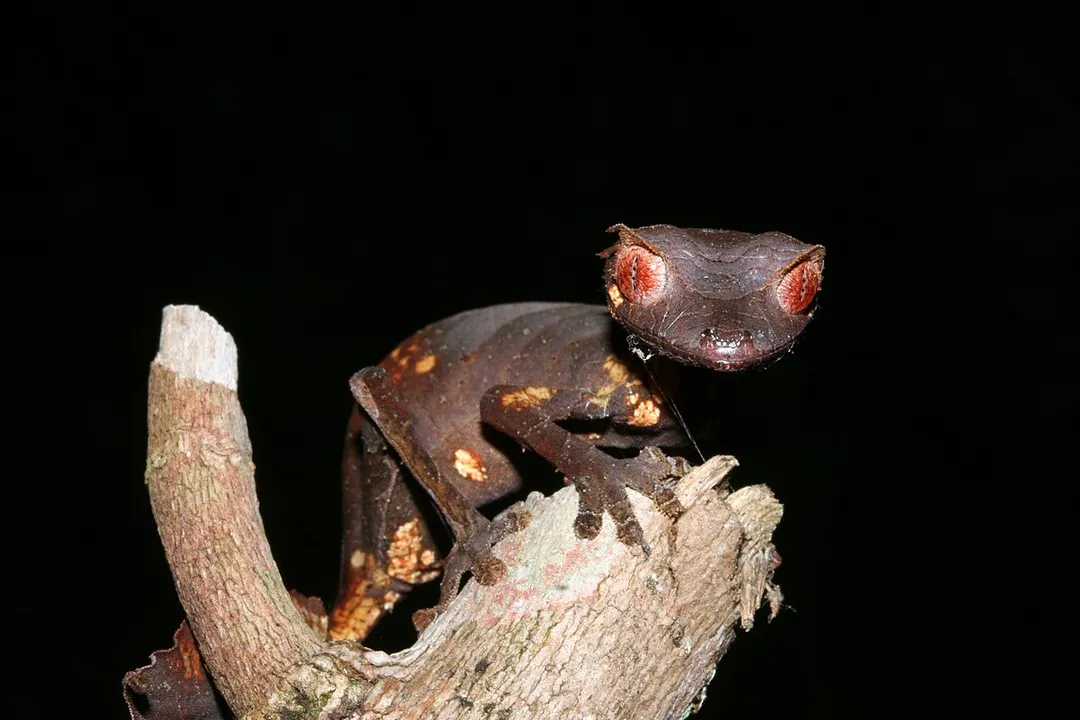
The satanic leaf-tailed gecko, scientifically known as Uroplatus phantasticus, is one of nature’s most astonishing examples of crypsis, leading many enthusiasts to wonder precisely where this master of disguise makes its home in the wild. These small, nocturnal lizards are famous for their tails, which perfectly mimic dead leaves, complete with veins and ragged edges, allowing them to vanish against the forest floor or low vegetation. Their scientific name itself, phantasticus, speaks to their elusive nature, yet their natural geographic boundaries are surprisingly well-defined, despite the challenges in observing them.
# Endemic Origin
The definitive answer to where these geckos are found is the island nation of Madagascar. More specifically, Uroplatus phantasticus is endemic to the island, meaning it naturally occurs nowhere else on Earth. Their range is not the entire island, however; they are primarily restricted to the rainforests located in the eastern regions of Madagascar. This relatively restricted area of high biodiversity is precisely what makes the species both scientifically fascinating and ecologically vulnerable. While the general distribution map confirms their presence across the eastern band, precise density mapping remains complex. Given their extreme camouflage and small size, the actual precise boundaries of their wild population density remain somewhat elusive to field researchers, making accurate census data difficult to obtain, even within the known eastern zone.
# Microhabitat Details
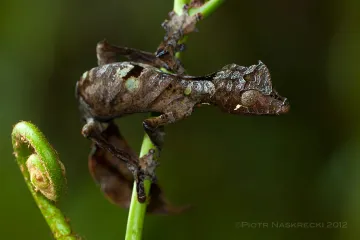
Being found in eastern Madagascar is only the first piece of the puzzle; understanding their microhabitat preference further clarifies their specific niche. These geckos are considered arboreal, meaning they live in trees, though they are often observed lower down in the environment. They typically inhabit shrubs and small trees, often found clinging vertically to trunks or branches. In the wild, they rely heavily on the dense understory and leaf litter that characterizes the rainforest environment they call home.
While specific elevation data can vary across sources, the general environment they require involves the moist, tropical conditions typical of those Eastern Malagasy forests. They are adept at utilizing the vertical structure of their environment for daytime rest, blending in so well that even experienced observers can overlook them when they are motionless. Their ability to mimic decaying leaf matter is directly tied to their preferred resting spots, suggesting a strong preference for areas with abundant leaf litter or low-hanging, complex vegetation structure. This preference suggests a reliance on stable, mature forest ecosystems rather than disturbed or edge habitats.
# Population Security
The geographic concentration of Uroplatus phantasticus into a specific part of Madagascar also frames their conservation status. Because their known habitat is geographically restricted, they are highly susceptible to localized disturbances. The species is listed on CITES Appendix II, which monitors and regulates international trade to ensure that wild populations are not threatened by over-collection.
The primary threats to their limited natural range are human activities. Deforestation, driven by logging and the expansion of agricultural lands, directly destroys the specific arboreal and ground cover they require to survive. When we consider the high rate of habitat conversion across Madagascar, it becomes clear why this localized distribution is such a high-risk factor for the species' long-term survival in the wild.
# Global Presence
Contrasting their specific, threatened home in Madagascar is their established presence globally in the world of herpetoculture. The satanic leaf-tailed gecko is a highly sought-after species in the exotic pet trade due to its unique appearance and relatively manageable size for keepers. Many individuals available today are the result of captive breeding programs, often originating from parent stock legally collected or bred from legally sourced animals.
This significant captive population presents an interesting dynamic regarding the species' overall numbers. While many popular reptiles are bred globally, the consistent demand for U. phantasticus in the international pet market often means that a significant number of individuals alive today exist outside Madagascar. This creates an unusual conservation paradox where captive populations might outnumber healthy wild colonies if local deforestation rates continue unchecked, putting intense pressure on the remaining wild stock, even with CITES protections in place. Therefore, understanding their exact habitat in eastern Madagascar is critical not just for preservationists but also for ensuring that the pet trade remains sustainable and does not inadvertently deplete the dwindling wild gene pool.
# Identification Context
Though not strictly about where they are found, understanding how they are found provides necessary context for anyone searching for them in their native environment. Their appearance is inextricably linked to their location. Adult males exhibit incredible variation, ranging from shades of brown and grey to reddish hues, often possessing horn-like protrusions above the eyes that lend them their "satanic" moniker. Females tend to be less colorful and lack the prominent horns.
Their tails are the key feature—they are flattened, broad, and textured to perfectly resemble a desiccated leaf, a trait that dictates their behavior in their humid, dense jungle setting. This adaptation suggests an evolutionary history spent primarily hiding from visual predators among fallen foliage or low branches, reinforcing why field researchers often rely on specialized tracking or night viewing rather than simple daytime visual surveys to confirm their presence within that eastern range.
# Keeper Considerations
For those interested in keeping this species outside its native habitat, the care requirements directly reflect the conditions of eastern Madagascar’s rainforests, which indirectly confirms the natural climate they inhabit. Successful captive environments must replicate high humidity levels, typically above 70 percent, with appropriate temperature gradients. Providing vertical space and plenty of textured climbing surfaces, like cork bark and branches, mimics the arboreal structure of their home range.
When sourcing these animals for captive care, it is important to note that most reputable suppliers work with captive-bred lines, specifically to avoid further impact on wild populations in Madagascar. A well-managed captive breeding program lessens the incentive for unsustainable wild collection, thereby helping to preserve the small, fragile ecosystems where Uroplatus phantasticus naturally resides. If you are considering acquiring one, researching the breeder’s history and confirmation of captive lineage is an essential first step that directly supports the conservation of the wild population’s remaining territory in Madagascar.
#Videos
SATANIC LEAF-TAILED GECKOS IN THE WILD! (Are we ... - YouTube
Related Questions
#Citations
Uroplatus phantasticus - Wikipedia
The Satanic Leaf-tailed Gecko. Photo: Jorge Pecho. - Facebook
Satanic leaf-tailed gecko (Uroplatus phantasticus)
SATANIC LEAF-TAILED GECKOS IN THE WILD! (Are we ... - YouTube
r/reptiles - Uroplatus phantasticus (Leaf Tailed Gecko, Madagascar ...
[PDF] Satanic Leaf-Tailed Gecko (Uroplatus phantasticus) - ReptiFiles
Satanic Leaf-tailed Gecko (Uroplatus phantasticus) - iNaturalist
The satanic leaf-tailed gecko is one of about twenty ... - Instagram
Satanic Leaf-Tailed Gecko Care Sheet - Reptiles Magazine