Where does the Oriental Dwarf Kingfisher live?
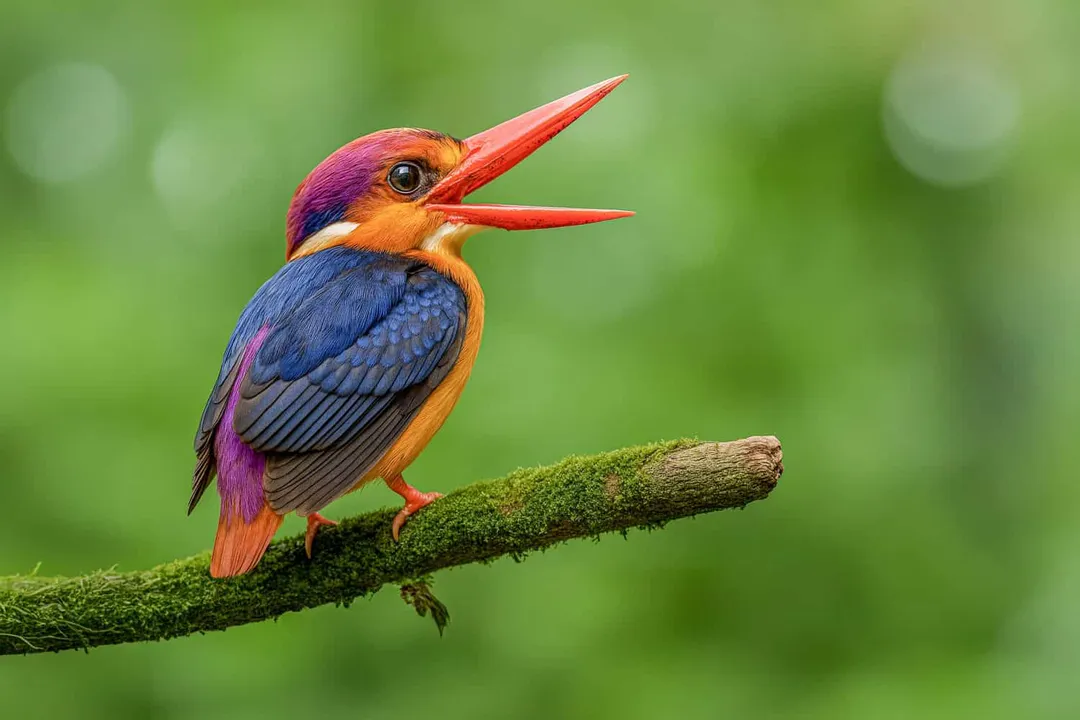
The Oriental Dwarf Kingfisher, often called the “jewel of Indian rainforests” or the “jewel of the forest,” is renowned for its dazzling colors—vibrant coral-red bill, blue-black back, and pale orange underparts—which make it a prize sighting for bird enthusiasts across its range. Understanding where this tiny avian jewel resides is key to appreciating its shy nature and unique ecology. This bird is not confined to a single nation; rather, it spans a significant portion of Asia, requiring observers to know the specific local conditions that suit its specialized lifestyle.
# Geographic Span
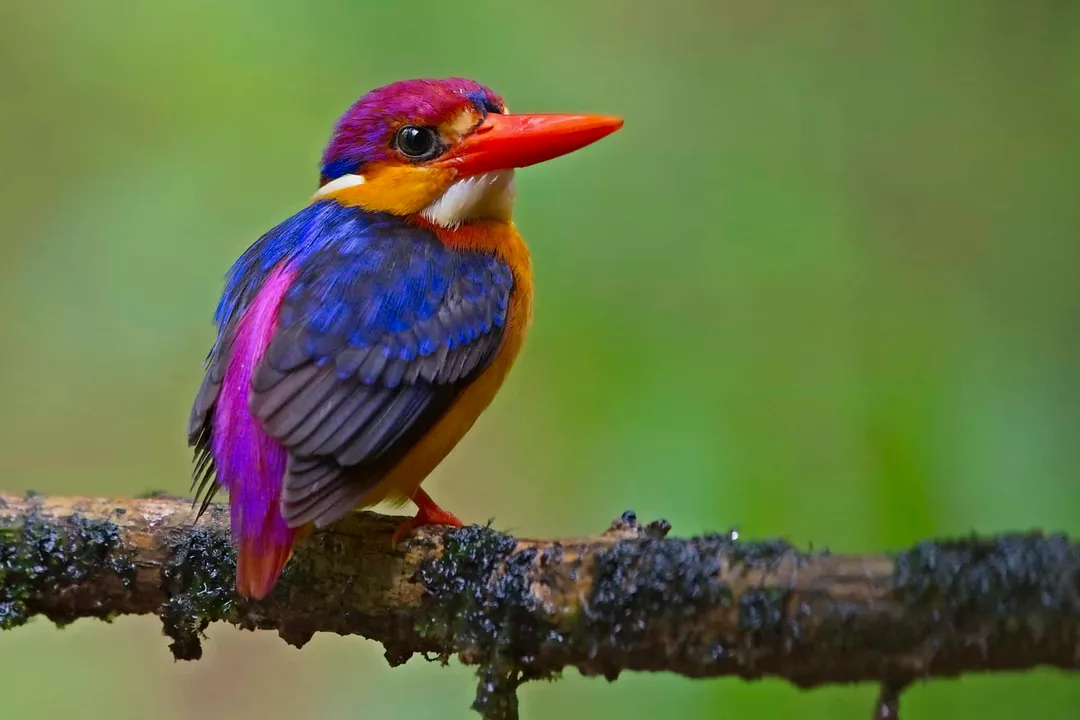
The distribution of the Oriental Dwarf Kingfisher, scientifically known as Ceyx erithaca, covers a broad area spanning the Indian Subcontinent and Mainland Southeast Asia. Specifically, its breeding range includes northeastern India, Myanmar, Thailand, Laos, Cambodia, and the extreme south of China. Adding to this wide spread, there is a distinct, disjunct population in the Western Ghats of western India and in Sri Lanka. Observers in Southeast Asia can find them in countries such as Malaysia, Indonesia, the Philippines, and Vietnam. Even in highly developed areas, the species has a confirmed presence; for instance, records exist from the island nation of Singapore, with sightings noted across sites like Pulau Ubin and Sungei Buloh Wetland Reserve.
# Preferred Forest Niche
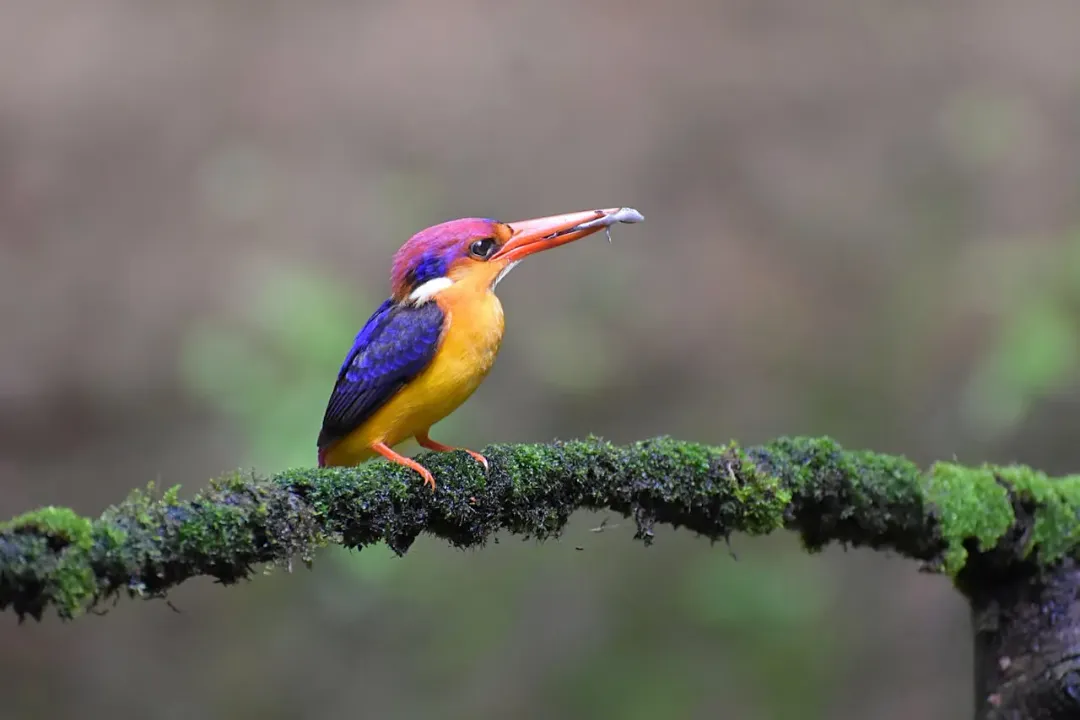
The kingfisher is fundamentally a forest and wetland-dwelling species, but its habitat requirements are quite specific, leaning heavily toward dense cover. It thrives most typically in lowland forests, showing a preference for both deciduous and evergreen primary and secondary forests. Beyond intact forest, the bird can also make do in alluvial forests, mangroves, and overgrown plantations or palm/bamboo thickets. The crucial element seems to be the density and shade provided by the canopy, as they keep low to the ground, often perching and flying only within one or two meters of the forest floor. Generally, the lowlands it occupies do not ascend past elevations of about 1000 to 1300 meters.

# Water Proximity Dynamics
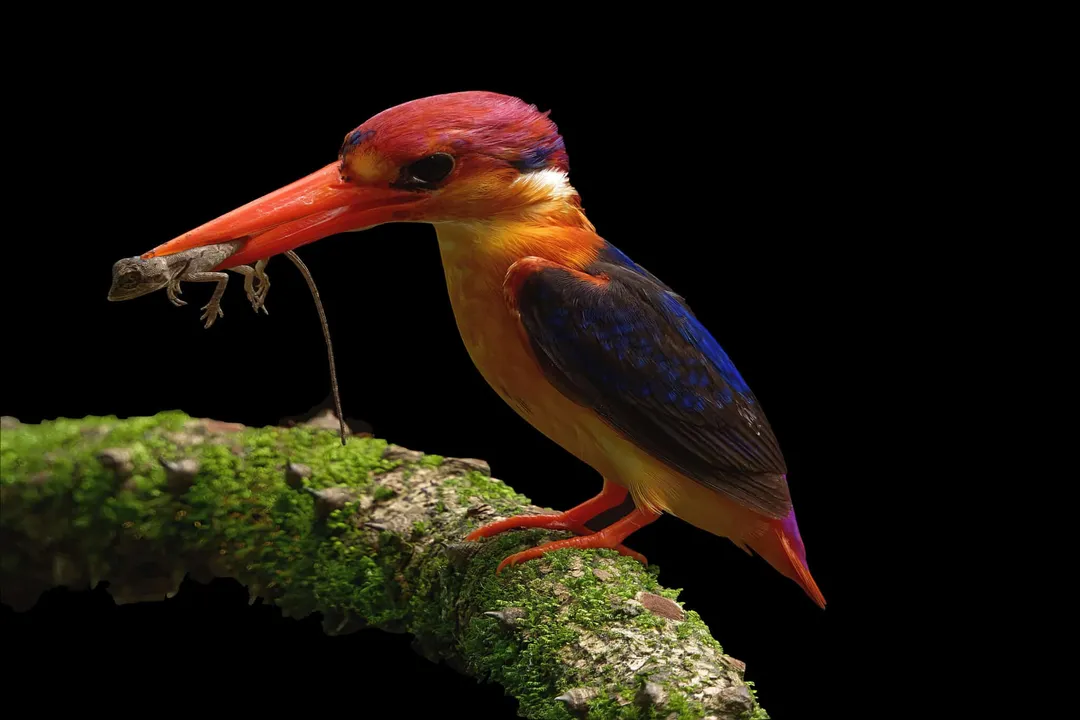
While many kingfishers are inextricably linked to large, open water bodies, the Oriental Dwarf Kingfisher maintains a more nuanced relationship with water. It is most commonly observed near small forest streams and sluggish ponds. These water sources are vital as they sustain the bird’s diet, which includes small fish and amphibians, alongside a large variety of terrestrial invertebrates like insects and spiders. However, their foraging style is unique; they often capture prey from the ground or foliage without fully submerging, unlike typical diving kingfishers. This ability to hunt terrestrial prey even when near water offers a behavioral advantage over species reliant solely on aquatic catches.
It is fascinating to consider that while they spend time near streams to find food, their nesting habits suggest a preference for drier security. The selection of nesting locations, which are often found well away from the water's edge, indicates a sophisticated partitioning of activity zones. This separation of foraging and nesting grounds is likely a key strategy to maximize the safety of the eggs and young, isolating them from potential aquatic predators or the risks of seasonal stream flooding.
# Key Regional Hotspots
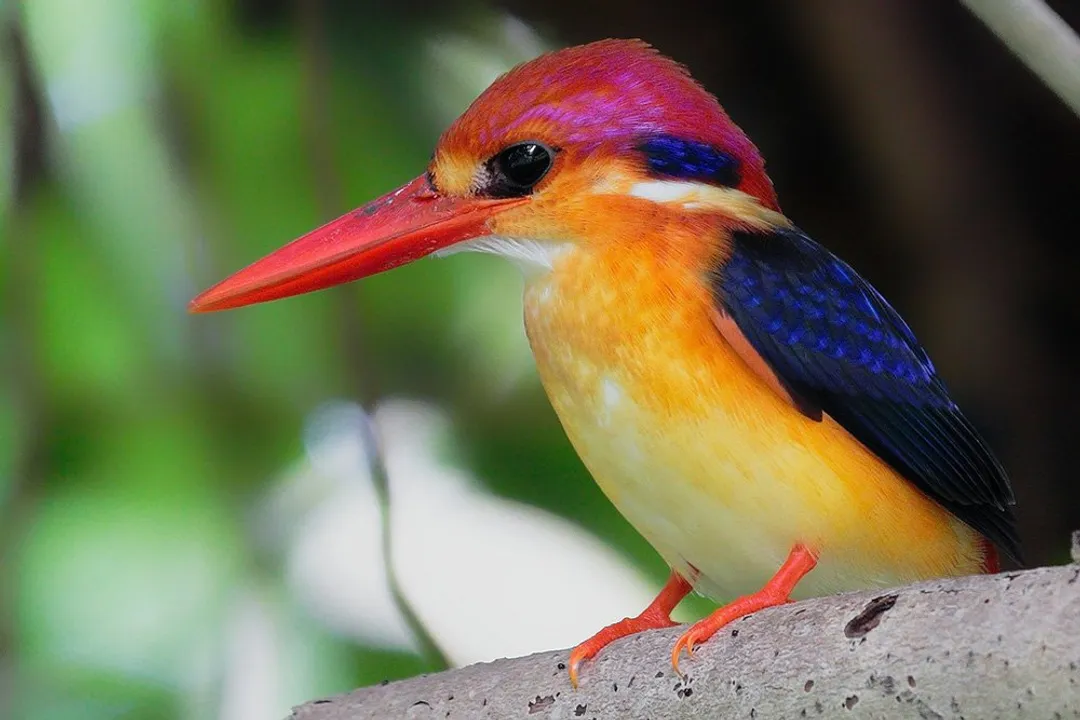
For those specifically tracking this bird within India, certain regions are historically noted for reliable sightings, often tied to seasonal patterns. The Western Ghats stand out as a primary area, with specific parks like Thattekad Bird Sanctuary in Kerala being perhaps the most dependable location. Observers also look to the Agumbe Rainforest in Karnataka, particularly during the monsoon months when the birds are most active for breeding. Further north, pockets exist in the Eastern Himalayas region, with sightings possible in parks such as Nameri National Park in Assam and Eaglenest Wildlife Sanctuary in Arunachal Pradesh. In the Konkan region, on the western coast, the bird is a celebrated local jewel.
Across Southeast Asia, the habitat remains consistent with the Indian descriptions—dense forests near water. In Singapore, the species turns up in reserves such as Bukit Timah Nature Reserve and Sungei Buloh Wetland Reserve, showing a surprising tolerance for habitats bordering urban environments, provided the essential forest structure is intact.
# Range Adaptability
The species exhibits fascinating migratory patterns that slightly alter its year-round location map. While resident throughout much of its range, northern populations, particularly those in Myanmar and Bangladesh, are partial migrants, moving south during the non-breeding season toward the Malay Peninsula and Sumatra. The Western Ghats population also displays movements linked to the Indian climate, appearing primarily during the monsoon months for breeding before moving to less understood wintering grounds. This mix of sedentary residency and seasonal migration across the landscape speaks to the bird’s ability to follow available resources and suitable nesting conditions across its vast territory. The fact that it can be successfully recorded in environments as varied as the mangrove fringes of Singapore and the humid primary forests of India's deep interior suggests that while the type of cover is important, the bird is somewhat plastic in its overall landscape use, as long as dense low-growth and water are accessible. Finding this tiny bird, which demands patience and knowledge of its specific, shaded microhabitats, is what elevates the sighting from a simple bird identification to a true highlight of any Asian nature expedition.
Related Questions
#Citations
Black-backed dwarf kingfisher - Wikipedia
Oriental Dwarf Kingfisher Bird Facts - Ceyx erithaca - A-Z Animals
Oriental Dwarf Kingfisher (Ceyx erithaca) identification - Birda
Oriental Dwarf Kingfisher – Jewel of Indian Forests - Big Cats India
Oriental Dwarf Kingfisher, the jewel of the Konkan coast of India. [OC ...
Oriental dwarf kingfisher, a rainbow by any other name
Oriental Dwarf Kingfisher: Discover the shy bird's unique ...
Oriental Dwarf Kingfisher - Singapore - National Parks Board (NParks)