Where do geese mostly live?
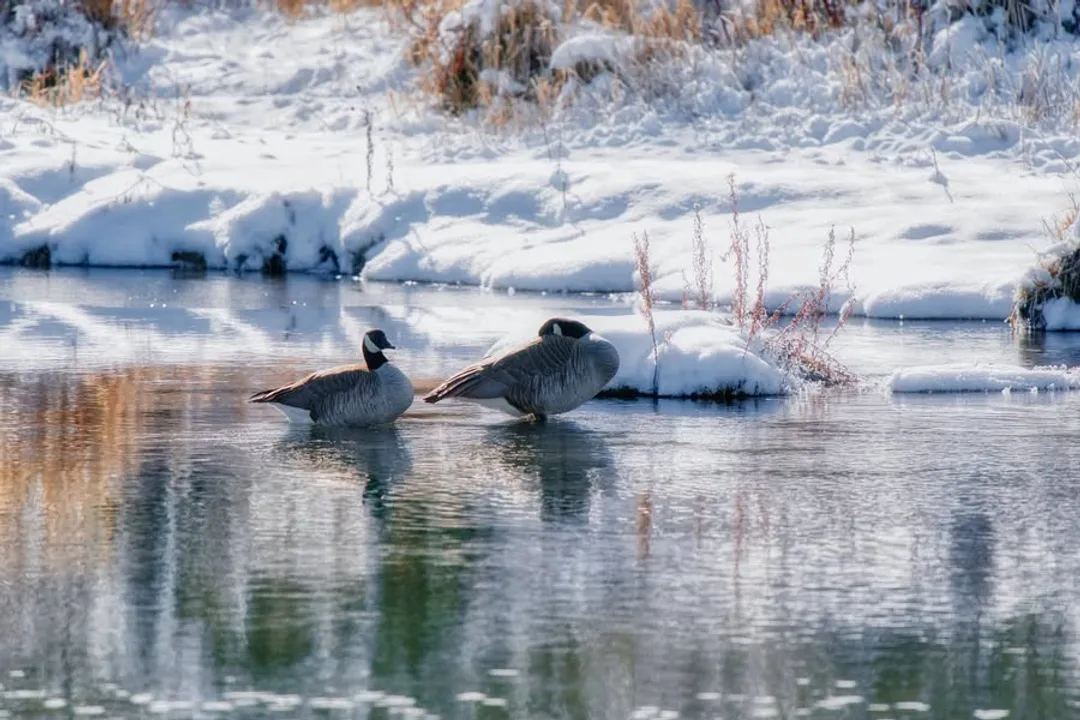
The distribution of geese, particularly the ubiquitous Canada Goose, is a fascinating study in adaptation, spanning from the frozen high Arctic to manicured suburban lawns across North America. While the name suggests a singular geographic focus, these birds have successfully colonized an incredibly diverse set of environments, provided two fundamental requirements are met: a reliable source of water and accessible, short-cut vegetation for grazing. Understanding where they reside requires looking at both their broad continental range and the specific microhabitats they select within that range.
# Continental Reach
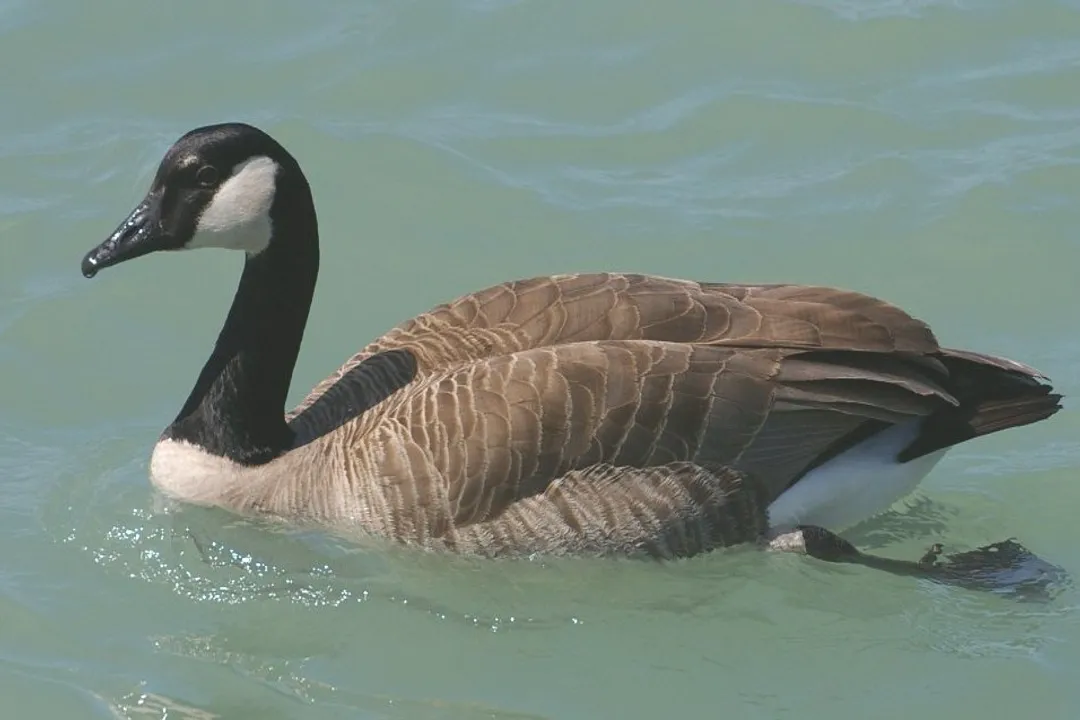
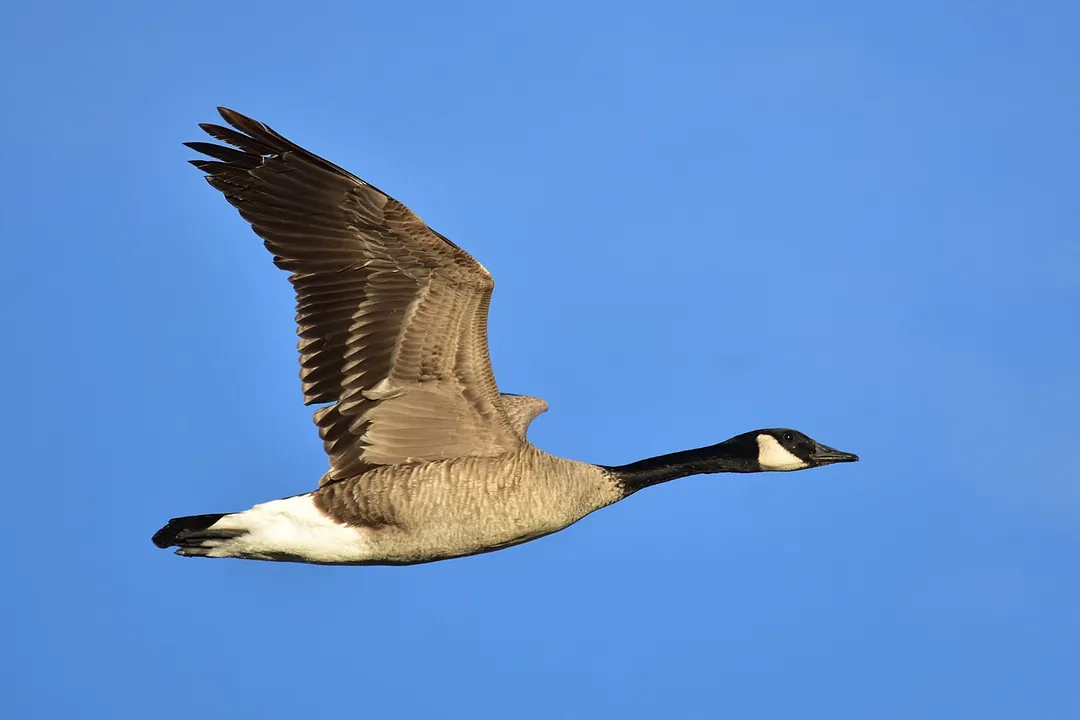
Geese are generally found across the temperate regions of the world, but the Branta canadensis, or Canada Goose, dominates the conversation across North America. Their breeding grounds are extensive, stretching across the continent's northern expanses, including the Arctic, subarctic, and temperate zones. In places like Alaska, the breeding habitat is characterized by vast wilderness areas, including river valleys, marshlands, and coastal tundra. As the seasons change, many of these northern populations engage in significant migration, moving southwards through the United States, often reaching the northern reaches of Mexico for the winter.
However, the picture is not one of simple north-to-south movement. Populations in the southern US and in states like Florida are often non-migratory, remaining in their chosen areas year-round. This resident behavior is increasingly common, suggesting that for many geese, the traditional migratory routes are becoming optional rather than mandatory. A goose flock in Missouri, for instance, might be present throughout the year, utilizing different local resources depending on the season.
# Habitat Needs

At the core of a goose’s location preference is the pairing of water and food. Open water is non-negotiable, acting as a critical refuge from land-based predators. Whether it is a large reservoir, a small farm pond, a slow-moving river, or a coastal estuary, the presence of water is paramount for resting and immediate safety.
The second critical element is forage. Geese are primarily grazers, preferring short grasses. They feed on grasses, sedges, and aquatic vegetation. This preference dictates their land choices. A lush, freshly mown lawn on a golf course or in a city park provides an ideal feeding station, as the short blades of grass are easier to consume and digest than tall, dense vegetation. This contrasts sharply with their natural breeding grounds where they might rely heavily on tundra vegetation or marsh grasses.
When considering the necessary food supply, it becomes clear why urban sprawl has become their haven. The year-round maintenance of these human-created landscapes—frequent mowing of parks and golf courses—creates a consistent, high-quality, easily accessible food source that mimics the best conditions of a natural summer meadow but is available consistently through the shoulder seasons. This stable, accessible food supply in urban cores can sometimes outweigh the energetic cost of flying hundreds of miles south for populations dwelling in the more temperate northern states during winter.

# Adaptation and Development
The ability of the Canada Goose to thrive outside of pristine wilderness is noteworthy. They have become extremely comfortable in environments heavily modified by people. Large reservoirs, artificial ponds, farm fields—especially those planted with cereal grains like rice, corn, or wheat—are heavily frequented during both breeding and wintering periods. In New York, for example, they are seen everywhere, frequenting lakes, slow streams, and farm fields alike.
The key to this success appears to be the modification of the landscape rather than its destruction. As long as the edge habitat—the transition zone between water and grass—remains available, the geese adapt. This adaptability means that if a local area provides consistent ice-free water and suitable lawn access, a population may establish itself permanently.
Looking closely at wintering grounds in areas like Missouri reveals another layer of adaptation driven by infrastructure. While natural ponds might freeze over, locations near power plants that discharge warmer water can maintain open patches of water throughout the coldest months. These localized thermal refuges become disproportionately important anchors for local goose populations when surrounding water bodies become inaccessible, effectively concentrating the birds around these specific human-built features during the winter months.
# Specific Water Habitats
The types of water bodies utilized provide a clearer picture of where geese spend their time across different regions:
| Water Body Type | Primary Function | Typical Location | Source References |
|---|---|---|---|
| Tundra/Marsh | Breeding & Nesting | Arctic, Subarctic, Northern Boreal Zones | |
| Lakes & Ponds | Resting, Safety, Foraging | Ubiquitous (Urban/Rural) | |
| Rivers & Streams | Travel Corridor, Foraging | Temperate Zones | |
| Estuaries & Coastlines | Wintering/Migration Stopover | Coastal Areas | |
| Stock Ponds/Reservoirs | Year-round Water Source | Agricultural & Developed Areas |
When comparing a coastal estuary used by migrating birds in the fall with a small, manicured lake in a city park used by year-round residents, the common thread is the immediate proximity of an easy escape route (water) to a reliable food plot (grass). The geese select for accessibility across all settings. It is interesting to note that while migration is an inherited trait for many, the density of resources available in urban centers means that a younger goose raised near a well-maintained municipal reservoir might never develop the instinct or necessity to migrate south, potentially leading to further localized, non-migratory behavior in the future.
In summary, the question of where geese live has shifted from a purely ecological one concerning wilderness boundaries to a socio-ecological one concerning human land use. They primarily inhabit areas where the North American continent offers large expanses of fresh water alongside open, easily grazed fields, whether those fields are natural sedge meadows or artificially maintained golf courses. This flexibility ensures that whether you are in the far reaches of Alaska or the suburbs of Florida, if you have a pond and a lawn, you likely have geese nearby.
Related Questions
#Citations
Canada goose - Wikipedia
Where Do Geese Live: Exploring Their Preferred Habitats
goose - Kids | Britannica Kids | Homework Help
CANADA GOOSE | The Texas Breeding Bird Atlas
Sweet Dreams! Canada Geese live in a great many habitats near
Canada Goose - Missouri Department of Conservation
Canada Geese - FWC
Canada Goose - NYSDEC
Canada Goose (Branta canadensis) Printer Friendly