How far north do mockingbirds live?
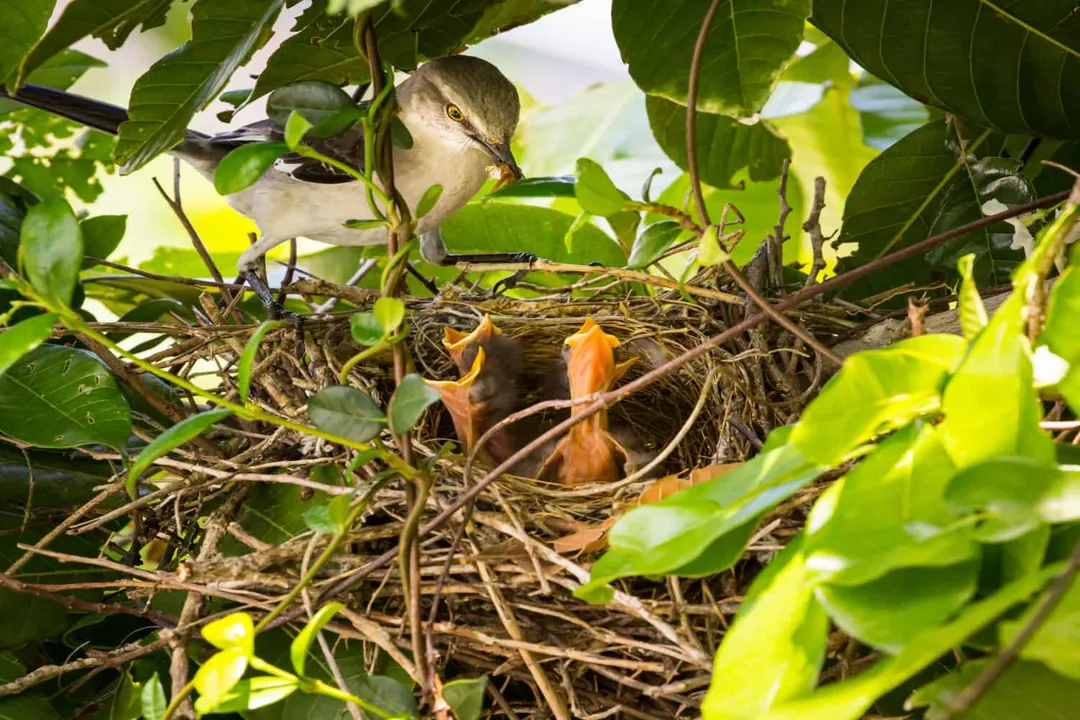
The Northern Mockingbird’s reach extends quite far north, particularly during the breeding season, though their presence is not permanent across that entire northern expanse. When we look at the species—Mimus polyglottos—the map showing their breeding distribution confirms that many individuals move significantly further north than where they spend their winters. For birders tracking the northernmost possible sighting, the key lies in understanding the difference between their summer home and their year-round territory.
# Breeding Extent

The breeding range for the Northern Mockingbird is quite broad across North America. In the United States, they are found across much of the central and southern states, but their northern boundary pushes into Canada. Specifically, the northern limit of their summer residency can reach the southern portions of Canadian provinces.
If you are tracking their absolute northernmost breeding territory, you can find them established well into the Canadian Prairies, with breeding activity noted across southern regions of provinces like Alberta, Saskatchewan, and Manitoba. Furthermore, their breeding range stretches eastward, covering areas like southern Quebec and extending toward Newfoundland. Even the western edge sees them established in parts of the southern Yukon territory during the warmer months. This distribution shows that while they are often associated with the American South, they are perfectly capable of raising young in climates that experience distinct, cold winters.
# Winter Residency

The story changes significantly when the cold weather moves in. While the southern halves of the United States see mockingbirds year-round, the birds that venture the furthest north during the summer typically do not stay put. The non-breeding range contracts noticeably southward.
In the winter, the vast majority of the population settles in the southern United States, particularly along the Gulf Coast and the southern tier of states, before continuing into Mexico and the Caribbean islands, such as Cuba and the Bahamas. Birds found in the northern limits of their breeding range—say, up to southern Ontario or further north in the prairies—will migrate south to avoid the deep freeze, though some individuals might attempt to overwinter in sheltered urban areas in the northern U.S. if food is available.
# Range Dynamics
The distinction between breeding and non-breeding ranges creates a fluid northern boundary that shifts seasonally. We can summarize the general geographical anchors:
| Geographical Zone | Primary Status | Notes |
|---|---|---|
| Southern Canada (e.g., S. QC, SK) | Breeding Only | Migratory populations |
| Central/Southern U.S. | Year-Round | Resident populations |
| Mexico / Caribbean | Year-Round | Core wintering ground |
Observing how the mockingbird’s range interacts with developed areas reveals an interesting pattern. While the maps show natural limits, the reality on the ground suggests that the presence of human-altered landscapes, such as suburbs, parks, and agricultural areas, often allows the species to maintain a slightly further northward presence than they might naturally colonize in undisturbed habitats. The constant availability of seeds, accessible water, and certain types of shrubbery in suburban settings can effectively create microclimates that slightly extend their comfortable northern limit, especially for overwintering individuals who might otherwise be pushed further south by resource scarcity. This subtle extension, where a handful of birds might brave a Canadian winter near a reliably stocked bird feeder, represents the very edge of their tolerance, rarely observed but certainly possible.
# A Bird of Many Voices

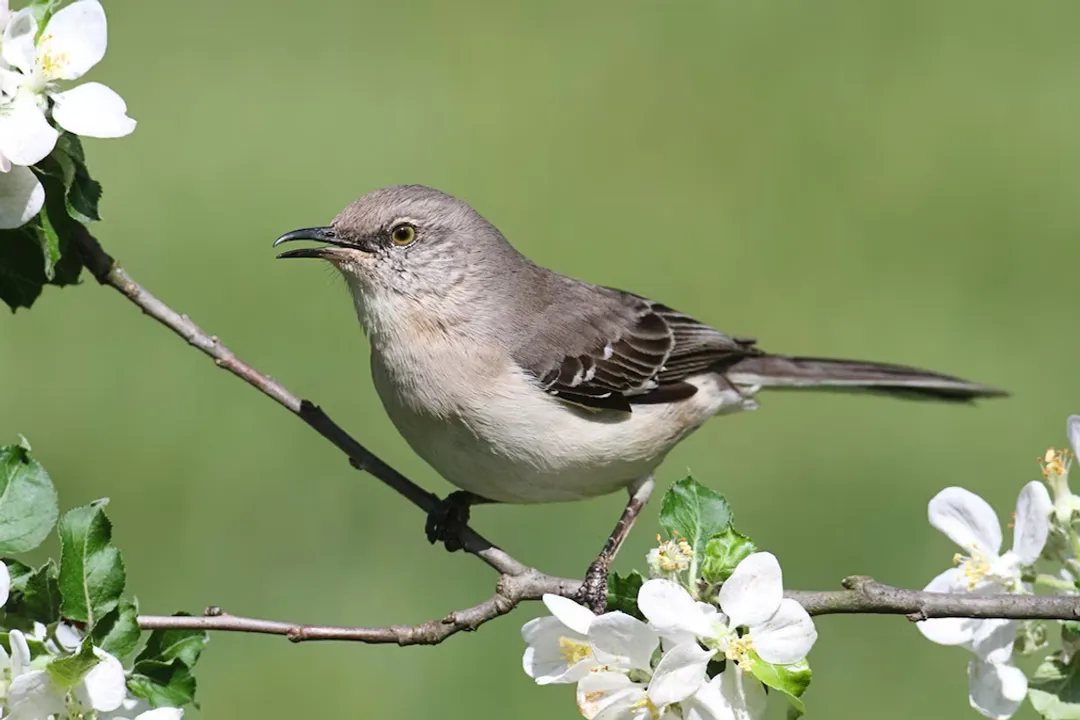
The Northern Mockingbird is famous not just for where it lives, but for what it does: mimicry. This bird has a large repertoire, capable of imitating the songs of dozens of other bird species, as well as sounds from amphibians, insects, and even mechanical noises. This incredible vocal ability is tied to its territorial nature and courtship displays. A male bird, in particular, uses these complex songs to establish territory and attract a mate.
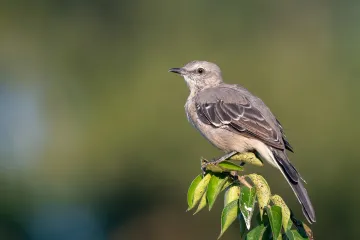
They are medium-sized songbirds, often sporting a gray-brown back, whitish underside, and notably long tails that flash white patches when they fly. While their appearance is relatively subtle compared to some flashy songbirds, their presence is often announced by their loud, persistent singing.
# Estimating Arrival
For someone living near the northern edge of their typical breeding range, timing their first spring sighting can be an exercise in patience. The general trend is that the northern birds return as conditions moderate enough to support foraging. Since they are known to be found in southern Canada during the summer, if you live in, say, the southern edge of the Great Lakes region or the Canadian Maritimes, your first verifiable sighting of a male establishing territory might occur anywhere from late March through April, depending on the severity of the preceding winter.
When attempting to track their northward progression in spring, consider that a difference of just one or two degrees of latitude can mean a week or more difference in arrival time. A reliable observation point for understanding their northward creep is monitoring backyard activity in the northern plains states, where they are residents, versus tracking the first confirmed song reports just across the border in southern Canadian cities. This provides a practical, on-the-ground metric for measuring the leading edge of their warm-weather expansion each year.
# Habitat Preferences
While the question concerns latitude, the type of environment within that latitude is equally important for successful habitation. Mockingbirds prefer open areas with scattered shrubbery for perching, singing, and nesting. They are highly adaptable and thrive in human-dominated landscapes—gardens, parks, orchards, and residential areas—more so than deep, dense forests. This affinity for edge habitats is precisely why they have been able to extend their range so successfully into the fragmented landscapes of southern Canada and the developed United States. They require low, dense cover for their nests, often placing them in thick shrubs or vines, which can sometimes be found in the landscaping surrounding human dwellings even at the northern limits of their summer occupancy.
Related Questions
#Citations
Northern Mockingbird Range Map - All About Birds
Northern mockingbird - National Zoo
Northern Mockingbird | Audubon Field Guide
Fun Facts About Mockingbirds - Wild Birds Unlimited
Northern Mockingbird | National Geographic Kids
NORTHERN MOCKINGBIRD | The Texas Breeding Bird Atlas
Northern Mockingbird: Identification, Habitat, and Diet
Where Do Northern Mockingbirds Nest? - A-Z Animals