Where do rats live in your yard?
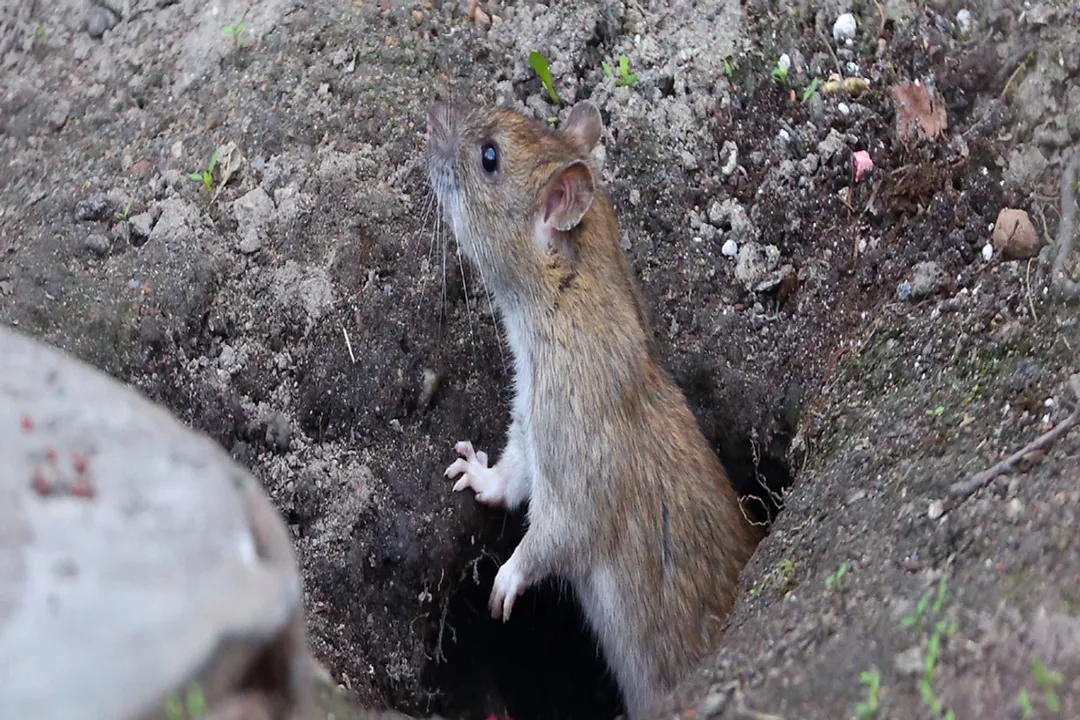
The appearance of rats in a residential yard often signals that the environment is providing something essential to their survival: reliable shelter, accessible food, and consistent water. They are remarkably adaptable creatures, meaning that even well-maintained properties can become temporary residences if the conditions are right, though heavily neglected areas are prime real estate for established colonies. [2][5] Understanding where they choose to settle is the first critical step in managing their presence, as their living arrangements are often hidden from casual view. [4]
# Burrow Locations
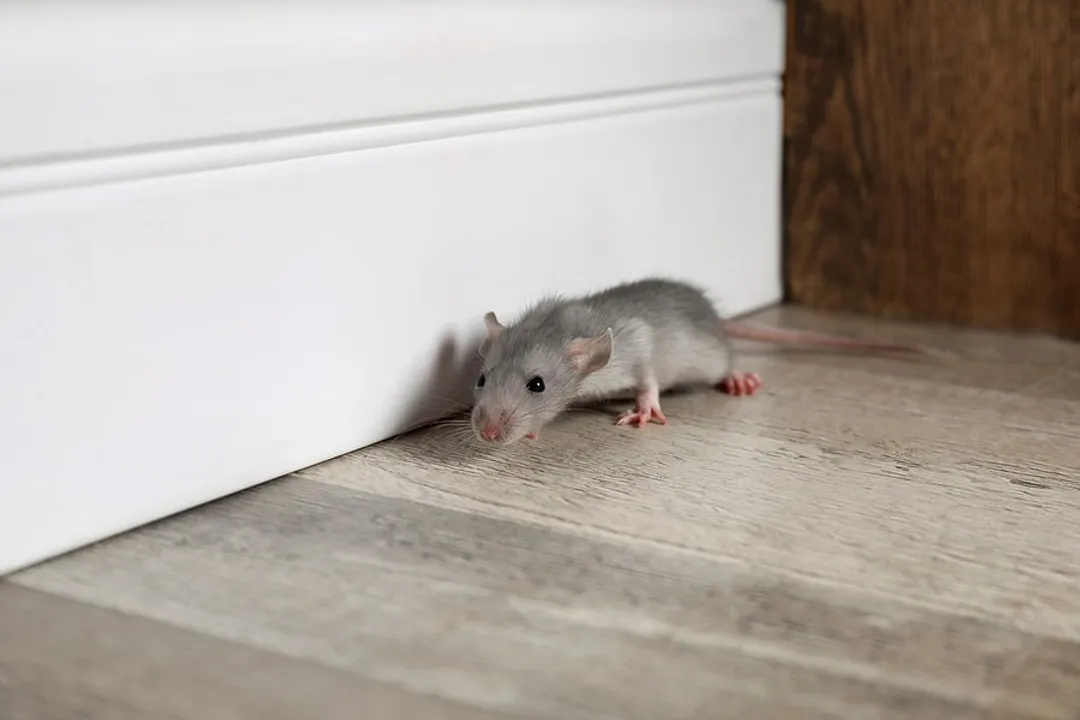
The most common and preferred habitat for rats outdoors, particularly the Norway rat (often called the brown rat or sewer rat), involves digging extensive tunnel systems, known as burrows. [1] These burrows are complex networks, not just simple holes, providing security, protection from predators, and a stable temperature environment. [1]
Look for burrows clustered near foundational elements of your property. Rats frequently establish their primary residences underneath structures like decks, porches, sheds, woodpiles, and even concrete slabs or patios. [1][6] The area where a wooden structure meets the ground offers ideal cover and a starting point for excavation. [5] They are adept at tunneling beneath retaining walls or up against the exterior walls of a home, using these structures as natural ceilings for their subterranean homes. [6]
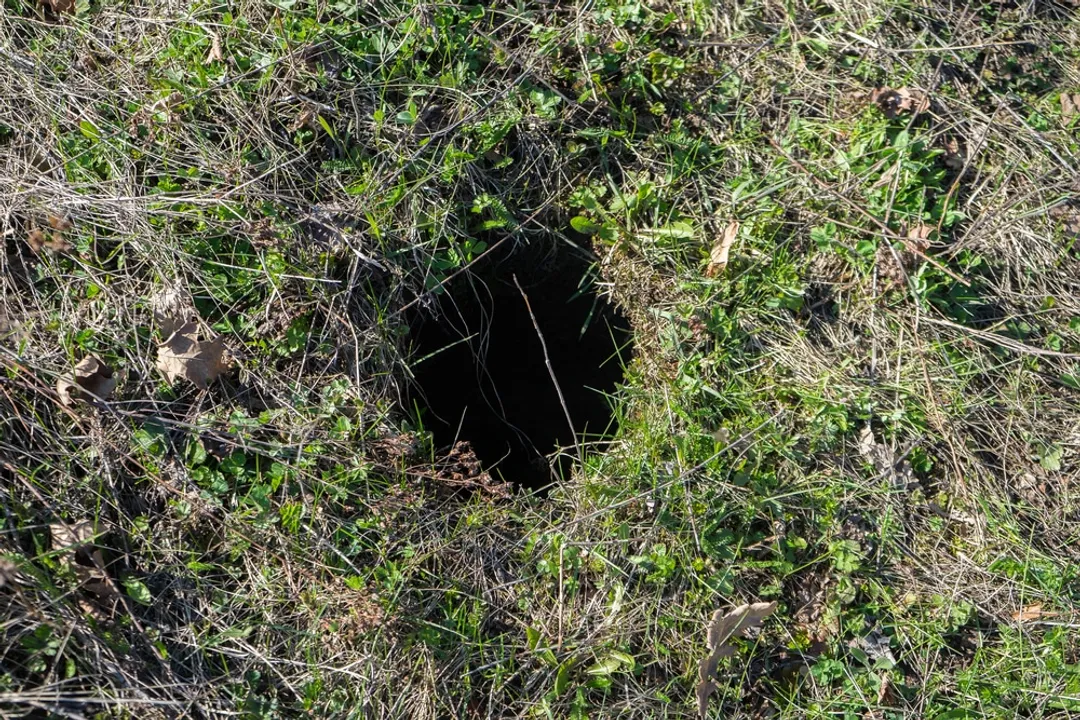
These tunnels can be surprisingly deep and long. A single burrow system can have numerous entrances and exits, often concealed by vegetation or debris. [1][8] The entrance holes themselves are usually smooth and about 2 to 4 inches in diameter, though they might be masked by loose dirt or grass clippings. [4] When you find evidence like fresh dirt mounds around small holes in the ground near the house perimeter, you are likely looking at an active rat burrow entrance. [8] Furthermore, if you notice paths that look heavily used, slicked down, or contain droppings near these entry points, it confirms these spots are not just occasional hideouts but central living areas. [4]
# Elevated Hideaways
While burrowing is a signature behavior, not all yard rats strictly reside underground, especially roof rats (the black rat). These species tend to favor nesting higher up, utilizing the vertical space in a yard. [1]
In the yard setting, elevated hideaways include dense, low-hanging shrubbery, thick ornamental grasses, or dense vine growth that blankets fences or walls. [5] Woodpiles, especially if stacked loosely and left undisturbed for long periods, create dark, protected voids that are highly attractive. [6] Stored materials like lumber, tires, or even discarded equipment that create shielded spaces near the ground or slightly above can also serve as nests. [5] If you have fruit trees, roof rats might create nests in the crotches of branches, using leaves and soft materials to form a spherical nest, though finding these is difficult unless you are actively pruning or inspecting high areas during daylight hours. [1]
It is insightful to consider the difference in material usage between the two main species: the brown rat excavates earth for its burrow, while the roof rat generally constructs a nest from gathered soft materials in a secure high spot. [1] In areas where the ground is constantly saturated or rocky, even the brown rat might opt for above-ground shelter if a suitable cavity exists in stored items or dense brush. [6]

# Evidence Found
Confirming a rat's residence in your yard depends on finding tangible evidence, as the animals are nocturnal and highly wary of humans. [7] The location of the evidence often points directly to the location of their home base or primary travel routes. [4]
Key indicators to look for include:
- Burrows and Tracks: As mentioned, look for entrance holes 2 to 4 inches wide, often surrounded by disturbed soil or small mounds of dirt. [4][8] You might also see distinct runways—paths worn smooth by repeated travel between the nest and feeding sources. [4]
- Droppings: Rat droppings are perhaps the most straightforward sign. Norway rat droppings are capsule-shaped, about 1/2 to 3/4 inch long, with blunt ends, and they are usually found concentrated near feeding sites or along runways. [1] Fresh droppings are soft and dark; older ones become dry and crumbly. [4]
- Gnaw Marks: While more common indoors, rats will gnaw on exterior items like plastic pipes, wooden siding near the ground, or even garden materials left accessible, marking trees or fences as they establish boundaries or clear paths. [1]
- Smudge Marks: Oil and dirt from their fur can leave dark, greasy marks along beams, pipes, or narrow ledges they frequently use as pathways. [4]
When investigating, remember that rats are most active from dusk until dawn, meaning evidence found early in the morning is usually undisturbed from the previous night's activity. [7] Inspecting areas sheltered from rain and direct sunlight—like under dense ground cover or low structures—is crucial for spotting fresh signs. [7]
# Activity Patterns
Rats exhibit clear behavioral patterns related to the time of day, which affects where you are likely to see evidence of their presence. [7] During the day, most rats are securely hidden inside their established nests, whether underground burrows or elevated shelters. [7] This is when they rest, digest food, and care for young. [7]
Foraging behavior typically begins around sunset and continues throughout the night. [7] Their travel distance from the nest can vary, but most rats stay relatively close to their immediate shelter for safety. [9] While some may travel up to a few hundred feet to a reliable food source, a small, localized infestation might only use a territory within 50 to 100 feet of their primary burrow entrance. [9] If you observe a rat during the day, it often suggests a significant problem—perhaps the colony is very large, the food source is extremely abundant and unavoidable, or the main shelter has been destroyed or flooded. [7]

# Yard Lures
The critical factor determining if rats will live in your yard, regardless of how many hiding spots exist, is the availability of necessary resources. [5] A yard is only habitable if it provides food, water, and shelter in close proximity.
Food sources are often the number one draw. This includes pet food left outside, accessible garbage bins, fallen fruit from trees, or even birdseed that spills onto the ground. [5] Water sources, such as leaking hoses, constantly overflowing bird baths, or poor drainage creating puddles, are equally important, especially in drier climates. [6]
Consider this organizational factor: a yard that presents resources in layers creates the highest risk. For instance, a leaky hose (water) running near a compost pile (food) underneath an old woodpile (shelter) is a perfect trifecta. It’s not just about having one attractant; it’s about how these elements are layered together to minimize the distance a rat needs to travel for survival needs. Addressing only the shelter without removing the food source means the rats will simply relocate their burrow a few feet away to remain near the primary attractant. [5]
# Neglect Impact
The degree of neglect in a residential area directly correlates with the likelihood of rat habitation and the size of the resulting population. [2] When a neighboring property, vacant lot, or even sections of one's own yard become overgrown or cluttered, they stop being just "messy" and start functioning as high-density rat harborage areas. [2]
Thick, tall weeds, unmanaged compost piles that offer warmth and decomposing matter, and piles of miscellaneous junk or construction debris all create a perfect, predator-resistant microclimate. [2] In situations where municipal services falter or a property is abandoned, the accumulation of debris provides immediate, long-term shelter without the need for rats to expend significant energy digging complex burrows immediately. [2] The less disturbed these areas are, the more established the rat population becomes, viewing the neglect as a permanent feature of their landscape.
To counteract this, thinking proactively about landscaping density is key. Instead of simply clearing debris, consider how ground cover can be managed. For instance, avoid dense, low-growing evergreen shrubs right against the foundation of your house; instead, maintain a clear buffer zone of at least 18 to 24 inches between the foundation edge and any dense foliage. This small strip of maintained, open ground forces rats to cross an exposed area to reach the safety of the hedge, making them less likely to establish runs or burrows immediately next to your home’s structure. [8]
# Distance Traveled
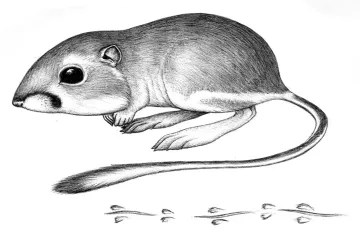
Knowing how far rats roam helps define the zone of concern around your yard. While rats prefer to nest close to their food supply, necessity dictates movement. [9] The roaming distance is often tied to the species and the reliability of the local food environment. [9]
Generally, for a brown rat living under a shed, if the food source is a consistent, easy-to-access garbage can just ten feet away, the rat may rarely venture further than fifty feet from that burrow in a single night. [9] However, if food is scarce, or if a primary food source like a dumpster is several blocks away, the rat's foraging radius expands significantly. [9] Some studies or observations suggest that rats can cover distances up to a few hundred feet from their established home base when food scarcity forces them to search widely. [9] This is why eliminating all attractants across your entire property boundary is more effective than only baiting near the confirmed burrow site; if the food is removed, the rats are less likely to return to that specific yard, even if their main nest remains nearby.
# Shelter Maintenance
Effective long-term management hinges on making your yard an undesirable place for shelter, even if food is intermittently available. [1][5] Since rats rely on dryness, darkness, and stability for their nests, eliminating these conditions is preventative control.
A simple checklist for structural exclusion around the yard includes:
- Elevating any stored items—firewood, construction materials, debris—at least 18 inches off the ground to eliminate ground-level hiding voids. [1][6]
- Keeping grass cut short, especially near structures, to eliminate dense cover where they might hide while moving between locations. [4]
- Ensuring that any stacked wood is kept away from the house walls, ideally stacked at least a few feet away, to break the path from the woodpile shelter to the home foundation. [5][6]
- Securing all trash and compost bins with tight-fitting, locking lids, and positioning them away from the house perimeter if possible. [5]
- Addressing plumbing issues promptly to eliminate standing water or constant ground moisture, which aids in burrow stability. [6]
By removing the safe, dark, and dry spaces that rats depend on for resting and breeding—their actual living area—you make your yard a temporary stopover rather than a permanent residence. [1][7] They will seek out environments where shelter requires less effort to create or maintain.
Related Questions
#Citations
Rats - UC IPM
ELI5: When a residential area becomes neglected, where do the rats ...
[PDF] Where do rats live outside? Under wood piles or lumber that is not ...
How to Know If You Have Rats in Your Yard - Topiarius
Where do Rats & Mice Live? - Active Pest Control
Where Do Rats Live? Common Habitats & How to Keep Them Away
Where Do Rats Hide During the Day? | Rodent Control
How Can I Get Rid of Rat Burrows and Holes Around My House?
How Far Will Rats Roam? - Colonial Pest Control