Is a cane rat a rat?
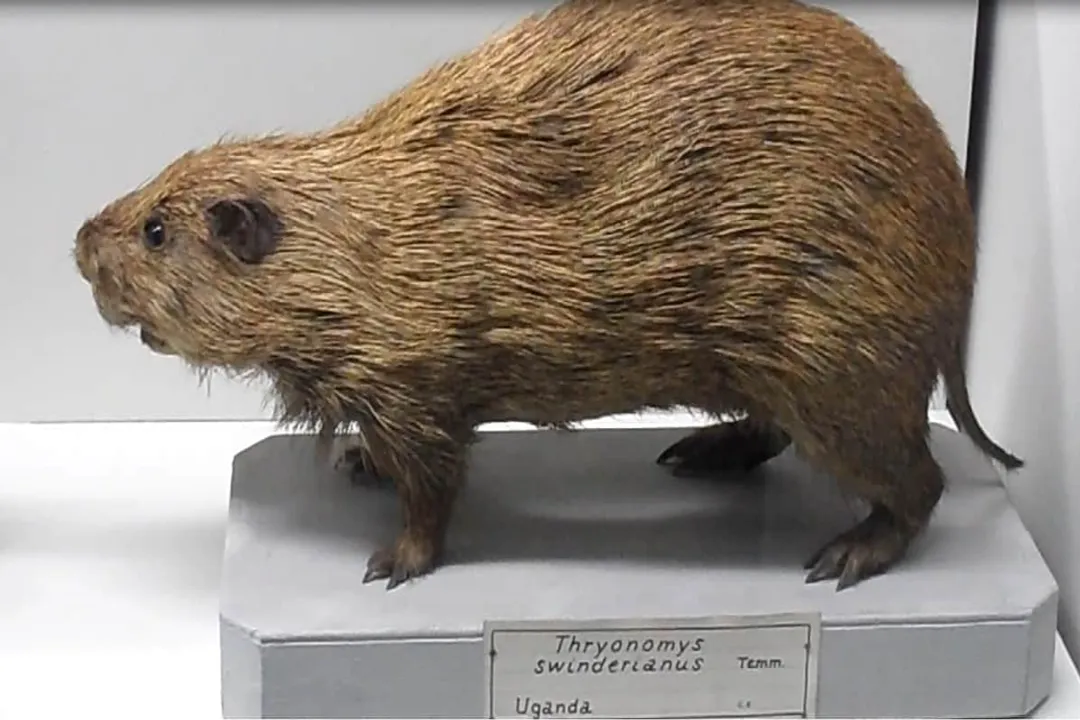
The question of whether a cane rat is truly a rat is one that frequently arises, primarily because its common name suggests a close relationship to the small, ubiquitous rodents we often see scurrying in urban environments. However, beneath the surface of this simple nomenclature lies a much more interesting and distinct animal. The cane rat, often referred to as the grasscutter, is indeed a rodent, but it belongs to a separate and unique family from the common house rat that people usually associate with the term [Rattus]. [2][4] This distinction is crucial for understanding its biology, ecology, and cultural significance across the African continent where it thrives. [7]
# Naming Confusion
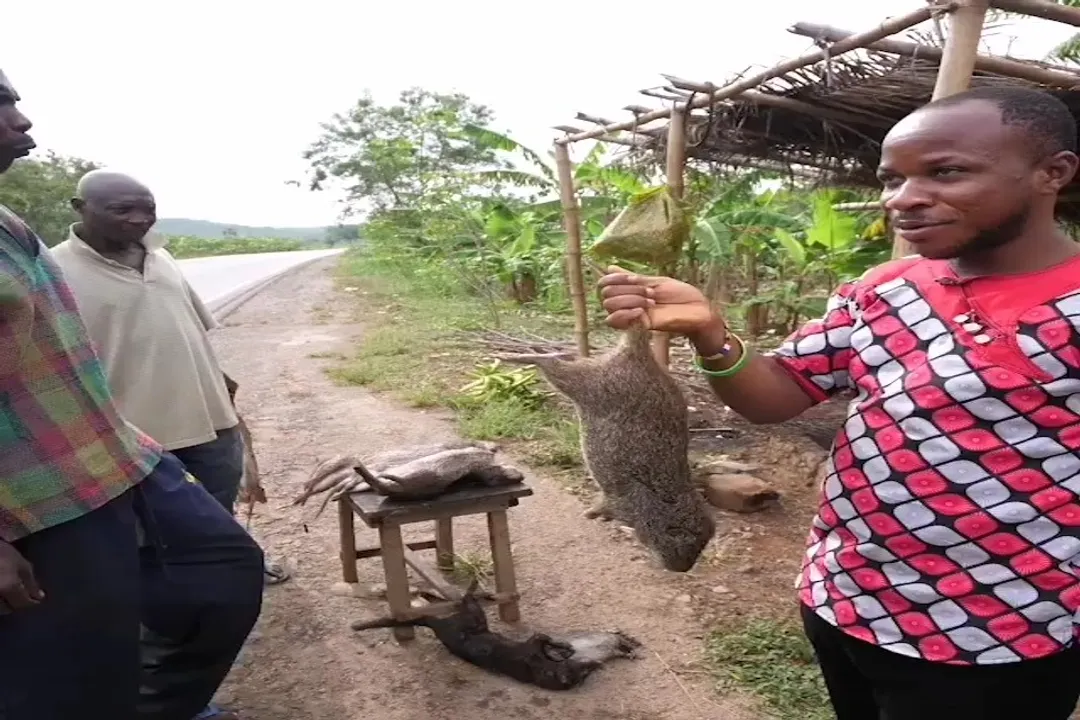
The sheer number of names associated with this large rodent contributes significantly to the confusion surrounding its identity. To many, especially outside its native range, it is simply the cane rat. [9] This name likely stems from its penchant for inhabiting areas with thick cane or grass where it can find cover and food. [2] Yet, it is perhaps even more commonly known as the grasscutter. [5][7][9] This moniker accurately reflects its herbivorous diet, consisting largely of grasses and reeds. [1][2] Adding to the taxonomy puzzle is its scientific designation, Thryomys swinderianus, which places it squarely within the family Thryonomyidae. [1][4] Even a standard dictionary definition simply labels it a large species of rat. [3][8] This cascade of common names—from the suggestive cane rat to the descriptive grasscutter—can obscure the fact that taxonomically, it is separated from the Rattus genus by a significant evolutionary distance. [2][4]
# Taxonomic Separation
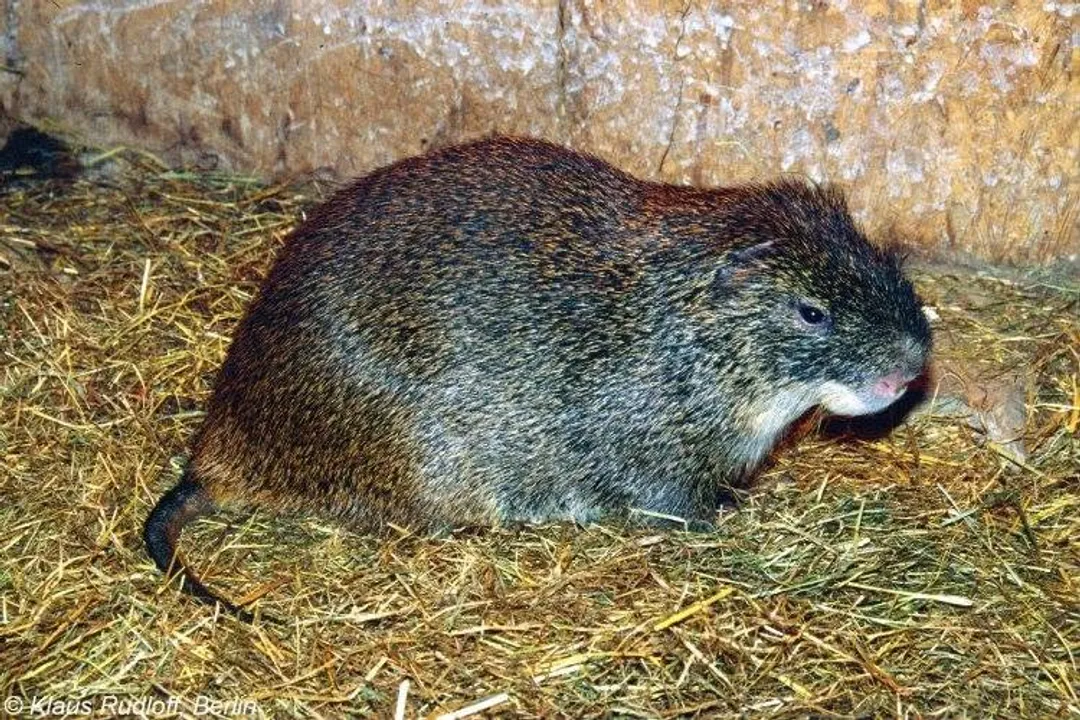
Understanding the classification of the cane rat reveals exactly why it is not considered a "true rat" in the biological sense. True rats, such as the Norway rat or the black rat, belong to the family Muridae. [4] The cane rat, conversely, is the largest member of the family Thryonomyidae. [1][2][4] This family is distinct, possessing unique morphological and genetic characteristics that set it apart from the Muridae. [4] While both cane rats and true rats fall under the broader order Rodentia, their divergence happened long ago, leading to different evolutionary paths. [2][4] Structurally, they are often compared visually to large guinea pigs or substantial rats, but their skeletal and dental features confirm their separate lineage. [6] The grasscutter represents the sole surviving genus within its family, making it a significant species from an evolutionary standpoint, unlike the vast and diverse Rattus genus. [4]
# Physical Traits
One of the most striking differences between the cane rat and common rats is sheer size. Cane rats are sizable creatures, often growing quite large for a rodent. [3] Adult specimens can reach lengths of up to 60 centimeters (about two feet). [3] Furthermore, they can weigh in at an impressive amount, sometimes reaching up to 3 kilograms (around 6.6 pounds). [3] This places them in a completely different size category than most common pest rats, which rarely exceed a fraction of that weight. [1] They possess a somewhat stocky build, shorter legs relative to their body size, and a coat that tends toward rough, coarse fur, distinguishing them from the typically sleeker profiles of commensal rats. [6] Their appearance sometimes leads observers to mistake them for large guinea pigs, though their longer tail and differing facial structure quickly differentiate them. [6]
# Habitat and Ecology
The natural environment for the Thryomys swinderianus is widespread across various habitats in Africa. [1][2] They are primarily creatures of savannas, grasslands, and forested areas. [1][2] Unlike some rats that thrive in direct association with human refuse, cane rats show a distinct preference for moister environments. [2] They are often found in thickets or near sources of water, where dense vegetation provides both protection and sustenance. [2] These animals are largely nocturnal, meaning they are most active during the night. [2] During the day, they typically retreat into burrows they dig themselves or that may have been abandoned by other animals. [2] Their diet is strictly herbivorous, consisting mainly of grasses, reeds, roots, and tubers. [1][2] They are known to feed on crops like sugarcane, which brings them into direct conflict with agricultural practices. [1]
One interesting ecological observation is the contrast in their relationship with human settlements compared to true rats. While true rats often become commensal—living off human waste and structures—the cane rat’s presence is more tied to agricultural land and natural cover. [1] This functional difference in niche occupation is important; while a city rat consumes whatever is available, the grasscutter is a dedicated grazer whose impact is felt directly on cultivated fields, demanding management strategies focused on crop protection rather than sanitation control. [1]
# Interaction with Humans
The relationship between humans and the cane rat is multifaceted, involving both antagonism and appreciation. On one hand, their fondness for crops like sugarcane can make them significant agricultural pests, damaging yields and requiring control measures by farmers. [1] On the other hand, they are highly valued as a source of protein across several African nations. [7] In countries like Ghana, the cane rat, or grasscutter, is considered a delicacy and is a common component of local cuisine, often referred to as bushmeat. [5][7][9] This consumption is a long-standing cultural practice, meaning that for many communities, the animal is not a pest to be eradicated but a valuable, sought-after resource. [7]
The market demand for this meat has led to considerations regarding its sustainability. Because they are large and their meat is appreciated, there is ongoing discussion about developing methods for farming them, known as grasscutter husbandry, to meet demand without over-harvesting wild populations. [5] This presents a unique situation where an animal often treated as a pest in one context (agriculture) is simultaneously managed as livestock or a wild game resource in another (food supply). [7]
| Feature | Cane Rat (Thryomys) | True Rat (Rattus) |
|---|---|---|
| Family | Thryonomyidae [4] | Muridae [4] |
| Typical Size | Large, up to 3 kg [3] | Generally much smaller |
| Diet Focus | Herbivore (Grass, roots, sugarcane) [1][2] | Omnivore (Scavenger, varied) [1] |
| Primary Habitat | Savanna, thickets, near water [2] | Highly adaptable, often commensal with humans [1] |
# Distinguishing Identity
Ultimately, answering whether a cane rat is a rat requires looking past common nomenclature and examining biology. A cane rat is not a rat in the way that a black rat or a brown rat is a rat; they are not congeners. [4] They are better described as large African rodents that share the general body plan of a typical rodent—four legs, gnawing teeth, a long tail—which is why the misleading term "rat" persists in everyday language. [6]
If one were to trace the family tree, the cane rat’s closest relatives are not the common pests but other members of the Thryonomyidae family, or perhaps, more distantly, guinea pigs. [2][4] Their unique evolutionary path and specific dietary niche solidify their position as a distinct entity within the Rodentia order. [4] Therefore, while Thryomys swinderianus is a rodent, it is not a rat (meaning Rattus). [2] They are best understood as the grasscutter, a large, herbivorous African native that occupies a specific ecological role, one that includes being a primary food source for many people. [5][7] Recognizing them by their proper names—cane rat or grasscutter—helps maintain clarity regarding their distinct nature and importance, separate from the smaller, often unwelcome Rattus species. [9]
Related Questions
#Citations
Cane rat - Wikipedia
Cane rat | African, nocturnal, burrowing - Britannica
Greater Cane Rats are a large species of rat that live in sugar cane ...
Thryonomyidae (cane rats) | INFORMATION - Animal Diversity Web
Lesser-known rodent of Zimbabwe - have you seen one? - Facebook
Cane Rat - A-Z Animals
CANE RAT Definition & Meaning - Merriam-Webster
Infamous South African Wildlife — Cane Rats aka Grass Cutters ...