Where can we find bush babies?
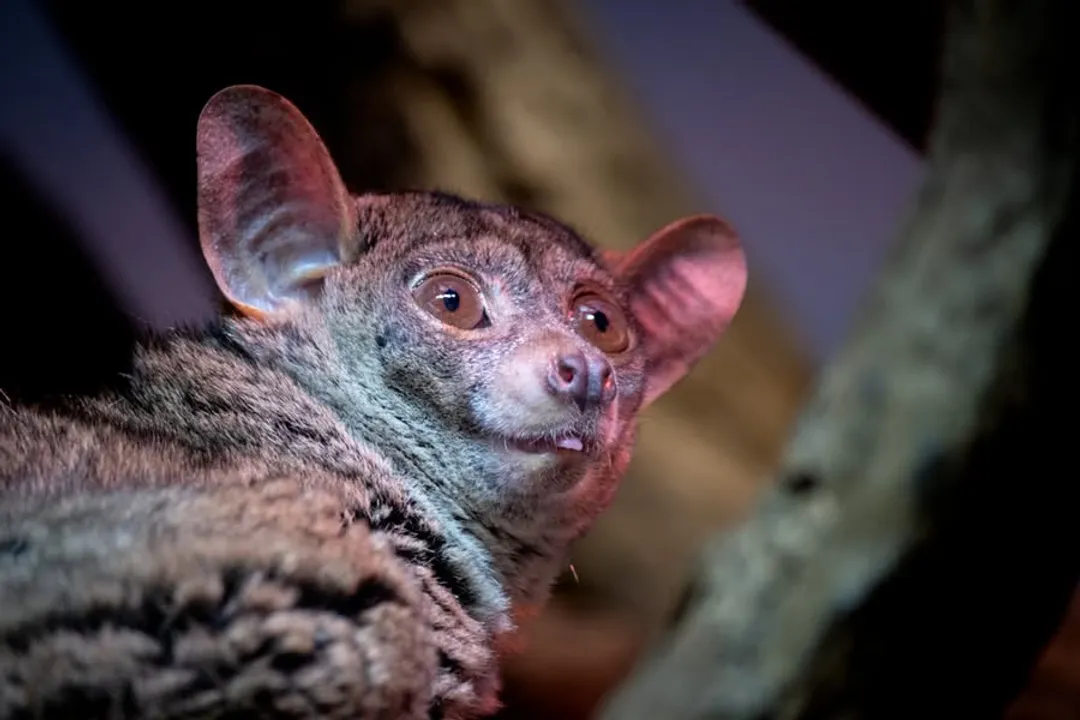
The delicate creatures often called bushbabies, scientifically known as galagos, are fascinating small primates whose primary locations are restricted to the diverse landscapes of the African continent. [2][3] Pinpointing exactly where one might spot these nocturnal beings involves understanding their broad continental spread coupled with the specific environmental conditions they require to thrive. [5] They are not inhabitants of a single forest or savanna, but rather widespread across numerous countries, adapting to surprisingly varied settings as long as the night offers them cover and food. [2]
# African Home
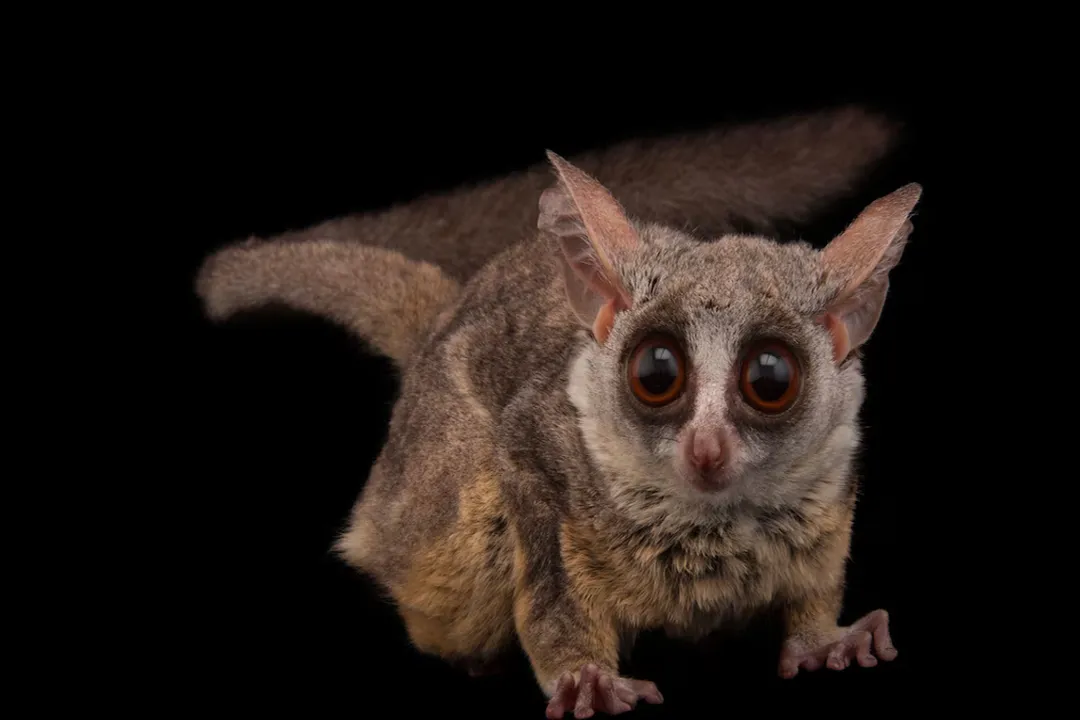
The most fundamental answer to where bushbabies reside is Africa. [3] These animals are exclusively found across various regions of this continent, from west to east and south. [5][7] They are not native to Asia or the Americas, which sometimes causes confusion since the name "bushbaby" might evoke images from other tropical locales. [3] Understanding their distribution requires looking at the range maps of the various recognized species, as different types occupy slightly different territories. [7] For instance, while the Lesser Bushbaby's range stretches significantly across central and eastern Africa, the Mohol's Bushbaby tends to focus its habitat further south and central. [7]
# Ecosystem Niches
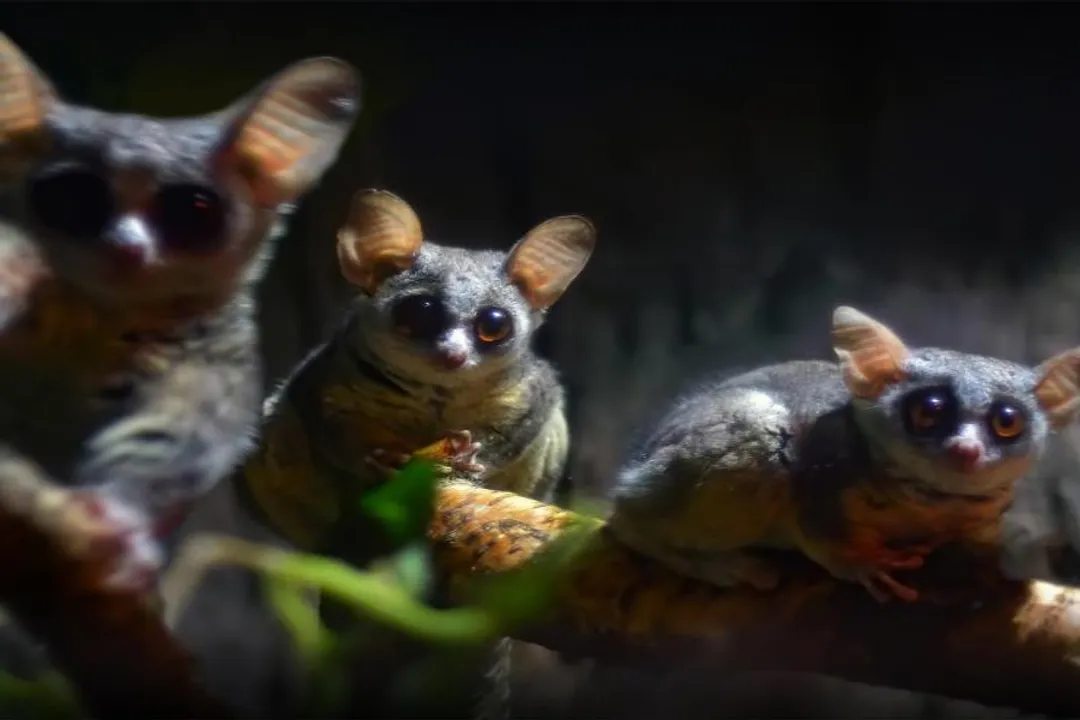
Bushbabies are remarkably adaptable regarding the type of environment they inhabit, provided there is sufficient cover and access to their preferred diet. [2] The overarching theme among their preferred homes is a mix of trees and dense undergrowth, which they navigate with incredible agility. [5]
Key habitats include:
- Savannas and Woodlands: Many species, such as the Lesser Bushbaby (Galago senegalensis), are commonly found in drier savannas, woodlands, and areas with scattered scrubland. [2][5] These environments offer a balance of open space for foraging insects and sufficient tree cover for sleeping during the day. [5]
- Scrubland: Dense, thorny scrub provides excellent daytime refuge from predators. [2]
- Rainforest Margins: While they aren't strictly deep jungle dwellers, some populations exist where forest transitions into other biomes. For example, observations in places like Kibale Forest National Park in Uganda note their presence across the mosaic of rainforest, swamps, and grassland within the park boundaries. [6]
It is worth noting the difference in preference, even within the broader category. The Mohol's Bushbaby, for instance, shows a strong preference for dry woodlands and savanna environments compared to some other, perhaps more generalized, species. [7] The availability of tree gum seems to be a critical factor, suggesting that wherever the right host trees are present in these open woodlands, a population is likely to establish itself. [3] The connectivity between individual trees or clusters of suitable vegetation is arguably more important than the sheer density of the forest itself, allowing these small, leaping acrobats to travel safely between feeding and sleeping spots under the cover of darkness. [5]
# Park Sightings
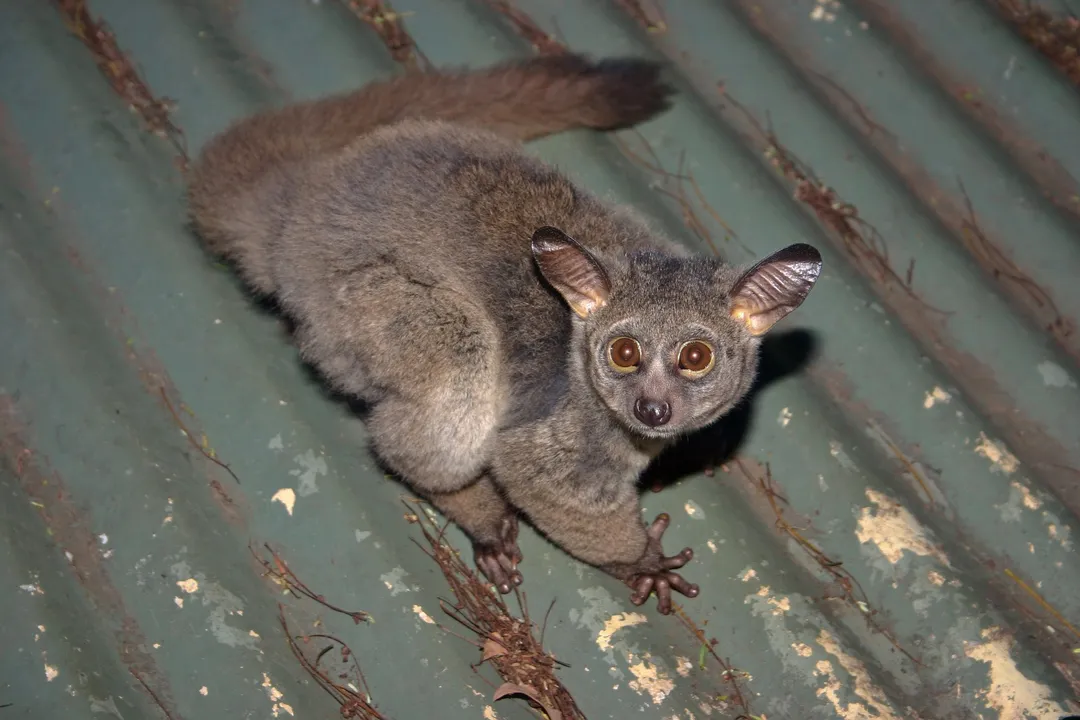
While an exact count across the continent is challenging, researchers and dedicated wildlife enthusiasts have established specific locations where these primates are frequently observed or known to reside.
One well-documented location for finding bushbabies is Kibale Forest National Park in Uganda. [6] In this biodiverse area, one might encounter various species, depending on the specific forest section being observed. [6] Given their strictly nocturnal nature, spotting them in such parks usually requires a guided night walk, where spotlights are used cautiously to catch the reflection of their large eyes. [6]
Other regions frequently cited as part of their continuous range include countries like Sudan, Kenya, and Tanzania for the Lesser Bushbaby. [2][5] Observing them in the wild often means seeking out the interface between human settlements and natural woodlands, as some species have shown an ability to live near—though rarely in—urban areas, provided they have access to trees. [2]
When tracking these animals, an interesting distinction arises between researchers studying them in areas like Kibale and those looking in drier southern African savannas. While both environments host galagos, the techniques for finding them shift slightly; in the wetter, denser rainforest margins, one might listen for their distinct calls amidst general forest noise, whereas in the drier savanna, their calls might carry further in the clearer night air, making auditory location easier. [6] This highlights that while the species is consistent, the experience of finding them depends heavily on the local geography.
# Galago Types
The term "bushbaby" generally refers to several species within the family Galagidae, and knowing which species you are looking for can help narrow down the location. [3]
- Lesser Bushbaby (Galago senegalensis): This species has a wide distribution, making it one of the most commonly encountered in a broad swath of Africa. [2][5]
- Mohol's Bushbaby (Galago moholi): This type is generally restricted to central and southern African dry woodlands and savannas. [7]
Knowing the difference matters because if you are in, say, the southern part of the continent's range, focusing your search on G. moholi habitats might yield results where G. senegalensis would not typically be found. Additionally, there are larger varieties, such as the Northern Greater Galago, which are sometimes kept in specialized animal facilities, but their wild distribution follows similar continental patterns, usually favoring woodlands. [4]
# Night Watch
The single most critical piece of information for locating a bushbaby, regardless of geography, is timing. They are entirely nocturnal. [2][6] This means that any search for them must begin after sunset and continue through the night until dawn.
During the day, they are securely tucked away in nests or dense vegetation, making them almost impossible to find. [5] Their large eyes are perfectly adapted for gathering the scant light available at night, which is why a brief reflection from a flashlight beam often gives away their presence when they freeze mid-activity. [3]
For those attempting to locate them in the wild, whether for research or dedicated viewing, this nocturnal schedule dictates the logistics. You won't find them resting in a tree hollow at noon; you must be present when they are actively moving, feeding on insects, fruit, and tree gum. [3] If you are planning a trip to an area known for them, such as a national park, always inquire about the availability of experienced local guides who conduct specific night treks, as their knowledge of local roosting sites and feeding routes is invaluable. [6] Trying to observe them without local expertise, especially in dense areas, is often a fruitless endeavor after dark.
# Observation Tips
If you find yourself in a suitable African woodland or savanna edge at night, where should you direct your gaze? Beyond the general habitat, focusing on their feeding habits can give you actionable locations. Since they consume insects and tree sap/gum, look for areas with abundant flowering or exudate-producing trees. [3] A tree that appears slightly sticky or has visible insect activity around its trunk or lower branches during the day might become a hotspot for galago activity after dark.
Furthermore, while they are excellent climbers, many species will descend to the ground to forage or move between widely spaced trees. [5] If you are watching from a fixed point, pay attention not just to the canopy but also to the lower branches and the ground directly beneath trees that show signs of life after sundown. Their movement is often described as swift and erratic—a series of long leaps rather than slow climbing—so patience and a steady gaze are required to follow the movement once you spot that initial eye-shine. [5]
Related Questions
#Citations
Greater Galagos Bushbaby For Sale
Lesser Bush Baby
Bush babies
Omaha's Henry Doorly Zoo and Aquarium
Galago senegalensis (Senegal galago) | INFORMATION
Galagos in Kibale National Park – Bush Babies in Kibale Forest
Moholi Bushbaby
New at the Zoo: Meet Our Bushbaby Brothers