Where are bush babies located?
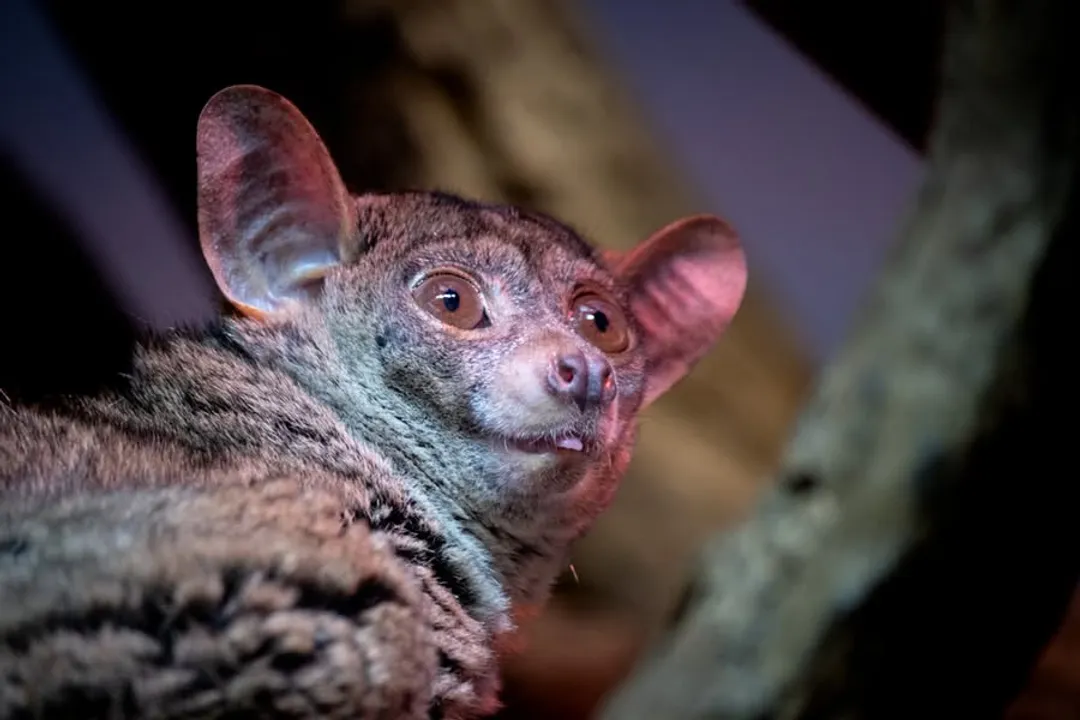
The small, wide-eyed primates known commonly as bush babies are native exclusively to the continent of Africa. [1][2][3] These captivating creatures, scientifically referred to as galagos, belong to the family Galagidae. [1][9] Their characteristic large eyes and powerful hind limbs, which are built for impressive leaping, immediately mark them as unique inhabitants of the Old World. [1][3] Understanding where to find them involves looking across the African landmass and considering the specific ecological niche their lifestyle demands. [4]
# African Origin
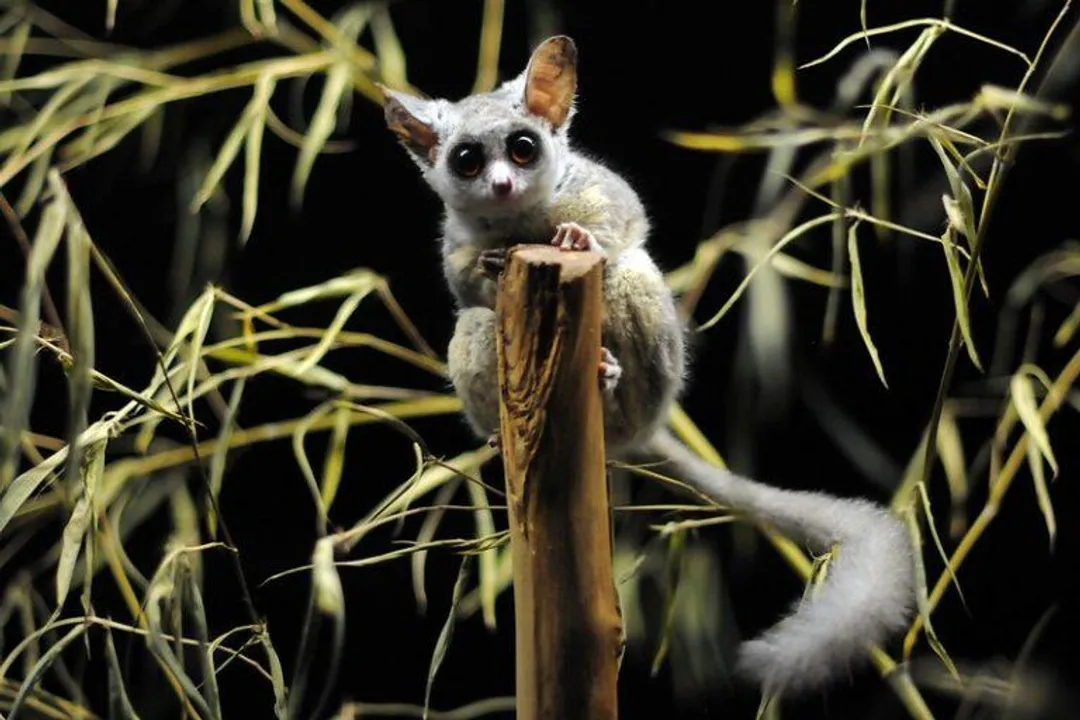
Bush babies are strictly an African phenomenon; you will not find them naturally established anywhere else in the world, such as the Americas or Australia. [1] Their distribution spans a significant portion of continental Africa. [1][4] As a group, the various species of galago occupy a wide geographic range throughout the continent. [3]
# Environment Types
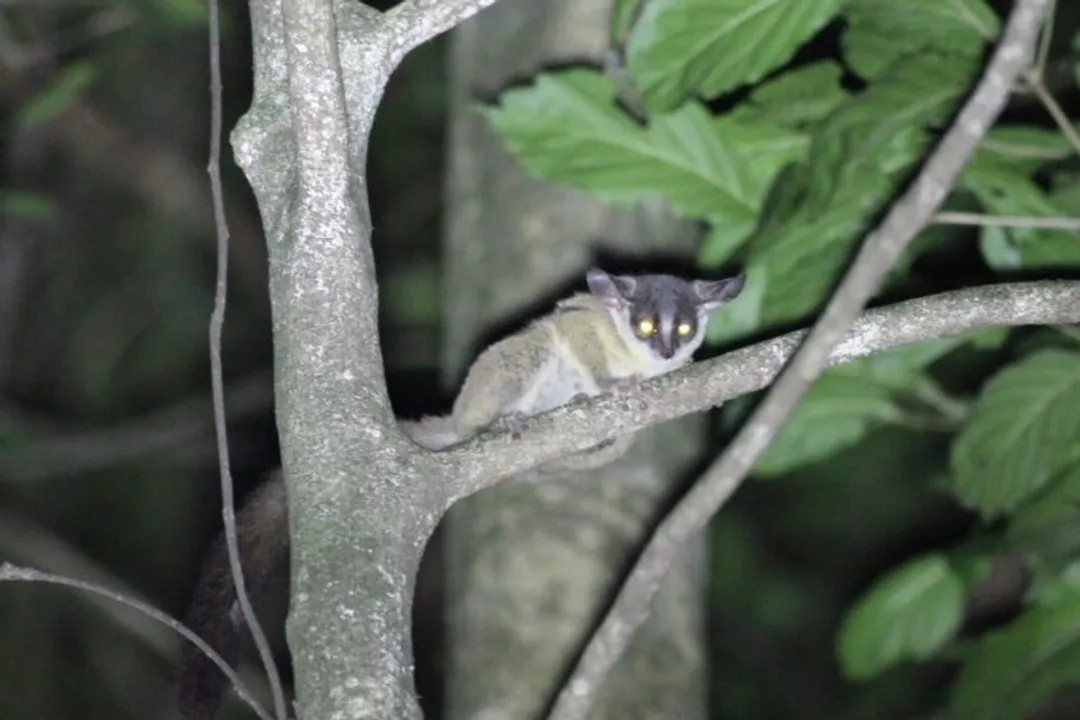
The precise location of a bush baby depends heavily on which species one is searching for, as their habitat preferences vary significantly across the different galago types. [1] Generally speaking, they are highly adaptable creatures found inhabiting a spectrum of environments. [3] While some species thrive in dense forest settings, others are perfectly suited to more arid conditions. [4] They are frequently observed in savannas and various woodland areas. [3][5] Their requirement for arboreal life means that the presence of suitable trees is more critical than the exact climate classification, though they generally thrive where vegetation allows for vertical movement. [3] It is not uncommon to find them in areas that border human development, illustrating a certain flexibility in their ecological needs. [3]
# Lesser Range
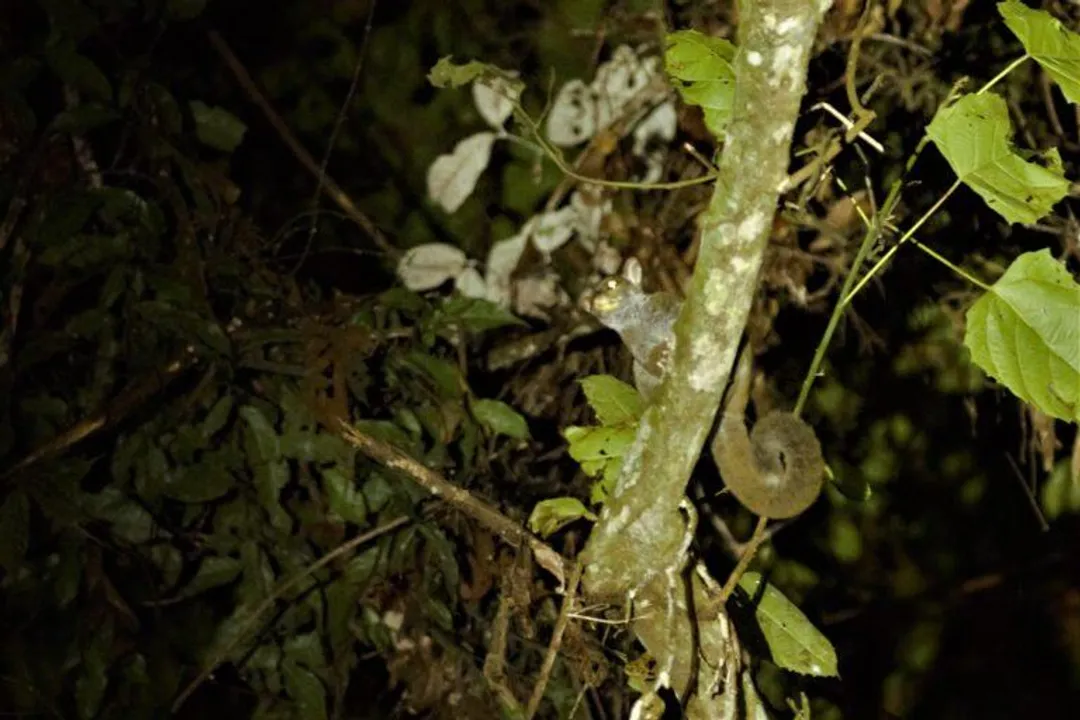
When people refer to a generalized "bush baby," they are often thinking of the Lesser Bush Baby, scientifically named Galago senegalensis. [1][5] This specific species tends to favor the drier, more open environments. [1] Their primary domain is identified as the drier savannas stretching across both West and East Africa. [1][5] Specific regions where populations of this particular species have been documented include nations such as Senegal, Sudan, and Uganda. [1] The Duke Lemur Center highlights that G. senegalensis specifically favors the arid and semi-arid sections within those East and West African zones. [5]
# Vertical Space
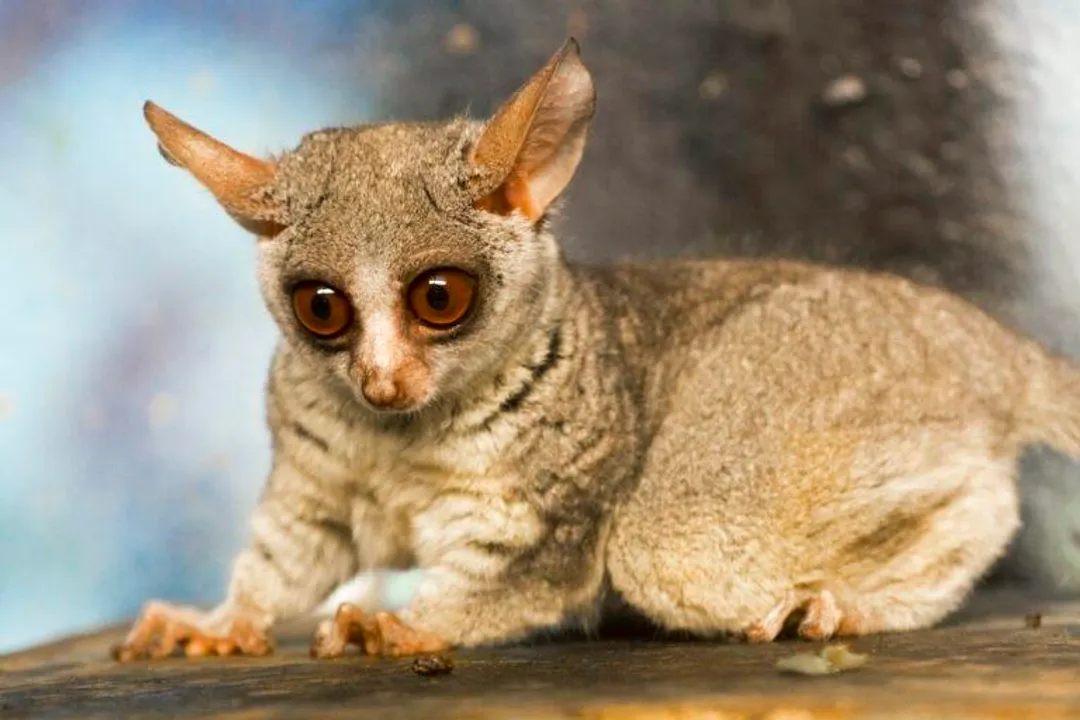
A major factor dictating where a bush baby is located at any given time is its strictly arboreal nature. [3][5] These small primates spend the vast majority of their lives up in the trees. [3] Their entire lifestyle, from sleeping in woven nests high above the ground to foraging for insects and gum Arabic, [1][5] is conducted in the canopy. Therefore, locating them necessitates looking upward. They utilize their incredibly strong hind legs to propel themselves across gaps between branches, making the upper layers of the forest or savanna woodland their preferred territory. [1][3] A dense, mature tree line, even in a relatively dry area, is a better location indicator than open grassland. [4]
# Species Distribution
While the overall distribution is across Africa, it is important to note that the term "bush baby" refers to several different species within the Galagidae family, which complicates pinning down a single location. [1][9] For instance, while the Lesser Bush Baby favors drier zones, [5] other species might be endemic to specific rainforests or riverine forests in Central Africa. [1] A galago found deep within the humid forests of Gabon would almost certainly be a different species than one observed near the thorn scrub of Tanzania. [1] This means that to pinpoint the location of a bush baby, one must first identify which bush baby is being discussed, as their ranges often do not overlap. [1]
When considering their presence in controlled environments, such as zoos, it’s interesting to note that institutions often house species that might be geographically distant in the wild, bringing species from separate African regions into proximity. [6][8] However, this reflects human curation rather than natural habitat. For example, some facilities house the Northern Greater Galago (Otolemur garnettii), which is typically found in the forested areas of East Africa. [6]
When attempting to predict where a generalized galago population might be densest, researchers or enthusiasts should look for regions offering a transitional environment—where the drier savanna gives way to denser woodland cover. This ecotone often provides the best blend of open foraging space and necessary cover from nocturnal predators like owls. [3][5] The existence of large, structurally sound trees for nesting is a fundamental prerequisite, making areas protected from heavy logging or habitat fragmentation the most reliable places to confirm their presence. [4] It is this combination of specific vegetation structure and appropriate African latitude that ultimately defines the bush baby's location.
Related Questions
#Citations
Galago - Wikipedia
Bush babies | National Geographic
Bush baby | Description, Habitat, & Facts | Britannica
Lesser Bush Baby - African Wildlife Foundation
Lesser Bush Baby - Duke Lemur Center
Omaha's Henry Doorly Zoo and Aquarium - Facebook
Galago senegalensis - Animal Diversity Web
Galago Bush Baby – Cub Creek Science and Animal Camp
Galagos And Bushbabies - New England Primate Conservancy