What does the satanic leaf-tailed gecko eat?
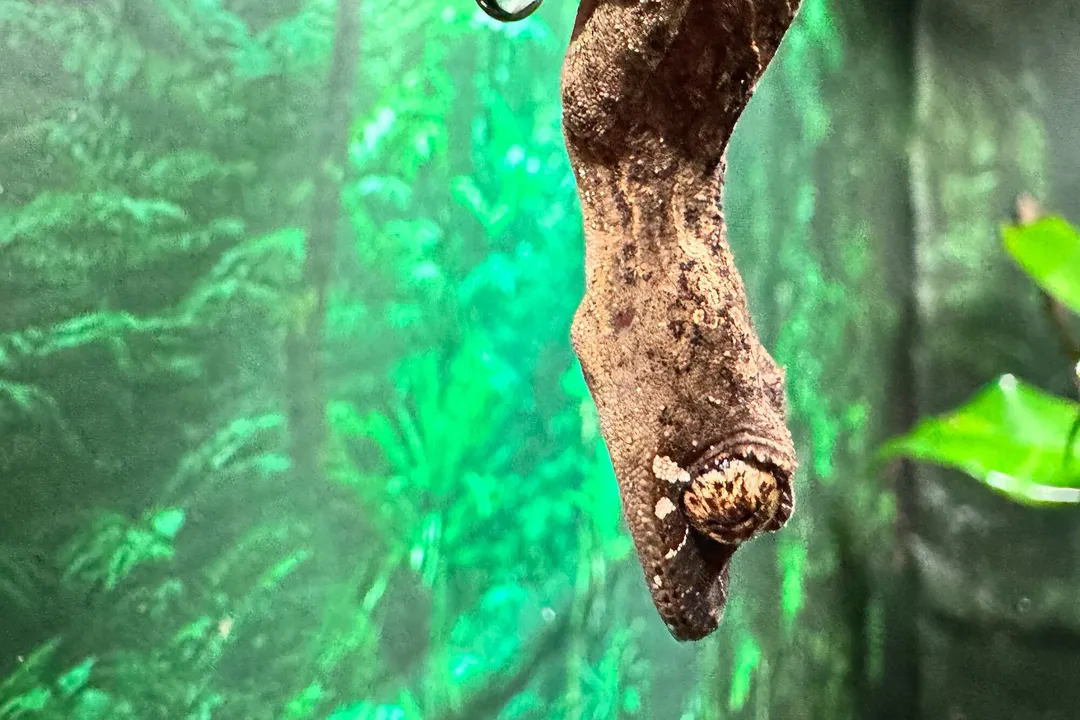
The satanic leaf-tailed gecko, Uroplatus phantasticus, maintains a diet strictly rooted in the consumption of live invertebrates. [4][8] As a primarily nocturnal predator, its feeding habits in the wild revolve around capturing the small arthropods available during their nighttime activity. [6] For those keeping these remarkable creatures in captivity, replicating this insectivorous requirement involves careful selection of prey items, ensuring they meet the specific size and nutritional criteria necessary for optimal health. [1][5]
# Insect Diets
The captive diet for the satanic leaf-tailed gecko is centered entirely on providing a variety of live insects. [2][9] While they are sometimes broadly described as eating insects and other small invertebrates, [4] the practical application in care sheets focuses on readily available feeder insects. [1][5][10]
The most commonly recommended staples in the diet list feature several primary groups of feeders. Crickets are frequently mentioned as a core component of the feeding routine. [1][3][5][8][9][10] Similarly, Dubia roaches are an often-cited, nutritious option that fits well into their feeding requirements. [1][2][5][6][10]
Beyond these staples, a healthy rotation requires introducing variety. Mealworms are commonly included in the dietary rotation. [2][3][5][8][9][10] To provide different textures and nutritional profiles, keepers also offer waxworms. [1][2][3][5][8][9][10] Silkworms and superworms are also listed as appropriate additions to the gecko’s menu, expanding the nutritional breadth available to the animal. [1][2][5][6][9][10] Hornworms appear on some lists as suitable food items as well. [2][9]
It is helpful for keepers to view this list not just as options, but as a toolkit for balance. While crickets and roaches form the backbone of most captive insectivorous diets due to availability and moderate fat content, relying too heavily on any single item, or too frequently on fatty options like waxworms, can lead to imbalances over time. The sheer number of suggested prey items—from roaches and crickets to silkworms and hornworms—indicates that variety is as important as the individual item itself, preventing dietary boredom and ensuring a wider spectrum of nutrients are ingested through the insects. [1][2][5][6][9][10]
# Prey Sizing

A crucial, non-negotiable aspect of feeding any Uroplatus species, including the satanic leaf-tailed gecko, is the size of the prey item relative to the predator. This rule is fundamental to preventing impaction or injury. [1][5][9][10]
The universally accepted guideline dictates that no feeder insect should be wider than the distance between the gecko’s eyes. [1][5][9][10] This measurement acts as a natural safety check for the keeper. An insect that exceeds this width may be too large for the gecko to safely swallow, potentially leading to choking or internal damage. [5][10]
This sizing rule is dynamic throughout the gecko’s life. A juvenile gecko, naturally smaller, will require much smaller feeders than a fully grown adult. [2] If a keeper is raising a young gecko, the crickets or roaches offered must correspond to the juvenile’s developing gape. As the gecko matures, the maximum safe prey size increases correspondingly, allowing for larger feeders up to that established eye-width limit. [10]
# Predatory Preference
While the variety of insects listed above are acceptable foods, the gecko’s natural hunting behavior suggests a preference that keepers should try to mimic, especially when deciding which insect to offer on any given night.
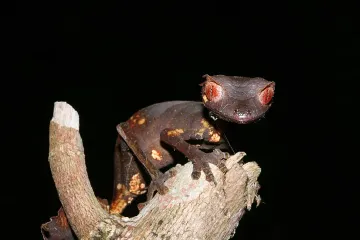
The nocturnal nature of Uroplatus phantasticus means they are adapted to hunting when light levels are low. [6] In the wild, this often translates to ambushing prey that moves slowly or is less conspicuous. [1] Therefore, while a fast-moving cricket might catch the eye, slower, darker prey items are often preferred by these ambush predators. [1] This behavioral insight suggests that while movement is necessary to stimulate the feeding response, the type of movement matters. Offering a variety of prey, including slower options like certain roaches over very fast-moving crickets, can sometimes result in a more enthusiastic feeding response. [1]
# Nutritional Priming
The insects themselves are merely vehicles for nutrition; the true value comes from what the insects have eaten and how they are supplemented. Because the satanic leaf-tailed gecko only consumes whole prey, the responsibility for delivering essential vitamins and minerals falls squarely on the keeper via two distinct methods: gut-loading and dusting. [1][2][9][10]
# Gut Loading
Gut-loading is the process of feeding the feeder insects a highly nutritious diet for 24 to 48 hours before they are offered to the gecko. [1][2][5][9][10] This process ensures that the nutrients are stored within the insect’s gut for the gecko to consume. If an insect is starved or fed a poor diet (like plain dry oats), it offers minimal nutritional benefit to the reptile consuming it. [5] High-quality gut-loading formulas, fresh vegetables, and appropriate foods should be provided to the insect stock regularly. [1]
# Dusting Supplements
Gut-loading alone is insufficient for captive reptiles, particularly insectivores that require specific minerals like calcium for bone health and metabolic function. [1][9] This necessitates dusting the prey items immediately before feeding. [1][2][9][10]
Dusting involves coating the insects lightly with powdered supplements. [10] There are generally two types of supplements used in rotation:
- Calcium with D3: Essential for calcium absorption and preventing Metabolic Bone Disease (MBD). [1][9]
- Multivitamin: Provides necessary fat-soluble vitamins (like A and E) and other trace minerals. [1][2][9]
A common keeper practice involves alternating these supplements. For instance, insects might be dusted with calcium/D3 every other feeding, and dusted with a reptile multivitamin once or twice a week, with regular feedings relying only on gut-loaded insects in between. [1][9]
A practical management tip for keepers balancing the schedule involves creating a small "feeder rotation chart." If you feed three times per week, the schedule might look like: Monday (Calcium Dusting), Wednesday (Plain Gut-loaded), Friday (Multivitamin Dusting). This simple structure, applied consistently, helps ensure the delicate balance of minerals is maintained without over-supplementing, which can be as detrimental as under-supplementing. [2][9]
# Feeding Frequency
While the sources confirm what they eat and how to prepare it, the specific when—the feeding frequency—often relates to the gecko’s life stage. [2]
Juveniles, due to their rapid growth and high energy demands, require more frequent meals. [2] In contrast, adult satanic leaf-tailed geckos need to be fed less often, typically only a few times per week. [2] Determining the exact amount to offer at each session is often done by offering insects until the gecko refuses them, rather than sticking rigidly to a fixed number, which allows the gecko to regulate its own intake based on its current metabolic needs. [1]
# Invertebrate Alternatives
While the primary focus is on insects, the general insectivorous classification suggests potential for other invertebrates. [4] In a natural setting, Uroplatus phantasticus would certainly consume spiders or other small arthropods encountered on the forest floor or bark. [4] However, for captive care, substituting commercially raised insects with wild-caught invertebrates is generally discouraged due to the unknown pesticide or parasite loads they might carry. [1] Sticking to commercially bred crickets, roaches, and worms provides the highest degree of control over the gecko’s nutritional input and overall safety. [5]
#Videos
Watering + Feeding my SATANIC leaf tailed geckos (Uroplatus ...
Related Questions
#Citations
Leaf-Tailed Gecko Food | What to Feed Your Pet Uroplatus - ReptiFiles
Satanic Leaf Tailed Gecko Care Sheet
Phantastic leaf-tailed gecko - National Zoo
Satanic Leaf-Tailed Gecko - Facts, Diet, Habitat & Pictures on ...
Leaf-Tailed Gecko Care Sheet | DubiaRoaches.com
Satanic leaf-tailed gecko (Uroplatus phantasticus)
Watering + Feeding my SATANIC leaf tailed geckos (Uroplatus ...
Satanic Leaf-Tailed Gecko - Uroplatus phantasticus - A-Z Animals
Satanic Leaf Tail Gecko Care Sheet - Chromatic Chameleons
Feeding Leaf-Tailed Geckos | What and how to Feed Uroplatus