How to care for a tangerine leopard gecko?
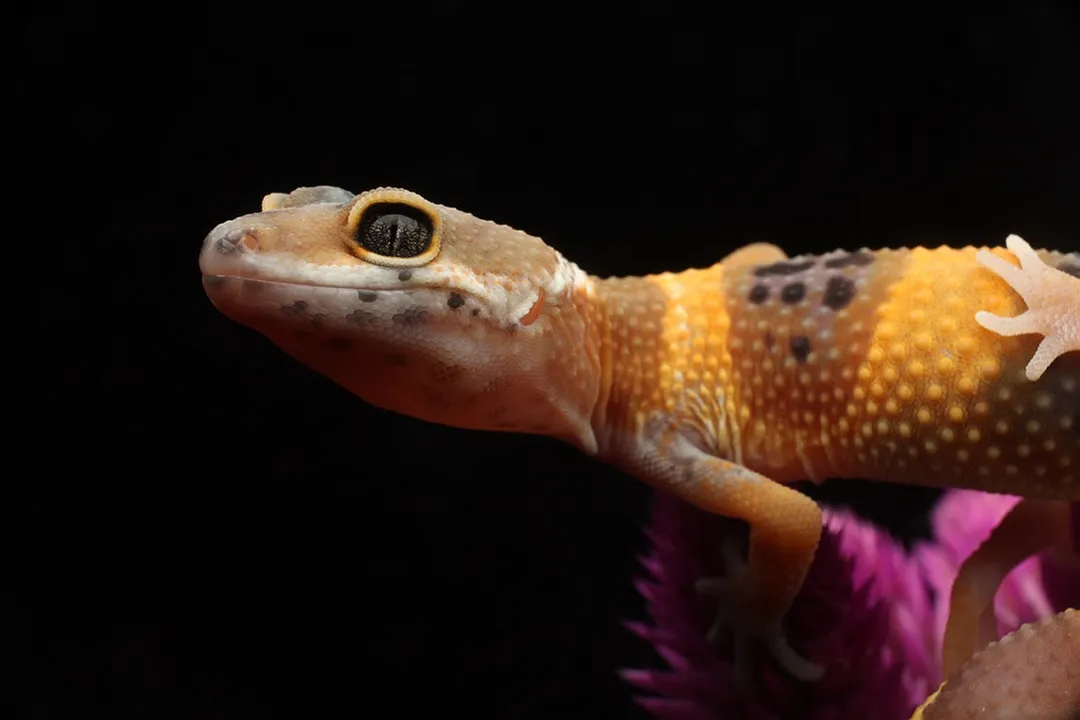
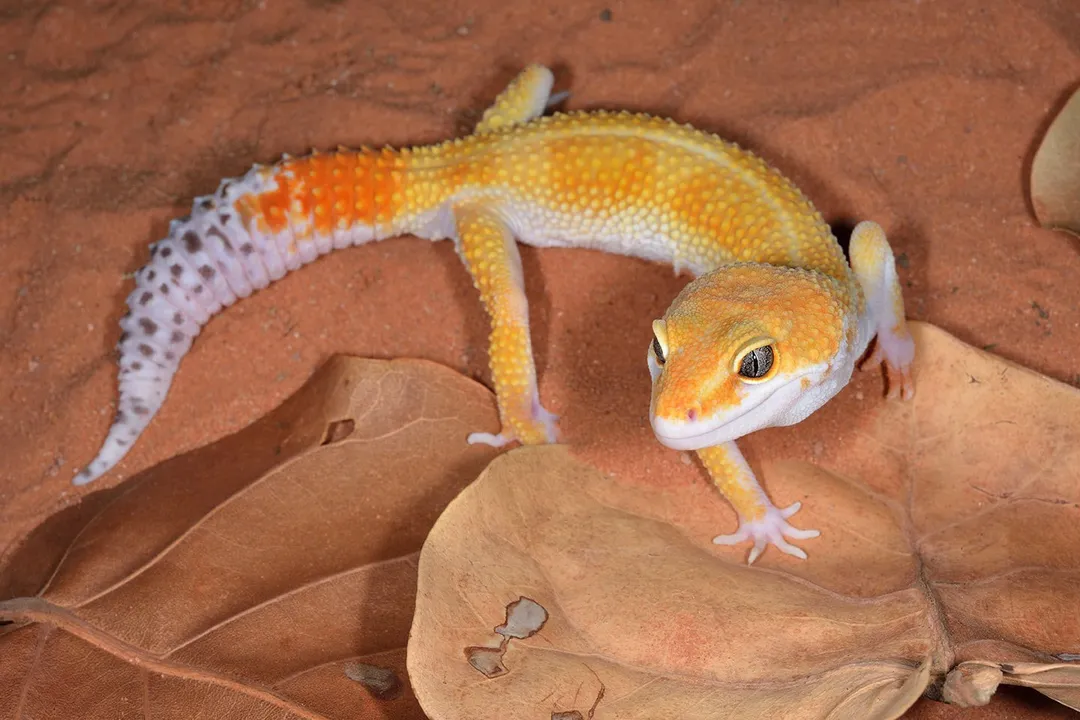
The allure of the Tangerine Leopard Gecko is immediate; their vibrant, fiery orange hues set them apart from the more common yellow and black spotted variants of Eublepharis macularius. While these particular color morphs often carry a higher price tag depending on the intensity of the orange—with "Super Hypo Tangerines" being particularly prized—it is crucial for any prospective keeper to understand that beneath the stunning coloration, their fundamental care requirements are identical to any other Leopard Gecko. These are hardy, generally docile reptiles that make excellent pets, often living for 15 to 20 years, sometimes longer in captivity, making the commitment substantial. Ensuring you mimic their natural, arid habitat from Pakistan and Afghanistan is the key to a long, healthy life.
# Enclosure Space
Setting up the right home is the first significant step. Leopard geckos are terrestrial, meaning they prefer floor space over height, though some vertical enrichment is appreciated. The debate on minimum enclosure size shows some variance, but the trend clearly favors larger spaces for lifelong health and enrichment.
The Royal Society for the Prevention of Cruelty to Animals (RSPCA) suggests a minimum of a 60cm long, 40cm high, and 30cm deep vivarium for a single adult. However, more recent community-driven advice leans toward a significantly larger footprint. Many experienced keepers consider a 20-gallon long tank (approximately 30 x 12 x 12 inches) the absolute minimum standard for one adult. Even better, a 40-gallon breeder tank (around 36 x 16 x 18 inches) is often recommended as the ideal "end-game" enclosure, allowing more room for a proper temperature gradient and enrichment. While older guidance suggested a 10-gallon tank for one gecko, modern husbandry advocates for using the adult-sized enclosure from the start, which saves money and stress in the long run.
Regardless of the material—glass aquarium, PVC, or wood—the enclosure must be secure to prevent escape and possess good ventilation to prevent bacterial buildup. Always use a secure lid, as this is necessary not only for security but also for maintaining internal temperature and humidity levels.
# Thermal Environment
Leopard geckos are ectothermic, relying entirely on their environment to regulate their body temperature. Creating a proper thermogradient—a distinct hot side and cool side—is non-negotiable.
# Daytime Heat Zones
The primary source of heat is typically an overhead fixture, such as a halogen basking lamp or a Deep Heat Projector (DHP), which must be controlled by a reliable thermostat to prevent dangerous overheating or burns.
- Warm Side/Basking Spot: The goal here is usually an ambient temperature between 28°C and 32°C (82°F to 90°F). Crucially, the surface temperature directly under the basking spot, where the gecko will sit to absorb maximum radiant heat, should be monitored closely and can safely reach 35°C to 38°C (95°F to 100°F). To facilitate this, place a piece of natural slate or rock directly under the lamp; this material will absorb and retain the daytime heat effectively.
- Cool Side: The opposite end of the vivarium should offer a retreat zone, with ambient temperatures settling between 21°C and 26°C (70°F to 80°F).
It is vital to measure these temperatures daily using digital thermometers, ensuring probes are accurately placed at the floor level on both sides. When setting up a new, larger enclosure, especially one approaching 40 gallons, it is wise to use an infrared temperature gun to map the floor temperatures beneath the hides on both sides, even if the ambient air thermometers seem correct. A large hide structure might inadvertently create a micro-environment that is either too cool or, if placed too near the heat source, unexpectedly hot, disrupting the gecko’s crucial ability to self-regulate its core temperature.
# Nighttime Temperature Cycle
A common point of learning for new keepers is the nighttime routine. In the wild, desert temperatures drop significantly after sunset, and mimicking this natural drop is beneficial for the gecko’s system. Most sources agree that all lights, including basking lamps, should be turned off at night. If your home temperature remains above 18°C (65°F), no supplemental heat is required. If your room consistently drops lower than this range, use a dark, non-light-emitting secondary source, such as a Ceramic Heat Emitter (CHE) connected to a thermostat set around 18–20°C (65–68°F). Heat mats (Under Tank Heaters or UTHs) are sometimes favored for providing belly heat, but if used overnight, they should also be regulated by a thermostat.

# Lighting Spectrum
Leopard geckos are often mistakenly thought not to require UV lighting due to their crepuscular (dawn/dusk active) nature. While they historically survived without it, modern understanding confirms that low-level UVB is extremely beneficial, aiding in Vitamin D3 synthesis necessary for calcium absorption, and potentially supporting overall health and vision (UVA).
The general recommendation is to install a linear T5 or T8 bulb emitting 2% to 6% UVB. This light source should cover about two-thirds to three-quarters of the enclosure length and be placed in the hot end to create a light gradient, leaving the cool end in shade. It is important to adhere to the manufacturer’s distance recommendations, as UVB decreases rapidly with distance, and be aware that mesh lids can block some output. The recommended output level often corresponds to a UVI between 0.7 and 2 in the basking zone. Lights are typically run on a timer for a 12-hour on/12-hour off cycle. If you utilize a proper UVB setup, you should supplement your gecko's diet less heavily with D3.
# Substrate Controversy

The choice of floor covering, or substrate, is where you will find the most significant differences in established advice, which often reflects evolving reptile husbandry standards.
Older advice, such as that found on Geckos Unlimited, strongly cautions against all loose substrates, including sand, due to the high risk of impaction if ingested. This viewpoint recommends paper towel, tile, or reptile carpet. Conversely, many contemporary keepers believe that because Leopard Geckos naturally live on rocky, clay soils rather than pure sand, a safe mix closely mimics their environment. If choosing a loose mix for a healthy adult, a combination of organic soil and rinsed play sand (often cited as 50/50 or 70/30) is frequently recommended. Clay substrates that harden or flat, rough slate pieces are also excellent choices as they pose no impaction risk.
Substrates to avoid universally include calcium sand (calcisand), wood chips, beech chips, and carpet/felt, as these can harbor bacteria or injure the gecko’s feet/toes. If you have a very young gecko, or one that is ill or underweight, opting for a safe solid substrate like paper towel or tile initially is prudent until you confirm your husbandry is dialed in.

# Diet and Nutrition
As strict insectivores, Tangerine Leopard Geckos must be fed a varied diet of live invertebrates. A key element of providing complete nutrition is gut-loading the feeder insects, which means feeding them nutrient-rich vegetables and hydration sources 12–48 hours before offering them to your gecko.
Staple Feeders (should form the bulk of the diet):
- Crickets
- Dubia Roaches
- Mealworms (Note: Their hard exoskeleton can sometimes be tricky for very small geckos)
- Black Soldier Fly Larvae (BSFL)
Treat Feeders (feed sparingly, once or twice a week maximum, as they are high in fat):
- Waxworms
- Superworms
- Butterworms
A visual rule for size is that no feeder insect should be larger than the width between your gecko's eyes. Juveniles generally need feeding daily, while healthy adults can thrive on a schedule of every other day, or even once or twice per week, depending on their condition. Monitoring weight is the best way to determine if the frequency or amount is correct.
# Supplementation Logic
Since captive environments lack natural nutrient variety, supplementation is critical. A common method involves dusting the live prey lightly with supplements before feeding. The visual appeal of the Tangerine morph should not distract owners from this necessity; while the color is genetic, the risk of Metabolic Bone Disease (MBD) from a lack of calcium/D3 is the same for all morphs.
A balanced rotation is generally recommended, though schedules vary slightly between keepers:
- Calcium without D3: Used most frequently, often every feeding or every other feeding.
- Multivitamin: Used regularly, often every feed or every other feed, depending on the other products used.
- Calcium with D3: Used less often, especially if you provide low-level UVB lighting.
In addition to dusted food, keeping a small, separate bowl of plain calcium powder inside the enclosure allows the gecko to lick what it needs, though this is sometimes considered optional if dusting is consistent.
Water must always be available in a shallow dish, cleaned daily.
# Temperament and Social Life
Leopard Geckos are typically mild-mannered, docile, and rarely aggressive or prone to biting, which contributes to their beginner-friendly reputation. They are not fast or overly skittish, making them easier to handle than some other gecko species.
However, they are generally solitary animals and do not need company; in fact, cohabitating multiple geckos is strongly discouraged due to competition over resources (food, heat, hides) and the potential for fighting, even between females.
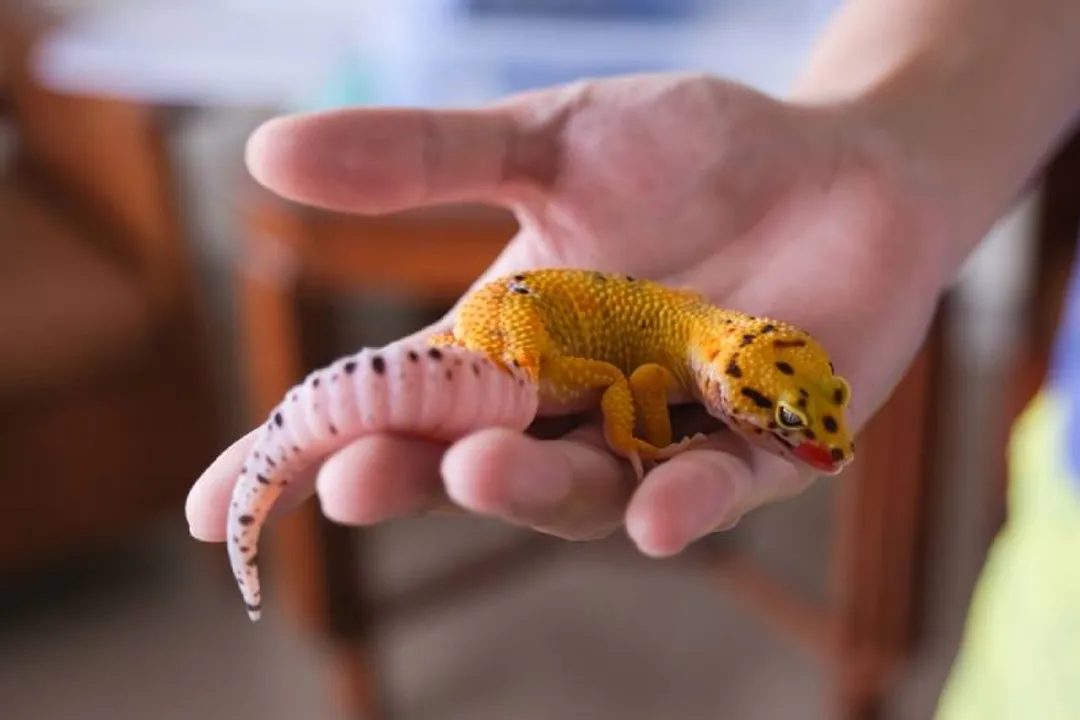
When initiating handling, patience is essential. Never grab a gecko from above, as this mimics a predator and triggers a stress response, potentially causing them to drop their tail—a stressful event where the gecko must rebuild significant fat stores. Instead, gently scoop the gecko up from underneath, supporting all four feet. Limit handling sessions to around 10 to 15 minutes maximum, especially when the room is cooler, to prevent their core body temperature from dropping too low. As they become accustomed to you, hand-feeding (using tongs initially to avoid accidental nips) can help create positive associations with your presence.
# Health Observations
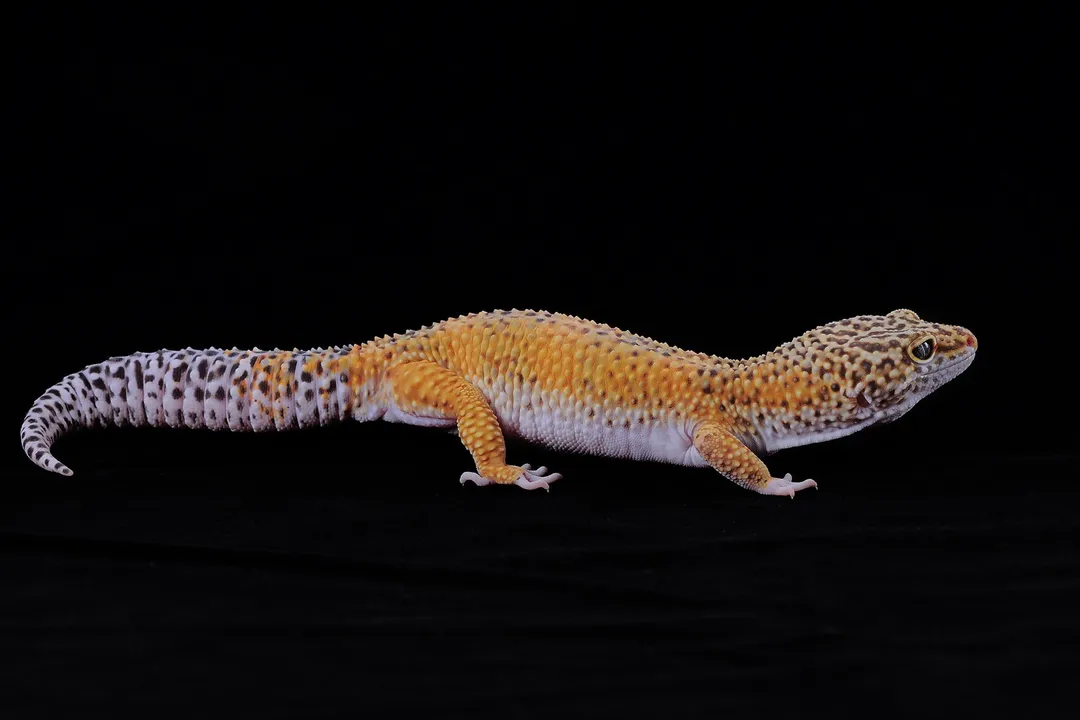
A healthy gecko will be active during its dark hours, have clear eyes, and possess a notably thick tail, which serves as its fat and hydration reserve. Droppings should be relatively dry, consisting of dark fecal matter and white urates.
# Shedding and Humidity
Leopard geckos shed their skin in large pieces, unlike some lizards that flake gradually. They will often become dull and pale before shedding, and they usually consume the shed skin afterward. To ensure a complete shed and prevent serious issues like constriction around the toes or eyes, they require a humid hide. This should be a small, enclosed hide containing damp moss or paper towel, misted every few days to maintain local humidity, separate from the enclosure's overall dry environment. If skin remains stuck, never pull it off; consult a reptile veterinarian.
# Brumation
Brumation is a natural, hibernation-like state triggered by shorter daylight hours and cooler temperatures, though it is often optional in captive settings with stable heating. During this time, which can last 30 to 90 days, the gecko will eat less and sleep more, but should not lose significant weight; careful monitoring is necessary if you allow brumation to occur.
# Warning Signs
The most serious preventable health issue is Metabolic Bone Disease (MBD), arising from insufficient Vitamin D3/calcium, leading to fragile bones and deformities. Other concerns include digestive blockages (impaction) from ingesting unsuitable substrate, or respiratory issues from overly high ambient humidity. If you notice weight loss, refusal to eat for an extended period, labored breathing, or visible joint swelling, seek advice from a specialized reptile veterinarian immediately.
#Videos
Leopard Gecko Complete Care Guide 2025 - YouTube
Related Questions
#Citations
Tangerine Leopard Gecko: Info & Care Guide for Beginners (With ...
Leopard Gecko Complete Care Guide 2025 - YouTube
[ Leopard Geckos: An Updated Beginner's Guide ] : r/leopardgeckos
COMPLETE : Leopard Gecko Care Sheet
How to Care for a "Leopard Gecko" : 3 Steps - Instructables
Leopard gecko, Eublepharis macularius, care sheet - Swell Reptiles
How To Care For a Leopard Gecko - RSPCA