What health problems do Thai ridgebacks have?
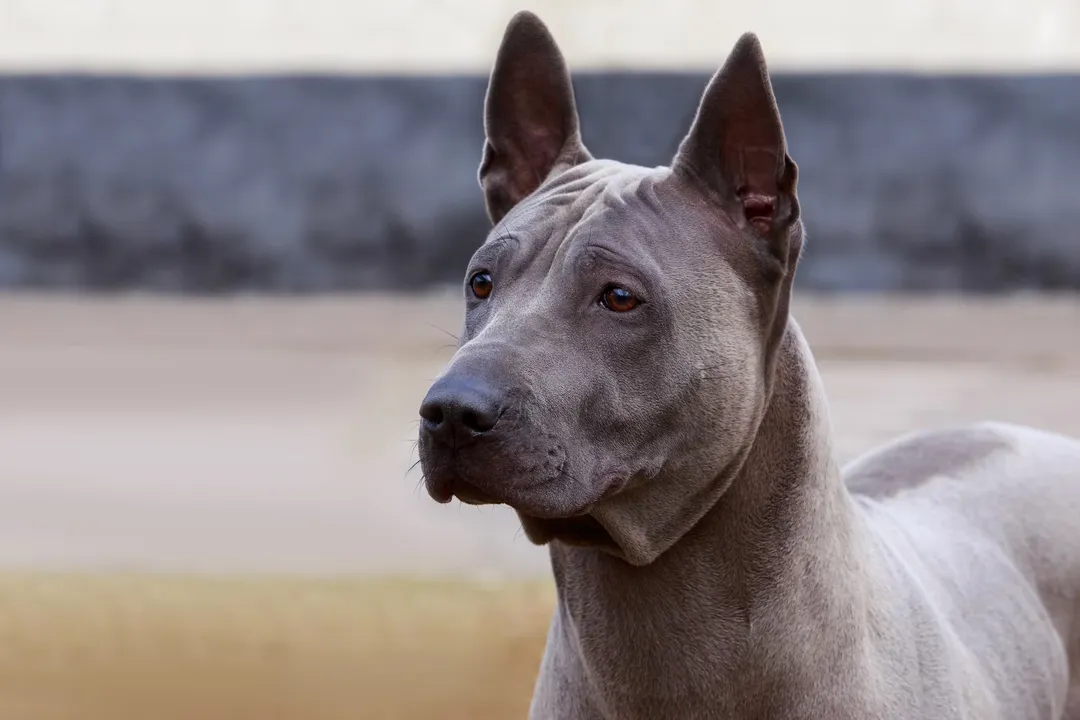
The Thai Ridgeback, or TRD, is a fascinating ancient breed originating from Thailand, known for its distinctive dorsal ridge and striking, reserved personality. [1][6] When considering adding one of these muscular, athletic dogs to your family, prospective owners naturally want to know about potential health hurdles. Compared to many modern, highly specialized breeds, the Thai Ridgeback often boasts a reputation for being quite hardy and relatively free from debilitating genetic diseases. [1][5][7] Their long history in relative isolation, developing without intensive, directed breeding programs focused on extreme characteristics, seems to have contributed to a solid foundation of health. [6] This inherent strength means that while they are not immune to ailments, the list of highly specific inherited conditions appears shorter than some counterparts. [5]
# Breed Hardiness

The general health picture for the Thai Ridgeback is quite positive, with many owners reporting long, active lives for their companions. [1][6] Their average lifespan is often cited in the range of 12 to 15 years. [7] However, this general robustness does not negate the need for vigilance regarding breed-specific risks or common canine conditions. [2]
A key takeaway for new owners is understanding why they might seem healthier. Unlike breeds where health testing might focus intensely on one or two major syndromes due to specific historical breeding goals, the TRD's profile suggests a broader genetic diversity maintained through natural selection, making them less prone to being narrowly focused on one or two catastrophic inherited conditions. [6] Nevertheless, owners must be aware of the orthopedic, endocrine, and ocular risks that can still emerge. [2][7]
# Joint Concerns
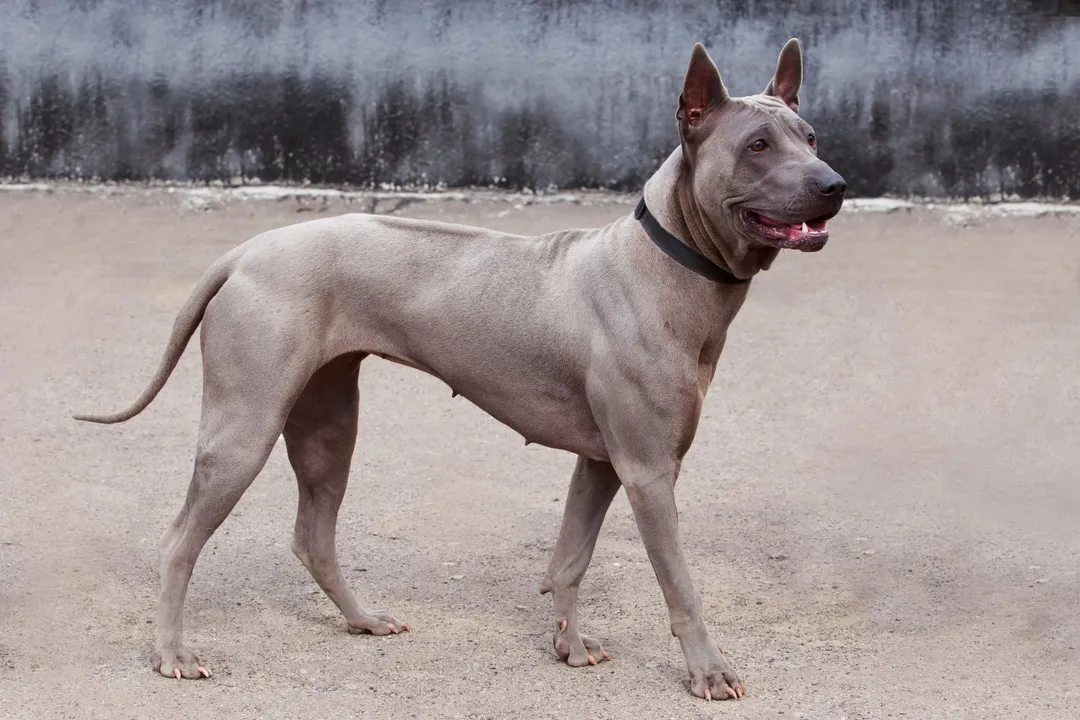
Like many medium-to-large, active breeds, Thai Ridgebacks are susceptible to orthopedic problems, most notably Hip Dysplasia. [2][7] This condition involves the improper formation of the hip socket, leading to looseness, abnormal wear, and eventually painful arthritis. [2] While not every TRD will develop this, responsible breeders should screen their breeding stock using certifications like OFA (Orthopedic Foundation for Animals) evaluations to reduce the incidence in future generations. [7]
Another orthopedic concern, though perhaps less commonly discussed in general profiles, is Elbow Dysplasia. [7] This refers to a group of abnormalities affecting the elbow joint structure. [7] Due to the breed's naturally strong and muscular build, which places significant stress on the joints during vigorous activity—especially jumping or running—monitoring gait and movement throughout their lives is important. [3]

# Thyroid Function
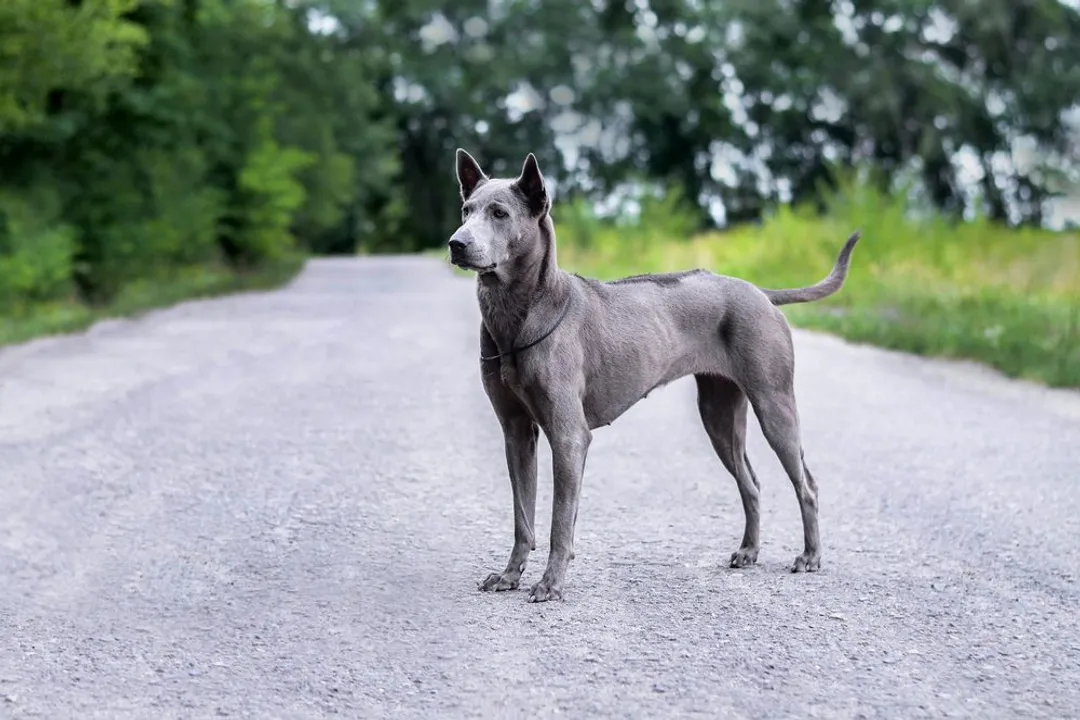
One of the more consistently mentioned health predispositions in the Thai Ridgeback population relates to the endocrine system, specifically the thyroid gland. [2][7] Hypothyroidism is a condition where the thyroid gland does not produce sufficient hormones necessary for regulating metabolism. [8] In dogs, signs of hypothyroidism can be subtle or manifest as excessive weight gain, lethargy, skin problems (like recurrent infections or hair loss), and sometimes cognitive dulling. [8]
Because this condition is treatable, early detection via simple blood tests is key. [8] Some sources suggest that thyroid issues are an area owners should actively monitor with their veterinarians, particularly as the dog ages. [2][7] It is important to contrast this; while hypothyroidism is a known risk, it is usually manageable, distinguishing it from more severe, untreatable degenerative conditions seen in other breeds. [8]
# Vision Health
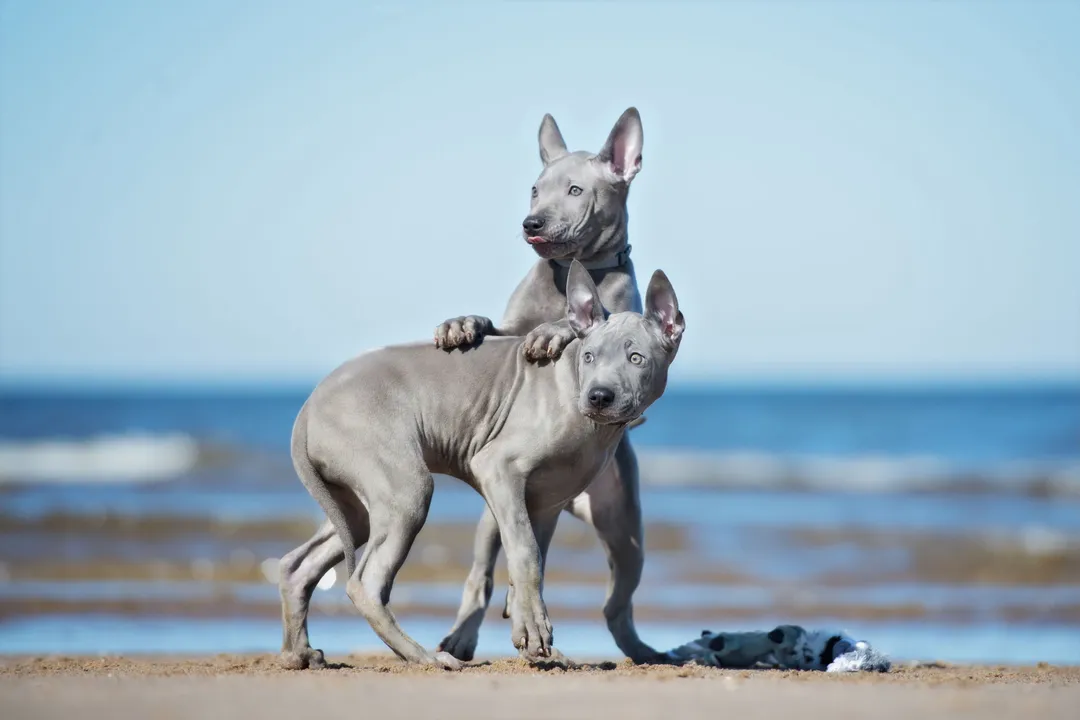
Eye health is another area requiring attention in the Thai Ridgeback, much like many purebred dogs. [2] Two specific conditions are sometimes noted: Entropion and Ectropion. [2][7]
- Entropion: This occurs when the eyelid rolls inward, causing the eyelashes or fur to rub against the cornea, leading to irritation, pain, and potential ulceration. [2]
- Ectropion: This is the opposite—the eyelid sags or rolls outward, exposing the inner lining of the lid, which can lead to excessive tearing, dryness, and secondary infections. [2]
While these conditions can sometimes be corrected surgically, they cause significant discomfort when present. Reputable lineage tracking and examination of a puppy's eyes by a veterinary ophthalmologist before purchase can help mitigate risks associated with these eyelid issues. [7]

# Stomach Bloat
Given their athletic build and typical body conformation—being medium-sized dogs that often possess a somewhat deep chest—Thai Ridgebacks are theoretically at risk for Gastric Dilatation-Volvulus (GDV), commonly known as bloat. [3] Bloat is a life-threatening emergency where the stomach fills with gas and sometimes twists upon itself. [3] While some sources don't single out the TRD as exceptionally prone compared to, say, Great Danes, the physical structure warrants proactive management.
For an active, working-type dog like the TRD, owners should adopt feeding protocols that minimize air ingestion, such as using slow-feed bowls or avoiding intense exercise immediately before or after meals. [3]
# Ridge Specifics
The defining characteristic of the breed, the ridge of hair growing backward along the spine, is generally not a source of severe medical issues. [2][3] However, owners should be aware of potential minor dermatological considerations related to this unique feature. Some lines may exhibit skin sensitivity or issues related to the hair follicles within the ridge itself, sometimes manifesting as minor irritation or follicle inflammation. [2][3] It is crucial for owners to keep the coat clean and dry, especially after swimming or heavy exercise, to prevent secondary bacterial or yeast infections in the skin folds or follicles around the ridge area.

# Proactive Care
Given the handful of specific concerns—hips, thyroid, and eyes—a proactive screening schedule becomes exceptionally valuable. While the breed is generally robust, managing potential issues before they become chronic is essential for ensuring that 12 to 15 years are lived comfortably. [7]
When evaluating a potential Thai Ridgeback puppy, owners should request proof of health clearances for the parents, focusing specifically on recent hip evaluations (OFA/PennHIP) and general health screens. [7] Beyond breeder screening, you can establish a foundational wellness timeline for your adult dog.
| Age Marker | Recommended Screening Focus | Rationale |
|---|---|---|
| < 18 Months | Joint Evaluation (Vet Check) | To assess early signs of orthopedic development. |
| 2 - 4 Years | Full Thyroid Panel | Baseline check for endocrine function before middle age. |
| Annually (All Ages) | Comprehensive Eye Exam | Routine check for entropion/ectropion development. |
| 7+ Years | Annual Senior Panel (Bloodwork) | Including full thyroid and chemistry to catch age-related shifts early. |
Integrating this structured approach—using breeder history as the first line of defense and clinical monitoring as the second—helps maintain the breed's excellent general health profile. Remember that the Thai Ridgeback is an endurance breed; keeping their joints sound and their metabolism balanced via thyroid checks is arguably the most important preventative maintenance schedule you can adhere to for their quality of life. [2][7]
Related Questions
#Citations
Thai Ridgeback Dog Breed Health and Care - PetMD
Thai Ridgeback - Runge Veterinary Clinic
Thai Ridgeback: Your Complete Guide - Dog Academy
Expert Answers on Thai Ridgeback Dog Health Issues - JustAnswer
Do Thai Ridgebacks have a lot of health problems? - Adopt a Pet
Thai Ridgeback - Dog Breed Information - American Kennel Club
Thai Ridgeback: Dog Breed Characteristics & Care - The Spruce Pets
Thai Ridgeback Dog Diseases
Thai Ridgeback - Wikipedia