Are Thai ridgebacks rare?
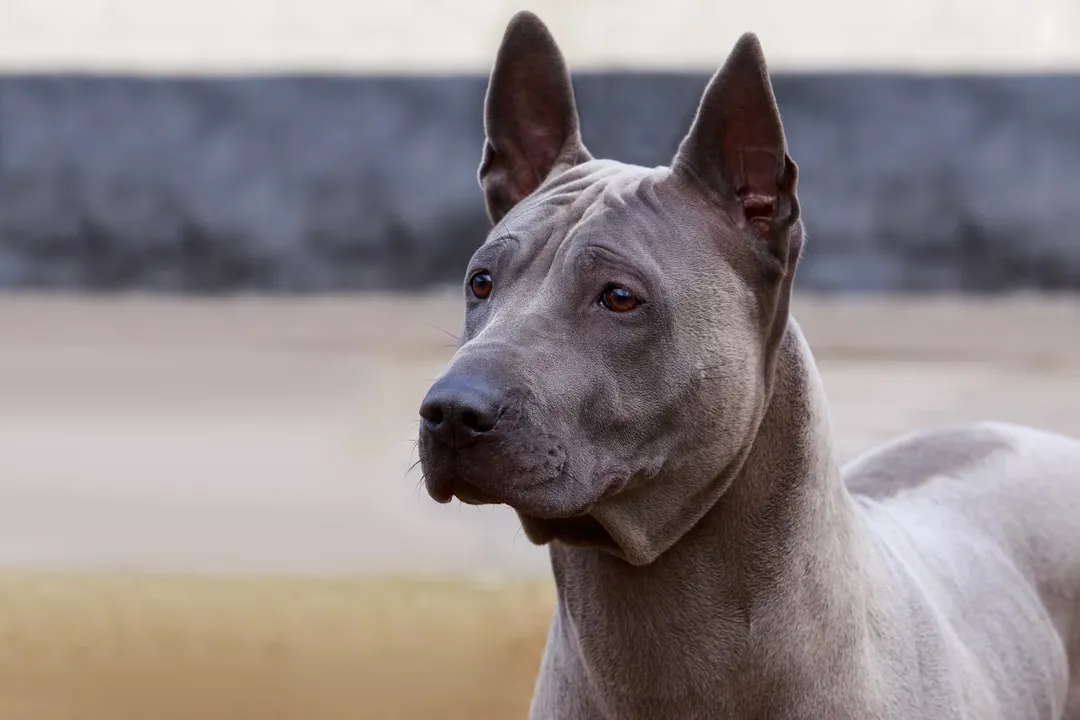
The status of the Thai Ridgeback Dog (TRD) outside of its native country can be summed up easily: yes, they are rare, especially when compared to more common breeds found globally. [2] These canines are not typically encountered at local parks or shelters, which often leads to the common, albeit frustrating, experience for owners of constantly having to answer the question, "What kind of dog is that?". [2] Their scarcity is rooted deeply in their history, their geographical isolation, and the specific requirements necessary for their well-being.
# Ancient Origins

The Thai Ridgeback is considered an ancient breed, with historical accounts suggesting their lineage stretches back thousands of years in Southeast Asia. [2] In their native Thailand, they developed largely in remote regions, evolving as a pariah-type dog, which implies they were semi-wild and free-roaming landraces rather than selectively bred for specific tasks by a central authority for much of their history. This isolation allowed the breed to retain many primitive characteristics. [2] Their original functions were varied but essential: guarding property and livestock, tracking, and even serving as escorts while traveling, where their fearlessness was put to use keeping threats like cobras at bay. [2][3]
This long period of relative isolation from the global gene pool is the primary driver of their rarity outside Thailand today. [2] While many breeds have been established and disseminated globally for centuries, the TRD is only recently gaining international attention due to improved communication and transportation.
# Recognition Status

Even within major kennel clubs, the Thai Ridgeback occupies a distinct and somewhat limited standing, which contributes to their overall rarity in the broader dog community. The United Kennel Club (UKC) recognized the breed in 1996. However, their standing with the American Kennel Club (AKC) is different; they are currently listed in the AKC’s Foundation Stock Service (FSS), which acts as a preparatory step toward full recognition, meaning they cannot yet compete in all AKC conformation events. [2][3] This step-wise approach to official registration means that the pool of recognized, documented breeding stock available in the West has historically been quite small.
This slower integration into mainstream kennel club structures contrasts with breeds that were standardized earlier. Consider the comparison to their well-known relative, the Rhodesian Ridgeback; while both possess the defining dorsal ridge, the Rhodesian breed has been established in Western registries for a longer time, leading to greater overall availability. [3][5]

# Practical Availability
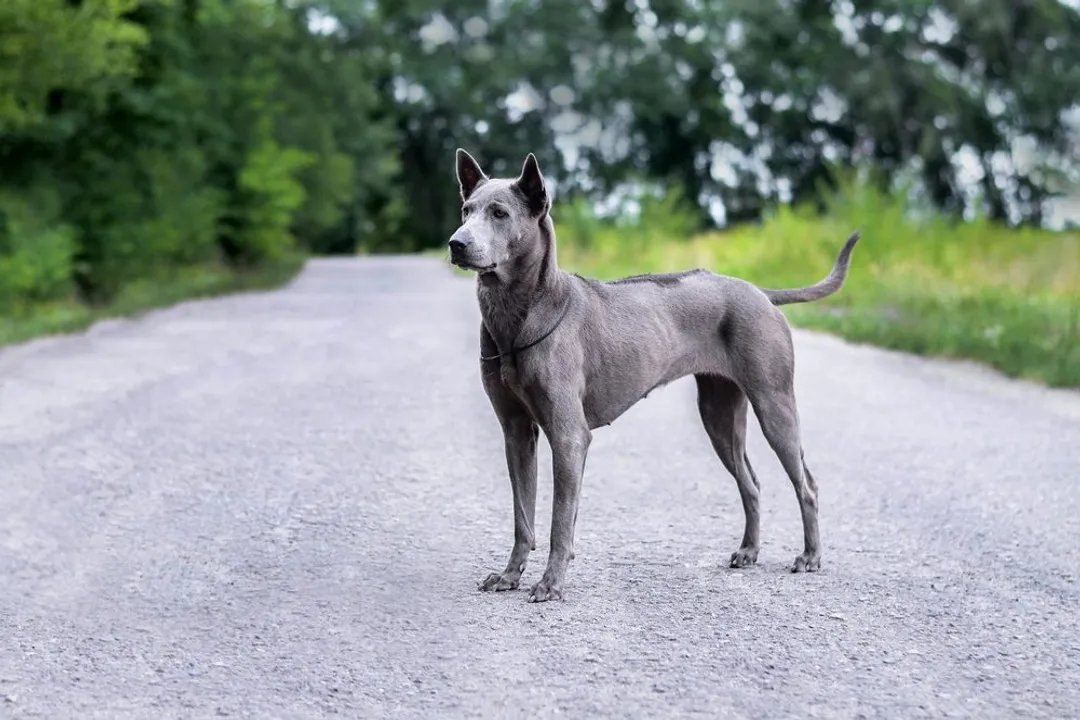
The low numbers of Thai Ridgebacks outside of Thailand translate directly into difficulties for prospective owners seeking a puppy from a reputable source. Because the breed is not widely established in North America or Europe, availability can be extremely limited. [2] Reputable breeders who prioritize health and temperament often maintain waiting lists. An owner looking for a TRD must commit to finding a responsible breeder who emphasizes ethical practices and health testing, as relying on shelters for such a unique breed often leads to confusion or misidentification. [3][5]
One striking indicator of their scarcity, reported anecdotally in the US, suggested that at one point, there might have been as few as 100 of these dogs in the entire country. [7] While this specific figure relates to a snapshot in time, it underscores the reality that acquiring a TRD means connecting with a dedicated, small community of enthusiasts.
When one observes a dog that might be a Thai Ridgeback found stray, the improbability of that sighting in the US or Europe, where they are scarce, becomes apparent. [1] This low population density outside their homeland means that every individual specimen encountered is notable, precisely because they are rare. [1]
# Unique Reproductive Cycle
A subtle but noteworthy biological factor that may affect population spread is the breed’s unique reproductive schedule. Unlike many breeds that cycle twice a year, the Thai Ridgeback typically only comes into season once annually, often in the autumn. [3] This distinct biological timing is an ancient trait and might contribute to a slower propagation rate compared to breeds with more frequent breeding windows. This single annual cycle means that the window for responsible breeding to increase the population within ethical guidelines is naturally restricted. [3]
# Primitive Nature and Ownership Fit

The rarity of the Thai Ridgeback is partly self-perpetuating due to the demanding nature of the breed, which filters out many novice dog owners, keeping the breed's population size manageable and often restricted to experienced hands. [3][5] As a primitive breed, they are incredibly intelligent, loyal to their family, and highly independent and self-sufficient. [2][3]
Their temperament is best suited for owners who understand working breeds and can provide firm, consistent leadership. They are naturally protective and reserved toward strangers, and they possess a strong prey drive, meaning they may not coexist well with smaller pets unless raised with them from a very young age. [2][5] Furthermore, they are known to be territorial and can exhibit same-sex aggression, necessitating careful management around other dogs. [2][3] For an owner to successfully integrate a TRD, they must respect the dog’s instinctual drive rather than fighting against centuries of genetic programming. [3] This requirement for specific, experienced handling naturally limits the overall number of successful placements outside of Thailand.
# Low Maintenance Grooming Contrast
While the breed’s demanding temperament presents a barrier to mainstream popularity, their physical care is surprisingly straightforward, presenting an interesting contrast. The Thai Ridgeback has a short, single coat with no undercoat. [5] This translates to minimal grooming needs—usually just weekly brushing to manage shedding, which occurs only once or twice yearly. [3][5] For allergy sufferers, this lack of an undercoat can sometimes make them less bothersome than heavy shedders, though they are not truly hypoallergenic. [3] This ease of coat care is a low bar compared to the high mental and behavioral commitment required by an owner.

# The Responsibility of Uniqueness
For those who do the necessary homework and find a reputable source for a Thai Ridgeback, the experience is often described as highly rewarding, resulting in an intensely loyal companion. [3] However, the dog’s intelligence means training must be engaging; repetition that works for more eager-to-please breeds can quickly bore a TRD, leading them to simply ignore commands. [3] You must convince the dog that your desired action is also their idea. [3]
Taking on a rare, primitive breed like the Thai Ridgeback is a commitment that goes beyond simply acquiring a dog. Because they are uncommon, there is less general knowledge about them, even among well-meaning shelter staff, who may misidentify them or fail to understand their specific needs if a dog ends up in rescue. [1][5] An owner must be prepared to act as the primary educator and advocate for the breed, understanding their unique health risks, such as the potential for Dermoid Sinus Cysts, and ensuring they receive proper socialization from the start to manage their natural wariness of strangers. [3][5] Successfully integrating one of these ancient dogs into modern life requires a deep respect for their heritage, not an attempt to mold them into a generic family pet. [3]
Related Questions
#Citations
Thai Ridgeback - Dog Breed Information - American Kennel Club
Frequently Asked Questions (FAQ) - Thai Ridgeback Dog
Meet the Breed: 5 Things to Know About the Thai Ridgeback
Thai Ridgeback...? : r/BanPitBulls - Reddit
Thai Ridgeback Dog Breed Health and Care - PetMD
Thai Ridgeback: Your Complete Guide - Dog Academy
Thai Ridgeback: A Rare Breed Gaining Popularity in the USA