What is special about the arowana fish?
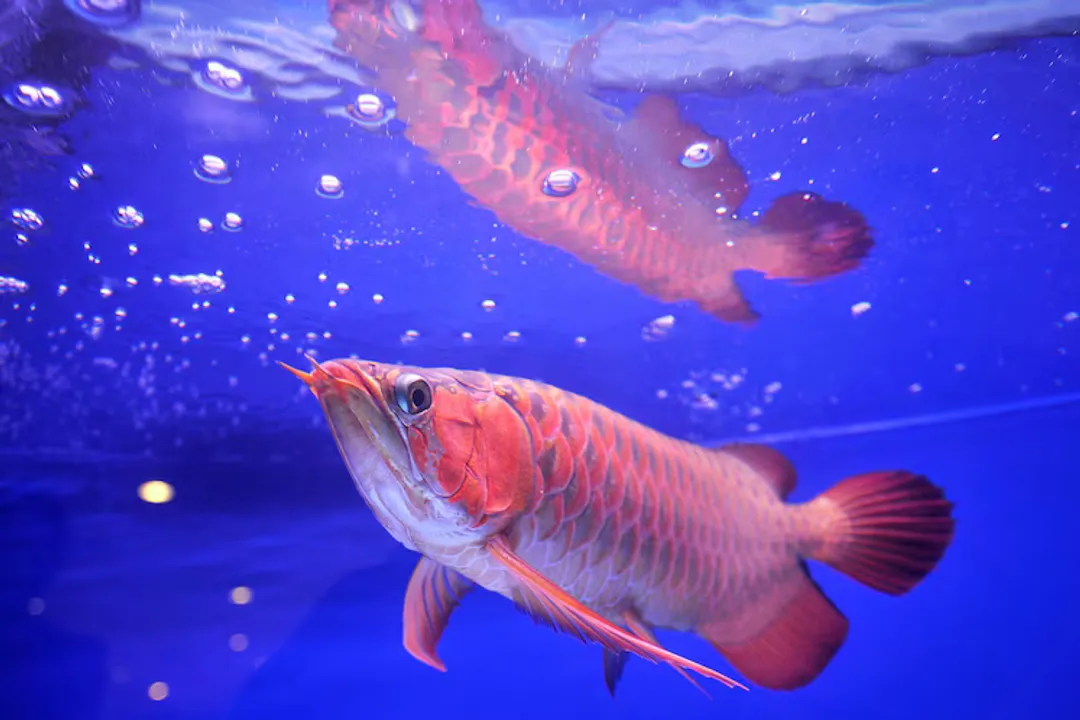
The arowana is a fish that commands attention, looking less like common aquarium stock and more like a relic from a bygone era, which is fitting given its ancient lineage. [3] These freshwater bony fish, belonging to the subfamily Osteoglossinae, are immediately recognizable by their elongated bodies encased in large, heavy, metallic scales that often shimmer with bronze, silver, or gold hues. [3][1] Their defining characteristic, which gives their family its alternate name, is a toothed bone on the floor of the mouth—a structure that bites against teeth on the roof of the mouth. [3] This combination of formidable appearance and impressive size is what makes them special, turning them from simple aquatic creatures into coveted symbols of wealth and power in many cultures.
# Ancient Anatomy
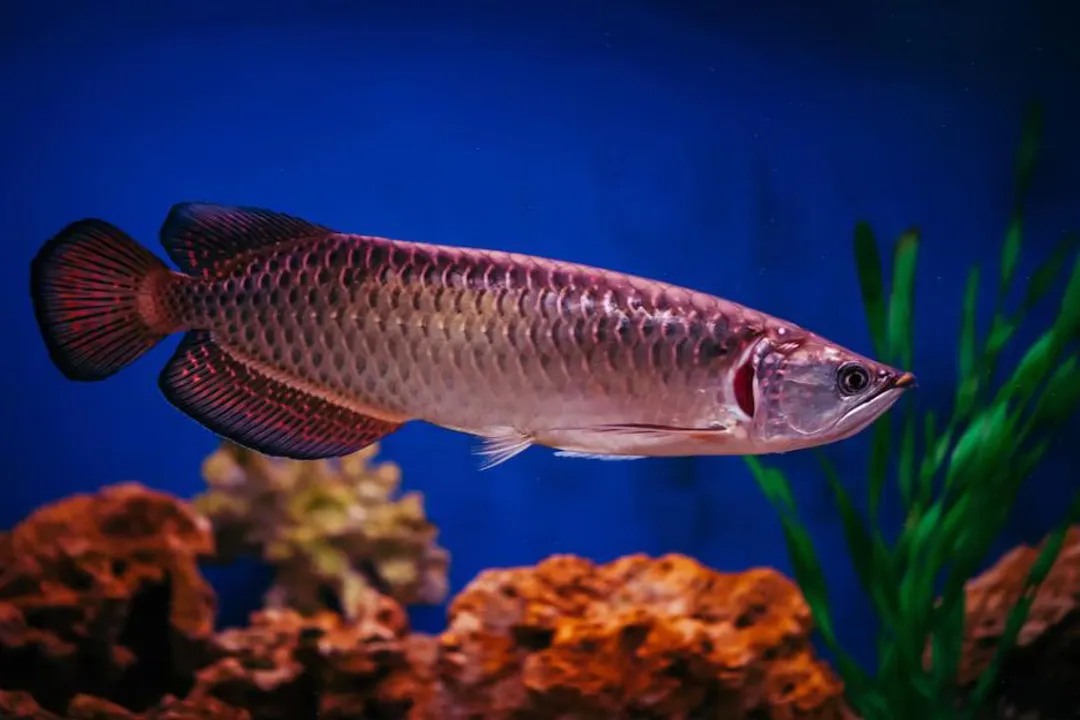
Physically, the arowana possesses several traits that highlight its status as an apex predator in its native waters. [3][5] They feature long dorsal and anal fins that run along the back portion of their body, contrasting with smaller pectoral and ventral fins. [3] A key adaptation for their surface-feeding lifestyle is their unique respiratory ability; the arowana is a facultative air breather, meaning it can supplement its oxygen intake by drawing air into its swim bladder, which is richly lined with capillaries resembling lung tissue. [3] This capability is crucial for their hunting strategy in oxygen-deprived environments or when pursuing prey above the waterline. [3][4]
Their feeding apparatus is equally specialized. Arowanas utilize long, whisker-like barbels located near the bottom of their mouths to sense movement on the water's surface. [5] In the wild, they are known to be excellent jumpers, recorded leaping significant distances—sometimes over six feet—to snatch insects, birds, or small terrestrial animals from overhanging branches. [3][4] This aerial hunting prowess led to the nickname "water monkeys" in some regions. [3]
# Cultural Significance
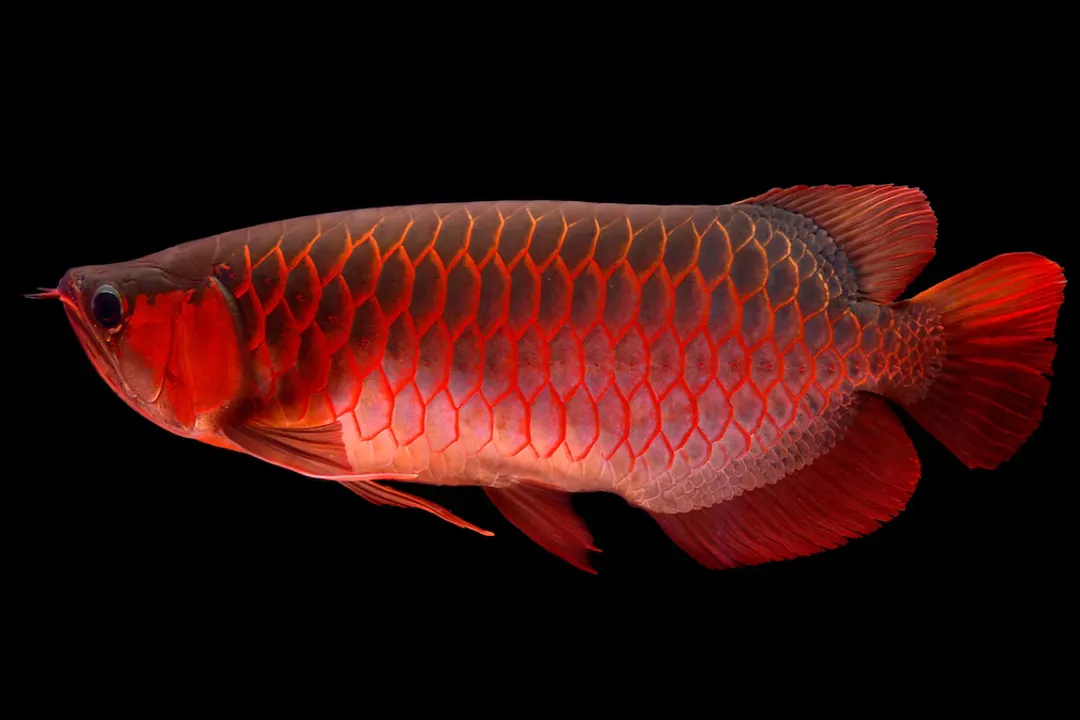
The specialty of the arowana is deeply intertwined with its cultural significance, particularly surrounding the Asian Arowana (Scleropages formosus). [1] In many Asian cultures, this fish is esteemed as a "lucky" charm, often referred to as the "living dragon" or "dragon fish" due to its resemblance to the Chinese dragon. [1] The large, reflective, metallic scales are likened to coins, and its undulating movement recalls the paper dragons seen during Chinese New Year parades. [1]
This association fuels profound beliefs regarding prosperity and fortune. In Feng Shui, the presence of an arowana in an aquarium or pond is thought to balance the yin energy of water with yang energy, thereby gathering wealth and neutralizing negative forces for the owner. [1] The Chinese saying nien nien yew yu, translating to "seeing abundant harvests every year," is linked to these fish, symbolizing continuous abundance. [1] This cultural weight translates directly into monetary value; the most sought-after specimens command astronomical prices. An albino arowana, for instance, was reported to have sold for a record price of $300,000 in 2009. [3] Even moderate quality specimens can still cost thousands, reflecting the fish's status symbol appeal. [1][5]

# Species Contrast
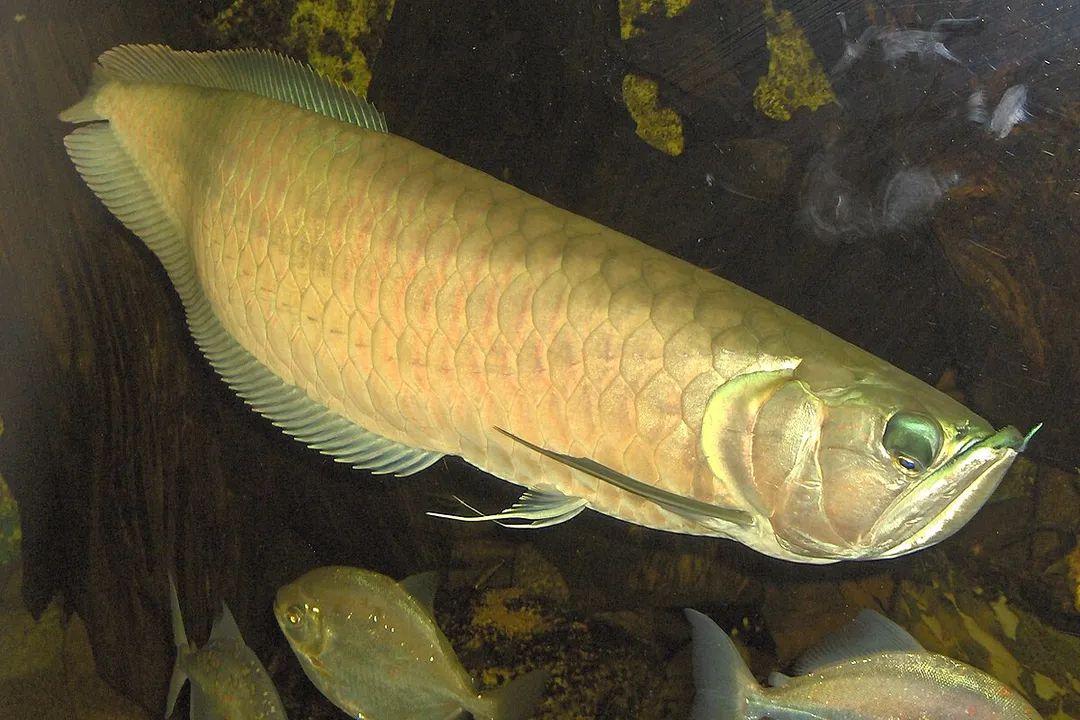
While the allure of the "dragon fish" is focused on the Asian varieties, the broader Arowana group encompasses several genera found across different continents. [3]
The Silver Arowana (Osteoglossum bicirrhosum), native to the floodplains of the Amazon River Basin in South America, is a common sight in the aquarium trade. [4] Juveniles display a blue glint, maturing to a pearly silver color. [4] While imposing, they are generally less prized culturally or monetarily than their Asian counterparts and can grow exceptionally large, sometimes exceeding 40 inches in length. [4][5]
In contrast, the Asian Arowanas are prized for their vibrant coloration and are typically smaller, reaching up to 35 inches in size. [2] These species are categorized by their coloration:
- Super Red: Highly popular among Chinese hobbyists, these fish feature entirely red scales and fins, with Blood Red and Chili Red being recognized sub-types. [1]
- Golden Cross Back: Considered among the most expensive, these specimens from West Malaysia are sought after because their gold color completely crosses their back when fully matured under optimal conditions. [1] Their scarcity drives their high price. [1]
- Red Tail Golden: More affordable than the Cross Back, these fish develop shiny gold scales, but the coloration typically stops at the fourth or fifth row of scales and never crosses the back. [1]
- Green Arowana: Often considered the lowest grade of the Asian species due to wider dispersion, these fish exhibit silvery to white scales with greenish fins, and their head and mouth structure tends to be rounder and larger. [1]
It is worth noting the distinct breeding behaviors. Both the Silver Arowana and Asian Arowanas are mouthbrooders, where the male parent holds the fertilized eggs—sometimes hundreds at a time—in its mouth for incubation, often fasting for the two-month duration until the young can swim independently. [4][1]
# Endangered Status and Farming Paradox
The immense desirability of the Asian Arowana has created a difficult ecological situation. In their native range across Southeast Asia and Indonesia, populations have severely declined due to fishing pressure for the aquarium trade and the conversion of their forest stream and peatland habitats to agricultural land. [2] The Super Red and Malaysian Golden varieties, in particular, have approached near extinction in the wild since the 1980s. [1]
This depletion led to protective measures, such as banning international trade for certain species, which ironically intensified the market demand. This has resulted in a modern paradox: the Asian Arowana is a "mass-produced endangered species". The commercial solution involves intensive aquaculture; farms operate under conditions akin to high-security prisons, complete with guard dogs, watchtowers, and barbed wire to protect the high-value stock.
When considering the cultural elevation of this fish, one observes a fascinating dynamic: the very belief systems that elevate the Arowana to an auspicious symbol have simultaneously placed immense pressure on its wild survival, forcing its existence almost entirely into controlled, high-security environments. [2] This shift from an ordinary food fish in the swamp to a highly guarded commodity encapsulates modern conservation challenges.
# Advanced Hobbyist Care
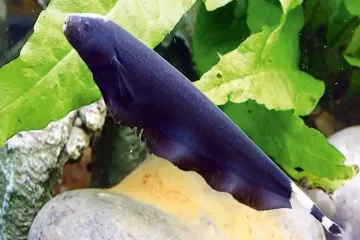
The qualities that make the arowana special also render it a significant challenge for home aquarists; they are best suited for keepers with intermediate to advanced experience. [5] A primary concern is their size and jumping ability. Adults can reach lengths of three feet or more, requiring a minimum habitat of $150+$ gallons, though larger is always better, with $300$ US gallons being cited as a bare minimum for an adult. [5] Since they primarily inhabit the top water column, the tank's length and width—the footprint—are more critical than its height, offering ample horizontal space for movement. [5] Furthermore, due to their powerful propensity to jump when startled, a tight-fitting aquarium hood is non-negotiable to prevent injury. [5]
Water quality demands precision. Arowanas are notably more sensitive to nitrates than many other fish species. [5] Therefore, owners must perform regular partial water changes, typically $10%-25%$ every two to four weeks, rather than draining the entire tank, which would strip beneficial bacteria. [5] Daily checks on equipment, temperature, and water parameters are essential. [5] They thrive in tropical temperatures between . [5]
To maintain the required high oxygen levels mimicking their riverine environments, moderate to strong water circulation is necessary. [5] The filtration setup needs to be robust; a system that can process the tank's volume at least four times per hour is recommended. [5] For instance, a minimal $150$-gallon tank should ideally employ a filter rated for at least $600$ gallons per hour (GPH), suggesting that opting for the higher-rated canister filter available is a sound investment for stability. [5]
Feeding them requires acknowledging their carnivorous, surface-feeding nature. [5] They should be offered floating pellets or sticks, supplemented with live, frozen, or freeze-dried food such as fish, insects, shrimp, or worms. [5] Young fish need feeding two to three times daily, while adults can be maintained on one feeding per day, ensuring all food is consumed within one to two minutes per session. [5] It is important to thaw frozen foods before offering them. [5]
When considering tank mates, aggression is a major factor. Adult arowanas are solitary and territorial; keeping them with other fish can lead to stress and competition. [5] Any co-inhabitant must be large enough not to be swallowed and should inhabit the bottom or middle water columns, leaving the arowana’s preferred surface territory undisturbed. [5]
The requirement for large footprint tanks coupled with the need for high-flow, powerful filtration presents an inherent complexity for hobbyists. A standard filtration guideline might suggest a $600$ GPH rating for a $150$-gallon tank, yet given the arowana’s extreme sensitivity to water quality and its rapid growth—potentially two inches per month in its first year—an owner should realistically budget for tank capacities closer to $400–800$ US gallons for long-term health, necessitating filtration systems rated at $1,600$ GPH or more to safely handle the bioload of such massive, sensitive fish. [5][3] This necessary commitment to massive, high-performance systems underscores why they are considered advanced pets. [5]
# Longevity and Commitment
The investment of time required matches the financial one. While captive specimens often pass away sooner due to improper care, their potential lifespan is significant, with some wild arowanas living up to $60$ years, and captive fish often reaching $20$ years with excellent maintenance. [5] Reaching sexual maturity takes three to four years, much later than many other fish species. [3]
The arowana remains special because it bridges several worlds: the ancient evolutionary world, the modern cultural obsession fueled by superstition and status, and the challenging realm of high-level fish husbandry. [3] From the Amazonian predator that leaps for birds to the revered "Dragon Fish" protected by armed guards in Asia, its narrative is far more complex than that of a simple pet. [2]
Related Questions
#Citations
Arowana - Wikipedia
Asian arowana - The Living Planet Aquarium
Silver Arowana - National Aquarium
Learn About Arowana, or Dragon Fish, From Emily Voigt's Book
Arowana Care Sheet | PetMD
Arowana facts