What is so special about jaguar?
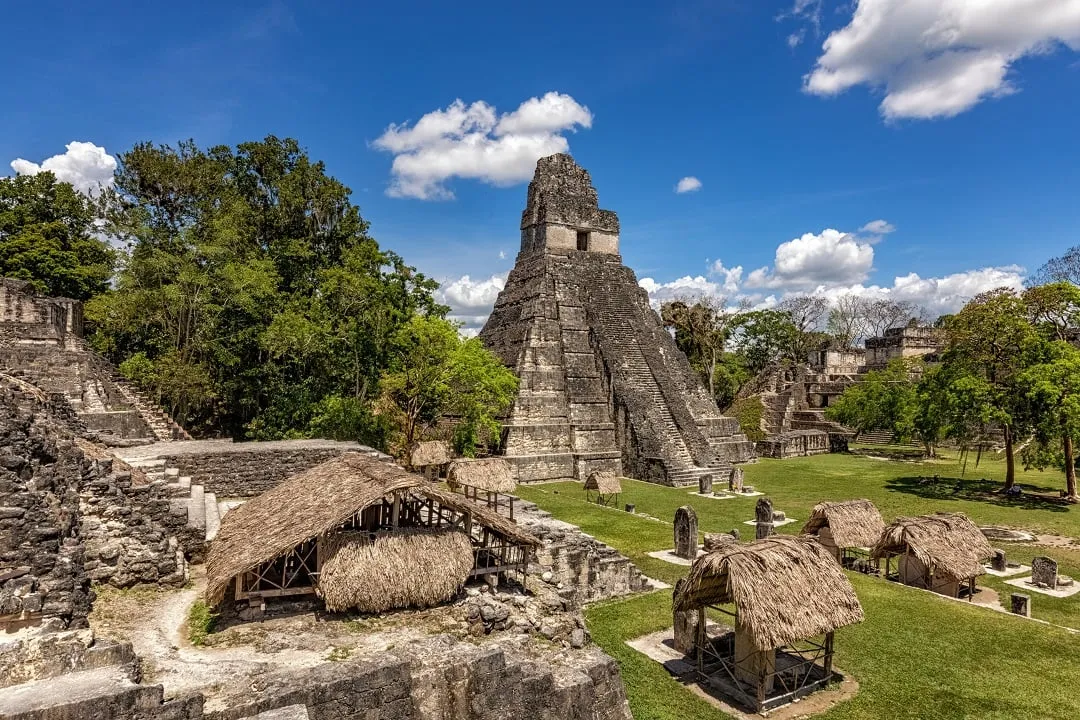
The animal known as the jaguar occupies a singular place in the world of apex predators, distinct from its Old World cousins like the lion or tiger. It is a creature defined by power, stealth, and an intimate relationship with water, thriving in the dense, wet environments of the Americas. It isn't merely large; its specialization sets it apart, making it the undisputed king of its domain. [1][8]
# American Apex
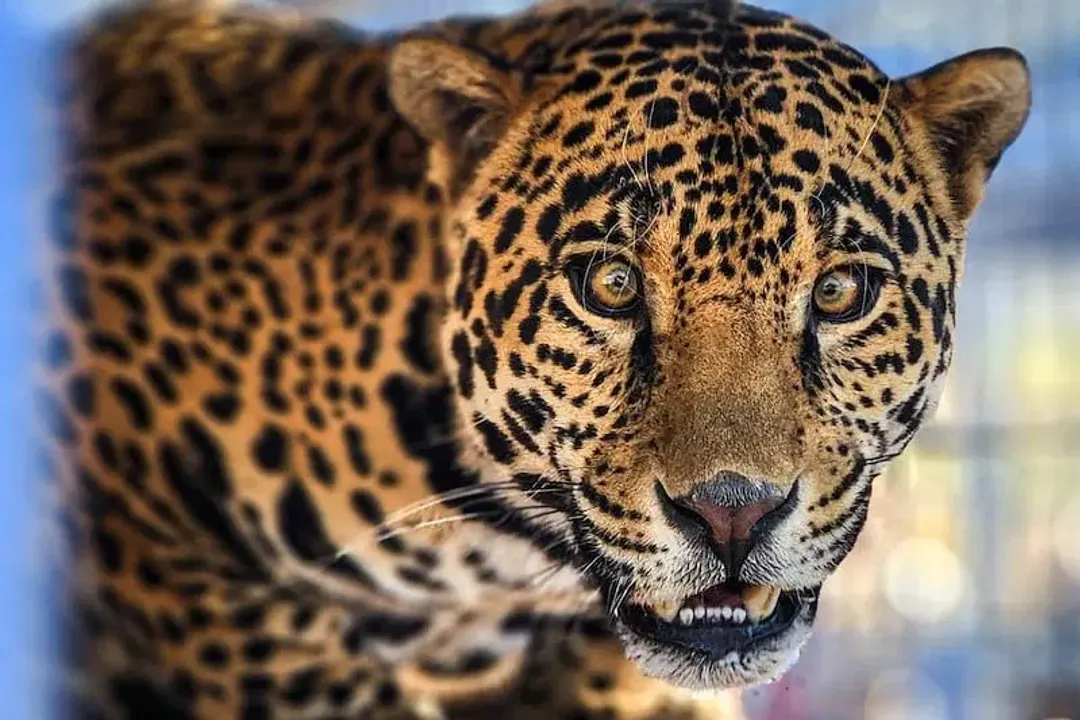
The jaguar (Panthera onca) holds the title of the largest cat species found in the Americas. [1] While tigers are generally larger overall, the jaguar’s domain is exclusively Central and South America, where it reigns supreme. [1] Its historical range was once much broader, stretching up into the southwestern United States, though today it is generally concentrated further south. [1] These powerful cats are adaptable, inhabiting dense rainforests, swamps, and even scrublands, though they show a strong preference for environments near water sources. [1][4]
This isolation in the New World means the jaguar never had to compete directly with the immense size of the tiger or the social dynamics of the lion. Instead, its evolution favored an unmatched combination of brute strength and precise killing mechanics tailored for the thick jungle understory. [8]
# Pattern Details
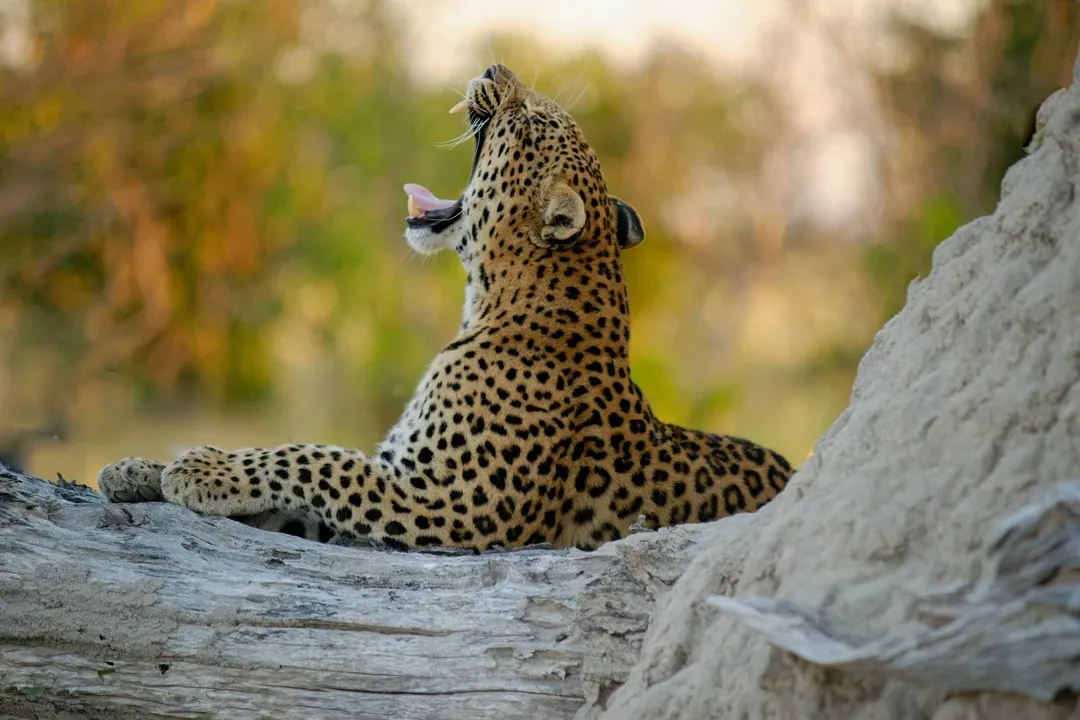
One of the first things people notice about the jaguar is its striking coat. Like leopards, jaguars are covered in spots, but these markings are technically called rosettes. [1][3] A key physical difference lies in the markings themselves: a jaguar's rosettes typically feature one or more small black dots inside the ring, whereas a leopard’s rosettes are usually empty circles. [1][3] This subtle difference in patterning is often the quickest way to distinguish between the two large spotted cats when viewing images or specimens. [3]
Jaguars also exhibit melanism, resulting in the deep black coats sometimes called black panthers. [1] Even on these black individuals, the rosette pattern is still visible under the right light, just like their spotted relatives. [1]
# Water Affinity
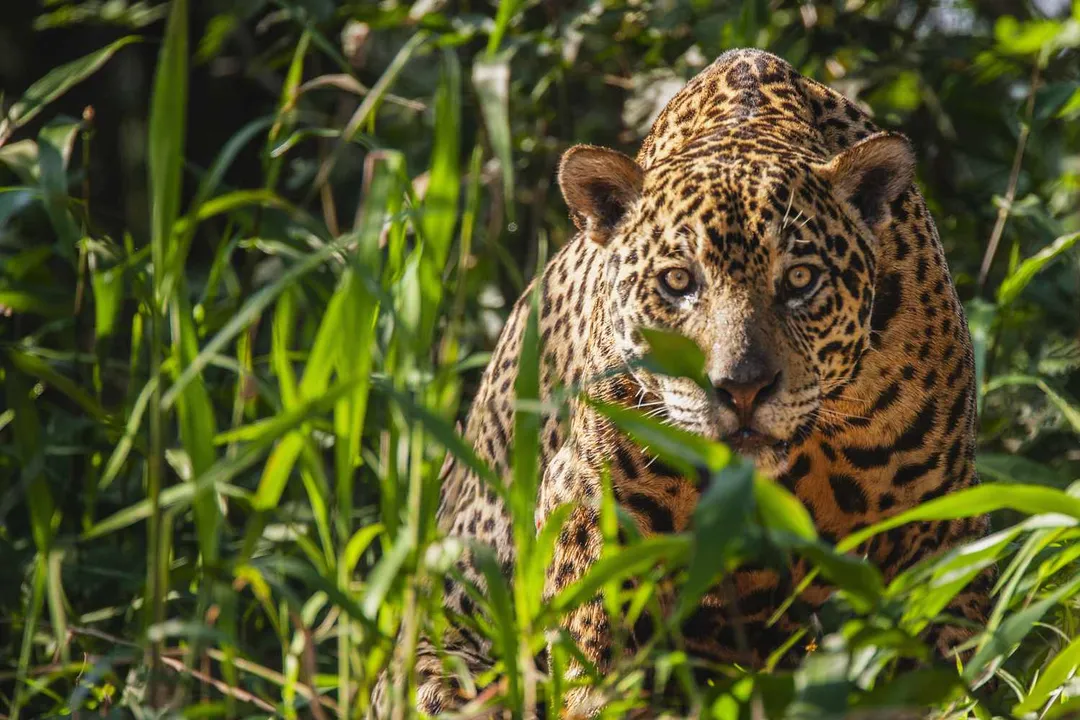
Unlike many other big cats that actively avoid getting wet, the jaguar is known for its strong affinity for water. [7] They are capable swimmers and will readily enter rivers and swamps, often hunting prey that lives near or in the water. [4] This comfortable relationship with aquatic environments differentiates them significantly from many other terrestrial big cats. [7]
Their prey list reflects this lifestyle. While they hunt deer, peccaries, and tapirs, they are also known to successfully take down armored reptiles like caimans and large turtles. [4] The ability to pursue prey into the water or capture aquatic animals adds a crucial dimension to their predatory success in the tropical regions they inhabit. [7]
# Unique Strength
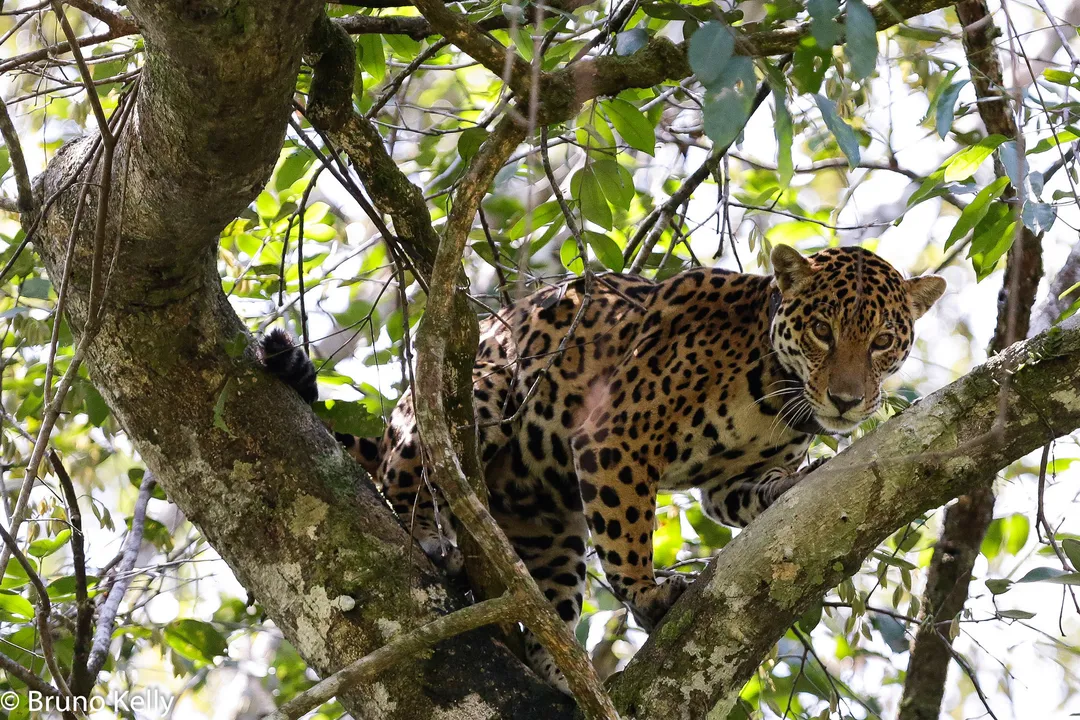
What truly sets the jaguar apart in terms of raw predatory capability is its bite force. [4] Relative to its size, the jaguar possesses the strongest bite among all the felids. [1][4] This immense crushing power allows them to employ a unique killing strategy unmatched by other big cats. [9]
Where a leopard or lion might rely on a suffocating throat bite, the jaguar frequently targets the skull of its prey. [4][9] They can bite directly through the temporal bones of the skull, delivering a swift, lethal blow to the brain. [1][9] This ability to crush bone means they can effectively subdue prey much larger or far better protected than themselves, such as the thick skulls of caimans or the hard shells of turtles. [4][9]
If you consider the environmental pressures faced by cats, the jaguar’s evolutionary investment in bite strength over sheer body length or sheer speed (compared to a cheetah) becomes clearer. In dense, cluttered jungle environments, a successful, quick kill that requires minimal prolonged wrestling is highly advantageous for survival and minimizing injury. The skull-piercing bite is an evolutionary shortcut to incapacitation when visibility and space for a traditional long chase are limited. [4][9]

# Cultural Echoes
The sheer power and mystique of the jaguar have cemented its place in human history and culture for millennia, particularly among Mesoamerican civilizations. [1] For groups like the Maya and Aztecs, the jaguar was far more than just a predator; it symbolized strength, cunning, and often royalty or spiritual power. [1][8] Its nocturnal habits and solitary nature fed into its reputation as a creature connected to the underworld or the night. [8] This deep, ancient reverence for the animal underscores its imposing presence long before modern scientific classification. [1]
# Specialized Niche
The jaguar’s specialization for its tropical habitat creates a fascinating contrast when compared to other Panthera members. The tiger, for instance, often relies on brute size and solitary ambush in varied terrains from Siberian snow to Indian grasslands. The lion thrives in open savannas, where social cooperation enhances hunting success against large herds. [1]
The jaguar, however, is the master of the dense, wet biome. It doesn't need a pride for defense or large-scale herding strategies. Its success is built on being an ambush specialist whose powerful physique and unique killing method allow it to exploit every available food source, whether it’s terrestrial or semi-aquatic. [4][8] Its ability to secure prey with such finality—by shattering bone—suggests an ecological niche where rapid neutralization of potentially dangerous or heavily armored prey is frequently required. This efficiency in securing a meal, without the energy expenditure of prolonged pursuit or intense group coordination, speaks volumes about its solitary mastery of the rainforest floor.

# Conservation Status
Despite its formidable nature, the jaguar faces significant challenges across its range today. [1][5] Habitat loss and fragmentation remain the most pressing concerns, as human activities encroach upon their necessary territories. [1][5] Furthermore, conflicts with livestock owners and illegal poaching for their skins and body parts pose ongoing threats. [5] Protecting the jaguar requires preserving the vast, interconnected forest and wetland systems they depend upon, ensuring corridors remain open so these solitary animals can roam and maintain genetic diversity across their territories. [5]
The jaguar is special not just because it is the biggest cat in its continent, but because every aspect of its biology—from its spotted coat to its bone-crushing bite—is perfectly engineered for dominance in the challenging, water-rich heart of the Americas. [1][4]
Related Questions
#Citations
Jaguar - Wikipedia
Jaguar facts | National Geographic Kids
16 fascinating jaguar facts - World Animal Protection Canada
Fascinating Facts About Jaguars - World Animal Protection Blog
Why is the jaguar the most impressive animal? - Quora
What is Jaguar good at? : r/cars - Reddit
10 cool jaguar facts - GVI
Jungle Royalty: Investigating the Secret Life of Jaguars
12 Fierce Facts About Jaguars - Treehugger