What is the best diet for Ridgebacks?

The right nutrition for a Rhodesian Ridgeback centers around supporting their powerful build, high energy levels, and sometimes sensitive skin, drawing from their history as endurance hunters. [5][2] Finding the "best" diet often becomes a highly individualized process, balancing general breed requirements with what suits a specific dog's metabolism and activity level. [4] Ridgebacks are sturdy dogs that require dense, quality nutrition to maintain their muscular physique, which distinguishes them from more delicate or less active breeds. [5]
# Breed Needs

Ridgebacks, sometimes called the "African lion dog," were bred for stamina and athleticism. [5][2] This translates directly into dietary demands. They need a high-quality protein source to maintain muscle mass and sufficient fat content to fuel their often demanding activity levels. [2][5] Simply feeding a large volume of low-quality food won't provide the necessary nutrient density.
Owners on various forums often share experiences about overfeeding or feeding overly rich foods, which can lead to unnecessary weight gain, putting strain on the hips and elbows—areas already requiring attention in large breeds. [1][5] The key takeaway is to monitor the dog’s body condition religiously rather than adhering strictly to a feeding chart for a general category of dog weight. [2] If you can easily feel the ribs without pressing hard, the diet is likely appropriate for their current mass.
# Food Types

The debate over the ideal food format—kibble, raw, or fresh—is prominent among Ridgeback owners. [9] There isn't a single consensus, but preferences often align with specific philosophies about canine nutrition. [4]
# Commercial Kibble
Many successful Ridgeback diets utilize high-quality dry kibble. [5][4] When selecting kibble, the emphasis must be on the ingredient list. Look for a specific, named meat source (like deboned chicken or lamb) as the first ingredient, indicating high protein concentration. [2][5] Many experienced owners advise avoiding generic terms like "meat by-products" or excessive use of corn, wheat, or soy as primary fillers, particularly if the dog shows any sign of skin irritation. [1][5]
# Raw Diets
A significant portion of the community favors raw feeding (often referred to as BARF or Prey Model). [2][9] Proponents of raw diets suggest it leads to cleaner coats, better energy regulation, and fewer digestive upsets compared to processed foods. [2][9] However, raw feeding requires a greater commitment to research and sourcing. It demands careful attention to calcium-to-phosphorus ratios and ensuring all necessary vitamins and trace minerals are present, which can be difficult to balance without professional guidance or pre-formulated raw mixes. [2]
# Fresh Cooking
A middle ground that appeals to some is gently cooked, fresh food. [4] This involves preparing whole foods at home, often bypassing the ultra-processing of kibble while avoiding the microbiological risks associated with completely raw diets. [4] While this offers excellent ingredient control, like raw feeding, it requires nutritional knowledge to guarantee the dog is receiving everything required for long-term health, not just a tasty meal. [4]
Raw feeding demands meticulous sourcing and handling expertise to ensure safety and nutritional completeness, whereas high-quality kibble requires diligent label reading to filter out low-grade fillers and ensure true nutrient density.

# Nutrient Focus
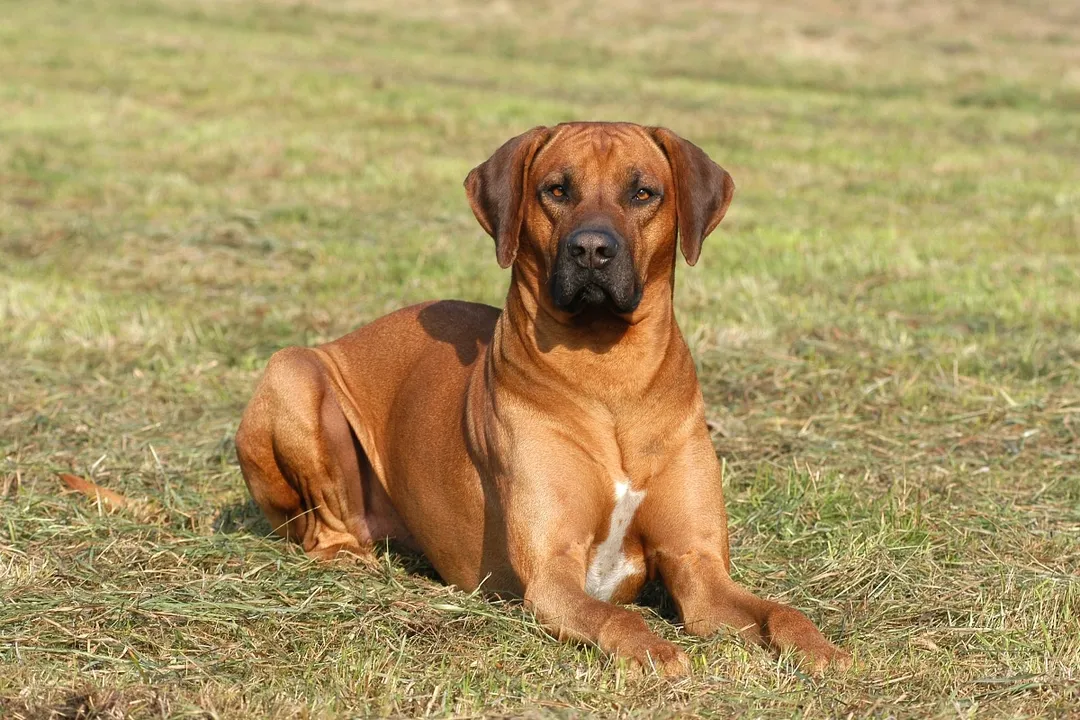
Beyond the format, the composition of the food matters greatly for this athletic breed.
# Protein and Fat
As powerful working dogs, Ridgebacks thrive on diets that support lean muscle. [2] High-quality animal protein provides the necessary amino acids. Fat is an essential energy source; if a Ridgeback is highly active—running, hiking, or training intensely—a diet with a slightly higher fat percentage (within established guidelines for the breed) might be necessary to prevent energy crashes. [2][5] Conversely, a less active pet might need a lower fat percentage to prevent obesity. [1]
# Skin Support
Ridgebacks are sometimes prone to skin sensitivities. [5] When discussing diet, owners frequently mention the importance of Omega-3 and Omega-6 fatty acids for maintaining coat luster and skin barrier health. [5] If a dog is itching or showing dullness, owners often look to increase fish oil supplementation or switch to a food where fish is a primary protein source. [5]
# Digestive Health
Large breeds, including the Ridgeback, can benefit from diets supporting gut health. Some owners add probiotics or prebiotics to their dog's meals, especially when transitioning food types or if the dog has a history of soft stools. [5] Observing stool quality is one of the most immediate indicators of how well a dog is processing its chosen diet. [1]
# Feeding Practice

How much and how often you feed your Ridgeback is almost as important as what you feed them, primarily due to the serious risk of bloat. [5]
# Bloat Prevention
Gastric Dilatation-Volvulus (GDV), or bloat, is a life-threatening condition that affects deep-chested breeds like the Rhodesian Ridgeback. [5] While the exact cause is complex, reducing the amount of air swallowed during eating is a key management strategy. [5]
To mitigate this risk, most veterinary advice and experienced Ridgeback guardians recommend feeding two smaller meals per day rather than one large meal. [1][5] This keeps the stomach from becoming overly full at any single time.
If your dog eats kibble quickly, employing tools can help slow down consumption. A slow-feeder bowl or even placing their measured portion inside an appropriately sized puzzle toy during mealtime can significantly reduce the speed at which they eat, thereby minimizing the swallowing of excess air alongside the food.
# Portion Control
Calculating the exact daily amount involves using the guidelines on the food packaging as a starting point only. [2] You must adjust this based on the dog's age, environment, and activity. For example, a Ridgeback puppy growing rapidly will require significantly more calories than a fully mature adult resting most of the day. [5] Always lean toward slightly underfeeding if unsure, as maintaining a lean profile is easier than taking off excess weight. [5]

# Health Factors
Nutrition plays a direct role in managing the orthopedic predispositions of the breed.
# Joint Care
Given their heritage as powerful hunting dogs, healthy joints are paramount for a Ridgeback’s quality of life. [5] Maintaining a lean body weight throughout the dog’s entire life, but especially during the crucial growth phases of puppyhood, is the single most effective dietary strategy for joint support. [5] Excessive weight gain accelerates wear and tear on cartilage and puts undue stress on developing skeletal structures. [5]
While supplements like glucosamine and chondroitin are popular topics among owners of large breeds, they should always be discussed with a veterinarian to ensure they complement, rather than replace, a balanced core diet. [5]
# Hydration
Sometimes overlooked in food discussions is water intake. Active, muscular dogs require constant access to fresh, clean water. [2] Adequate hydration supports digestion, temperature regulation (especially important for a dog originating from hot climates), and nutrient transport throughout the body. [2] Monitor water intake, especially after exercise or when feeding dry kibble.
Related Questions
#Citations
What does everyone feed their Ridgeback? : r/RhodesianRidgebacks
What's the Best Dog Food for a Rhodesian Ridgeback? - ProDog Raw
What dog food is best for Rhodesian Ridgebacks with skin and ...
What's the Best Dog Food for Rhodesian Ridgebacks? - Petabolix
Ideal Diet for Rhodesian Ridgebacks - iHeartDogs.com
Rhodesian Ridgeback Complete Breed Guide - Pet Circle
Best Diet for Rhodesian Ridgebacks: Nutrition Tips and Food ...
Information and Tips Page for Rhodesian Ridgebacks
Rhodesian Ridgeback Diet? all dog owners should comment.