Why are Hokkaido cows special?
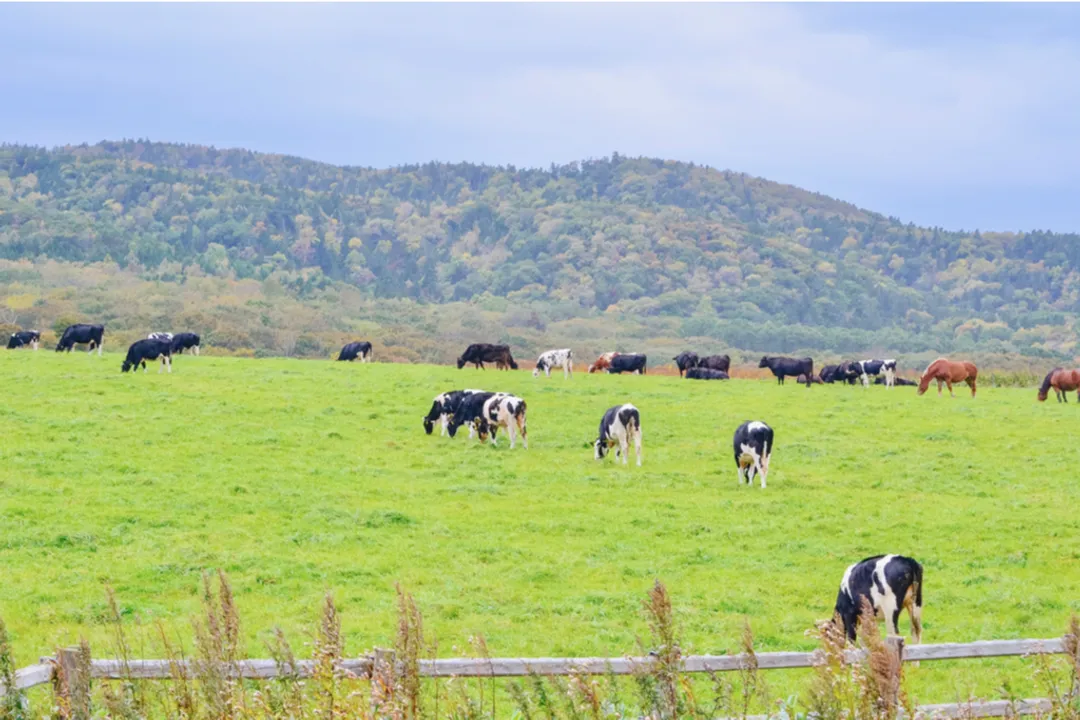
The distinct reputation of Hokkaido dairy products, sought after globally, doesn't appear by accident; it stems from a confluence of environmental blessings and dedicated farming practices centered around the region's cattle. [8] When consumers encounter products labeled "Hokkaido milk" or derived from it, they are encountering the result of a specific ecosystem where dairy farming has reached an elevated standard of quality control and output consistency. [3][6] This island's cooler climate and vast, clean spaces provide an ideal setting for raising healthy livestock, directly influencing the richness and flavor profile of the milk produced. [2][5]
# Climate Advantage
Hokkaido’s geography plays the foundational role in distinguishing its dairy sector. [2] Located on Japan's northernmost main island, the region experiences distinct seasons, characterized by crisp, clean air and ample space, which is a significant factor in animal husbandry compared to more densely populated areas of Japan. [3][5] The cold winters, while challenging, necessitate careful feeding strategies that contribute to the robustness of the herds. [1] Farmers manage their herds meticulously to ensure consistent milk quality regardless of the season, a level of dedication that sets the standard. [3] The environment itself is less prone to the stresses that can affect cattle in warmer, more industrial settings, leading to healthier animals producing milk with a naturally superior composition. [2]
# Herd Composition
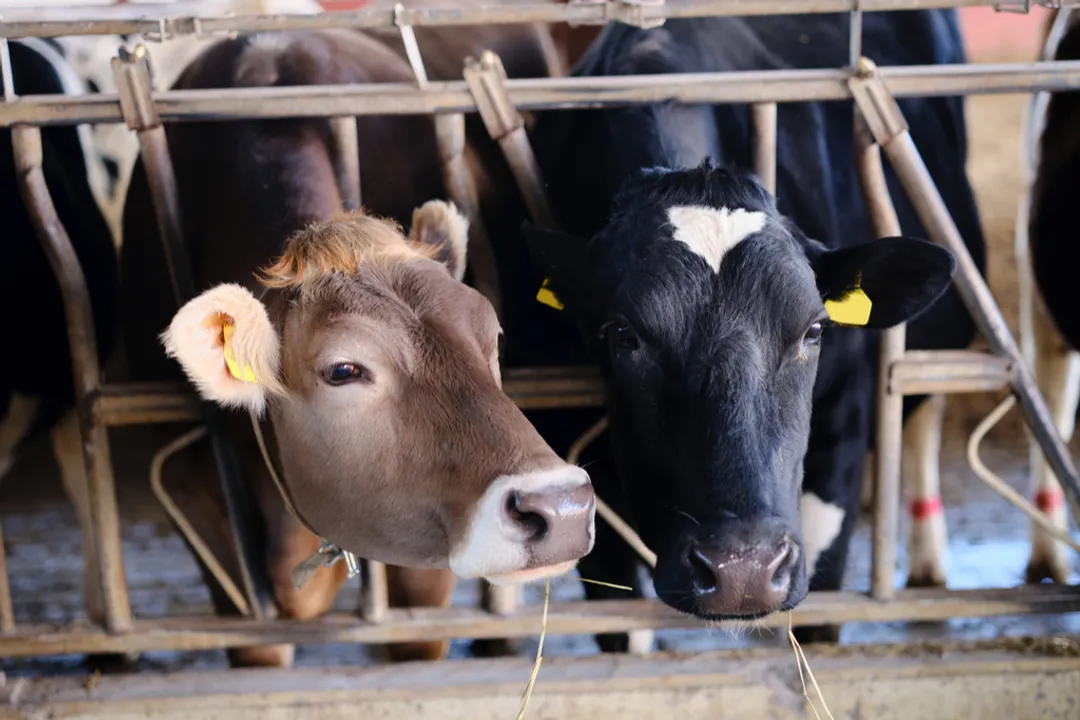
The cattle populating Hokkaido’s pastures are largely high-yield breeds, with the Holstein cow being a prominent resident of the region’s dairy farms. [1] While the breed itself is globally common, the specific conditions under which these Hokkaido Holsteins are raised lead to the unique product. Farming practices in Hokkaido prioritize the well-being of the cows, often employing methods that encourage natural grazing and reduce stress. [5] This dedication to animal welfare is often cited as a key differentiator, translating into better quality milk. [3] The relationship between the farmer and the herd is often hands-on, moving away from purely industrial models toward a more attentive approach to livestock management. [1]
# Feed Quality
A critical component tying the cow to the final product's excellence lies in its diet. The feed given to Hokkaido cattle is carefully curated, often utilizing local fodder crops grown in the fertile, volcanic soil of the island. [2] While the specific composition of commercial feeds is proprietary, the emphasis is on balancing nutrition to support high output while maintaining the desirable milk characteristics—specifically, a higher percentage of fat and protein compared to milk from other regions. [4][5] For instance, the average milk fat content in Hokkaido often surpasses the national average, a direct consequence of the breed, environment, and feed regime. [1] Considering the island’s environment, the type of forage available during the growing season versus the specialized hay and silage stored for winter defines the year-round nutritional intake, meaning a truly excellent Hokkaido milk producer must master storage and rationing to minimize seasonal variation in fat content. [5]

# Milk Composition
The tangible difference that consumers notice in Hokkaido dairy products boils down to the chemical and physical properties of the raw milk itself. [8] Hokkaido milk is frequently lauded for its rich, full-bodied flavor and creamy texture. [4][5] This superior mouthfeel is largely attributable to the higher concentration of milk fat and solids when compared to the standard required for general production elsewhere. [1]
| Characteristic | Typical Hokkaido Milk (General Range) | Standard Milk (Reference Point) | Impact on Product |
|---|---|---|---|
| Milk Fat Percentage | Higher (often exceeding 3.9%) | Varies, often lower baseline | Richer flavor, superior creaminess [1][4] |
| Protein Content | Elevated | Standard | Better texture in cheeses and yogurts |
| Flavor Profile | Sweet, cleaner, less "grassy" | Standard | Desirable for fresh consumption and sweets [5] |
This enhanced composition is what allows Hokkaido cream cheese to achieve a distinct softness or what makes their fresh milk taste noticeably sweeter to many palates. [4] The clean environment also contributes to a milk that carries fewer off-flavors, resulting in a purer base ingredient for cheesemakers and confectioners. [2]
# Processing Dedication
It is not enough to simply have excellent raw material; the subsequent handling ensures the special qualities survive the transformation into consumer goods. [3] Hokkaido dairy processors maintain extremely rigorous standards for hygiene and speed, moving the milk rapidly from farm to chilling and pasteurization. [6] This swift handling minimizes bacterial load and preserves the delicate natural flavor components. Furthermore, the region hosts numerous small, artisanal producers alongside large operations, creating a competitive landscape that constantly pushes the quality envelope for items like butter and cheese. [3] This localized competition often results in niche products that leverage the high-quality base milk in innovative ways, reinforcing the area's high-end market positioning. [6]
# Artisanal Creation
The premium nature of Hokkaido milk elevates the resulting processed goods, turning staple items into luxury commodities. [3] For example, the high-fat content is crucial for producing exceptionally smooth ice cream and rich butter that holds its flavor profile even when browned. [4] When used for cheese production, the solids content allows for a longer aging process or a softer final texture, depending on the style. [1] This dedication to treating the raw ingredient with respect throughout the supply chain is what transforms a regional product into a recognized global standard of dairy excellence. [3]

# A Consumer Perspective
For those looking to experience the difference, understanding the supply chain offers a deeper appreciation. When buying Hokkaido products outside of Japan, the high price point reflects not just shipping, but the intensive, high-quality farming methods employed by the producers. [8] An interesting observation is that while many regions boast about their milk fat percentages, Hokkaido's consistency across seasons provides a reliability that is perhaps more valuable to industrial-scale high-end bakeries or chocolatiers who cannot afford fluctuations in their key ingredient’s behavior. [7] This reliability, born from proactive farm management in a challenging climate, is an underappreciated aspect of their success. It means a bakery using Hokkaido butter in January should see the exact same result as one using it in August, something that demands superior silage management and cow conditioning during the island's cold months. The commitment to this consistency, rather than just achieving peak seasonal quality, is what builds brand trust and commands a premium price globally. Consumers seeking authentic Japanese dairy experiences should look specifically for Hokkaido certifications on items like fresh cream and soft cheese, as these showcase the base milk’s characteristics most clearly. [4]
Related Questions
#Citations
What's the Deal with Hokkaido Dairy? - The Frugal Foodies
Try Hokkaido Milk Right Where It Came From
Hokkaido Dairy: From New Industry to Luxury Product - Sakuraco
Why is Hokkaido milk, cream and cheese so popular? - Stripes Japan
Hokkaido Milk – Inside The World Of Japan's Dairy Industry
Thoroughly pursuing the secret of deliciousness! Hokkaido Dairy ...
What is Hokkaido milk? Know its benefits and why it's so popular ...
Indigo Cow | Japanese Soft Serve Ice Cream | Bellevue, Wallingford ...