What is the rarest type of Bulldog?
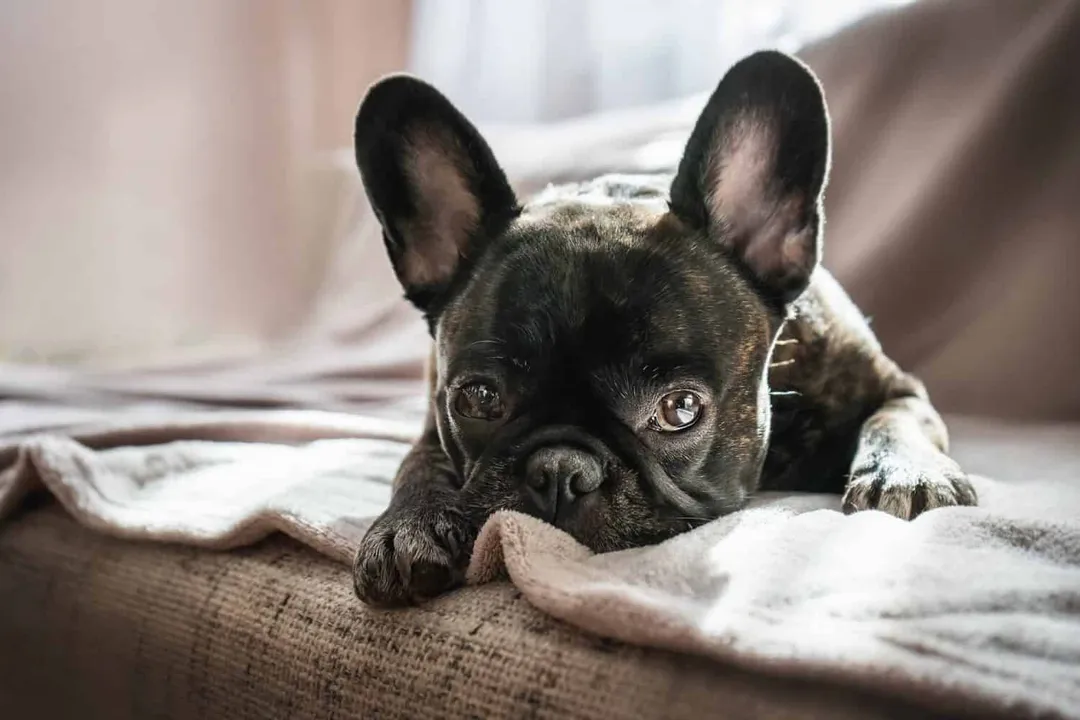
The question of what constitutes the "rarest" Bulldog is complex, often depending on whether one is classifying by breed type or by specific, genetically determined coat color. While several established Bulldog breeds exist—the English Bulldog and the French Bulldog being the most recognized—the extreme scarcity in the contemporary world often falls within highly specific colorations that require complex recessive gene combinations. [1][3] These unique shades, far outside the traditional standards, command the most attention for their exclusivity.
# Breed Variations
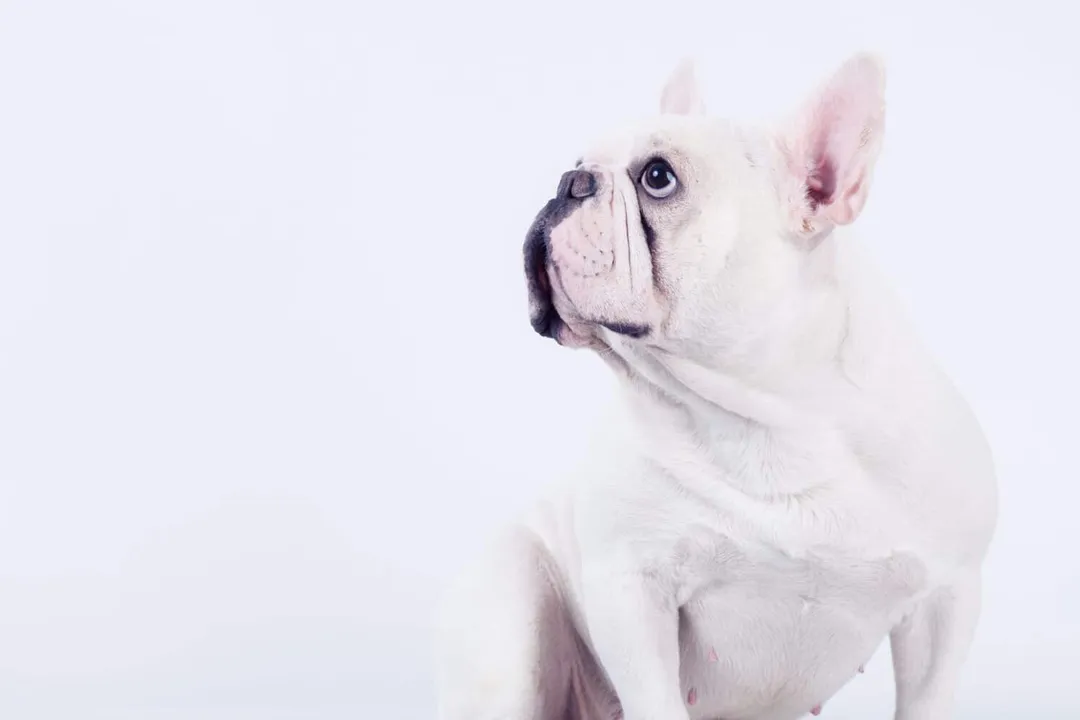
The Bulldog family encompasses more than just the dogs seen in conformation rings. There is a recognized, yet sometimes debated, distinction between the standard, registered English Bulldog and those dogs marketed as "Exotic" or "Rare" Bulldogs. [4] Proponents of these rarer types often focus on non-standard colors, sometimes leading to discussions about whether the intense focus on aesthetics comes at the expense of traditional breed structure or overall health. [4] For those seeking true rarity, however, the conversation shifts from breed structure to the very code that dictates coat appearance.
# Isabella Rarity
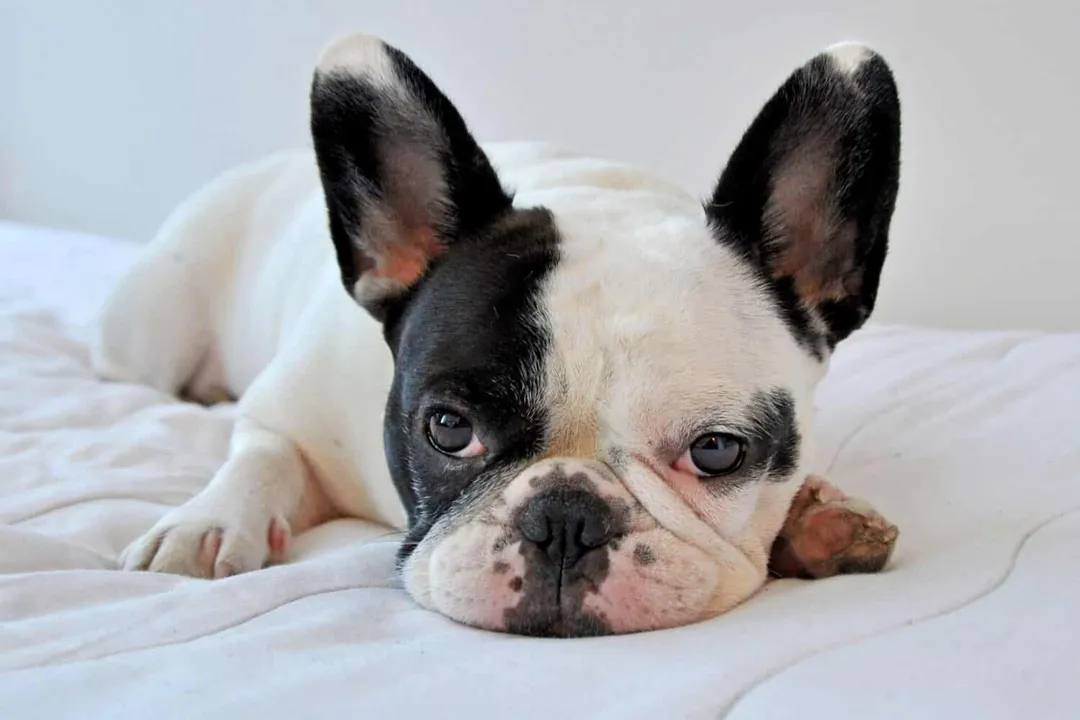
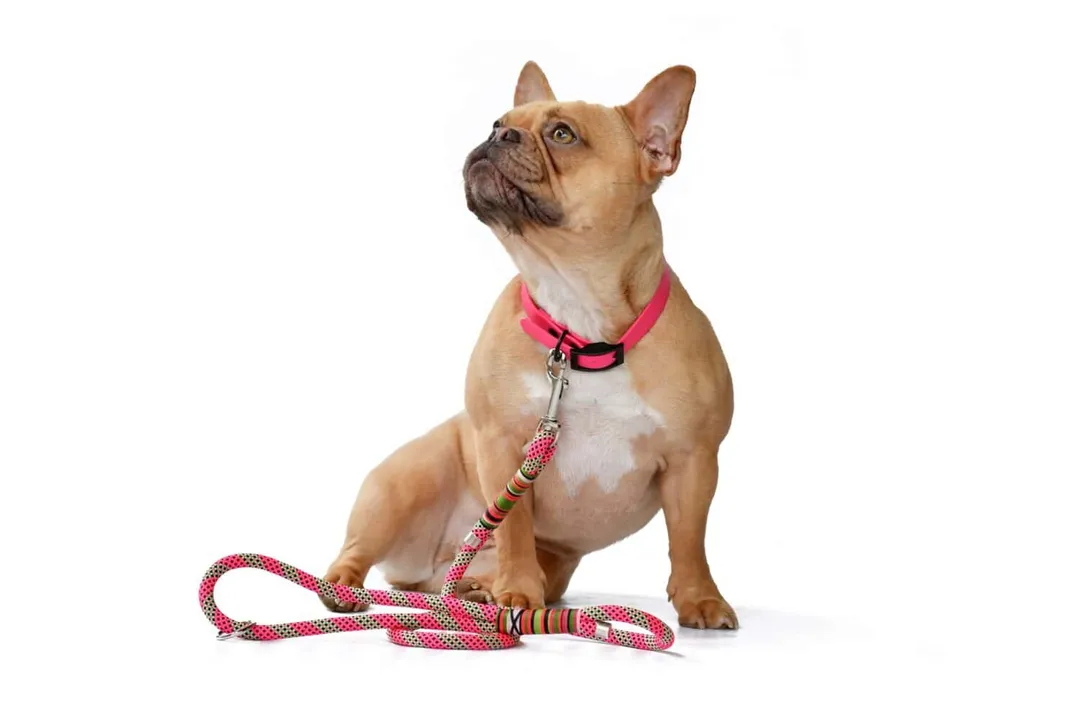
When examining the French Bulldog, one specific coloration stands out as the absolute rarest among the variations cataloged. That designation belongs to the Isabella French Bulldog. [5] This specific phenotype is the most exclusive and, consequently, the most expensive variation within the Frenchie lineage. [5]
The Isabella color is not merely a shade; it is a precise genetic declaration. A Frenchie must possess two copies of the chocolate gene and two copies of the dilution gene to earn this title, necessitating genetic testing for confirmation by breeders. [5] Visually, the Isabella resembles the lilac coat—ashy or silvery—but features a distinctly greyish liver base coat. [5] This genetic signature places it at the pinnacle of rarity for this specific breed type, listed as number one on the rarity scale compared to common colors like Brindle or Cream. [5]
# Exclusive Hues

For Bulldogs that trace their lineage closer to the English or standard Bully type, rarity is defined by the presence of dilution genes that create shades like Lilac and the patterned Merle. [1][3] These colors are not recognized by the American Kennel Club (AKC) for the English Bulldog, yet they are highly sought after. [3]
# Lilac Shades
The Lilac Bulldog is considered one of the most exclusive coat variations. [1] This stunning appearance results from the convergence of two specific recessive genes: blue and chocolate. [1] The resulting coat possesses a soft, silvery-gray look with distinct purple undertones, often accompanied by light-colored eyes. [1] Similar exotic variations include the Lilac Fawn, which carries a warm, dusty-rose tone, and the Lilac Merle, which combines the lilac base with the marbled pattern. [1]
# Marbled Pattern
The Merle Bulldog, whether French or English, is instantly recognizable due to its unique, patchy, or marbled pattern that blends various shades. [1] This striking effect is caused by a specific, dominant Merle gene. [1] While undeniably beautiful, the breeding of Merle dogs requires significant caution. Ethically minded breeders insist on never pairing a Merle dog with another Merle, as this combination can dramatically increase the risk of severe congenital health issues. [3]
It is worth noting that in the French Bulldog spectrum, the Lilac Merle is listed as rare, while the Isabella (which contains the dilution factor) is listed as the rarest overall. [5] This suggests that while the English Bulldog world focuses on the rarity of the Lilac Merle as an exotic marker, the Isabella represents the most genetically rare standard identified across the family's color spectrum. [1][5]
# Genetic Cost
The pursuit of these colors highlights an important dynamic in modern dog breeding: the balance between aesthetics and inherited health. Breeders specializing in these rare colors often emphasize their commitment to health alongside color production. [2][3] For instance, producing a Chocolate Bulldog, which requires a recessive gene carried by both parents, carries a higher price tag because of the color’s scarcity. [5] Similarly, the development of colors like the Lilac Tri English Bulldog—a dog that achieved the distinction of being the "First AKC Lilac Tri English Bulldog in the WORLD!"—demonstrates a dedicated focus on achieving a specific, genetically complex result while adhering to established breed standards where possible. [2]
The complexity of these recessive traits means that responsible breeders must engage in extensive genetic education and mandatory testing before pairing dogs. [3] When a breeder advertises a puppy carrying multiple recessive or complex genes, such as those creating Lilac or Merle patterns, it implies a significant, multi-generational investment in lineage tracking. [3]
A helpful way to assess a breeder’s dedication to this area, beyond just showing you the puppy, is to ask specifically about which health markers they test for alongside color panels. A breeder focused only on the visual outcome might show you the puppy's color genetics, but a truly expert, ethical program will transparently share results for breed-specific issues like hip or elbow dysplasia screening, confirming they are not sacrificing structural integrity for a trendy coat. [3] This distinction between breeding for visual effect versus breeding for verifiable structural health often separates the enthusiasts from the serious geneticists in the rare color community.
If we were to compare the rarity of a highly sought-after color like the Chocolate French Bulldog (listed as rare) against the prevalence of the standard Brindle (listed as standard for Frenchies), the genetic odds are clearly stacked against the Chocolate variation occurring naturally. [5] While the most common color variation is defined by prevalence, the rarest is defined by the low statistical probability of two specific recessive genes meeting in one offspring. [5]
# Ethical Considerations
The excitement surrounding rare colors must always be tempered with an understanding of the potential pitfalls. The introduction of genes like Merle into a population not historically predisposed to them can introduce health risks if the gene is inherited in a double dose. [3] The same caution applies to the intense dilution colors, where improper pairing choices can exacerbate existing breed-specific conformational issues. [4]
A key takeaway for anyone interested in these unique Bulldogs is the importance of verifying the breeder’s commitment to standard Bulldog health markers alongside color confirmation. [3] The rare color should be the added bonus to a structurally sound dog, not the sole reason for its existence or its high price tag. [3][4] Breeders who focus on health, temperament, and structure first, and then responsibly introduce these desired colors, are the ones upholding the highest standard, regardless of whether the color itself is recognized by a major kennel club. [3][2] For example, while the "Fluffy" coat is an honorable mention rarity in French Bulldogs—a longer, fluffier coat caused by the Fibroblast growth factor gene—it occurs in conjunction with a color like blue or lilac, further layering the genetic complexity. [5]
Ultimately, the rarest Bulldog isn't just one defined by a single, eye-catching hue. It is the one that manages to embody one of these statistically scarce color patterns, such as the Isabella or the Lilac Merle, while simultaneously being bred with demonstrable expertise, health screening, and a commitment to the breed's foundational structure. [2][3] This combination of genetic novelty and dedicated health oversight is what truly defines the pinnacle of Bulldog rarity today.
Related Questions
#Citations
Rare French & English Bulldogs. Home of Stoik La Brut, Lion Mane ...
Rare Bulldog Colors Explained: Lilac, Merle, and More
'Exotic/Rare' Bulldogs vs English Bulldogs - Which one looks ...
French Bulldog Colors: Full List from Most Common to Rarest
English Bulldog Colors: Standard, Rare, and the Best Pairings ...