What is unique about mouse deer?
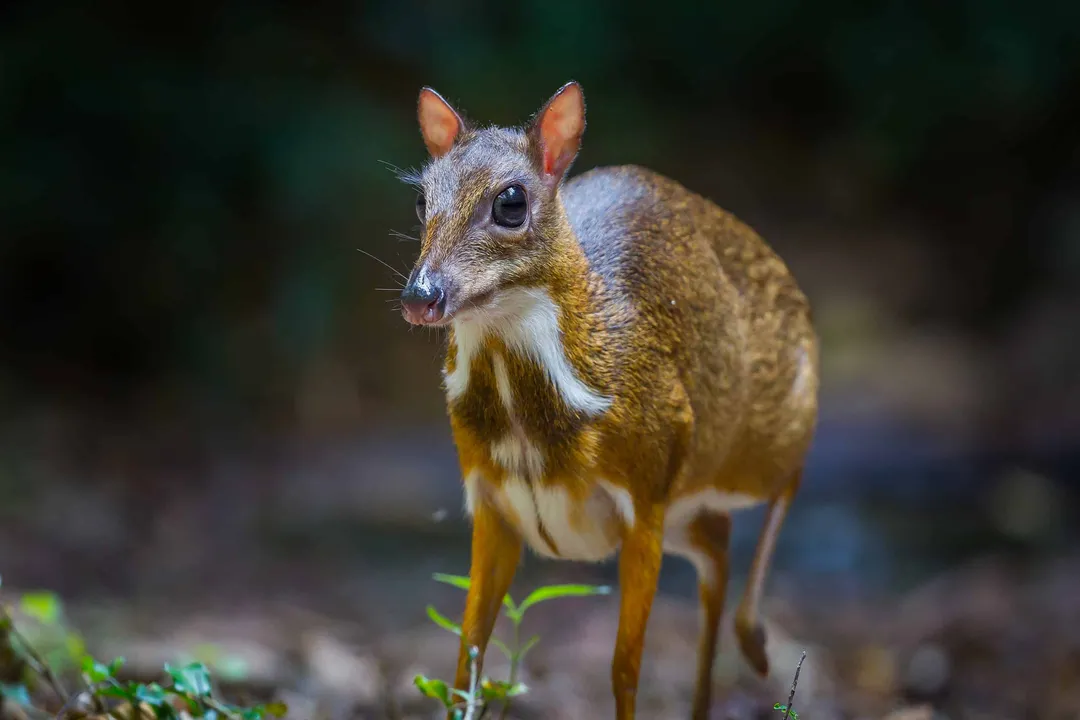
The animal known colloquially as the mouse deer often sparks confusion due to its name; it is neither a true mouse nor a member of the deer family Cervidae. [2] Instead, these small, graceful creatures belong to the family Tragulidae, known scientifically as chevrotains. [1][8] Despite their ungulate classification—meaning they are even-toed hoofed animals—they are recognized as the smallest extant members of the order Artiodactyla. [7] This diminutive stature places them in a unique biological category, making them the subject of considerable natural interest. [2][6]
# Size Comparison
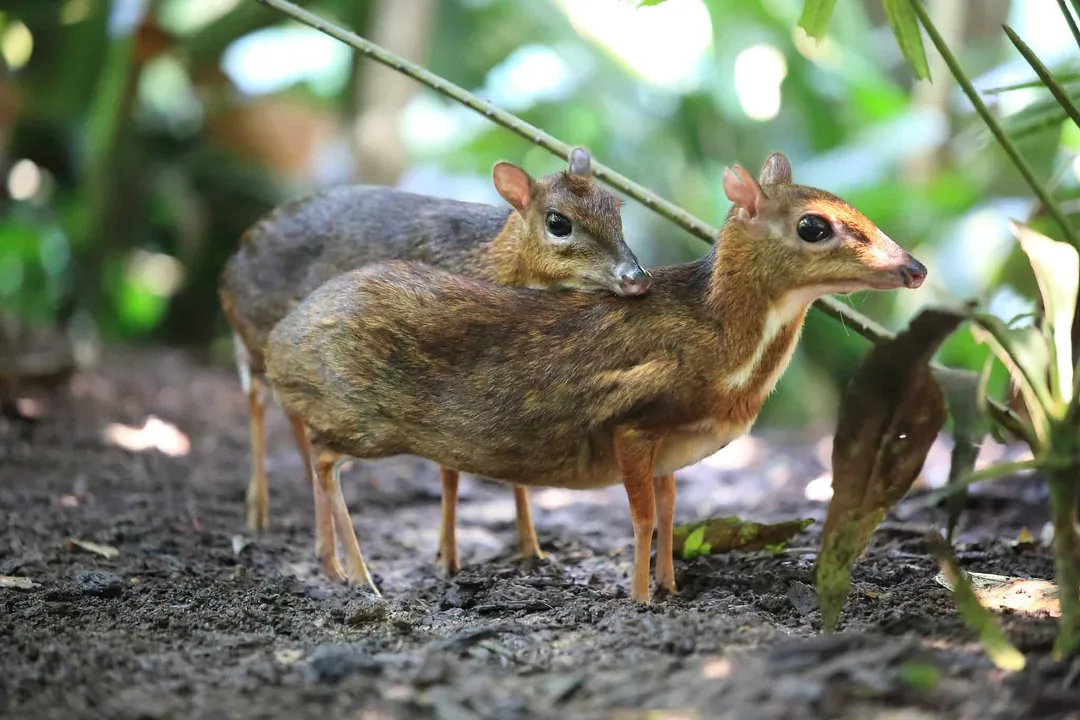
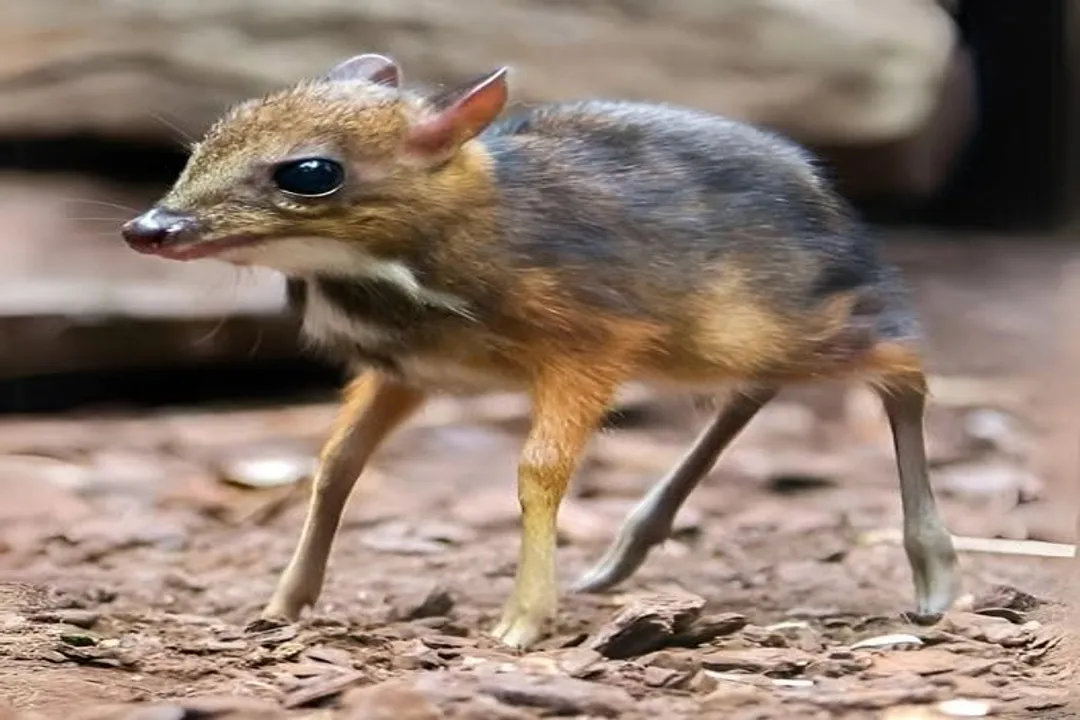
To grasp their size, one must abandon the image of a typical deer. Mouse deer are remarkably small, sometimes described as resembling a large rabbit or a domestic cat. [2] For instance, the Larger Malayan Mouse-deer (Tragulus napu) might stand only about two feet tall at the shoulder and weigh perhaps 10 to 15 pounds. [6] Their build is delicate, characterized by slender legs and large, dark eyes that enhance their shy appearance. [2] This combination of features—a ruminant's digestive system housed in a body barely larger than a common rodent—creates a startling biological paradox. [1][2]
# Tusked Males
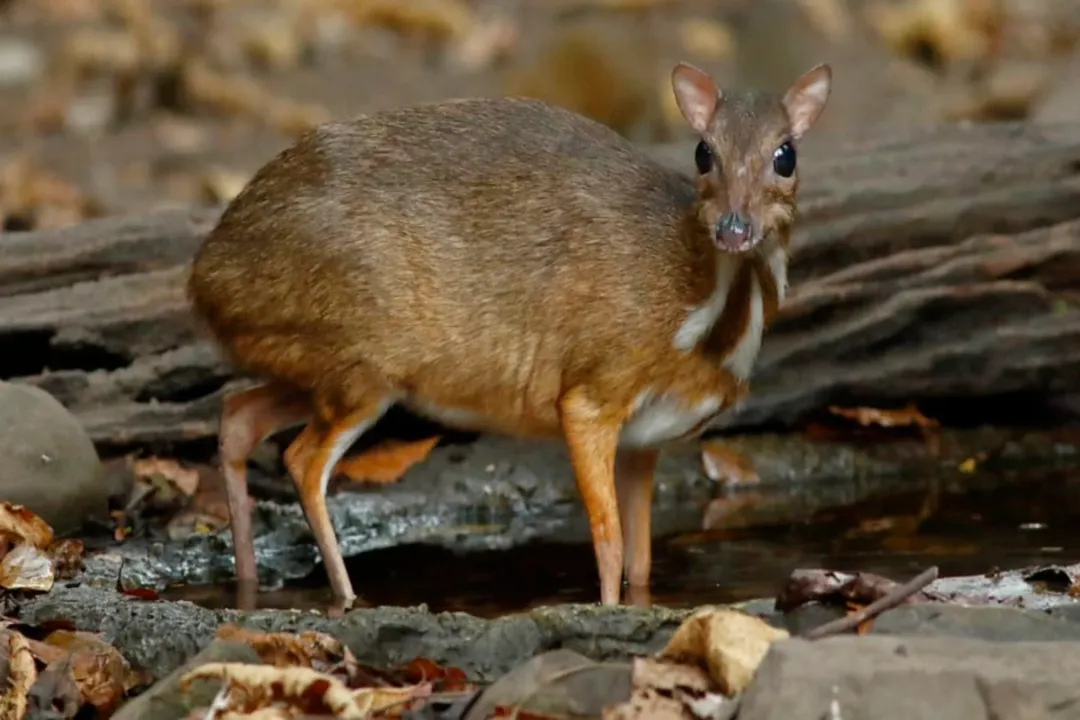
One of the most striking physical departures from true deer involves the males’ headgear. Unlike deer, which develop bony antlers that are shed annually, male chevrotains possess no antlers at all. [1] In their place, the males have prominent, elongated upper canine teeth that protrude downwards like tusks. [1][8] These ivory-like weapons, which can be quite noticeable, are primarily used in territorial disputes or during fights to establish mating rights with females. [2] This adaptation—using fixed tusks rather than shed antlers—represents an entirely different evolutionary strategy for male display and combat within the ungulate lineage. [2]
# Digestive Secrets
Although they are ruminants and possess a stomach divided into four chambers, the digestive workings of the chevrotain are distinct from those of larger relatives like cattle or sheep. [1][4] While they still chew cud, the complexity and folding patterns within their stomach structure are less developed than in larger ruminants. [4] This suggests an evolutionary path where rapid assimilation of food is prioritized, perhaps necessary for an animal relying on continuous browsing in dense undergrowth rather than large-scale grazing in open areas. This difference in digestive efficiency allows them to process various types of browse quickly, maximizing energy intake while minimizing the time spent exposed in vulnerable feeding positions.
# Habitat Niche

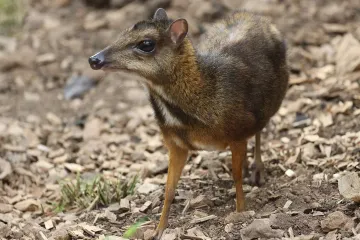
Mouse deer are found across the tropical forests of Southeast Asia and parts of Africa. [1][2][3] Their reliance on dense cover dictates much of their behavior. They are inherently shy creatures, making direct observation in the wild difficult. [2] They are generally solitary animals, preferring to forage alone rather than in herds. [4]
Their activity patterns lean heavily towards the darker hours. They are typically crepuscular, meaning most active at dawn and dusk, though some populations exhibit more nocturnal habits. [2][3] This preference for low light helps them evade predators and remain undetected by potential threats, aligning perfectly with their small size and dense forest habitat. [2]
# Communication Methods
Survival in a dense, visually restrictive environment like a tropical forest necessitates reliance on senses other than sight for social interaction and warning. Mouse deer communicate using a variety of methods, most notably through scent marking. [2] Specialized glands are used to deposit chemical signals, marking territory boundaries or indicating reproductive status. [2] Additionally, they are capable of producing distinct vocalizations, often described as whistles or sharp clicking sounds, which serve as crucial short-range warnings or contact calls. [2]
# Species and Culture
The family Tragulidae encompasses several genera and species, showcasing a range of adaptations across their geographical span. [4] A well-known example is the aforementioned Larger Malayan Mouse-deer (Tragulus napu). [4][6]
Beyond scientific classification, the mouse deer holds a significant place in regional folklore, particularly in Malay culture. The Kancil, often identified as the Greater Mouse-deer, is a central figure in many traditional stories. [9] In these tales, the Kancil is consistently portrayed as a witty, clever trickster who consistently outsmarts larger, stronger animals through sheer intelligence and cunning. [9] This cultural portrayal reflects the animal's real-life mastery of evasion and stealth in a world populated by much larger competitors. Their continued cultural presence underscores their importance as an iconic native species in the ecosystems they inhabit.
# Evolutionary Strategy
The unique evolutionary path that resulted in an animal possessing both the digestive system of a ruminant and the physical proportions of a rodent speaks to intense selective pressures within their environment. [1][4] While true deer species evolved to exploit open environments using speed and size, the ancestors of the chevrotain seemingly optimized for concealment and navigating thick underbrush. [2] They fill an ecological niche that avoids direct competition with larger browsers and grazers. Their small size allows them to utilize resources—like fallen fruit, leaves, and invertebrates—that are inaccessible or too low in volume for larger herbivores, securing their survival through specialization rather than dominance. [4] This strategy confirms that being the smallest is not a disadvantage, but rather a highly effective, specialized way to thrive in the complex tropical forest layers.
Related Questions
#Citations
Chevrotain - Wikipedia
Mouse-Deer (Chevrotain) Animal Facts - Tragulidae
Mouse deer Facts for Kids
Tragulus napu (greater mouse-deer) - Animal Diversity Web
Meet the mouse deer, a unique creature - Facebook
Larger Malay mouse-deer - National Zoo
Mouse-deer are the smallest hoofed animals in the world, and there ...
9 Tiny Facts About the Chevrotain - Mental Floss