Where do mouse deer eat?
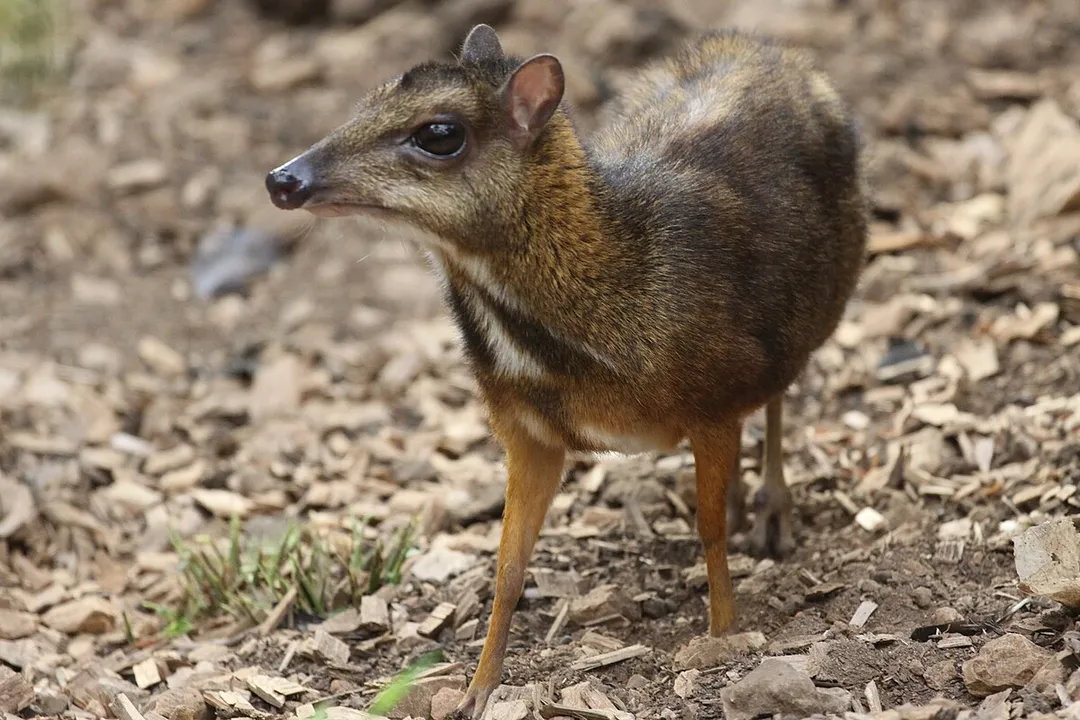
The small ungulates known as mouse deer, or chevrotains, have an eating strategy deeply tied to the shadowed, dense environments they inhabit across Southeast Asia. [3][4] Despite their name association with deer, they are a unique family of hoofed animals, and their diet firmly establishes them as primarily herbivorous. [3][5][6] They are not grazers in the typical sense, but rather selective feeders whose daily search for sustenance occurs mainly in the forest understory. [3]
# Herbivore Staples
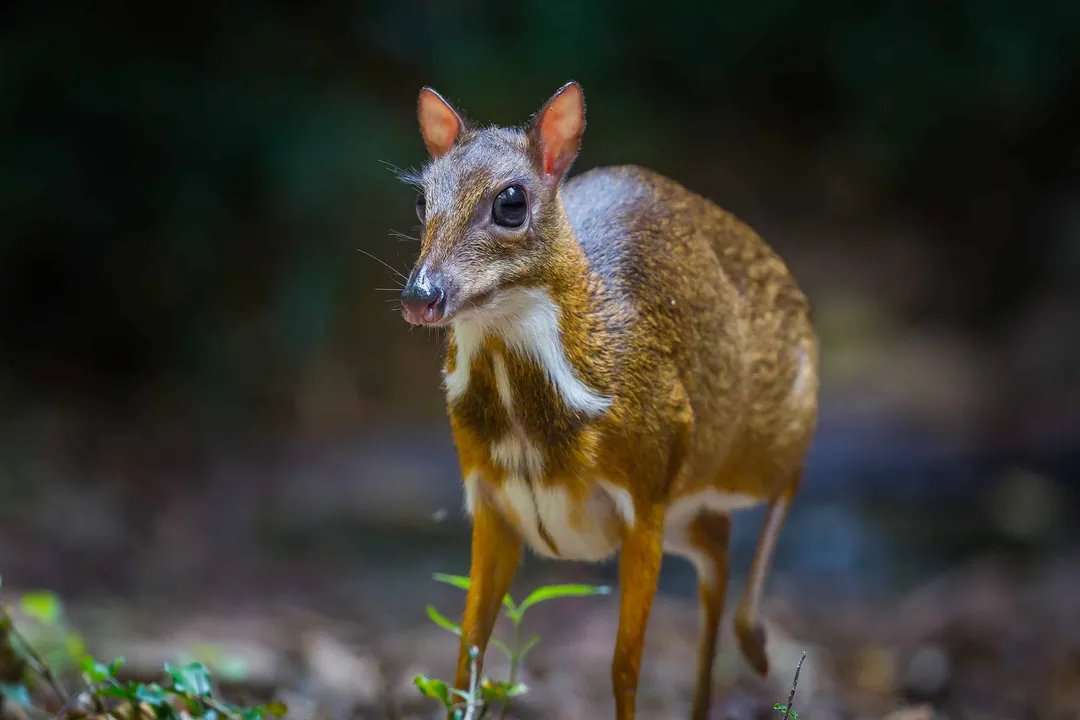
The core of the mouse deer's diet across different species involves vegetation found close to the ground in their forest homes. [1][6] For the Larger Malay mouse-deer (), this foundation consists of leaves, buds, shrubs, and grasses. [2][6] Similarly, the Java mouse-deer () fits the description of a folivore, focusing heavily on leaves, shoots, and buds. [1] These shy animals are adapted to find necessary nutrients within the understory plants of their tropical, moist forest habitats. [2][4][6]
The ability to thrive on this plant matter hints at a specialized digestive system. These tiny creatures can extract nutrients from plants that might be indigestible to other animals. [3] Furthermore, studies on the Java mouse-deer suggest a fascinating preference: they often favor the plants associated with faster-growing gap species—areas where the forest canopy has been broken—over the understory plants in more mature, closed forests. [1] This specific food choice may be driven by the expectation that gap species plants contain a higher concentration of secondary protective compounds, perhaps making them more nutritious or less defended against browsing. [1]
# Fruit Consumption
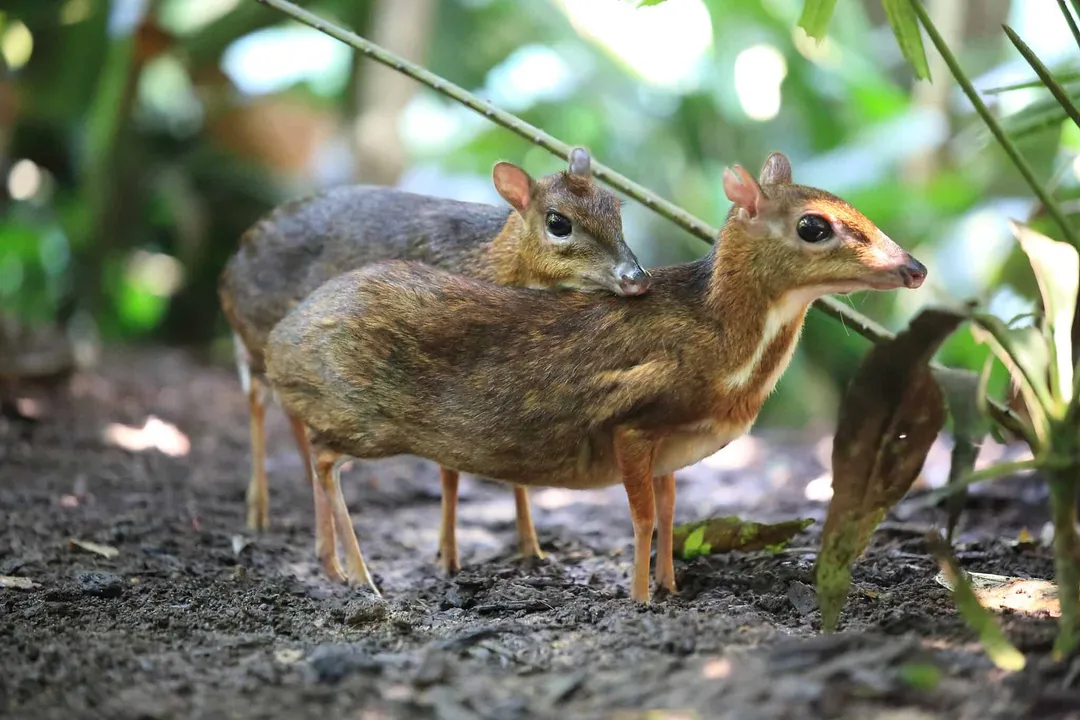
Fallen fruit represents a critical, perhaps even primary, component of the diet for several mouse-deer species. [1][3][4] The larger Malay mouse-deer specifically consumes fallen fruit and berries. [2][6] The Java mouse-deer also commonly consumes fruits that have dropped from the canopy. [1] This reliance on fallen fruit suggests an opportunistic feeding style that reduces the energy required to browse high branches, aligning with their small stature and need to remain hidden. [3] The size of the fruit consumed by is quite small, typically ranging from one to five grams. [1]
Considering the evolutionary history, it has been suggested that earlier members of the chevrotain family ate mostly vegetation, but modern species are thought to almost exclusively eat fallen fruit. [3] This might indicate a shift toward capitalizing on easily accessible, high-energy food sources when available, even if general plant matter remains available when fruit is scarce. [3]
# Fungi and Extras
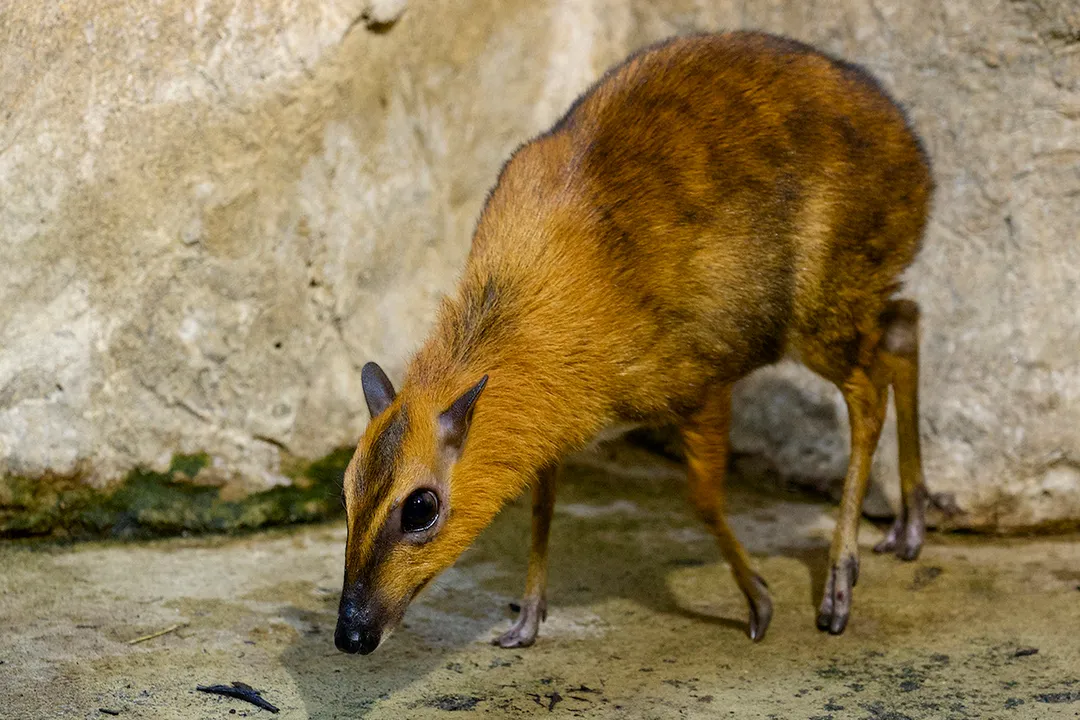
Beyond leaves and fruit, fungi are noted as a food source for the mouse deer found in Borneo, such as the greater mouse-deer, suggesting they forage for these organisms on the damp forest floor. [4] More broadly, the general mouse-deer diet shows a willingness to supplement their primary herbivorous intake when necessary. If fruit becomes scarce, they have been documented consuming insects, snails, and even small vertebrates. [3] Interestingly, while insect consumption is noted in the general diet, the Java mouse-deer has only been observed eating insects while in captivity. [1] This suggests that while they possess the capacity, it might not be a regular or necessary part of their foraging routine in the wild. [1][3]
# Foraging Locales
The "where" of their eating is intrinsically linked to the "what." Mouse-deer spend their nights searching for food in the forest understory. [3] For the Java species, daytime activity includes moving through dense undergrowth, particularly areas with creeping bamboo, where they maintain tunnels leading to resting and feeding areas. [1] The Larger Malay mouse-deer, which lives near water, prefers the undergrowth of dense forests and utilizes small trails through the thick brush to move between feeding spots. [2][6] The fact that consumes aquatic plants reinforces their need to forage in these damp, water-adjacent environments. [2][6]
If we consider the geographic context, the animals in Borneo, including the greater mouse-deer () and lesser mouse-deer (), have been observed by camera traps seeking fruit on the forest floor, occasionally even during the daytime, though they are mostly nocturnal. [4]

# Captive vs. Wild Sustenance
Examining what mouse deer are fed in human care provides a contrasting view of their dietary flexibility. At the Smithsonian's National Zoo, for instance, the diet for the Larger Malay mouse-deer includes browse, alfalfa, kale, carrots, sweet potatoes, and banana peels. [2] While this selection includes fruits (banana peels) and leafy material (browse, kale), the inclusion of starchy root vegetables like sweet potatoes, which are less likely to be the primary food source in the wild, suggests that captive management prioritizes a calorically dense and easy-to-supply diet. [2] It’s noteworthy that captive Java mouse-deer have been seen eating insects, whereas wild consumption is less documented. [1] This difference between zoo provisioning and wild foraging underscores the adaptability of these small animals to utilize available resources, whether it's a dropped fruit on the jungle floor or a carefully measured ration of root vegetables in a controlled environment. The wild diet appears to be highly dependent on what the immediate forest floor yields, whereas the captive diet relies on providing balanced nutrition that may not always mimic the seasonal availability of wild items like specific fungi or small invertebrates. [1][2][3] For instance, a native animal that relies on fruit dispersal might be better supported by zoos providing a high volume of mixed fruit supplements rather than just standard hay, even if they can process the roughage. [2][4]
# Dietary Niche Summary
To summarize the known feeding patterns across the various species of chevrotain, one can appreciate the breadth of their diet within the herbivore category:
| Diet Category | Example Items | Specific Species Mentioned |
|---|---|---|
| Primary Foliage | Leaves, shrubs, shoots, buds | , [1][2] |
| Fruit Source | Fallen fruits, berries | , [1][2][4] |
| Moist/Riparian | Aquatic plants | [2][6] |
| Fungi | Fungi | Borneo species [4] |
| Supplementary | Insects, snails, small vertebrates | General Mouse-deer [3] |
| Captive Feed | Alfalfa, kale, sweet potatoes, carrots | (Zoo specific) [2] |
The mouse-deer family, despite its small size, occupies a vital ecological role, acting as primary consumers in the undergrowth and contributing to seed dispersal. [3][4] Their eating habits dictate their movements, keeping them close to dense cover where they can graze safely, often near water sources, reinforcing their classification as creatures of the wet, shaded forest floor. [2][6]
Related Questions
#Citations
Larger Malay mouse-deer - National Zoo
Java mouse-deer - Wikipedia
Mouse-Deer (Chevrotain) Animal Facts - Tragulidae
Tragulus napu (greater mouse-deer) - Animal Diversity Web
Species Series - mouse deer - Borneo Nature Foundation
Greater Mouse-Deer - Facts, Diet, Habitat & Pictures on Animalia.bio