What is the lifespan of a Florida mouse?
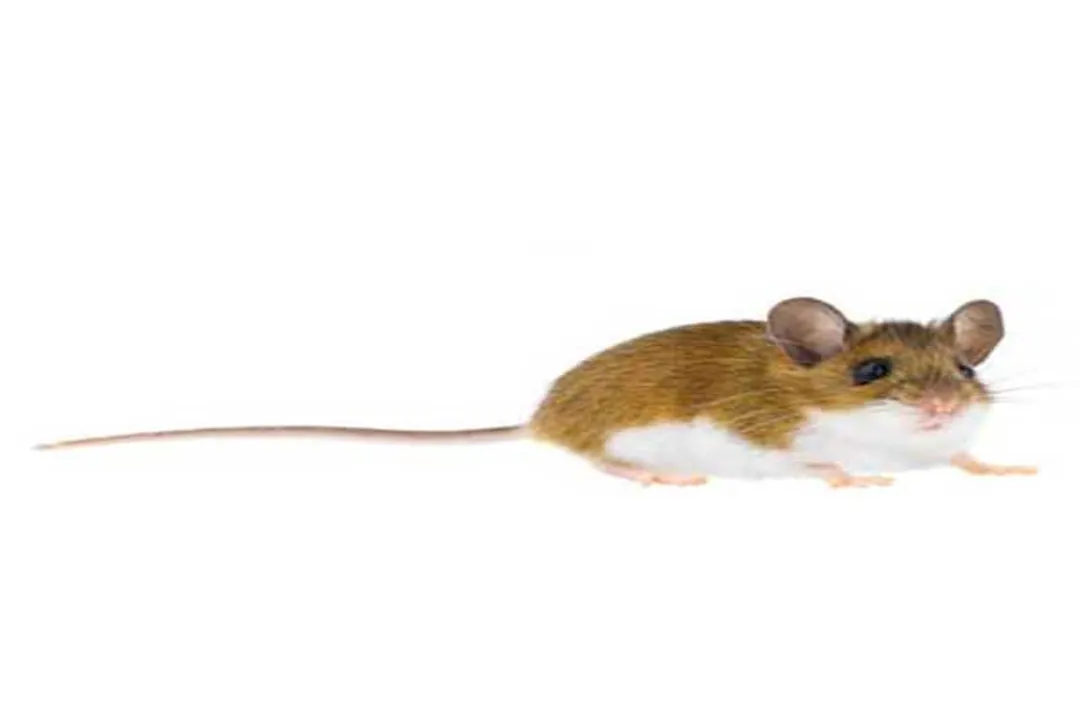
The existence of the Florida mouse, Podomys floridanus, is intrinsically linked to the unique scrub ecosystems of its native range, and this connection heavily influences the brief tenure most individuals experience. Determining an exact lifespan is challenging, as this small rodent is often secretive and restricted in distribution, meaning long-term observational studies in natural settings are rare. [1] However, existing knowledge points toward a typical lifespan that aligns with many other small North American rodents: fleeting in the wild but surprisingly prolonged under human care.
# Survival Times
When considering how long a Florida mouse survives, it is essential to differentiate between life in its native habitat and life in a controlled laboratory or captive environment. In the wild, the average lifespan is generally estimated to be quite short, often cited as falling within the range of one to two years. [2][6][7] Some researchers acknowledge that the actual lifespan in the wild remains largely unknown but hypothesize it must be brief, given the high predation rates and environmental stresses small mammals face. [1]
Conversely, mice kept in captivity demonstrate a much greater capacity for longevity. Reports indicate that these mice can survive for more than a year in controlled conditions, [1] with some individuals reaching up to three years of age. [2][6][7] This disparity highlights the tremendous cost of living in the wild, where energy is constantly diverted toward vigilance and foraging rather than simply maintaining body functions. A mouse living for three years in a sanctuary setting is potentially experiencing an existence that is twice as long as its wild counterpart manages, a stark illustration of environmental impact on longevity. [2][6][7]
If we consider the peak breeding season in Florida, which corresponds to warmer, wetter months, a one-to-two-year lifespan means that a female mouse might only get one or perhaps two full reproductive seasons to contribute to the next generation before succumbing to natural pressures. This short window necessitates rapid maturation and high fecundity, traits common to many small mammals facing high extrinsic mortality rates. [1]
# Wild Pressures
The primary antagonists to a long life for the Florida mouse are predators and the inherent instability of its environment. These mice are a food source for numerous animals across the Florida landscape. They share their sandy, scrubby homes with snakes, owls, hawks, coyotes, and various other carnivores that naturally hunt small ground-dwelling rodents. [5] Being active both diurnally and nocturnally, though often described as more secretive, they remain exposed to risks throughout the day and night. [7]
Beyond direct predation, the physical environment itself poses continuous challenges. The Florida mouse is highly specialized, preferring sandy soils associated with Florida scrub habitats. [1][5] These environments can experience intense drought periods or, conversely, be susceptible to human development and habitat fragmentation. [3] Furthermore, while this species is known for its specialized dental structure—having a longer, more delicate skull—which aids in consuming hard seeds, any disruption to its specific seed availability can lead to nutritional stress, weakening it and making it an easier target. [1]
It is worth noting that general pest control information sometimes lumps various small rodents together, sometimes incorrectly confusing the Florida mouse with similar-looking species like the Deer Mouse (Peromyscus maniculatus). [9] For the Podomys floridanus, habitat loss remains the most significant long-term threat, directly impacting the density of populations and the difficulty of finding mates and safe nesting sites, which compounds survival stress. [3]

# Habitat Niche
Understanding where the Florida mouse lives gives context to its brief lifespan. Unlike the more widely distributed Peromyscus species, P. floridanus is restricted to specific areas, primarily the central and southern Florida peninsula. [1][3] Their preferred locale is the Florida scrub, characterized by sandy soils and drought-resistant plants like scrub oaks and sand pines. [5]
These mice are excellent burrowers, often creating intricate systems of tunnels and nests beneath the sand or under palmetto clumps. [1] This underground activity is a key adaptation for surviving the intense heat of the Florida midday and avoiding aerial predators. The quality of the soil and the density of the scrub cover directly correlate with the security of their home base. A well-established burrow system can provide a significant advantage in terms of protection from both weather and predators, perhaps adding crucial weeks or months to an otherwise precarious existence. [1]
If you are monitoring populations or managing land in these specific zones, recognizing the mouse's reliance on undisturbed scrub is important. When the native scrub is disturbed—for instance, through development or even improper fire management that alters the vegetation structure too severely—the availability of suitable, deep burrowing sites declines rapidly. This forces mice into suboptimal cover, instantly increasing their perceived wild mortality risk factors. [3][5]
# Status Review
The conservation status of the Florida mouse further emphasizes the fragility of its life cycle. While it is not globally listed as endangered, its distribution is limited enough that its conservation ranking reflects regional vulnerability. The species is often ranked as G3 (Vulnerable) globally by NatureServe, and its state ranks can also indicate localized risk. [3]
The vulnerability ranking suggests that while the species is not immediately facing extinction across its entire historical range, localized extirpation is a real possibility if specific pressures—like unchecked development or unnatural fire suppression—continue. For a species with a naturally short lifespan, the inability to readily colonize new, fragmented patches of habitat due to barriers created by human infrastructure makes recovery from local declines particularly slow. [3] Any factor that shortens the already short reproductive lifespan of the females or reduces the successful recruitment of young mice into the breeding pool has an amplified negative effect on the overall population trajectory compared to species with longer lifespans and greater dispersal abilities.
In essence, the lifespan of the Florida mouse is a delicate balance defined by its specialized habitat requirements and the pervasive presence of predators. While three years in captivity offers a glimpse into their potential, the typical reality for this endemic rodent is a rapid, intense existence measured in months, dedicated entirely to survival and reproduction within the shrinking confines of the Florida scrub. [2][6]
Related Questions
#Citations
Podomys floridanus (Florida mouse) - Animal Diversity Web
Florida Mouse Facts & Photos | Wowzerful
Podomys floridanus - NatureServe Explorer
Rats & Mice - Coastal Wildlife Removal
to avoid predation, the Florida mouse digs a different entrance and ...
Florida Mouse Animal Facts - Podomys floridanus
Florida Mouse - Facts, Diet, Habitat & Pictures on Animalia.bio
Florida mouse (Podomys floridanus) longevity, ageing, and life history
Deer Mouse | Identification, Habits & Behavior - Florida Pest Control