What is unique about Blue Andalusian coloring?
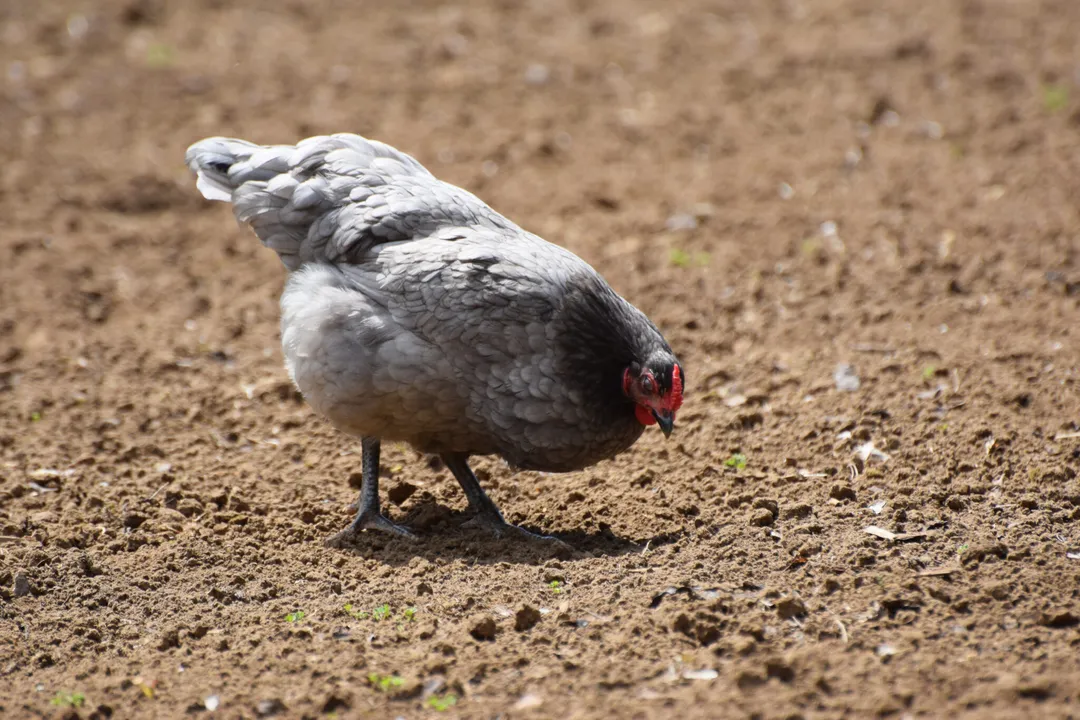
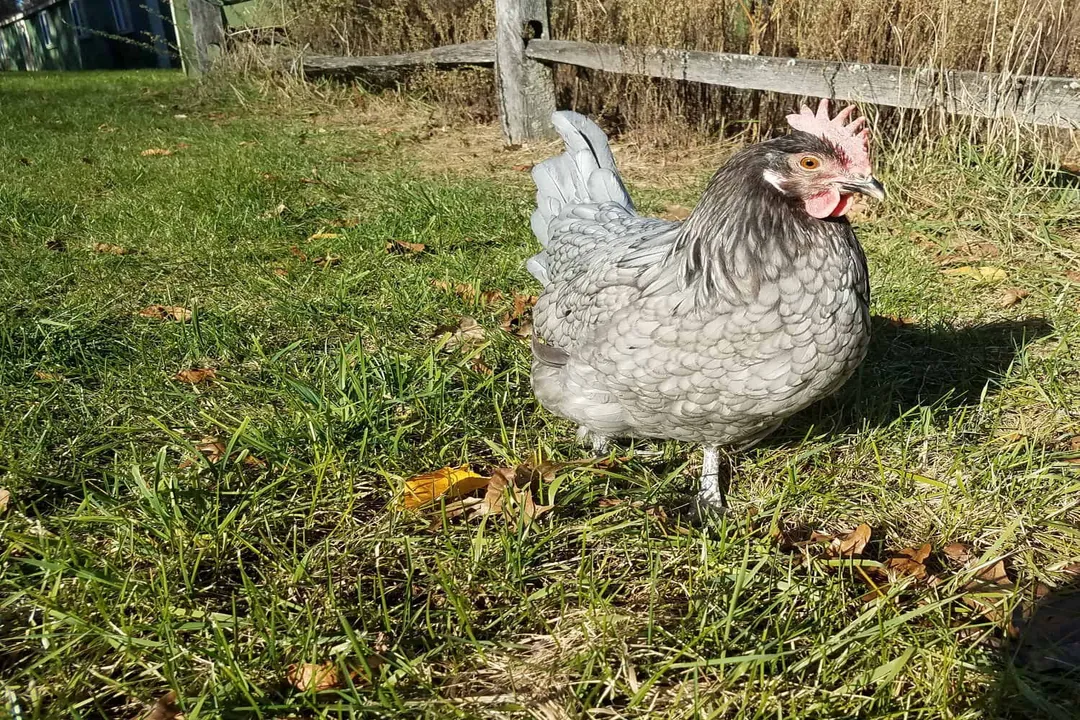
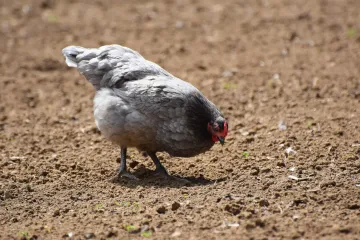
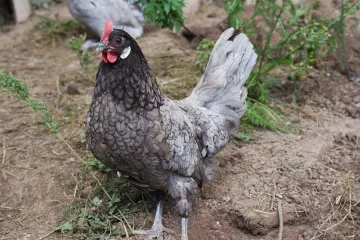
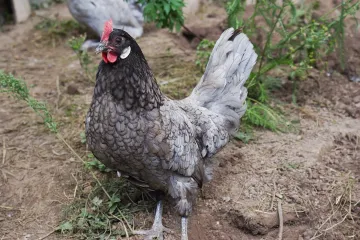
The defining characteristic of the Blue Andalusian chicken is undeniably its striking plumage, a shade that has cemented its place in poultry fancy as a breed unto itself rather than merely a color variation of another type of fowl. This color is not just a simple shade of gray; it is a highly specific, genetically complex slate blue that requires careful breeding to maintain its purity according to established standards.
# Slate Plumage
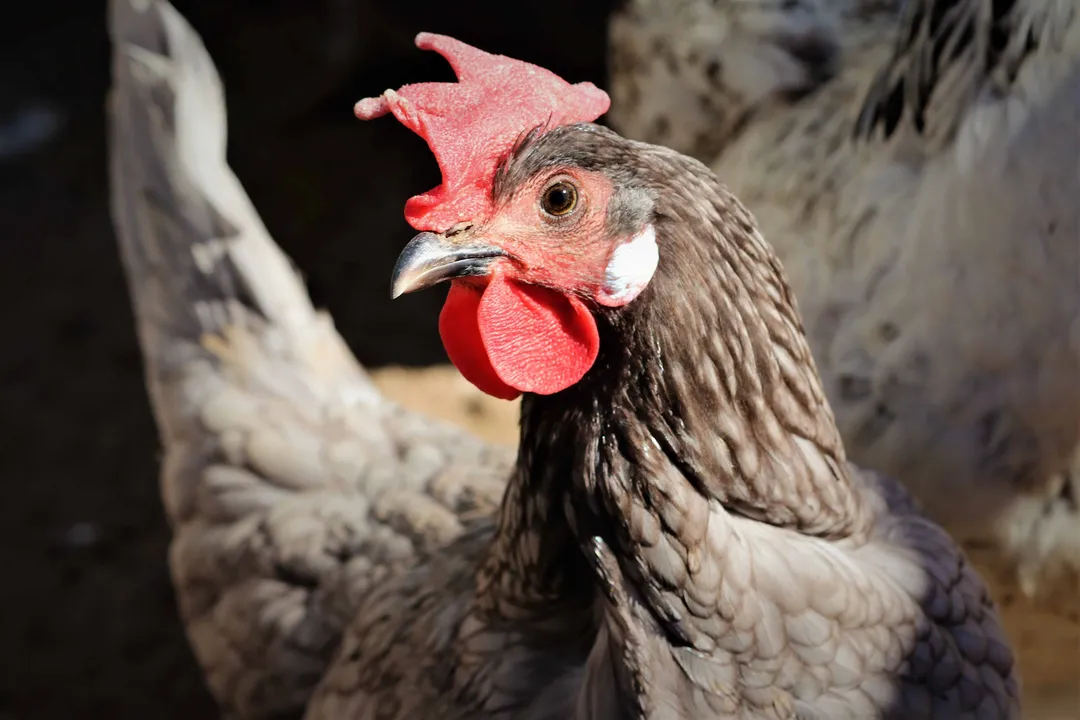
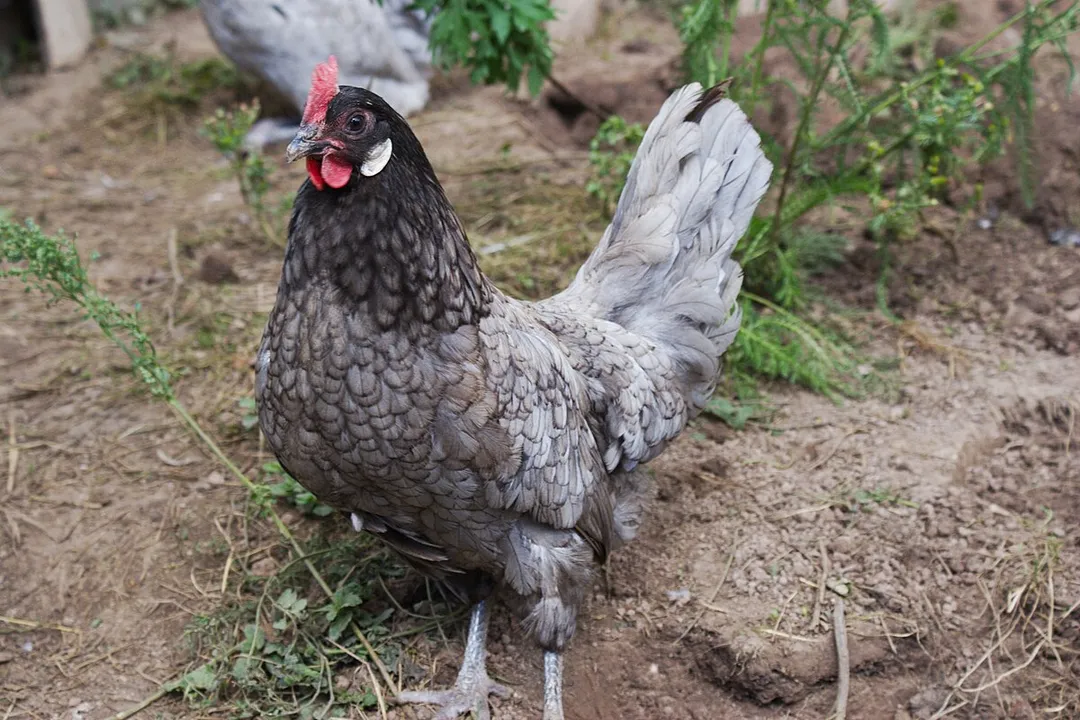
The body feathers of the Blue Andalusian are characterized by a deep, even slate-blue or gray tone. However, the perfection of the color is often interrupted—or rather, enhanced—by lacing around the edges of the feathers, though this feature varies significantly between the sexes. In the male birds, this lacing is quite pronounced, appearing as a darker edge outlining the blue feather across the neck (hackle), the saddle, and the wing bow. This contrast adds depth and complexity to the rooster's appearance.
For the hens, the expression of this lacing is more subdued. While they exhibit the same base slate color, the darker lacing is typically restricted to the hackle feathers around the neck. Beyond the lacing, the overall appearance aims for uniformity; the shanks should be dark, and the comb and wattles are typically bright red, standing in sharp contrast to the cool blue body feathers.
It is important to note that in the United States, the Blue Andalusian is recognized by the American Poultry Association (APA) as a distinct breed where blue is the only acceptable standard color, unlike many other breeds where "Blue" is simply one of several color varieties allowed, such as Buff or Silver Laced. This focus means that breeders are concentrating solely on perfecting this one color expression, which is an interesting distinction when compared to breeds where blue plumage exists alongside several other options.
# Dilution Genetics
What truly sets the Blue Andalusian coloring apart from a visual perspective is the underlying genetics that produce it, which is far more fascinating than just a simple pigment presence or absence. The blue coloration arises from a dilution gene acting upon what would otherwise be solid black plumage. This specific gene operates under the rules of incomplete dominance, sometimes referred to as co-dominance in this context, meaning that an intermediate phenotype (the blue) is expressed when a bird carries one copy of the gene.
To understand this system, we must consider three potential genetic expressions related to this single locus:
- Black: The bird has two copies of the fully pigmented allele. Genetically represented as .
- Blue: The bird has one copy of the dilution allele and one copy of the full color allele. This results in the intermediate slate-blue color. Genetically represented as .
- Splash: The bird has two copies of the dilution allele, resulting in an almost white appearance with blue speckling or mottling. Genetically represented as .
This incomplete dominance creates a predictable outcome when breeding. If you cross a pure Black bird () with a pure Splash bird (), every single chick produced will be Blue (). This is the classic pairing to establish the Blue variety from foundational stock.
The uniqueness becomes even clearer when breeding two Blue Andalusians together (). This pairing will yield a predictable Mendelian ratio in the offspring: 25% Black, 50% Blue, and 25% Splash.
For a keeper aiming for show quality, realizing that the "splash" bird appearing in a flock of blues is not a genetic mistake but rather a direct result of carrying one copy of the dilution gene is crucial for flock management. You cannot breed only Blues together and expect only Blues; the Splash gene is always present in the Blue population, acting as a necessary counterpart to the Black gene to produce the desired intermediate color. This genetic dynamic is far more interesting than managing breeds where the color is controlled by a single dominant or recessive gene affecting only one phenotype.
# Breed Standard
The Blue Andalusian's recognition as a singular color standard contrasts sharply with breeds like the Plymouth Rock or Wyandotte, where "Blue" varieties exist alongside multiple other established patterns. The Andalusian’s history is rooted in Spain, which likely influenced the need for this specific, striking color to be preserved.
The specific requirements for color uniformity mean that deviations are heavily penalized in show settings. For instance, a bird showing too much black ticking in the blue base, or a hen exhibiting the heavy lacing pattern seen on the males, would typically be disqualified or placed low in the rankings. This adherence to a precise visual standard, dictated by the underlying genetics, reinforces the breed’s uniqueness. It isn't simply "a blue chicken"; it is a chicken defined by the visible expression of incomplete dominance at a specific color locus.
If you were to compare the Blue Andalusian to, say, a Blue Cochin, the difference is that the Cochin's blue is often governed by a simple recessive dilution gene, meaning breeding two blues results only in blues. In the Andalusian, breeding two of the standard color always results in a mix of three distinct color patterns, making color maintenance a more active genetic pursuit for the breeder. The very act of trying to produce only "Blue" birds requires the breeder to intentionally manage the presence of the "Splash" and "Black" expressions within their gene pool, a genetic balancing act that few single-color breeds demand. This necessity to keep the extremes present to produce the middle ground is arguably the most unique aspect of the Blue Andalusian coloring.
Related Questions
#Citations
Andalusian Chicken - The Livestock Conservancy
Blue Andalusian Chicken: Everything Worth Knowing
Blue Andalusian - Wikipedia
Introduction to Blue Andalusian Chicken Breed - Facebook
Blue Andalusians - Murray McMurray Hatchery
Blue Andalusian chickens: Beautiful birds for a big backyard
genetics/description question about Andalusian blue
Blue Andalusian Bird Facts - A-Z Animals
Further study on the plumage pattern of the Blue Andalusian breed