Do Blue Andalusians need a lot of space?
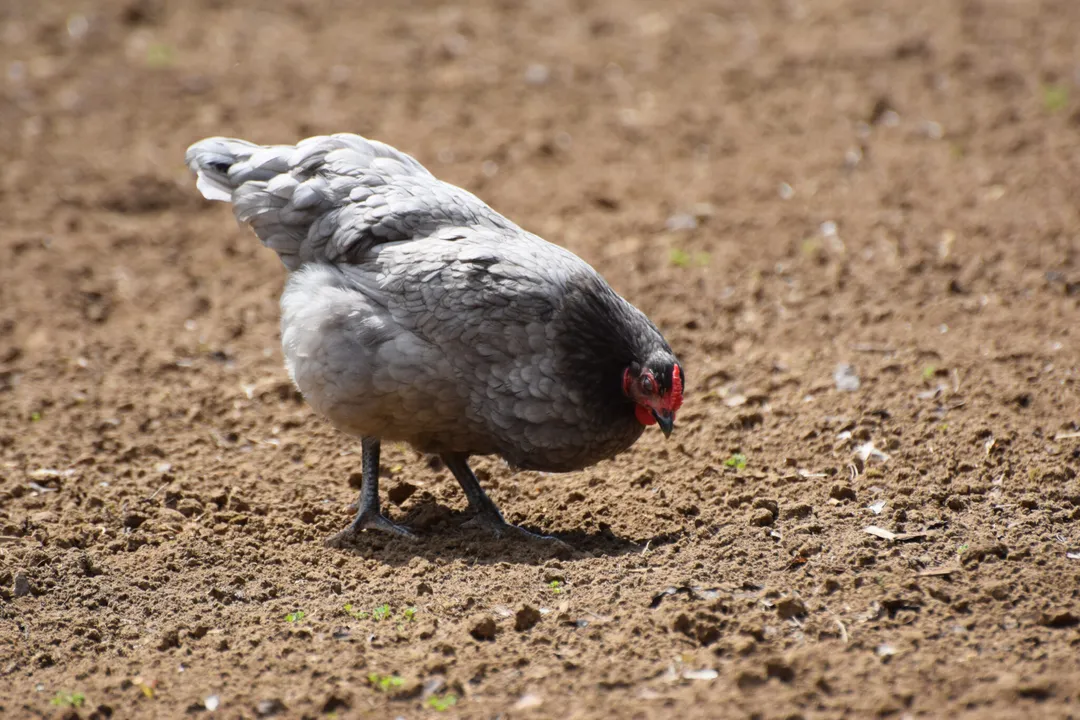
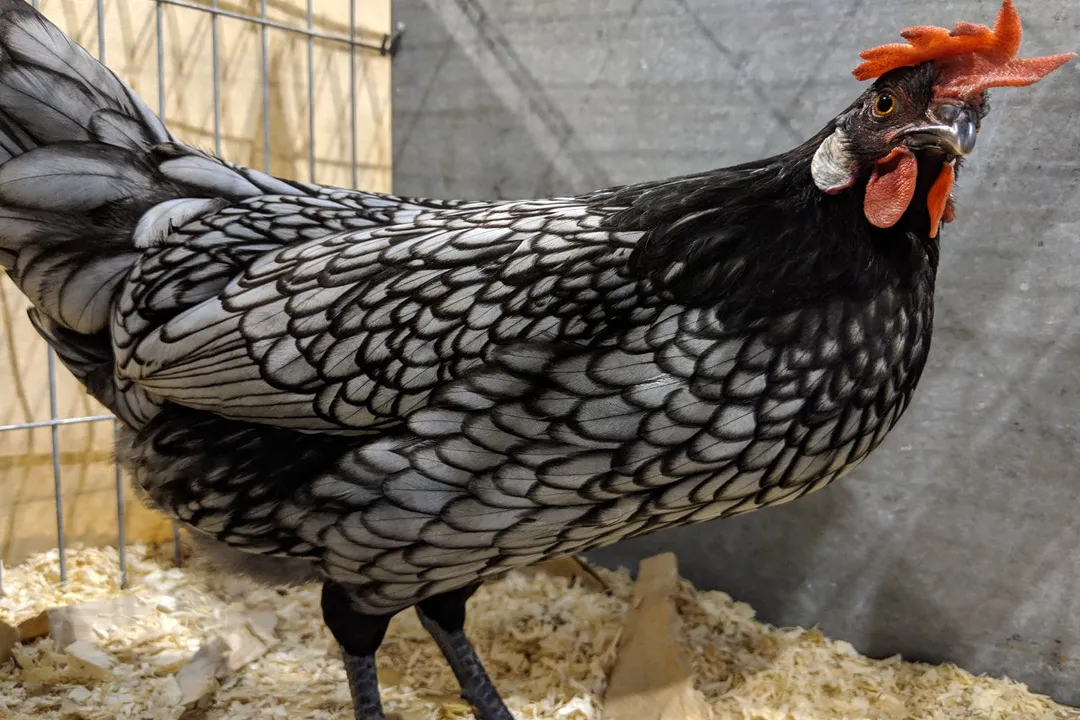
The Blue Andalusian, with its exquisite slate-blue-grey plumage and dark lacing, presents a breathtaking figure in any backyard flock. These elegant birds, belonging to the Mediterranean group, demand attention not just for their looks but also for their distinct lifestyle needs. When considering adding this rare breed to your homestead, the fundamental question revolves around square footage: Do Blue Andalusians require a significant amount of space? The consensus among those familiar with the breed strongly suggests they do, as their active nature is intrinsically tied to their well-being.
# Active Nature
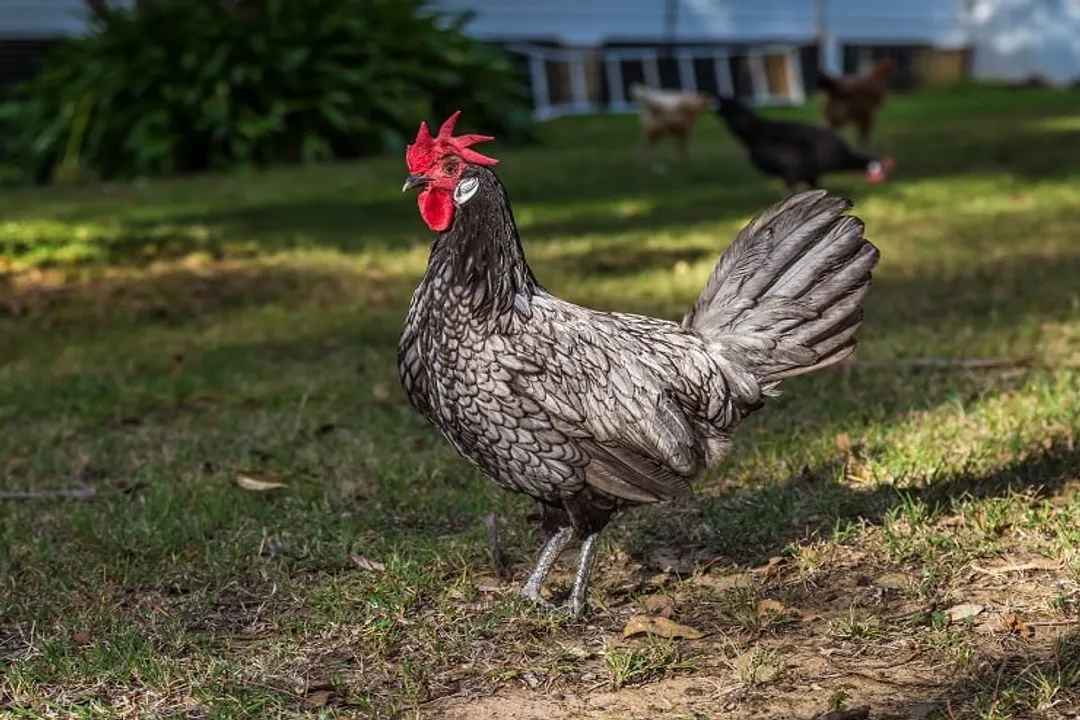
Andalusians are, by nature, highly active chickens. They possess an upright, athletic posture and a build that is long and slender, often compared to Leghorns but slightly heavier. This physical structure is perfectly suited for their preferred pastime: foraging. They are renowned for their foraging ability and are very good at roaming freely to hunt for food. As omnivores, they happily consume insects, larvae, worms, and even small prey like mice and lizards, supplementing their commercial feed needs with natural bounty. This energetic disposition means they are rarely content to stand still for long; expecting them to be docile pets that stay still for handling is often misplaced, though individual personalities do vary.
# Confined Consequences
The necessity for space becomes strikingly clear when observing how these birds react to being restricted. Andalusians do not adapt well to close confinement. When their natural desire to move, explore, and forage is thwarted by small quarters, distress manifests in several undesirable ways. Sources note that confined birds frequently resort to feather picking—sometimes picking at their own feathers, or worse, at the feathers of other birds in the enclosure. Furthermore, a lack of environmental stimulation can turn their inherent curiosity and energy into bullying behavior towards other flock members. If the flock is crowded, they may harass or fight others, even ripping out feathers. This behavior is less a sign of inherent aggression toward other breeds and more a consequence of pent-up energy, leading to elevated noise levels as well, making them less ideal for close suburban settings.
# Housing Requirements
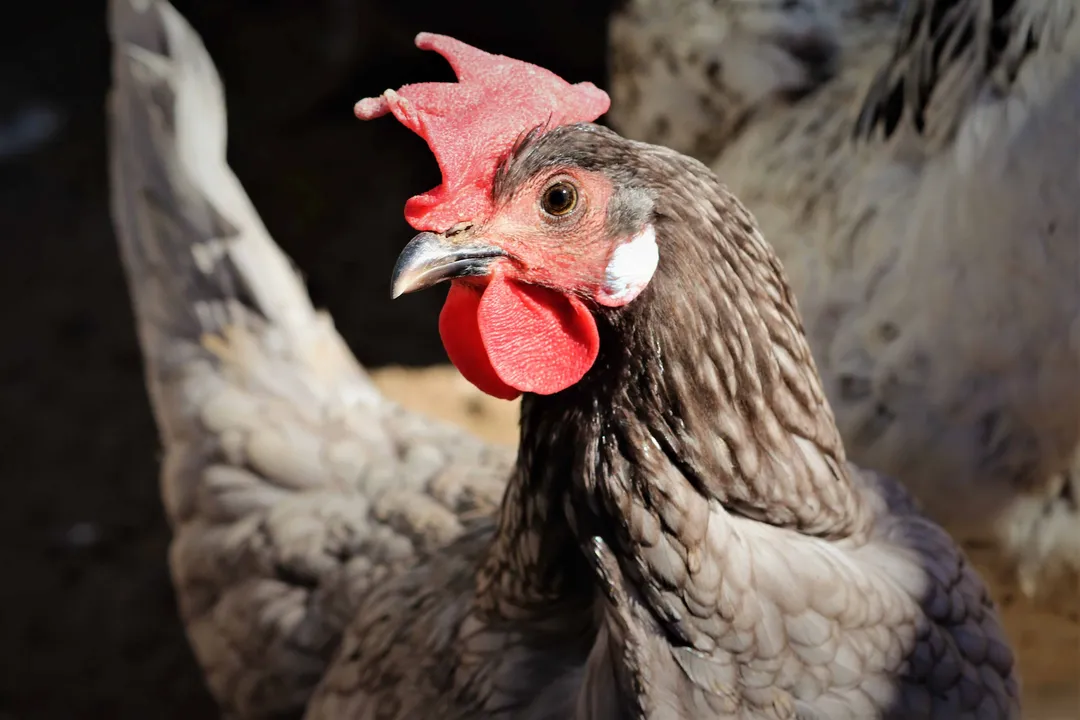
To accommodate this need for movement and prevent the negative behaviors associated with crowding, owners must prioritize expansive living areas. The ideal situation for a Blue Andalusian flock is a large, open area where they are permitted to free-range throughout the day. If free-ranging isn't feasible due to predators or local regulations, the enclosed run must be very large to mitigate boredom. Standard coop space guidelines designed for less active breeds often prove inadequate for Andalusians. When designing or assessing their run, consider that these birds are surprisingly capable flyers and runners, meaning standard fencing might not contain them if they decide to take to the air. A useful consideration for managing this breed is acknowledging their flight capability as both a risk and a benefit; while they might escape, their ability to fly well allows them to evade ground predators by taking to branches. Therefore, when setting up a secure run for a free-range alternative, incorporating vertical elements, such as tall perches or even a roofed upper level, can satisfy both their need for horizontal exploration and their instinct to roost high for safety against threats like hawks and owls. This dual approach to maximizing space—both ground and air—is essential for their contentment in a managed setting.
# Temperament and Independence
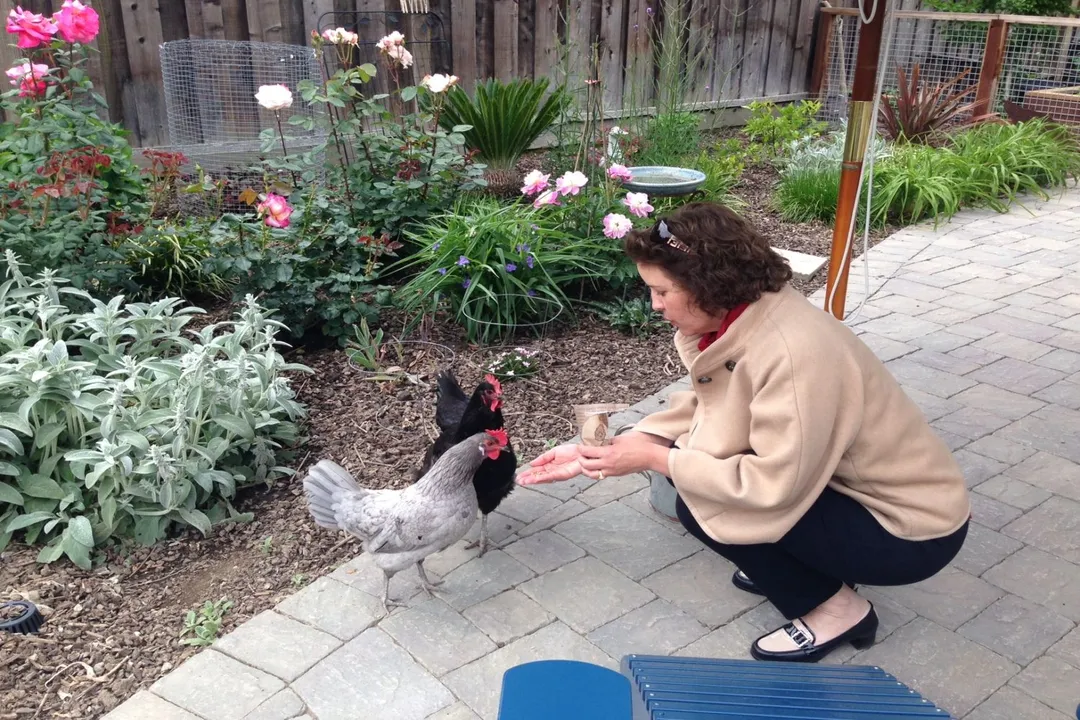
The Andalusian personality is often described as independent and curious, yet somewhat aloof compared to more traditionally docile breeds. While they may be friendly and curious enough to approach owners for treats, they generally do not enjoy being picked up or cuddled for extended periods. This independence reinforces the need for space; they prefer to interact with their environment and people on their own terms, rather than being constantly managed or confined. If you are seeking a bird that wants to be held like a lap pet, the Andalusian might be frustrating. However, their independent nature coupled with good predator awareness makes them excellent flock members when they have room to patrol and exercise their self-reliance. Roosters are noted for being particularly vocal, which is another factor owners in close proximity should remember when planning their flock size and space allocation. A key insight for managing this temperament is understanding that their desire for space is directly linked to their high intelligence and active physiology; an Andalusian needs activity and complexity in their environment, not just empty square footage, to feel mentally stimulated.
# Physical Traits and Genetics
The aesthetic appeal of the Blue Andalusian is undeniable, yet their appearance is intertwined with the genetic complexities that influence their breeding and maintenance. The American Poultry Association recognizes only the blue variety, characterized by clear bluish-slate feathers distinctly laced with dark blue or black. However, due to incomplete dominance, breeding two blue birds (genotype Bb) results in a statistical mix of offspring: 25% black (BB), 50% blue (Bb), and 25% splash (bb, nearly white). This genetic reality means that even if a keeper is aiming for a purely blue flock, they will invariably have other colors, which is an important consideration for exhibition purposes, as only the blue variety is shown in APA competitions. Physically, they are moderate layers, producing about 160 to 200 large, chalk-white eggs annually, and they are good producers even in winter months. They are typically not broody, meaning artificial incubation is often necessary for hatching chicks. The hens mature quickly, often starting to lay between five and six months of age.
# Hardiness and Climate Suitability
As a Mediterranean breed, the Andalusian generally handles warm temperatures well, aligning with their Spanish origins in Andalusia. They are considered hardy, but owners in very cold regions should take precautions. Their large single combs and wattles, features they share with other breeds but which are quite pronounced, are susceptible to frostbite when temperatures drop severely, sometimes requiring supplemental nighttime heat in northern climates. While they are described as being cold-hardy, their preference leans toward warmer environments. Their active nature and good foraging skills mean they convert feed efficiently, and some owners note they do not consume as much feed as heavier breeds when allowed to range.
Ultimately, answering whether Blue Andalusians need a lot of space comes down to respecting their genetic blueprint as active, intelligent, and independent foragers descended from an environment that offered plenty of room to roam. A keeper committed to the breed's well-being understands that providing a very spacious run or reliable access to free-range areas is not a luxury, but a baseline requirement to prevent stress-induced behaviors like feather picking and bullying. For those who can offer this necessary room to move and explore, the Andalusian repays the investment with beautiful plumage, dependable egg production, and lively entertainment.
Related Questions
#Citations
The Andalusian Chicken Breed - Rooted In Love Rescue
Blue Andalusian Bird Facts - A-Z Animals
Andalusian Chicken - The Livestock Conservancy
Chicken Breed Focus - Blue Andalusian
Coffee With the Chicken Ladies Breed Spotlight: Andalusian
Breed Spotlight: Blue Andalusian - Meyer Hatchery Blog
Andalusian Chicken: All You Need To Know About This Blue Hen
Andalusian Chicken: Interesting Facts About This Blue Breed