Are blue Andalusians rare?
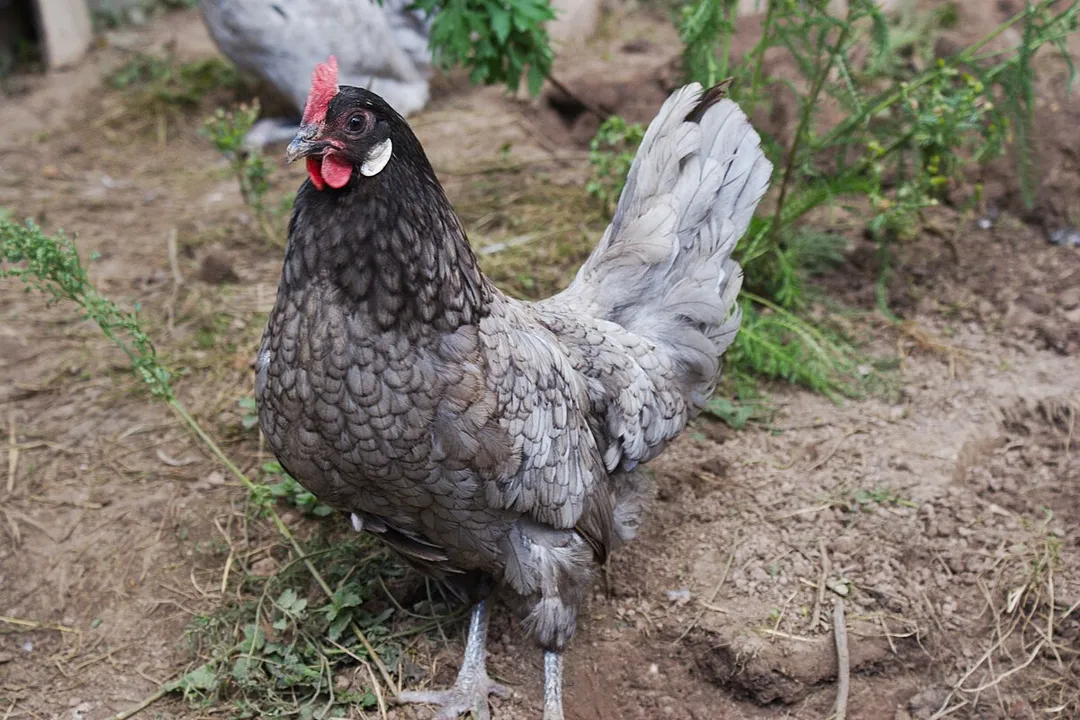
The sight of a Blue Andalusian chicken is often enough to stop an observer in their tracks. Dressed in a slate-blue plumage that seems almost airbrushed onto their frame, these birds stand out distinctly from the typical farmyard collection. With their white earlobes contrasting sharply against the deep blue feathers and their bright red combs, they possess an elegance that speaks to a long history in the poultry world. This striking appearance naturally leads many enthusiasts, both new and seasoned, to ask about their availability: Are Blue Andalusians actually rare? The answer is complex, involving genetics, breed standards, and conservation priorities.
# Conservation Status
When examining the population numbers of purebred chickens, conservation organizations provide a critical metric for assessing rarity. In the United States, the Livestock Conservancy lists the Andalusian breed under the Watch category. This classification signifies that the breed has a known population in North America but numbers are low enough to warrant concern for its long-term survival. Across the Atlantic, the situation appears even more critical for their native counterpart; the Rare Breeds Survival Trust (RBST) in the UK categorizes the Blue Andalusian as Rare. This designation implies that there are fewer breeding females and males in the recorded flocks, suggesting that sourcing breeding stock or hatching eggs can be a significant challenge for those looking to establish or bolster a flock. The reality of seeking out this specific variety is often reflected in online forums where enthusiasts actively post requests for chicks, highlighting a clear supply-demand imbalance.
# The Color Dilemma
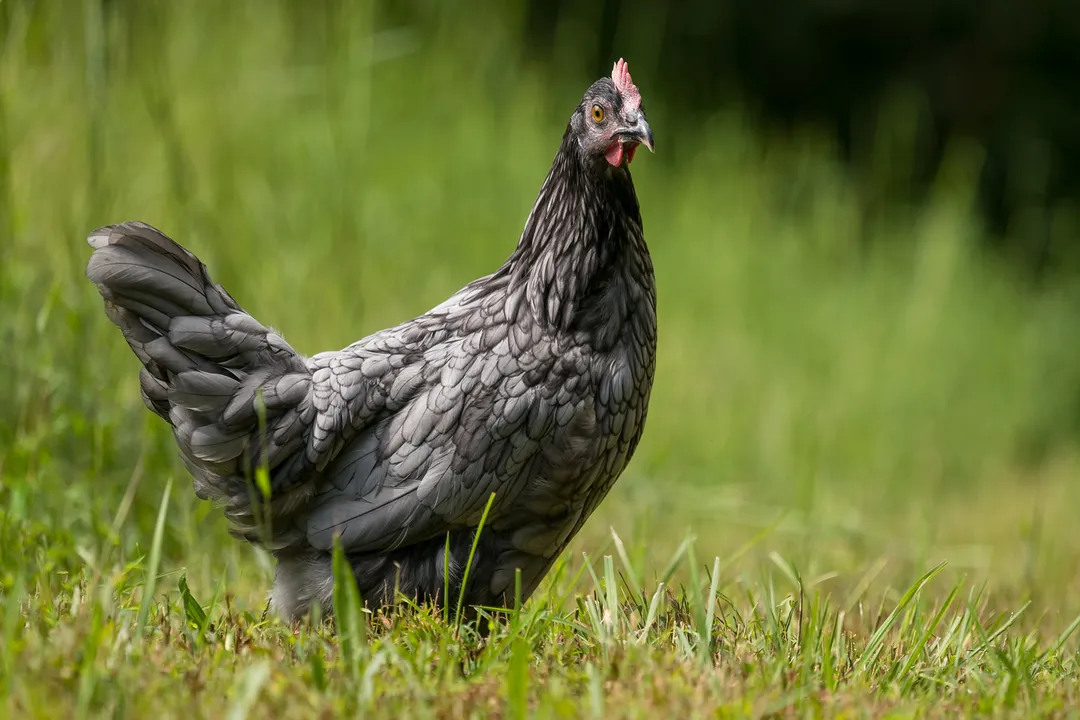
The very thing that makes the Blue Andalusian so beautiful—its color—is intrinsically linked to its scarcity and the challenges faced by dedicated breeders. Unlike some solidly colored breeds where a pair reliably produces offspring of the same color, the Blue Andalusian does not breed true. This phenomenon stems from complex genetics where the blue coloring is a dilution of the black gene. When two pure blue Andalusians are mated, the offspring will not all be blue. The expected ratio is often around 50% blue chicks, 25% black chicks, and 25% "splash" chicks (birds with white feathers where the blue pigment failed to fully develop).
This means that maintaining a flock that appears entirely blue requires the constant introduction of black and splash birds into the breeding program to ensure the next generation yields a desirable percentage of blue progeny. For a novice breeder, this can be confusing and potentially disheartening when half their hatch doesn't match the recognized standard. However, for the dedicated preservationist, this genetic requirement necessitates a higher level of management and foresight. This inherent genetic hurdle inherently limits the number of breeders willing or able to manage the necessary three-color flock, directly impacting the overall availability of the blue variety in the commercial hatcheries.
# Breed Profile
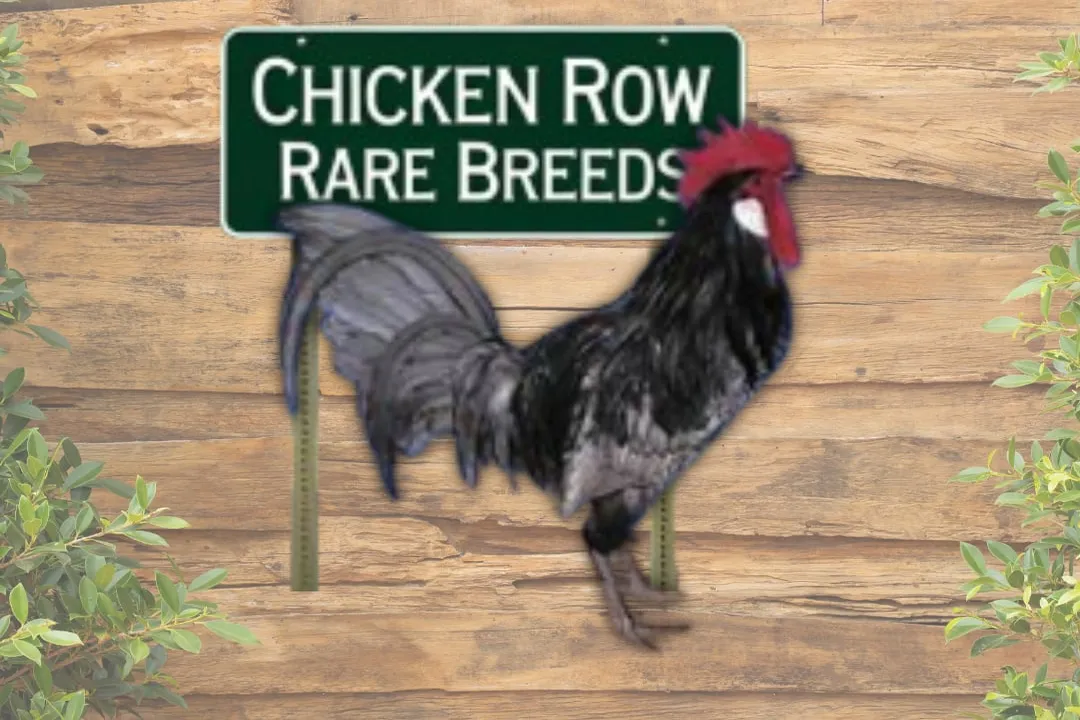
Beyond their color, the Blue Andalusian possesses distinct characteristics that influence their suitability for different types of keepers. They are classified as a medium-sized, non-broiler breed originating from Andalusia, Spain, although they were further developed and standardized in England and Germany.
# Appearance and Type
The standard presentation of the Blue Andalusian emphasizes elegance and refinement. They have clean legs (free from feathers) and stand tall. A hallmark of the breed is the presence of white earlobes. This white patch is particularly noticeable against the deep blue body feathers and bright red wattles and comb. The coloration itself should be a uniform, solid blue slate across the entire bird, though the intensity of the blue can vary slightly, with roosters often exhibiting a richer, darker shade than hens.
# Temperament and Production
Andalusians are generally described as active, alert, and somewhat reserved birds. While they can become accustomed to human presence and tame down, especially if handled frequently from a young age, they are not typically regarded as lap chickens. They possess a nervous energy that makes them excellent foragers, often preferring to range freely rather than be confined to a small pen.
In terms of production, hens are considered moderate layers, producing medium-sized white eggs. They are not primarily kept for meat or high egg output, which reinforces their status as an ornamental or exhibition breed. Their tendency towards flightiness means that secure, taller fencing might be necessary if free-ranging is not an option, as they are capable fliers.
# Acquisition Challenges
The perceived rarity of the Blue Andalusian is often confirmed when trying to purchase them. While they might be listed by certain hatcheries, the availability is often seasonal and in smaller quantities compared to popular dual-purpose breeds. The difficulty is twofold: the limited number of breeders dedicated to the breed (due to the genetic complexity mentioned earlier) and the relatively small scale at which those breeders operate.
A potential keeper looking for a mature breeding trio, or even a dozen hatching eggs, may find themselves on waiting lists that stretch across seasons. This is particularly true when seeking birds that conform perfectly to the established show standard. Even when available from reputable sources, the price point for quality stock can reflect this scarcity and the specialized care required to produce them. If one decides to pursue this breed, securing a relationship with a dedicated breeder early in the year is far more effective than waiting until the height of the hatching season when supplies are already depleted. Furthermore, given their heritage, a keeper in a very cold climate must ensure their birds are protected, as their single combs make them slightly more susceptible to frostbite compared to breeds developed for harsher northern winters, a practical consideration that can further limit where they are successfully kept and bred.
The pursuit of the Blue Andalusian is therefore an exercise in patience and dedication. They are not a breed you typically find advertised widely, making them rare in the sense that they are not ubiquitous. For those seeking a less common splash of color and elegance in their flock, the effort to locate a quality bird is part of the breed’s appeal, confirming their special status among poultry fanciers.
Related Questions
#Citations
Coffee With the Chicken Ladies Breed Spotlight: Andalusian
Blue Andalusian chickens: Beautiful birds for a big backyard
Blue Andalusian chicks wanted - Learn How to Raise Chickens
Andalusians - Dare 2 Dream Farms
Introduction to Blue Andalusian Chicken Breed - Facebook
Andalusian Chicken - The Livestock Conservancy
Andalusian | Rare Breeds Survival Trust
Blue Andalusian | Chicken Row Rare Breeds
Blue Andalusian - Wikipedia