What is the group name for pufferfish?
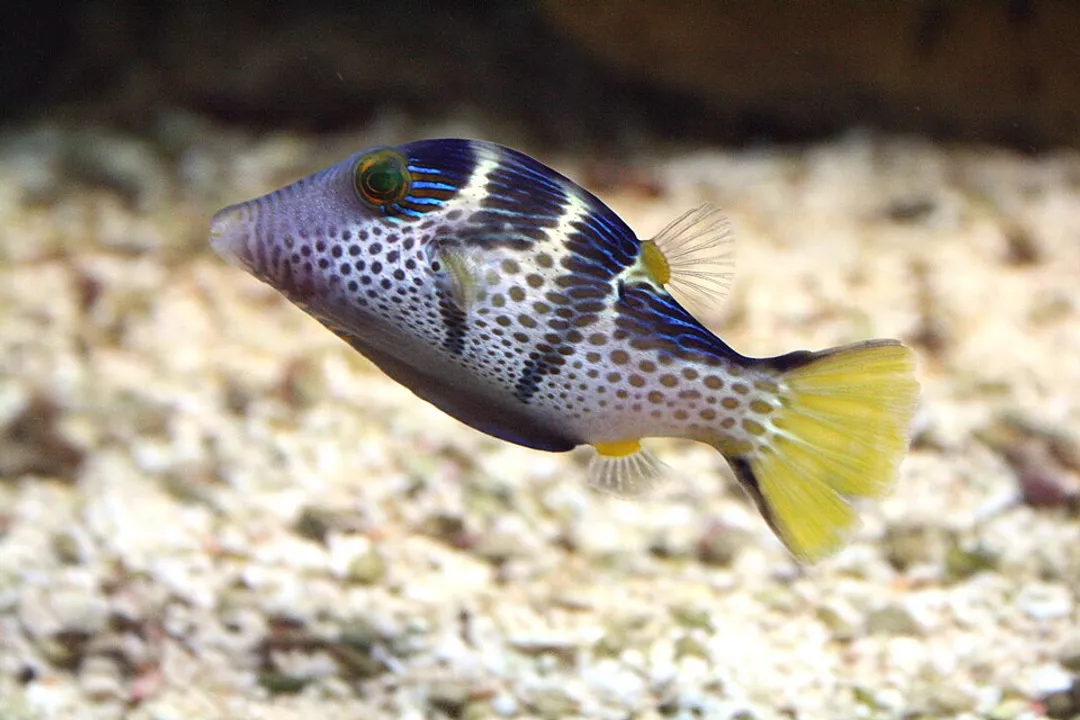
When people refer to the group that includes the familiar, inflating marine creatures, the most immediate label they use is simply pufferfish. [5][8] However, the world of ichthyology requires a more precise designation for this fascinating collection of species. The recognized scientific grouping for these fish is the family Tetraodontidae. [1][4][5][7][8] This family represents a distinct lineage within the ocean's biodiversity, even though the common names applied to them vary widely depending on the region or who is observing them. [5]
# Scientific Grouping
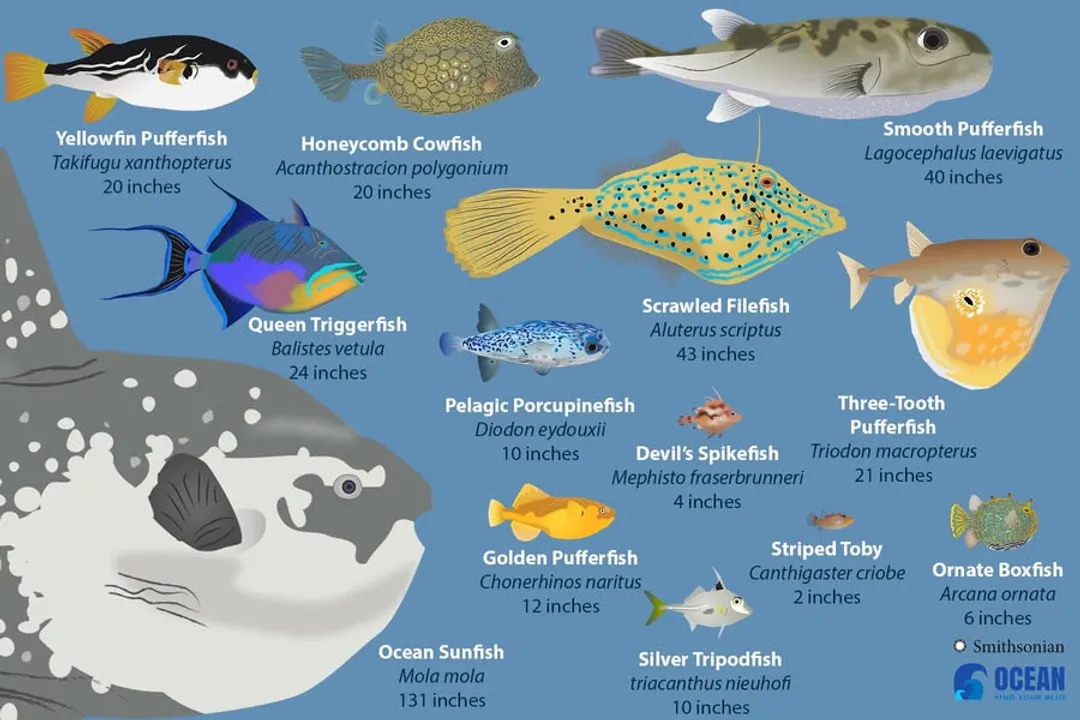
The definitive scientific group name for pufferfish is the family Tetraodontidae. [1][4][7] This classification places them within a larger framework of related fishes. Specifically, the family Tetraodontidae belongs to the order Tetraodontiformes. [1][3] This order is quite diverse, encompassing several other well-known, often spiny or heavily armored fish, such as the boxfish and the triggerfish, though the pufferfish family itself is distinct. [1][3]
The suffix “-idae” is the standard taxonomic indicator used in binomial nomenclature to denote a family in zoology, making the label Tetraodontidae universally understood by researchers regardless of spoken language. [1]
# Naming Variations
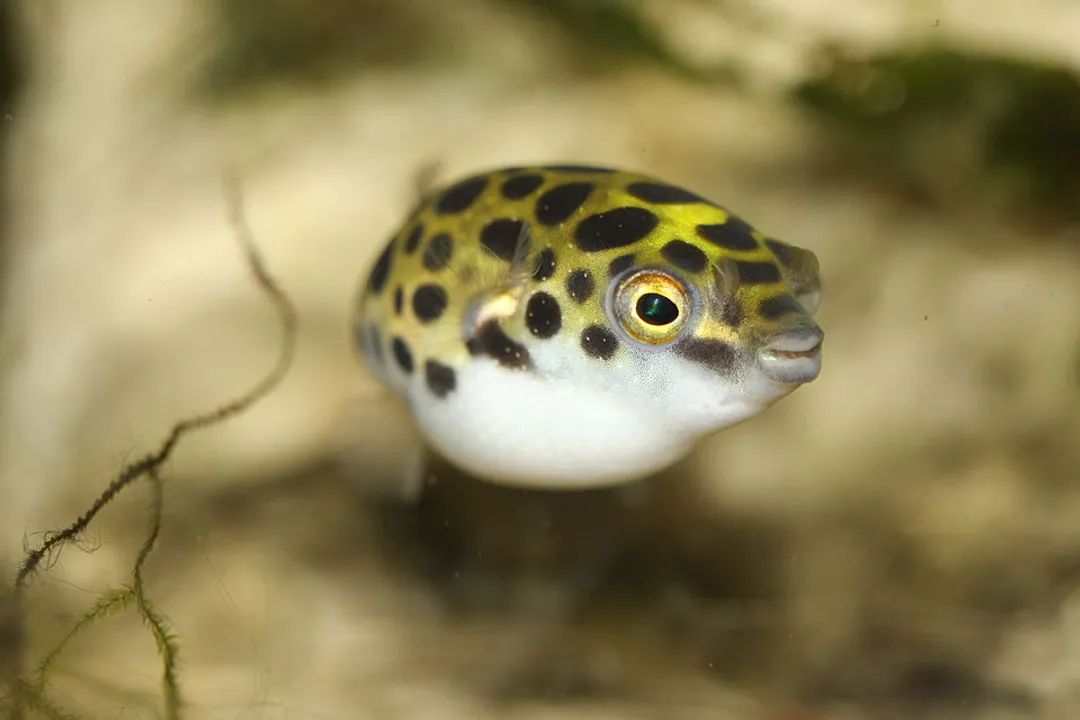
While Tetraodontidae is the formal family designation, the general public relies on descriptive common names, which can sometimes cause confusion if one is trying to identify the precise family. [5] Several common monikers are used interchangeably for members of this family:
It is interesting to observe the prevalence of names relating to shape—globe, balloon, and bubble. This naming trend highlights that the most memorable and defining characteristic of these fish, their capacity to rapidly ingest water (or air, if taken out of water) to inflate into a near-spherical shape for defense, heavily influences how they are referred to conversationally. [2][6] When discussing the entire biological grouping, pufferfish remains the most broadly accepted general term, but acknowledging the other names is key to understanding regional or historical context. [1][5]
# Relatives and Context
Understanding the group name Tetraodontidae gains depth when considering its neighbors within the broader order, Tetraodontiformes. [1][3] The Seattle Aquarium, for instance, often groups the topic to include porcupinefish alongside pufferfish. [9] Although they share the ability to inflate, porcupinefish belong to a different family, Diodontidae, which is also within the order Tetraodontiformes. [9]
This proximity in the classification system suggests a shared evolutionary history, likely explaining why both groups possess the puffing mechanism and often possess beak-like dental structures—the name Tetraodontidae itself literally refers to having four teeth (two upper and two lower fused plates). [1] Comparing the Tetraodontidae family to its close relatives within the same order reveals a pattern of evolutionary adaptation centered around heavy armor and specialized feeding structures. While pufferfish have highly fused teeth forming a "beak," many of their relatives in the order Tetraodontiformes utilize slightly different degrees of fusion or plate structure, illustrating a fine line of differentiation at the family level. [1]
If one were to create a simple hierarchy chart based on the provided common knowledge, it might look something like this, emphasizing where the core group sits:
| Level | Group Name | Notes |
|---|---|---|
| Order | Tetraodontiformes | Broad group including puffers and relatives [1][3] |
| Family | Tetraodontidae | The official pufferfish group [1][4] |
| Common | Pufferfish, Blowfish | General descriptive names [5] |
This distinction between the order and the family is important; while all pufferfish are in the order Tetraodontiformes, not all fish in that order are pufferfish. [3]
# Behavioral Group Traits
The characteristics that bind the Tetraodontidae family together go beyond just their taxonomic structure; they share a suite of physical and behavioral traits that define them as a recognizable unit. [8] Beyond the inflation defense, a key element shared across many species in the group is their structure for eating. They generally possess powerful, beak-like mouths used for crushing hard-shelled invertebrates like mollusks and crustaceans that live on the seabed. [1]
The ability to inflate is a survival mechanism developed to deter predators. When threatened, they rapidly expand, often becoming too large or prickly for a predator to swallow. [2][6] This defense is highly effective and immediately recognizable, which, as noted before, directly influences the common names applied to the entire group. [5]
One analytical observation regarding this group is how specialized their survival strategy is. Unlike schooling fish that rely on numbers or fast swimmers that rely on speed, the Tetraodontidae family relies on an active, visual deterrent coupled with an internal chemical one (though the chemical nature isn't detailed in the sources, the need for defense is paramount). This specialization suggests that, over evolutionary time, their niche involved dealing with predators that are better equipped for speed or camouflage, requiring a last-resort, almost theatrical defense mechanism. [6]

# Diversity within the Family
While the defining characteristic of the family Tetraodontidae is consistent—the four-toothed structure—the diversity within this single family is substantial, spanning numerous genera and species worldwide. [1][4] They inhabit tropical and subtropical waters globally, though some species can be found in temperate zones as well. [8] This wide geographical spread means that what a fisherman in the Indo-Pacific calls a globefish might be taxonomically identical to what a resident near the Gulf Stream calls a puffer. [5] This geographical variance often contributes to the proliferation of common names rather than relying solely on the family name Tetraodontidae for daily identification. [1]
To maintain a high standard of biological identification, it is helpful to remember that while the common terminology for the group is diffuse, the scientific term for the family remains singular: Tetraodontidae. [4][7] If you encounter a fish that inflates, your safest bet for immediate identification in a scientific context is to check if it belongs to that specific family, differentiating it from its inflated cousins, the porcupinefish, which reside in Diodontidae. [9]
Related Questions
#Citations
Tetraodontidae - Wikipedia
What are the puffer fish called and what do they do in the game?
Pufferfishes and Their Relatives | Smithsonian Ocean
Pufferfishes (Family Tetraodontidae) - iNaturalist
Pufferfish Fish Facts - Tetraodontidae - A-Z Animals
List of Pufferfish - Fish - Fishipedia
Pufferfish - Types, Habitat, Diet, Predators, & Lifespan
Pufferfish and porcupinefish - Seattle Aquarium