What is the rarest Bloodhound color?
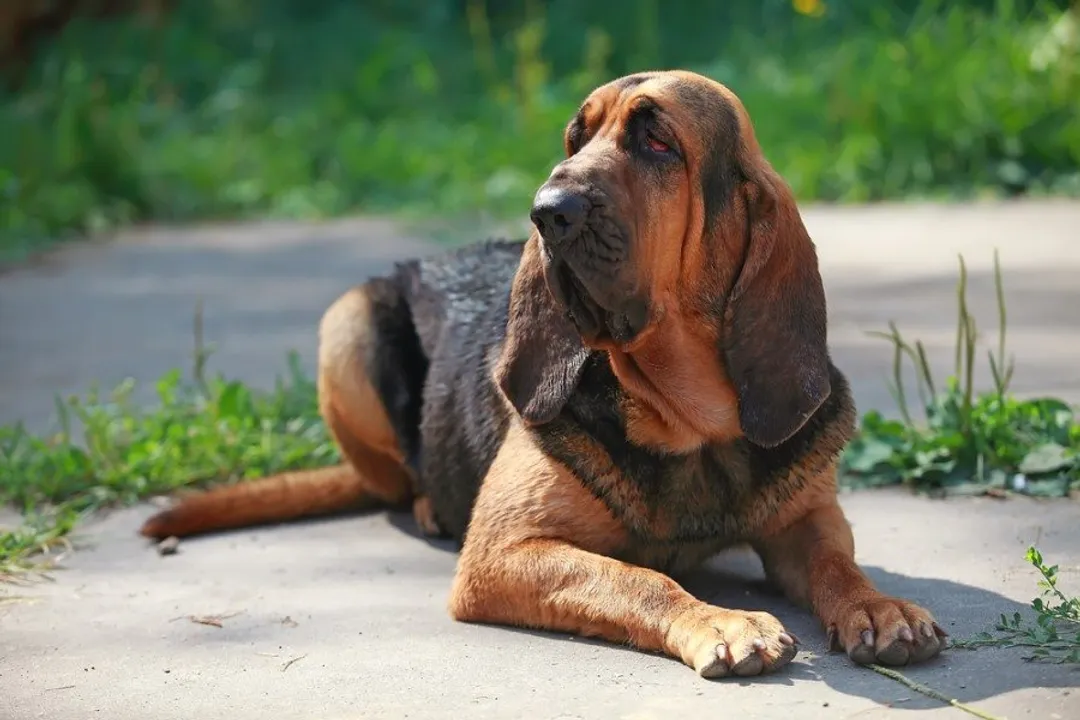
The visual impression of a Bloodhound is instantly recognizable: the long, pendulous ears, the deeply furrowed brow, and that soulful, often melancholic expression that hints at the world’s most sophisticated nose hidden beneath. While the breed is universally famed for its unparalleled ability to discern human scent across vast distances and time, their appearance, particularly their coat coloring, presents a fascinating secondary subject for enthusiasts. Most people picture the classic tri-color hound, yet the spectrum of acceptable coats is surprisingly nuanced, defined by specific genetic markers and the preferences of breed standards across different regions. This leads directly to the question of which variation is the most elusive—the rarest color in this noble lineage.
# Standard Colors
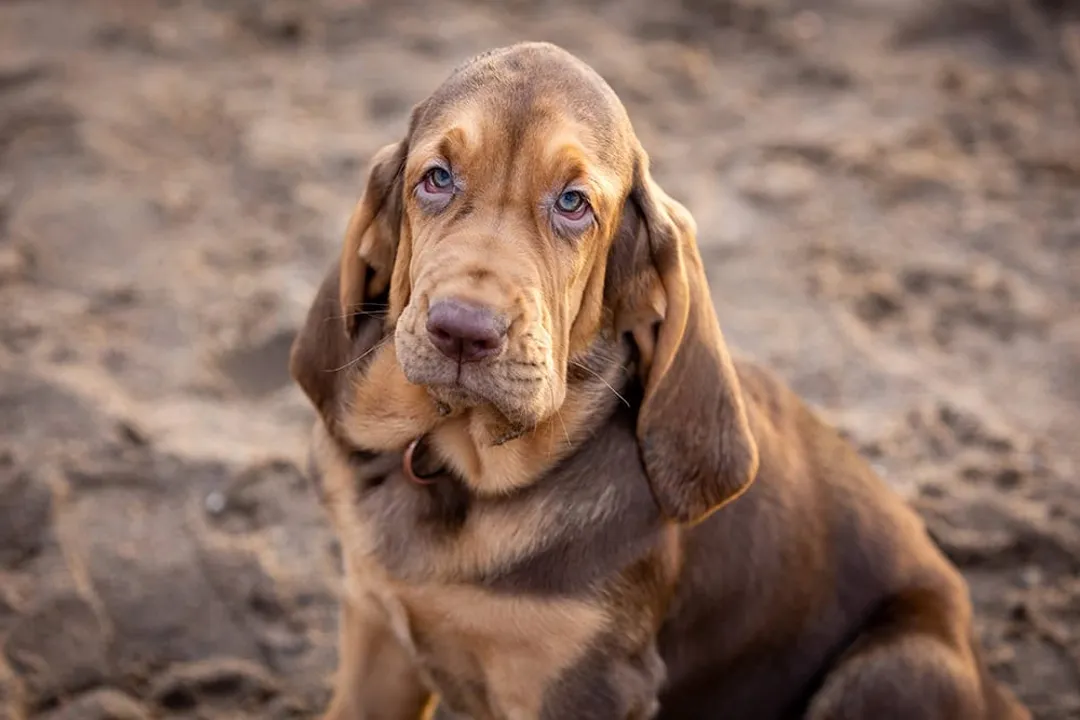
For those looking at official breed standards, such as those maintained by the American Kennel Club (AKC) or the Fédération Cynologique Internationale (FCI), the palette for the Bloodhound is generally restricted to three main acceptable color types. These form the bedrock of the breed’s visual identity and are the result of predictable genetic interactions.
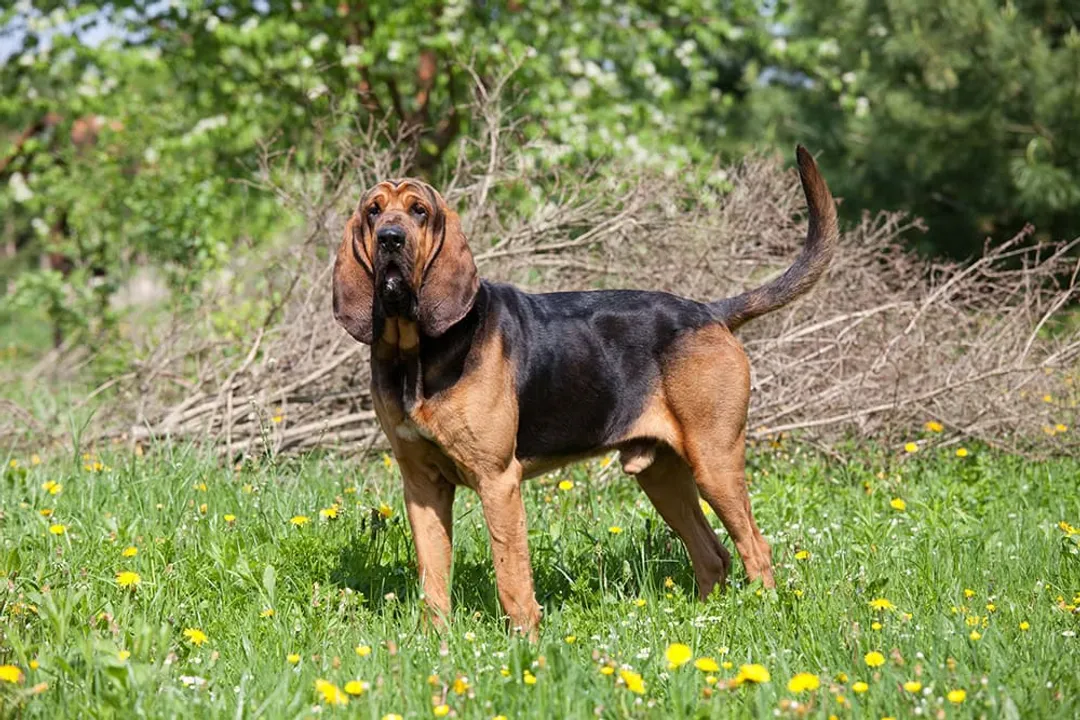
The most common and iconic is the Black and Tan. This variation typically features a predominantly black body, often described as a "saddle" or "mantle" pattern, set against rich tan markings. These tan points appear where you’d expect them: above the eyes—giving them those distinctive "eyebrows"—on the cheeks, chest, lower legs, and around the anal region. The deep black provides a strong contrast that highlights the dog's structure and expression.
Next is the Liver and Tan. This color closely mirrors the pattern of the Black and Tan, but the eumelanin (black) pigment is diluted by a recessive gene, turning the primary coat color into a rich, warm, reddish-brown hue known as liver. The tan markings remain positioned the same way, creating a softer, warmer overall appearance compared to the stark contrast of the Black and Tan.
The third primary color, which often comes up in discussions of rarity, is simply Red, sometimes referred to as Tawny. Unlike the other two, Red Bloodhounds are described as unicolour or solid, meaning they lack the distinct black or liver saddle pattern, though minor white markings are tolerated. The intensity of the red can vary significantly, ranging from a lighter shade to a deep, rich mahogany.
# Rarest Standard Hue
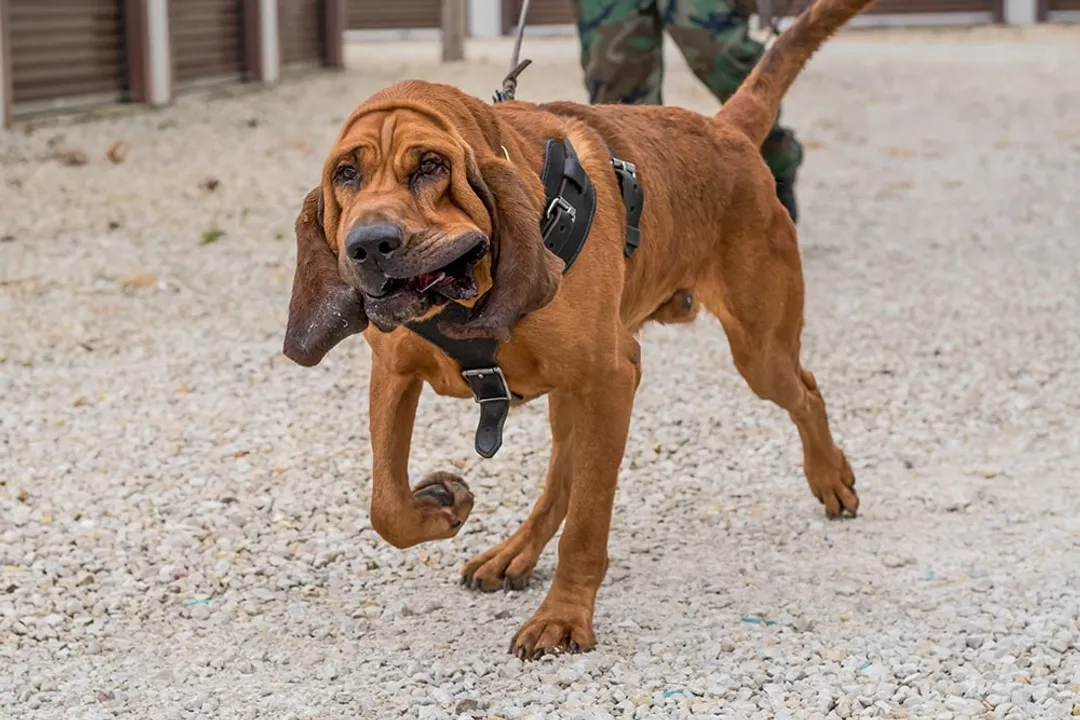
When limiting the scope to these three genetically accepted and standard-approved primary color groupings, the Red Bloodhound is frequently cited as the rarest variation encountered in the general population of show dogs. While Liver and Tan hounds are less common than the ubiquitous Black and Tan, the solid Red stands out for its distinct lack of the contrasting tan points.
However, the story of the Red Bloodhound’s rarity is counterintuitive when considering its genetics. Based on detailed breakdowns of the A locus genes influencing pattern, the allele responsible for the non-saddle marked "red" hound, denoted as Ay, is considered dominant over the genes that produce the saddle patterns (As and At). This dominance suggests that, purely genetically speaking, Red puppies should be easier to produce than their bi-colored counterparts, provided the right recessive genes are managed correctly in the breeding pair.
This practical rarity is an interesting observation. Despite genetic dominance, breeders actively showing and competing their hounds have sometimes allowed the Red lines to become endangered simply by choosing not to breed for them in a given generation. Anecdotal evidence from the UK suggests that Red hounds were once nearly wiped out during World War II and required importation to be restored to the gene pool. Therefore, while genetics might favor the color, the deliberate choices and preferences within the conformation world can push a genetically dominant color toward endangerment, making the solid Red the rarest standard color you are likely to seek out among puppies from established kennels.
# Recessive Patterns Rarity
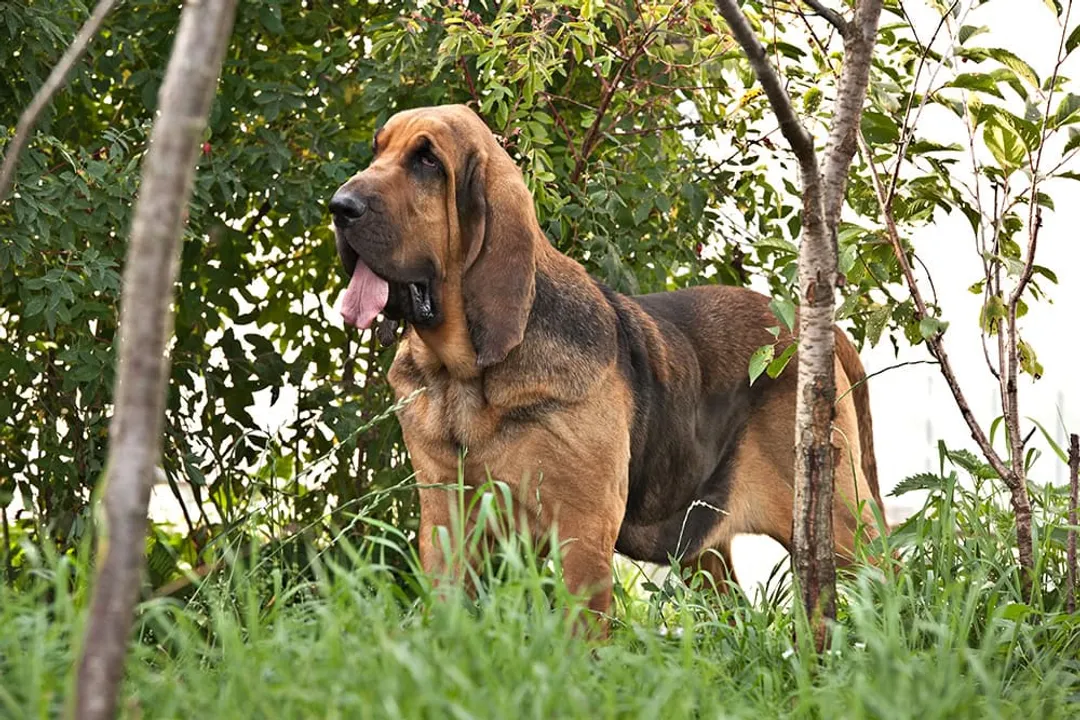
To delve deeper into true scarcity, one must look beyond the general color categories and examine the specific patterns described within the Black and Tan and Liver and Tan types. This is where the concept of the Full Coat (or "blanket" type) becomes relevant, and many breeders suggest this pattern is rarer than the solid Red color itself.
The full-coat type occurs when the dark pigment (black or liver) covers nearly the entire body, leaving tan markings only on the extremities, such as eyebrows, lips, and legs—resembling a Doberman's markings. Genetically, this pattern is often associated with the recessive allele At. Because it is recessive, both parents must carry the gene for a full-coat puppy to be produced, which naturally decreases the frequency of their appearance in a litter unless breeders are specifically pairing carriers. In one observational study of show entries, the full-coat black type accounted for only about 3.3% of the population sampled, a figure lower than the estimated 5% for solid Red hounds at that time. The necessity of inheriting a recessive gene for this pattern means that the Full Coat Black and Tan or Liver and Tan is arguably rarer in practical breeding than the dominant-gene Red color.
# Unconventional Appearances
Beyond the three main standards and the recessive full coat, other variations occasionally appear or are known but generally fall outside the preferred breed standard or suggest outcrossing.
One pattern mentioned as exceptionally rare is Brindle, characterized by streaks of dark color over a lighter base, often black stripes over a red or tawny background. While visually striking, Brindle is not standard for the breed, and its presence, along with other unique patterns like Bicolor (distinct patches without a standard saddle), is often viewed by registries as a deviation.
The discussion around Solid Black Bloodhounds further illustrates the strictness of standards. Despite their imposing look, the AKC does not recognize solid black; if encountered, it is usually suspected to be the result of a recent mix with another breed. This highlights a key separation: colors recognized as standard variations versus those that fall outside the documented genetic history of the breed as accepted by major clubs.
This distinction between officially recognized, though rare, and unrecognized variations is important for prospective owners to understand. A breeder marketing a Solid Black or Brindle puppy as "rare" is often catering to a desire for uniqueness rather than adherence to the established breed ideal, which prioritizes function over novelty coat colors.

# Color and the Breeding Philosophy
The dedication to maintaining the Bloodhound’s legendary tracking ability over cosmetic traits has a clear impact on how color is valued. In the world of serious Bloodhound breeding, color remains secondary to structure, temperament, and, most importantly, scenting ability. As one breeder noted in a discussion about establishing tracking simulation statistics, a saddled Black and Tan will generally finish its championship before a Red hound if all other factors are equal, suggesting a historical or current preference within the show ring, even if the Red color is genetically dominant.
It is fascinating to observe the tension between genetic probability and real-world application in this breed. While the Red coloration is genetically dominant, statistics from rescue populations—dogs that may not have originated from show lines—have sometimes shown Red hounds making up 80% or more of the dogs seen, suggesting that if left purely to genetic chance without selective breeding against it, the Red hue could indeed become the most prevalent. Conversely, in the context of show conformation, where dogs are bred for specific aesthetic traits that align with the standard, the dominant Red can be marginalized, and the recessive Full Coat pattern becomes the genuinely rare occurrence in the ring. This suggests that rarity in Bloodhounds is less about a single "color code" and more about the interaction of genes and the selective breeding pressures of the community that propagates them.
# Genetic Basis of Variation
Understanding why some colors are common and others are rare requires a glance at the genetics, which, even for experienced breeders, can be complex. The primary differentiation between Black and Tan versus Liver and Tan is governed by the B locus: inheriting the dominant B allele results in black pigment, while inheriting the recessive bb results in liver pigment.
The pattern variations—the difference between Red, Saddle, and Full Coat—are more intricately controlled, likely involving the agouti gene locus. Modern genetic study suggests three main alleles: Ay (non-saddle/Red), As (saddle marking), and At (blanket/full-coat). Since Ay is dominant, it masks the others, explaining why Red hounds can appear even when both parents are technically bi-colored, provided they carry the Ay recessive gene. The At allele, producing the full coat, is the most recessive, making it the hardest to manifest consistently. A breeder aiming to produce these recessive full coats must carefully track lineage to ensure both parents contribute the At gene, highlighting the work required to maintain these less common looks.

# Maintaining Integrity
For any enthusiast or potential owner, the quest for the rarest color must be tempered with an understanding of breed integrity. Responsible breeders prioritize the functional characteristics that make the Bloodhound an effective tracking dog—their nose, drive, and temperament—over producing a litter based solely on an unusual coat.
When a breeder focuses intensely on producing a highly recessive color, like the full-coat pattern, or an often-avoided standard like Red, they must remain diligent that the health testing and conformation standards essential to the breed are not compromised for the sake of aesthetics. If a breeder is producing puppies in non-standard colors like pure white or solid black, it often signals that health screening and adherence to breed standards may be secondary concerns, potentially leading to puppies with inherited health issues. Therefore, while the rarest color might be visually appealing, the healthiest and most true-to-type Bloodhound will come from a lineage where color is merely a secondary aesthetic trait to function. The true distinction of the breed lies in its inherited ability to follow a scent, a talent that shines equally brightly whether the coat is black and tan, liver and tan, or the elusive, recessive-linked full coat.
Related Questions
#Citations
Bloodhound Colours
Bloodhound Colors: 7 Stunning Variations with Pictures
Bloodhound - Wikipedia
3 Beautiful Bloodhound Colors (With Pictures) - Dogster
Showdog.com · Forum · Bloodhound · Colors
4 Amazing Bloodhound Colors Plus Coat Care Tips (With Pictures)