What were bloodhounds originally bred for?
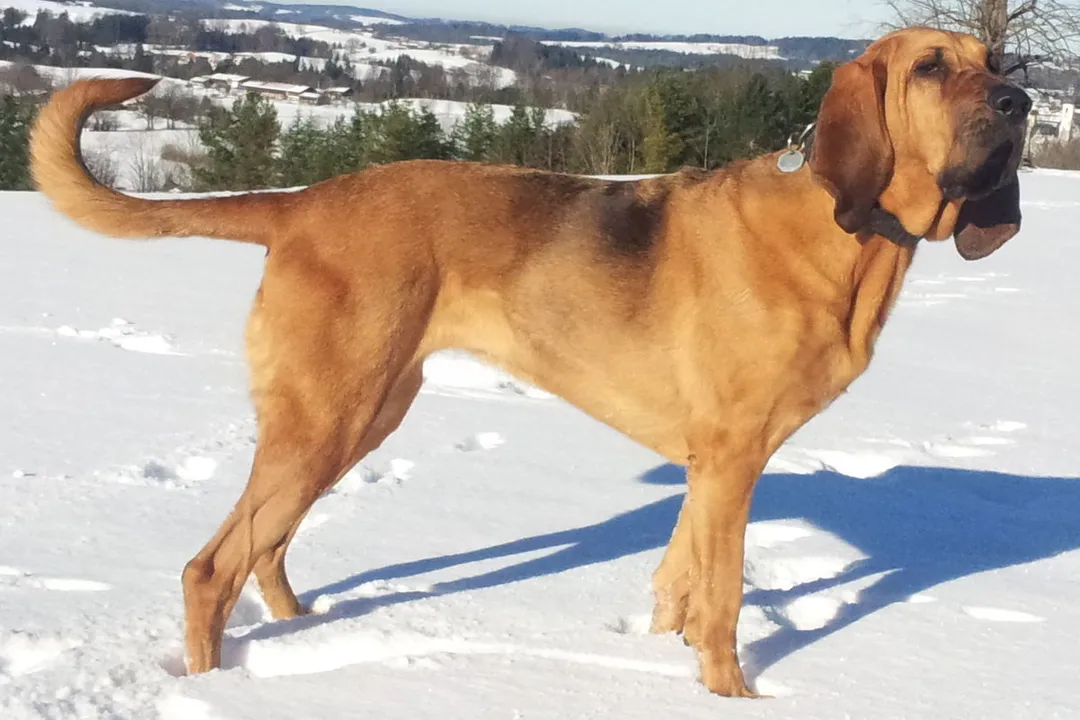
The dog we know today as the Bloodhound possesses a scenting ability so profound it borders on the legendary, but its genesis lies deep within European monastic history, not in a modern police department or military setting. To understand what these massive hounds were originally bred for, we must look back over a thousand years to the quiet, disciplined environment of religious orders dedicated to the purity of their stock and the necessities of survival in the dense forests of the continent. [1][5] Their primary, foundational purpose was not finding missing persons, but hunting significant game with unwavering tenacity. [1][5]
# Origins Monks
The lineage of the Bloodhound is closely tied to the Benedictine Abbey of St. Hubert, located in the Ardennes region, which straddles modern-day Belgium and France. [1][5] It is generally accepted that these exceptional scent hounds were developed and maintained by the monks residing there. [5] These early ancestors were developed in the 7th or 8th century. [5] The isolation and dedicated focus provided by the monastic life likely played a major role in preserving the distinct characteristics of this line. [5] The monks were meticulous about keeping records of their breeding lines, ensuring that only the dogs with the most superior tracking instincts were passed down through generations. [1] This dedication suggests that while their work had a practical application, there was also an element of preserving a pure, superior working animal, perhaps viewed as a stewardship over a divine gift of scent. [2]
This long-term, dedicated breeding program is what sets the early Bloodhound apart from many other contemporary hunting dogs. While many secular hunters might have crossbred dogs for immediate advantages in speed or strength, the monks maintained a consistent standard focused squarely on olfaction. [1] It is interesting to consider that the physical characteristics we admire today—the heavy wrinkles, the long ears, the loose skin—were likely selected not just for aesthetic appeal, but because they physically assisted in trapping scent particles near the nose as the dog tracked low to the ground. [6][7] The loose facial skin, for example, creates folds that can potentially funnel scent toward the nostrils, while the long ears may sweep scent from the ground up toward the nose as the dog moves. [6]
# Original Task
The earliest documented role for these "St. Hubert Hounds" was tracking large, dangerous game found in the extensive forests of the Ardennes. [1][5] Specifically, the primary quarry included wild boar and deer. [1][5] This required a dog capable of following a complex trail for long distances over varied terrain without losing focus, even when the scent aged. [1] This was a grueling, endurance-based task, demanding a dog with incredible stamina and an obsessive focus on the ground trail. [7]
Contrast this with the requirements for a typical pursuit hound of the era, which might need bursts of speed to catch up to prey in open country. The Bloodhound’s breeding emphasized persistence over sheer velocity. [6] A boar, once cornered, is a formidable adversary, meaning the dog needed courage, but its primary contribution was reliably locating the quarry so that the human hunters could conclude the chase. [5]
# Name Meaning
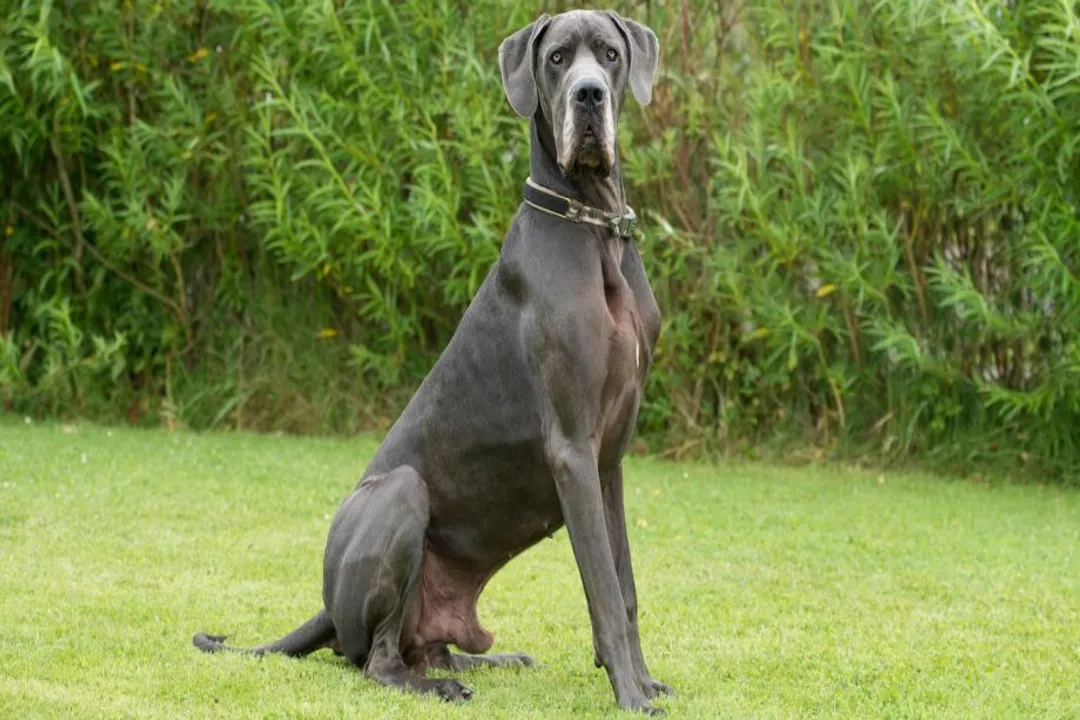
The official term "Bloodhound" began appearing much later, around the 14th century. [2] The origin of the name itself is often debated, but the most widely accepted theory points not to tracking 'blood' in the literal sense, but to the concept of "blooded" or pure lineage. [9]
This suggests the dogs were purebred hounds, meticulously documented and preserved by the church, thereby being "of the blood". [2][9] Another, less common, interpretation suggests they were used to track noblemen or outlaws—those who were "of the blood" of the elite or those marked for legal pursuit. [9] While the connection to tracking people became dominant later, the name itself seems rooted in the canine's perceived purity of ancestry derived from the monastic breeding programs. [1]
# English Arrival
The breed’s presence in Great Britain seems linked to the Norman Conquest of 1066. [2] It is believed that William the Conqueror brought the descendants of these hounds with him, introducing them to the island. [2] Once established, the breed became known in England as the St. Hubert Hound or sometimes referred to as the Southern Hound in early descriptions, though the latter is debated among historians. [2]
When the Bloodhound began to be specifically used for tracking humans in England, it signaled a functional evolution of its purpose. The monks bred for game; the English used them for law enforcement. [2] This required a shift in focus, where the dog needed to follow a human scent trail, which can be far more ephemeral and easily disrupted than the trail left by a heavy-footed boar or deer moving through brush. [6] The transition from tracking animal quarry in a forest to tracking human fugitives across open fields or through villages highlights the breed’s exceptional adaptability based on its core olfactory skill. [7]

# Scent Superpower
What makes the Bloodhound’s original breeding purpose so effective is the physical machinery dedicated to scent processing. These dogs possess about 300 million olfactory receptors, a number far exceeding that of humans. [7] Furthermore, the structure of the nose and the deep wrinkles are not accidental features; they are the accumulated result of centuries of selection for scent retention. [6][7] When the dog lowers its head to track, the heavy folds of skin and the long, low-hanging ears help to trap scent molecules close to the nose, essentially creating a scent "pocket" that the dog can investigate thoroughly. [6]
It is crucial to remember that the Bloodhound tracks scent, not the visual path of the person or animal. If a person walked across a stream or a paved road, the visible path would vanish, but the scent molecules left behind—from skin cells, sweat, or disturbed earth—would remain for the hound to follow hours later. [7] This reliance on scent alone means that the dog’s perceived "stubbornness" or slowness is actually intense concentration on the trail before it, which is exactly what the original breeders valued. [6]
# Modern Service
While the wild boar is no longer the primary target, the core instinct bred into the St. Hubert Hound remains perfectly suited for modern applications—namely, search and rescue. [6][7] The dedication to following a cold trail, which was honed over centuries tracking game through the Ardennes, translates directly into locating lost hikers, missing children, or tracing suspects in criminal investigations. [1][6] The breed’s endurance means they can work for hours, sustaining a relatively slow, steady pace that conserves energy while maximizing scent acquisition. [7] The longevity of its working history, spanning from the early medieval monastery to the contemporary SAR team, speaks volumes about the success of the original breeding goals. [1][5]
Related Questions
#Citations
Bloodhound - Wikipedia
Bloodhound History: Where this Hound Breed Originated
Breed History & Standard - American Bloodhound Club
Origin of bloodhound breed name - Facebook
A History | The Bloodhound Club
Bloodhound | Origins, History, Scenting Ability, Care ... - Britannica
Bloodhound Dog Breed - Hill's Pet Nutrition
Bloodhound dog breed facts, history and considerations
Why did they call a particular breed of dog (the bloodhound)? - Quora