What is the rarest trout in the USA?
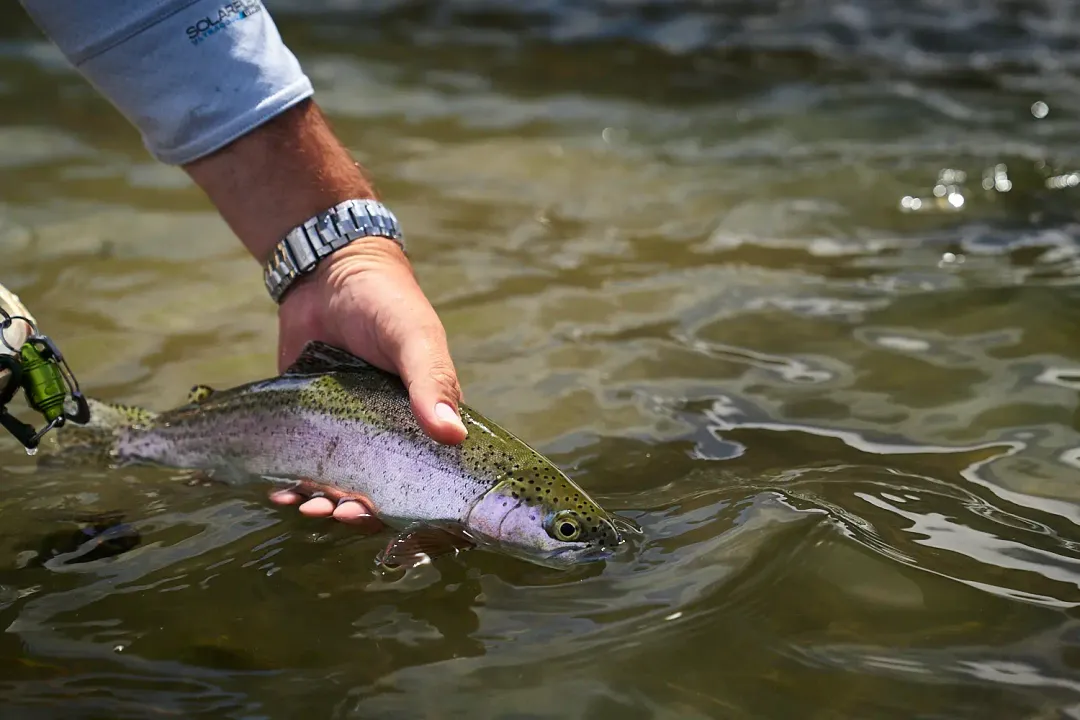
The title of the rarest trout in the USA often lands squarely on the Paiute Cutthroat Trout (Oncorhynchus clarkii seleniris). While many native fish populations struggle, this particular subspecies represents an extreme case of near-extinction, clinging to existence in very specific, high-elevation waters in California. [3] Its story is less about trophy size or widespread habitat and more about a tenacious fight for survival against overwhelming odds, making it a conservation icon. [6]
# Cutthroat Markings
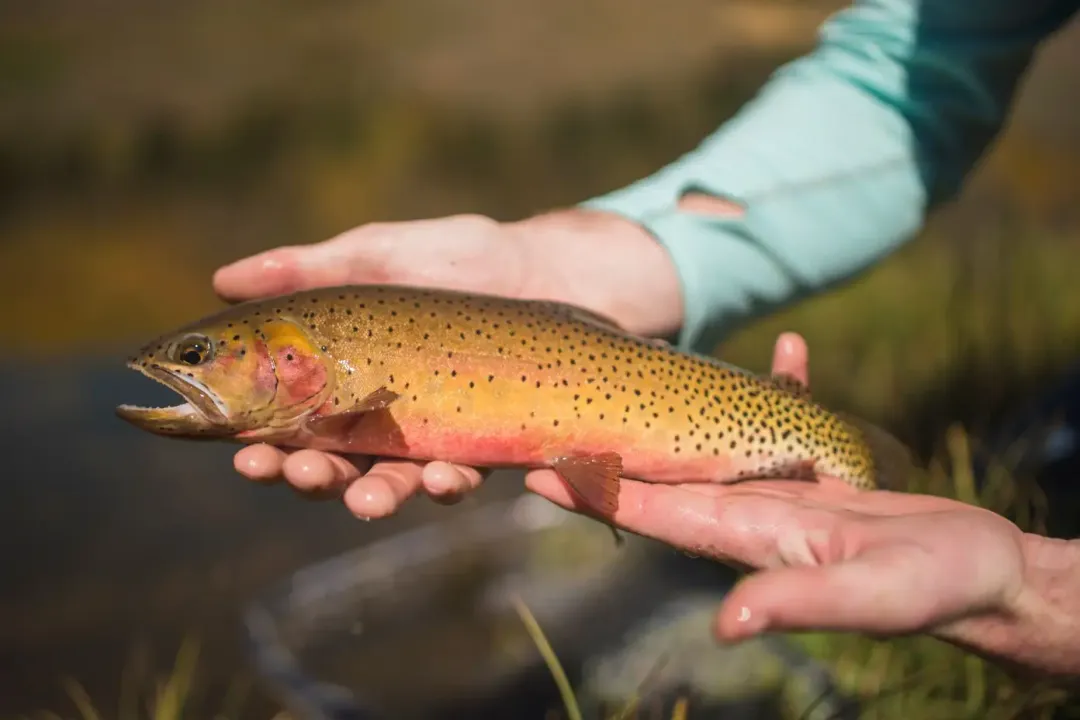
Identifying a pure Paiute Cutthroat Trout requires a keen eye, especially for the non-specialist angler, because its defining features are subtle yet critical indicators of its lineage. [1] Like all cutthroats, they possess the characteristic red or orange slash beneath the lower jaw, which gives the group its name. [1] However, the Paiute subspecies carries a key differentiator that often separates it from its closely related cousins: a distinct, dark, often black spot located at the base of the tail fin, known as a caudal spot. [1][3]
This caudal spot is extremely important in the world of fish genetics. While other cutthroat populations might display some speckling, the consistently present and distinct spot on the Paiute trout serves as a visual marker for biologists tracking native, unhybridized stock. [3] When restoration teams work to recover the species, verifying the presence of this marking becomes essential to ensure the fish they are propagating and releasing have not interbred with introduced rainbow or brook trout. [1][5] This subtle spotting difference highlights the granular level of expertise required in fisheries management; what might seem like a minor variation to the casual observer is the very thread that keeps a unique subspecies alive. [3]
# Habitat Loss
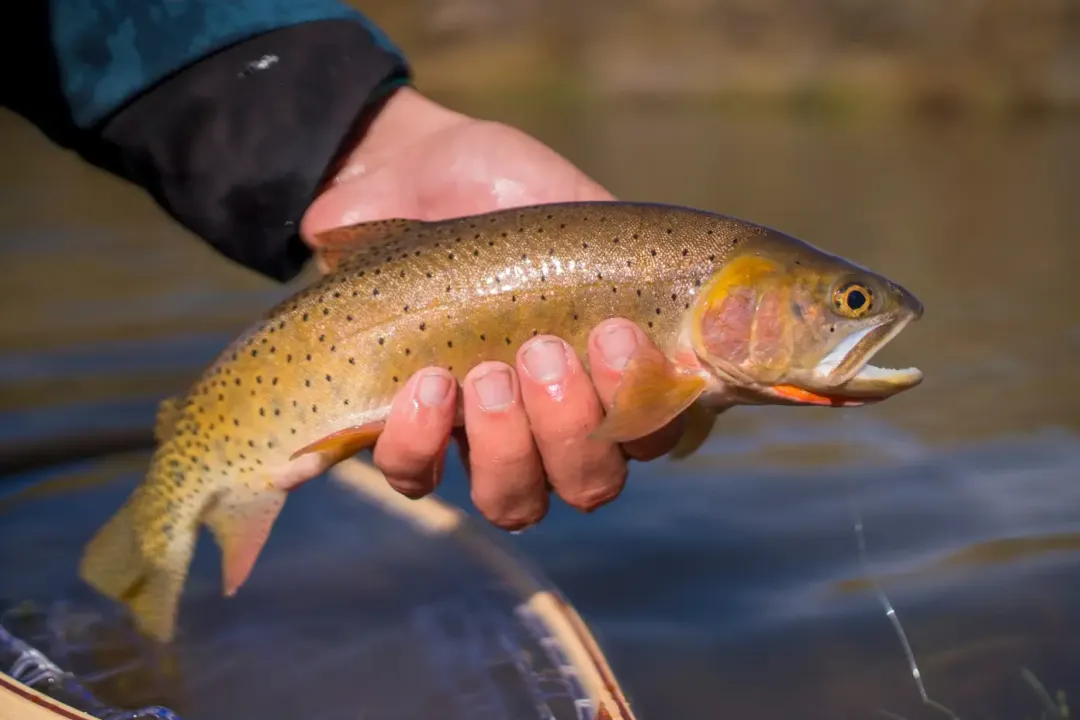
The historical range of the Paiute Cutthroat Trout was once broader, but today, it is confined almost entirely to the remote headwaters of the eastern Sierra Nevada in California. [3] This specific, cold-water habitat is inherently limited, which contributes to its rarity even before considering external threats. [3]
The primary reason for the dramatic decline from what was once a viable population centers on the stocking of non-native species throughout the 20th century. [5] Anglers, land managers, and the general public introduced brook trout and rainbow trout into many high-mountain lakes and streams, areas where the native Paiute trout had evolved in isolation. [3] These introduced, often more aggressive or faster-growing fish outcompeted the Paiute trout for food, occupied prime habitat, or hybridized with them, diluting the unique Paiute genetics. [3][5] As a result, by the mid-1900s, the native Paiute Cutthroat Trout had been completely extirpated from much of its native range, surviving only in a tiny handful of isolated headwater streams where invasive species had not yet reached. [3] The species was subsequently listed as federally threatened, underscoring the severity of its predicament. [5]

# Restoration Focus
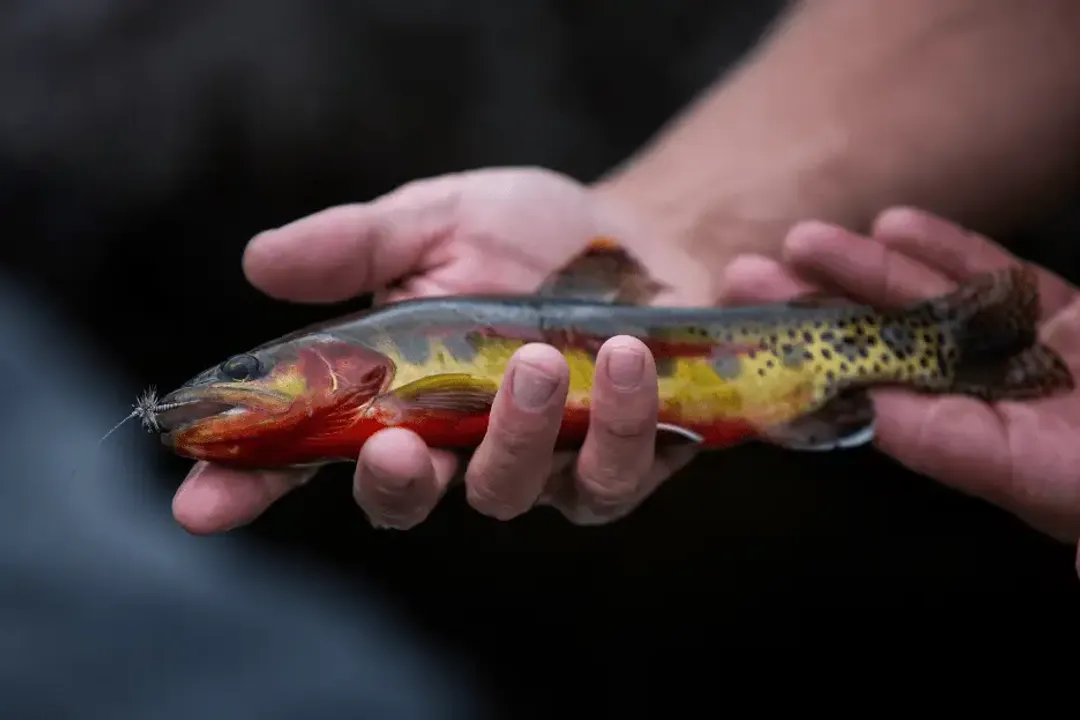
The conservation of the Paiute Cutthroat Trout has become a significant effort involving numerous agencies, including the U.S. Fish and Wildlife Service and the California Department of Fish and Wildlife. [5][6] This work is not simply about protecting the remaining few fish; it involves active habitat restoration to bring the species back to waters it historically occupied. [5]
The restoration process is intensive and often involves complex ecological engineering. A primary step is the selective removal of invasive fish from designated stream sections that are slated for reintroduction of pure Paiute stock. [5] This usually means careful poisoning or removal of brook and rainbow trout from specific creek segments above natural barriers that will prevent re-invasion. [5] Once the invasive populations are eliminated, biologists can then introduce genetically pure Paiute Cutthroat Trout back into those restored stretches. [5]
One notable success story involves the restoration in the Silver King Creek drainage, a core part of the native habitat. [5] Seeing these fish successfully occupying historical waters again—a move noted by agencies celebrating milestones in the recovery effort—demonstrates that focused, multi-agency conservation can reverse dire population trends. [6] This recovery hinges on maintaining the barrier protection to keep the invasive species out once the native fish are back in place. [5]
# Other Trout
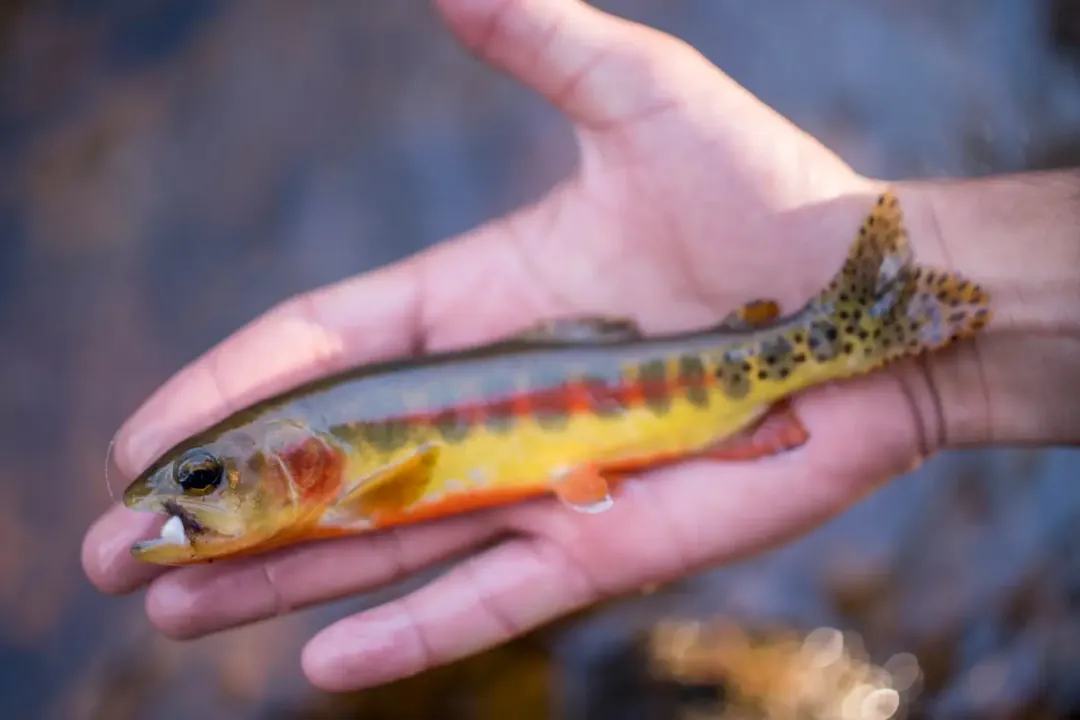
While the Paiute Cutthroat Trout often claims the title due to its incredibly restricted native range and near-extinction status, it is not alone in facing precarious survival. The American West is home to several other subspecies whose tenuous hold on existence garners significant conservation attention. [2][4]
For instance, the Apache Trout and the Greenback Cutthroat Trout are also critically imperiled native species that require continuous monitoring and protection. [2][4] Like the Paiute, the Apache trout's decline was significantly exacerbated by stocking non-native trout in its Arizona habitat. [2] The Greenback, native to Colorado, faced similar pressures from introduced species and habitat alteration. [4]
It is important for any reader interested in native fish to distinguish between rarity based on geographic distribution and rarity based on total population size. A large, genetically distinct subspecies might still exist in several large lakes (like certain strains of Lahontan Cutthroat Trout, which can grow impressively large) and be considered vulnerable, but perhaps not as immediately "rare" as a fish confined to a few miles of stream where one disease outbreak could wipe out the entire known wild population. [2] The Paiute trout sits at the extreme end of this spectrum, where every single fish counts toward the survival of the subspecies. [6]
The success in bringing back the Paiute Cutthroat Trout serves as a powerful, though ongoing, case study. It underscores that protecting native biodiversity requires not just setting aside land, but actively managing the ecological relationships within those lands, often meaning the difficult, but necessary, removal of established, non-native competitors. [5] Every stream successfully cleared and restocked represents a small victory against the cumulative pressures that nearly erased one of America's most unique native fish.
#Videos
Catching one of America's Rarest Trout out of a PUDDLE ... - YouTube
Related Questions
#Citations
In Search of the World's Rarest Trout - Orvis News
Rare And Exotic Trout - In-Fisherman
Paiute Cutthroat Trout | California Trout
9 Native Trout Species in the United States - Flylords Mag
Native Paiute Cutthroat Trout Restoration | U.S. Fish & Wildlife Service
Catching one of America's Rarest Trout out of a PUDDLE ... - YouTube
Today, the Paiute cutthroat trout – one of the rarest trout on earth
What's the name of the rare trout that lives in a specific lake? - Reddit
Rare Trout Species You Didn't Know Existed - News And Advice